App Logo

Download Our App

Shop your way

logologo
Image

The importance of a healthy routine at home

11/27/2025By: ICN
The importance of a healthy routine at home

Promote physical health and fitness through routines

A. Regular daily exercise pattern: Regular exercise is one of the most important steps in enhancing physical health. Adopting a daily exercise pattern helps improve fitness and increase energy. Over time, the individual will feel a noticeable improvement in his strength and endurance. for. Regulating sleep and wake times Good sleep plays an essential role in improving general health and physical performance. By adhering to specific times for sleeping and waking up, the body can benefit from adequate periods of rest. This routine promotes recovery and helps improve focus and mood throughout the day.

Improving psychological and mental health through healthy routines

A. Reducing stress and anxiety. Adhering to a daily routine can contribute to reducing levels of stress and anxiety. By practicing meditation and deep breathing techniques, an individual feels calmer and can control his emotions better. Therefore, it is necessary to incorporate these practices into your daily routine. for. Allocating time for rest and recreation Allocating time for rest and recreation is one of the elements of a healthy routine that enhances mental health. This time allows a person to get away from the stresses of daily life and rejuvenate. Recreation activities can include reading, interacting with friends, or practicing hobbies, which contribute to a sense of well-being.

The impact of healthy routine on lifestyle and regularity

A. Strengthening self-discipline A healthy routine helps develop self-discipline, as adherence to it requires organizing time and setting priorities. When an individual gets used to a certain pattern, it becomes easier for him to implement daily plans efficiently and effectively. for. Achieving a balance between work and personal life A healthy routine can contribute to achieving a healthy balance between work and personal life, which enhances psychological comfort and productivity. By allocating specific times for work and times for leisure, the individual is able to enjoy his personal life without feeling constant pressure from work.

The role of regular nutrition in a healthy routine

A. Preparing healthy and balanced meals Healthy and balanced meals are an essential part of a healthy routine, as they provide the body with the necessary nutrients to maintain energy and focus. People have to plan their meals constantly, which helps them stay away from fast food. for. The importance of drinking water in sufficient quantities Drinking water in sufficient quantities is also a vital element, as it contributes to improving body functions and helps enhance physical and mental activity. People should be reminded of the importance of hydration, which enhances their overall health and contributes to the success of their health routine.

Managing time and using it effectively through routine

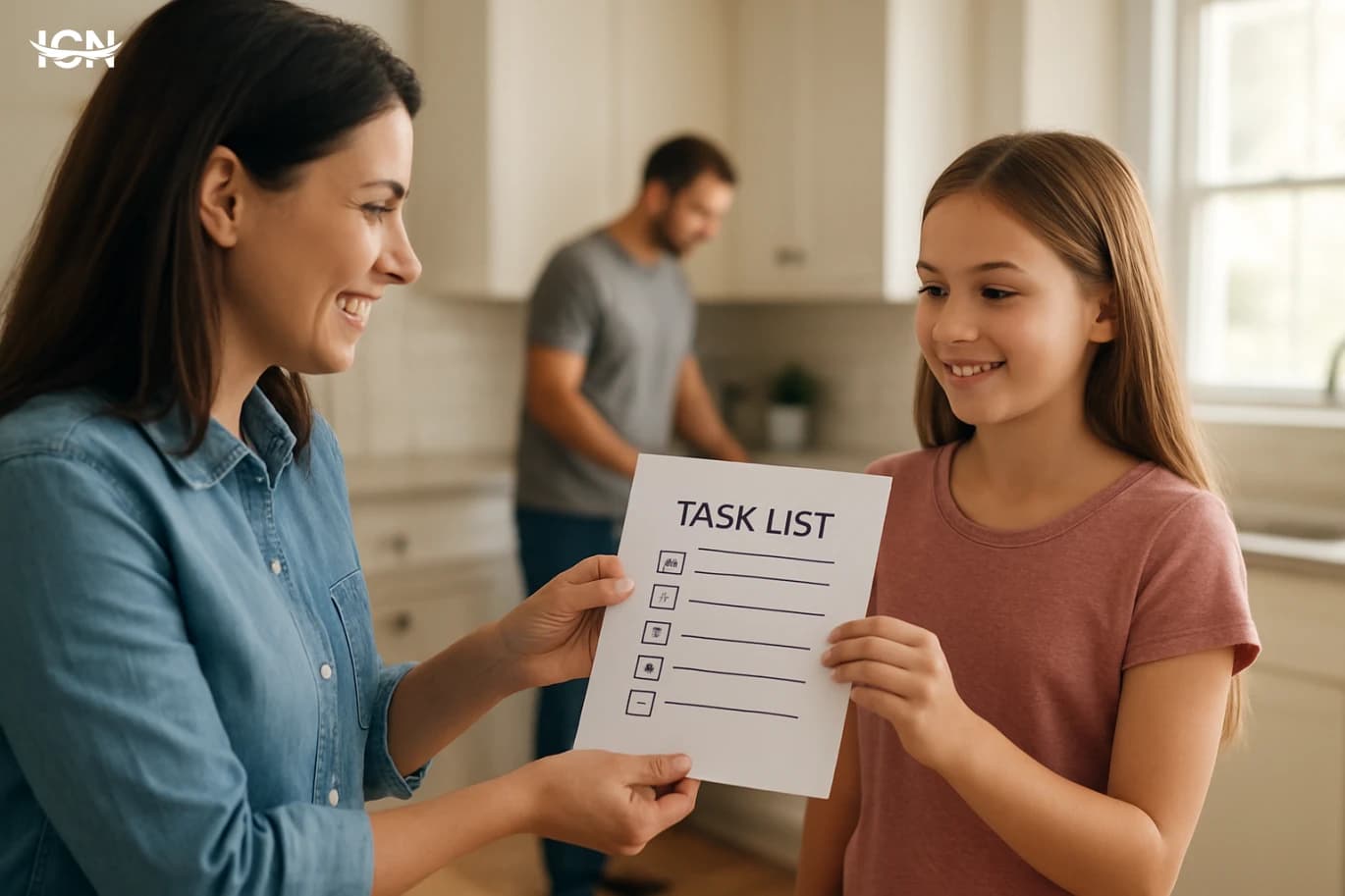
A. Prioritizing daily tasks Prioritizing daily tasks helps individuals manage their time efficiently, as the secret lies in knowing what needs to be done first and what can be developed later. By making a to-do list, a person can focus on the most important things and avoid chaos. for. Reducing distraction and regularity in studying or working. Reducing distraction is one of the most important steps necessary to achieve work effectiveness. When people have clear channels and a quiet environment, they succeed in enhancing their concentration. This type of discipline greatly improves productivity, ensuring that goals are achieved efficiently and in less time.


* All articles published on this blog are sourced from various websites and are provided for informational purposes only. They should not be considered as confirmed studies or accurate information. Please verify the information independently before relying on it.

Similar ARTICLES

Why Women Often Excel at Multitasking
Multitasking is often described as doing many things at once, but in daily life it usually means something more specific: switching quickly between tasks while keeping track of details, deadlines, and people’s needs. In a typical day, this can look like answering messages while planning meals, coordinating school schedules, and handling a work request that cannot wait. The core skill is not speed alone; it is maintaining accuracy and continuity when attention is repeatedly interrupted. In family and daily life management, multitasking includes “invisible” responsibilities such as remembering appointments, noticing supplies running low, tracking children’s needs, and anticipating what will be required later in the day. These tasks are rarely listed on a calendar, yet they demand constant monitoring. In many households, women are more likely to carry this monitoring role, which trains the brain to keep multiple threads active and return to each one without losing context. At work, multitasking often involves managing communication streams, coordinating with colleagues, and handling administrative details alongside core responsibilities. People who are frequently positioned as coordinators—whether formally or informally—develop habits of prioritizing, triaging, and documenting. Over time, this creates a practical advantage in environments where interruptions are normal and where success depends on not dropping small but important details.
When Family Rejects Your Partner
Before you defend your relationship, get clear on what your family is actually rejecting. Ask for a calm conversation with the key decision-makers and request specific reasons rather than general statements like “we don’t feel comfortable.” Write down each concern in plain language and separate facts from assumptions. For example: “We heard he changes jobs often” is a claim you can verify; “He won’t make you happy” is a prediction that needs context. Group objections into categories: values and lifestyle, financial stability, education and career, social reputation, communication style, and practical compatibility (distance, living arrangements, timing). This helps you avoid arguing in circles and shows your family you are taking them seriously. It also helps you identify which concerns can be addressed with information and which are rooted in fear or past experiences. At the same time, check your own perspective. Are you minimizing a real issue because you are emotionally invested? Ask yourself what you would advise a close friend in the same situation. If you can acknowledge one or two reasonable concerns, you build credibility and reduce defensiveness on both sides. The goal in this stage is not to “win,” but to understand the decision logic your family is using so you can respond with evidence, patience, and a plan.
The Household Handoff System That Actually Works
Many families manage daily life through informal “I thought you were doing it” agreements. That approach breaks down when schedules overlap, messages get buried, or one person becomes the default manager for everything from groceries to school forms. The real issue is not effort; it is the lack of a clear handoff. In workplaces, handoffs are documented because missed steps create costly errors. At home, the cost shows up as late bills, forgotten appointments, duplicate shopping, and constant mental load. A household handoff is the moment responsibility moves from one person to another: picking up a child, ordering refills, confirming a repair visit, or packing a lunch. Without a shared method, people rely on memory and vague reminders. Text messages help, but they are not structured: they do not show status, next action, or deadlines. A workable system needs three things: a single place where tasks live, a simple status language everyone uses, and a routine for checking and transferring ownership. The goal is not to run a home like a company; it is to reduce friction and make responsibilities visible so no one has to carry them alone.
A Better Way to Say Sorry
In daily family life, “sorry” is not only a word; it is a signal that you noticed the impact of what happened and you are willing to repair it. A well-phrased apology reduces tension faster because it answers the questions the other person is silently asking: Did you understand what hurt me? Do you take responsibility? Will it happen again? When those questions remain unanswered, the same conflict often returns in a new form, even if everyone tries to move on. A “beautiful” apology is not dramatic or overly emotional. It is clear, specific, and respectful. It also fits the relationship and the moment: apologizing to a spouse after a harsh comment is different from apologizing to a child after breaking a promise, and both differ from apologizing to a colleague for a missed deadline. In family and daily life management, the goal is practical: restore trust, keep routines stable, and prevent small issues from turning into repeated stress. Many people avoid apologizing because they fear losing status, opening a long argument, or admitting intent they did not have. A good apology avoids these traps by focusing on impact rather than defending motives. It also avoids vague phrases that sound like a formality. When you choose words that show awareness and a plan to do better, the apology becomes a tool for calmer communication, not a confession or a debate.
The 15 Minute Family Reset Routine
Many households rely on a big weekend clean to recover from a messy week, but the backlog creates stress and steals family time. A short daily reset keeps the home functional without turning anyone into a full-time cleaner. The goal is not perfection; it is restoring “ready for tomorrow” conditions: clear entryway, usable kitchen, and a living area that can handle homework, guests, or a quick break. A 15-minute reset works because it matches real attention spans and busy schedules. It also reduces decision fatigue: everyone knows what happens at the same time each day, with the same priorities. When small tasks are handled daily, laundry piles shrink, lost items are found faster, and mornings become smoother. Over a month, the time saved from searching for shoes, clearing counters, and re-washing forgotten loads is often greater than the 15 minutes invested each day.
When Social Media Overuse Affects Teens
Teenagers are in a stage where identity, belonging, and self-worth are still forming, which makes online feedback feel unusually important. Social platforms are built around visible signals such as likes, views, streaks, and follower counts, and these metrics can become a daily scoreboard for social status. For many teens, school life and online life are tightly linked, so a post, a comment, or being left out of a group chat can spill into the next day’s classroom dynamics. Overuse also happens because social media fits into small gaps throughout the day: between classes, on the bus, during meals, and late at night. That constant availability reduces recovery time for the brain. Instead of having quiet moments to process stress, teens may keep scrolling, which can amplify worries and make mood swings more frequent. Families often notice that the phone becomes the default response to boredom, discomfort, or loneliness, which can gradually weaken offline coping skills.
The Weekly Home Reset That Actually Sticks
Many households try to keep everything perfect every day: spotless counters, folded laundry, a clear inbox, and a fridge that looks like a catalog. In real life, school schedules, work deadlines, errands, and unexpected messes make that standard unrealistic. A weekly home reset is a practical alternative: a short, repeatable routine that brings the home back to a stable baseline once a week. Instead of chasing perfection, you aim for “ready for Monday” conditions—clean enough, stocked enough, and organized enough to reduce friction. The reset works because it concentrates decision-making. Rather than asking every day, “Where do I start?” you follow the same sequence weekly. It also reduces the mental load of remembering dozens of small tasks. When everyone knows there is a predictable reset window, clutter and unfinished chores stop feeling like personal failure and start feeling like items that will be handled at the next reset. That shift alone can improve cooperation, because the plan is clear and the expectations are consistent.
The 2026 Tawjihi exams begin today... Dreams written on exam papers
The start of Tawjihi 2026 is more than a date on the calendar. For students, it is the first real test of months of planning, revision, and self-discipline. For families, it is a day that reshapes routines: wake-up times, meal schedules, transport plans, and the tone of the home. In many households, the exam period becomes a shared project where everyone adjusts to protect the student’s focus. From a daily-life management perspective, the first day sets patterns that often continue for weeks. Students who arrive early, carry the right materials, and follow a calm pre-exam routine tend to reduce avoidable stress. Families that keep the home quiet, limit visitors, and coordinate responsibilities—such as younger siblings’ needs—create a more stable environment. The goal is not to add pressure with constant reminders, but to remove friction: fewer last-minute errands, fewer interruptions, and fewer debates about study time. Today also highlights the importance of realistic expectations. Tawjihi results matter, but performance is influenced by sleep, nutrition, and mental readiness as much as by memorization. A practical family approach focuses on what can be controlled each day: preparation, time management, and recovery after each exam. This is how “dreams written on exam papers” become a structured process rather than a single dramatic moment.
Bring Back the Spark Together
Many couples label a phase as “boring” when it is actually a predictable routine: same wake-up time, same chores, same conversations about bills, work, and errands. Routine is not automatically a problem; it becomes one when it replaces curiosity and attention. A useful starting point is to separate “lack of love” from “lack of novelty.” If you still trust each other, feel safe, and can cooperate day to day, the foundation is there, but the daily structure may be squeezing out warmth. To get clarity, track one typical week. Note when you talk, what you talk about, and how often you share a moment that is not logistical. Many couples discover that most interactions are task-based: reminders, requests, and quick updates. Also notice energy levels. Boredom can be a sign of exhaustion, not relationship failure. If sleep, workload, or constant phone scrolling is draining you, the relationship will feel flat even if nothing is “wrong.” The goal of this step is to identify the real cause: monotony, stress, lack of time, or unspoken disappointment.
When Silence Becomes Family Tension
Many families avoid open arguments and believe that staying quiet protects children. In reality, children are skilled observers of tone, routines, and micro-signals. They notice the sudden drop in conversation at dinner, the way a parent answers with short phrases, the absence of shared jokes, and the careful coordination to avoid being in the same room. Even without raised voices, these patterns communicate that something is wrong. Quiet tension often shows up as “functional distance”: parents manage logistics but stop sharing warmth. Children may see separate phone scrolling, different sleeping schedules, or one parent taking over tasks to avoid interaction. For a child, the home is a system. When the system changes, they try to explain it. If no one explains, they fill the gap with assumptions, often blaming themselves or believing conflict is permanent. This kind of tension is also hard for children to predict. Loud arguments have a beginning and an end; silence can last for days. That uncertainty can make children hyper-alert to small cues, like footsteps, door sounds, or facial expressions. Over time, the child learns to scan the room before speaking, which can reduce spontaneity and confidence at home.
The Weekly Reset That Keeps Families On Track
A weekly reset is a short, repeatable routine that prepares the household for the next seven days. It works because it reduces decision fatigue: instead of solving the same small problems every morning, you solve them once with a plan everyone can see. Families often feel “busy” not because they have too many tasks, but because tasks are scattered across messages, sticky notes, and half-made promises. A reset gathers those loose ends into one place and turns them into clear actions. The goal is not perfection or a spotless home. The goal is predictability: meals are roughly planned, school items are ready, appointments are visible, and the home has enough order that daily life runs without constant searching and last-minute shopping. When the reset is consistent, it also becomes a shared family habit. Children learn what “getting ready for the week” looks like, and adults stop carrying the entire mental load alone.
A Practical Routine for Working Women
A sustainable routine starts before Monday. Many working women reduce daily pressure by doing a 30–45 minute weekly reset on the weekend: checking the calendar, confirming meetings, and listing fixed commitments such as school runs, medical appointments, or deadlines. This is also the right moment to decide what “good enough” looks like for the week—what must be done, what can be delegated, and what can wait. Meal planning is often the biggest time saver. Choosing 3–4 core dinners, stocking breakfast basics, and preparing two versatile items (for example, cooked grains and a tray of roasted vegetables) can cut weekday cooking time significantly. A short grocery list organized by store sections prevents repeat trips. If you use delivery, setting a recurring order for staples like milk, fruit, and cleaning supplies keeps the home running without extra mental load. Finally, prepare the work side: review priorities, draft a short to-do list for Monday, and set boundaries for the week such as two meeting-free focus blocks. When the week has a clear structure, daily decisions become simpler and the routine is easier to follow.
Teaching Kids the Joy of Family Visits
Eid al-Adha family visits are more than a social routine; they help children understand belonging, gratitude, and continuity. When a child sees parents making time for grandparents, aunts, uncles, and cousins, they learn that relationships require effort and planning. These visits also give children a practical way to practice respectful greetings, listening, and polite conversation in a real setting, not just as rules at home. Visits can strengthen a child’s sense of identity by connecting them to family stories, shared traditions, and familiar faces. A short chat with a grandparent about how Eid was celebrated years ago can make the holiday feel meaningful and memorable. For younger children, repeated visits build comfort and reduce shyness; for older children, they can learn how to show consideration, offer help, and be present even when they would rather stay on a screen. Eid visits also teach balance. Children see that celebration includes both enjoyment and responsibility: greeting relatives, checking on elders, and sharing time. When parents explain the purpose in simple terms—“We visit to show care and keep our family close”—children are more likely to cooperate and feel proud of participating.
By clicking the SUBSCRIBE button, you are agreeing to our Privacy & Cookie Policy If you want to unsubsribe the marketing email, please proceed to our privacy center.
© 2005-2026 ICN. All Rights Reserved.