A Better Way to Say Sorry

- Why a well-phrased apology matters
- The essentials of a strong apology
- Beautiful phrases you can actually use
- What to avoid so your apology isn’t rejected
- Turning words into repair and trust
Why a well-phrased apology matters
In daily family life, “sorry” is not only a word; it is a signal that you noticed the impact of what happened and you are willing to repair it. A well-phrased apology reduces tension faster because it answers the questions the other person is silently asking: Did you understand what hurt me? Do you take responsibility? Will it happen again? When those questions remain unanswered, the same conflict often returns in a new form, even if everyone tries to move on. A “beautiful” apology is not dramatic or overly emotional. It is clear, specific, and respectful. It also fits the relationship and the moment: apologizing to a spouse after a harsh comment is different from apologizing to a child after breaking a promise, and both differ from apologizing to a colleague for a missed deadline. In family and daily life management, the goal is practical: restore trust, keep routines stable, and prevent small issues from turning into repeated stress. Many people avoid apologizing because they fear losing status, opening a long argument, or admitting intent they did not have. A good apology avoids these traps by focusing on impact rather than defending motives. It also avoids vague phrases that sound like a formality. When you choose words that show awareness and a plan to do better, the apology becomes a tool for calmer communication, not a confession or a debate.
The essentials of a strong apology
A strong apology usually contains four elements. First, name what happened in a neutral, factual way. Instead of “Sorry if you felt upset,” say “I raised my voice during our conversation.” This shows you are not minimizing the event. Second, acknowledge the impact: “I know that made you feel disrespected and it disrupted our evening.” Impact statements are powerful because they show you are listening. Third, take responsibility without adding excuses. You can give context later, but the apology itself should not be built around justification. Compare “I’m sorry, but you were also…” with “I’m sorry. I should have handled it differently.” The second keeps the focus on repair. Fourth, offer a concrete next step: “Next time I’ll pause and speak calmly,” or “I’ll set a reminder so I don’t miss it again.” A plan turns the apology into a commitment. Timing and delivery matter as much as wording. If emotions are high, a short apology plus a request to revisit the topic later can work: “I’m sorry for my tone. Can we talk in 20 minutes when we’re calmer?” Also pay attention to nonverbal cues: eye contact, a steady voice, and giving the other person space to respond. A good apology is not a monologue; it invites the other person to share what they need for closure. Finally, avoid common “apology blockers”: conditional language (“if you were hurt”), vague phrases (“sorry about everything”), and forced forgiveness (“let’s forget it now”). These often make the other person feel unheard. A better approach is to ask a practical question: “What would help you feel better right now?” or “Is there something I can do to make this right?”
Beautiful phrases you can actually use
If you want your apology to sound warm without being exaggerated, choose phrases that are specific and respectful. Here are options you can adapt to your situation. For a harsh tone: “I’m sorry for the way I spoke. You didn’t deserve that.” For interrupting or dismissing someone: “I cut you off earlier. I want to hear you fully—can you continue?” For forgetting a task: “I’m sorry I didn’t follow through. I understand it added pressure on you.” For misunderstandings: “I realize I misunderstood you and reacted quickly. I’m sorry for that.” For breaking a promise: “I said I would do it and I didn’t. I’m sorry, and I’ll fix it today by doing X.” For a repeated behavior: “You’ve mentioned this before, and I didn’t take it seriously enough. I’m sorry, and I’m making a change starting this week.” If you are apologizing to a child, keep it simple and concrete: “I’m sorry I snapped at you. That was not okay. I will speak more calmly.” Then show the change quickly, because children trust actions more than explanations. If you are apologizing to a spouse or parent, add appreciation: “I’m sorry for what I said. I value you, and I don’t want my stress to come out on you.” Avoid phrases that sound polished but empty, such as “I apologize for any inconvenience.” In family life, natural language works best. A good test is whether your words clearly answer: what you did, how it affected them, and what you will do next. If those three points are present, your apology will usually feel sincere.
What to avoid so your apology isn’t rejected
Some apologies fail not because the person refuses to forgive, but because the wording signals avoidance. One common mistake is the “non-apology”: “I’m sorry you took it that way.” This shifts responsibility to the other person’s reaction. Another is mixing apology with blame: “I’m sorry, but you started it.” The word “but” often cancels what came before it. Over-explaining can also backfire. A long story about stress, work, or intentions may sound like you are asking for sympathy instead of offering repair. Keep context short and place it after responsibility: “I was stressed, but that doesn’t justify my tone.” Similarly, do not demand immediate closure: “Okay, I said sorry, can we move on?” People need time to feel safe again, especially if the issue is repeated. Watch for minimizing language: “It’s not a big deal,” “You’re too sensitive,” or “Everyone does this.” These phrases can escalate conflict quickly because they deny the other person’s experience. Also avoid public apologies for private issues unless the other person wants that; embarrassment can make repair harder. If the other person is still upset after your apology, do not treat it as proof that apologizing was useless. Instead, ask what part is still unresolved: “Is it the words I used, the timing, or the pattern?” This turns the moment into problem-solving. In family settings, the goal is not to win the conversation; it is to restore cooperation and respect so daily tasks and relationships can function smoothly.
Turning words into repair and trust
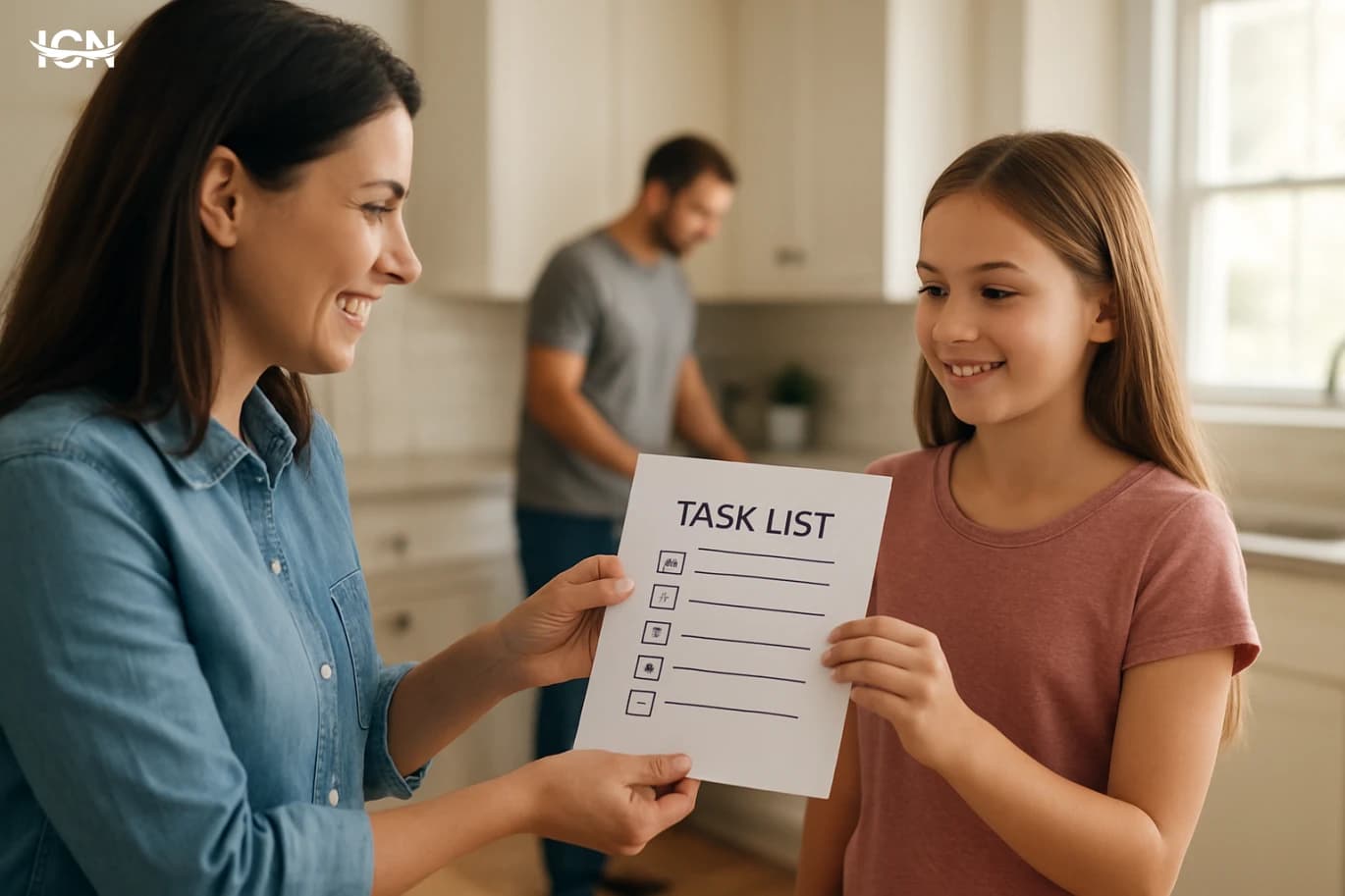
A good apology is the start, not the finish. Repair becomes real when you follow through with small, visible actions. If the issue was tone, agree on a signal to pause before escalation, such as a short phrase like “pause” or stepping into another room for five minutes. If the issue was a missed responsibility, write down the task, set a reminder, and confirm completion. These steps show that you respect the other person’s time and emotional energy. In family life management, it helps to separate the incident from the system that allowed it. For example, repeated arguments about chores may be less about attitude and more about unclear ownership. After apologizing, propose a simple system: a weekly checklist, rotating duties, or a shared calendar. If the issue is frequent lateness, agree on buffer time and a realistic schedule. Practical adjustments reduce the need for repeated apologies. Also consider a brief follow-up later the same day or the next: “I’ve been thinking about what happened. Are you feeling any better? Is there anything else you want me to understand?” This is not reopening the argument; it is checking whether repair is holding. If the other person shares feedback, summarize it in one sentence to show you understood. Finally, keep your apology consistent with your everyday behavior. Politeness, listening, and keeping promises make future apologies easier to accept because they fit a broader pattern of respect. When people feel that your “sorry” is backed by habits, they do not need perfect wording. They need reliability, and that is built through repeated, concrete follow-through.