Why Women Often Excel at Multitasking
- What Multitasking Really Means at Home and Work
- Daily Practice Builds a Strong Task-Switching Muscle
- Communication and Social Coordination as a Multitasking Advantage
- The Role of Planning Systems and Memory Aids
- Limits, Trade-Offs, and How Families Can Share the Load
What Multitasking Really Means at Home and Work
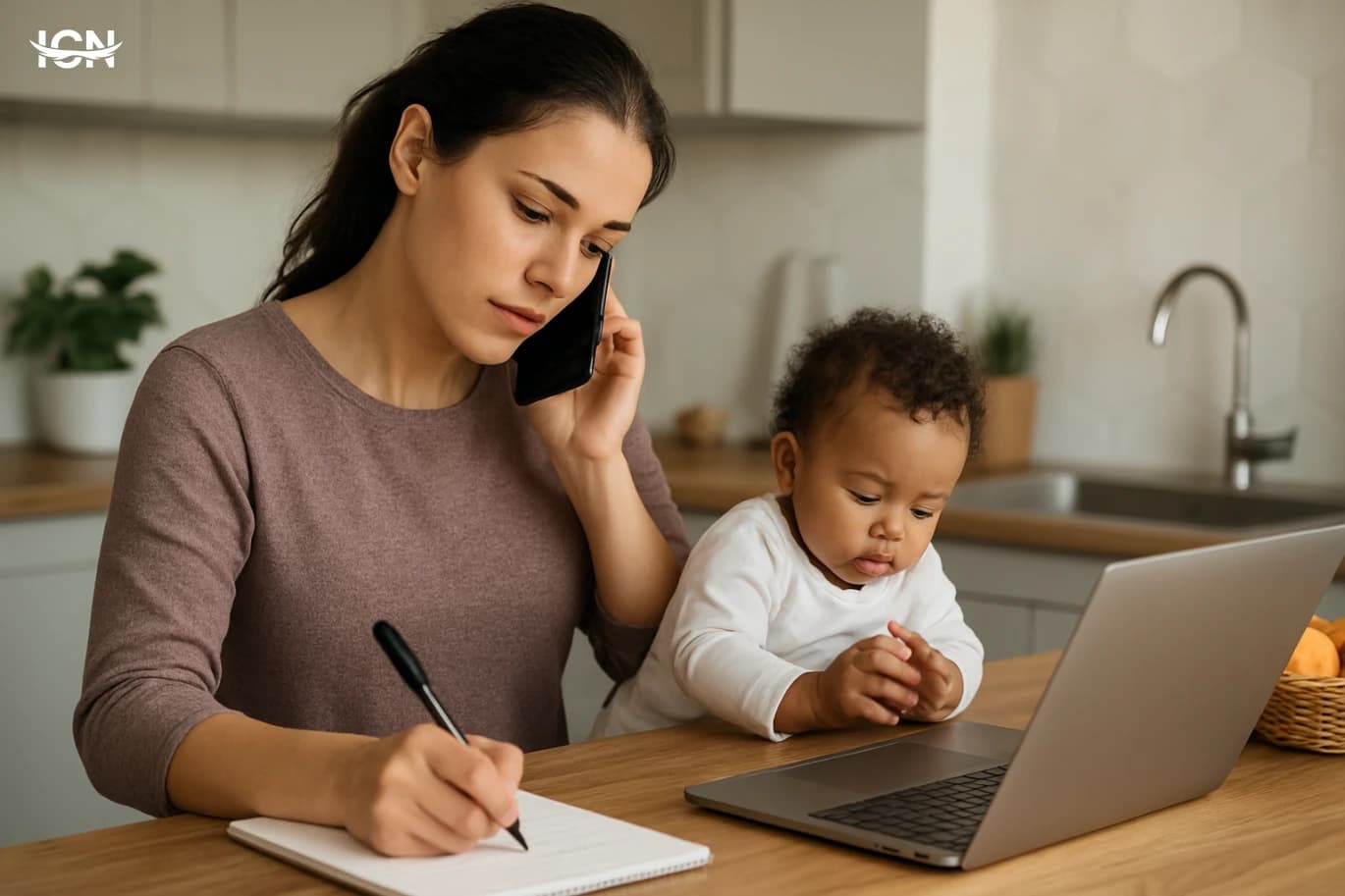
Multitasking is often described as doing many things at once, but in daily life it usually means something more specific: switching quickly between tasks while keeping track of details, deadlines, and people’s needs. In a typical day, this can look like answering messages while planning meals, coordinating school schedules, and handling a work request that cannot wait. The core skill is not speed alone; it is maintaining accuracy and continuity when attention is repeatedly interrupted. In family and daily life management, multitasking includes “invisible” responsibilities such as remembering appointments, noticing supplies running low, tracking children’s needs, and anticipating what will be required later in the day. These tasks are rarely listed on a calendar, yet they demand constant monitoring. In many households, women are more likely to carry this monitoring role, which trains the brain to keep multiple threads active and return to each one without losing context. At work, multitasking often involves managing communication streams, coordinating with colleagues, and handling administrative details alongside core responsibilities. People who are frequently positioned as coordinators—whether formally or informally—develop habits of prioritizing, triaging, and documenting. Over time, this creates a practical advantage in environments where interruptions are normal and where success depends on not dropping small but important details.
Daily Practice Builds a Strong Task-Switching Muscle
One practical explanation for why women often appear stronger at multitasking is exposure: many women spend years managing overlapping responsibilities that require constant switching. This is not a claim that women are “born” better at it; it is a recognition that repeated practice shapes performance. When someone is routinely responsible for coordinating meals, school logistics, household purchases, and family communication, the day becomes a continuous exercise in prioritization and rapid context changes. This practice tends to develop a few concrete behaviors. First, women often build quick mental checklists and update them throughout the day. Second, they become skilled at “micro-planning,” such as preparing the next step of a task before an interruption happens. Third, they learn to use small time windows effectively—five minutes between calls, ten minutes before leaving the house—because those windows are common in busy family schedules. Importantly, the advantage is not universal and it is not free. Carrying many parallel responsibilities can increase fatigue and reduce recovery time. What looks like effortless multitasking is often the result of routine pressure and constant accountability. In many families, women are expected to notice problems before they become visible, which forces a continuous scanning mode. Over time, that scanning becomes a learned skill that can translate into workplace settings where coordination and follow-through matter.
Communication and Social Coordination as a Multitasking Advantage
Multitasking is not only about tasks; it is also about people. In many families, women often act as the central node for communication: they relay information, confirm plans, and keep everyone aligned. This role requires tracking multiple conversations and translating them into actions—who needs to be where, what must be prepared, and what constraints exist. Over time, this builds a strong coordination skill that looks like multitasking because it involves managing several moving parts at once. In workplaces, similar patterns appear in roles that involve client communication, team coordination, or cross-department collaboration. People who are comfortable managing relationships and expectations can switch between topics without losing tone, context, or commitments. They also tend to notice when information is missing and ask clarifying questions early, which prevents rework later. That prevention is a hidden form of efficiency that is often mistaken for simply “doing more at once.” This does not mean men cannot develop the same strengths. It means that social expectations and family routines often give women more frequent practice in relationship-based coordination. When multitasking includes emotional labor such as smoothing conflicts or anticipating reactions, the cognitive load increases. Women who routinely handle this load may become more skilled at maintaining composure and clarity while juggling multiple demands, especially in environments where communication is continuous.
The Role of Planning Systems and Memory Aids
A less discussed “secret” behind strong multitasking is the use of systems. Many women who manage complex household schedules rely on practical tools: shared calendars, shopping lists, labeled storage, recurring reminders, and routines that reduce decision-making. These tools do not merely organize life; they reduce cognitive load, making it easier to switch tasks without losing track. When systems are in place, multitasking becomes safer because fewer details depend on memory alone. In daily life management, routines are especially powerful. Examples include setting a fixed day for laundry, keeping a standard grocery list that is updated weekly, or preparing school items the night before. Each routine turns a complex decision into a repeatable process. This frees attention for unexpected issues, such as a last-minute schedule change or an urgent work message. In professional settings, similar methods appear as meeting notes, task boards, email rules, and time blocks. People who have practiced building household systems often transfer that skill to work: they document commitments, create templates, and standardize repetitive tasks. The result is not magical multitasking; it is structured task management that allows frequent switching with fewer errors. The key insight is that performance improves when the brain is supported by external tools rather than forced to hold everything at once.
Limits, Trade-Offs, and How Families Can Share the Load
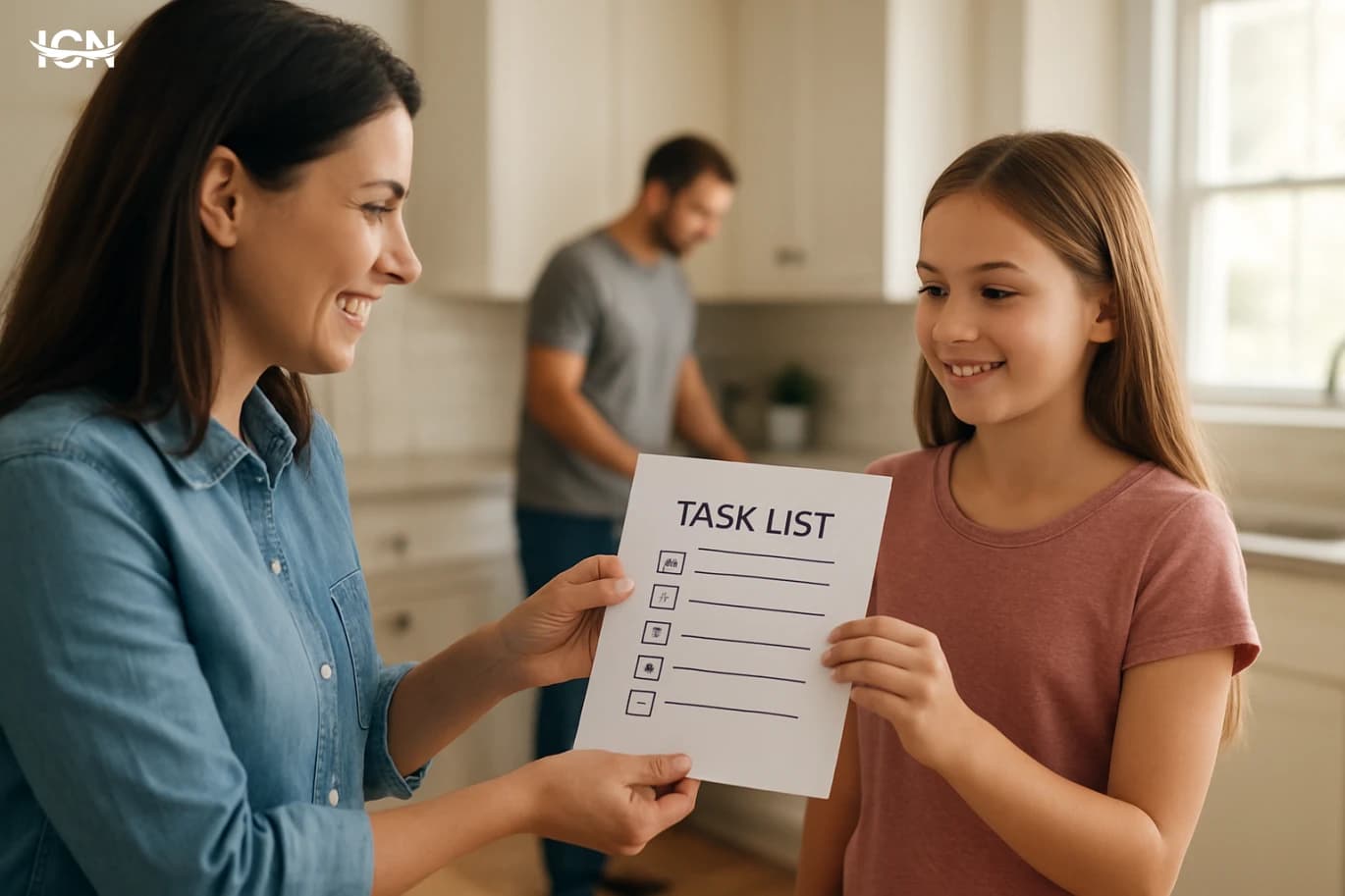
Even when women appear to excel at multitasking, there are clear limits. Frequent task switching can reduce deep focus, increase stress, and create a constant sense of urgency. In family life, the biggest risk is that one person becomes the default manager of everything, while others become passive participants. Over time, this imbalance can lead to burnout and lower overall household efficiency, because the system depends on a single coordinator. A practical approach is to separate “doing tasks” from “owning tasks.” Ownership means being responsible for planning, supplies, timing, and follow-up—not just helping when asked. Families can assign ownership areas such as school communication, grocery planning, bill tracking, or weekend scheduling. When ownership is shared, multitasking pressure decreases and performance improves for everyone. Another useful step is creating a weekly 15-minute coordination check-in. The goal is to review upcoming appointments, identify high-pressure days, and agree on who handles what. This reduces last-minute surprises that force frantic multitasking. Finally, families can standardize information: one shared calendar, one shopping list app or notebook, and clear rules for updating them. When information is centralized, the household does not rely on one person’s memory. The real takeaway is that women’s multitasking advantage often reflects experience, systems, and expectations. Recognizing that helps families and workplaces move from admiration to practical design: distribute responsibilities, support planning tools, and protect time for focused work when it matters.