The Filter Beauty Obsession
- A new standard on every screen
- What filters do to perception
- Mental health and body image risks
- Cosmetic procedures and the filter effect
- Media literacy and healthier habits
A new standard on every screen
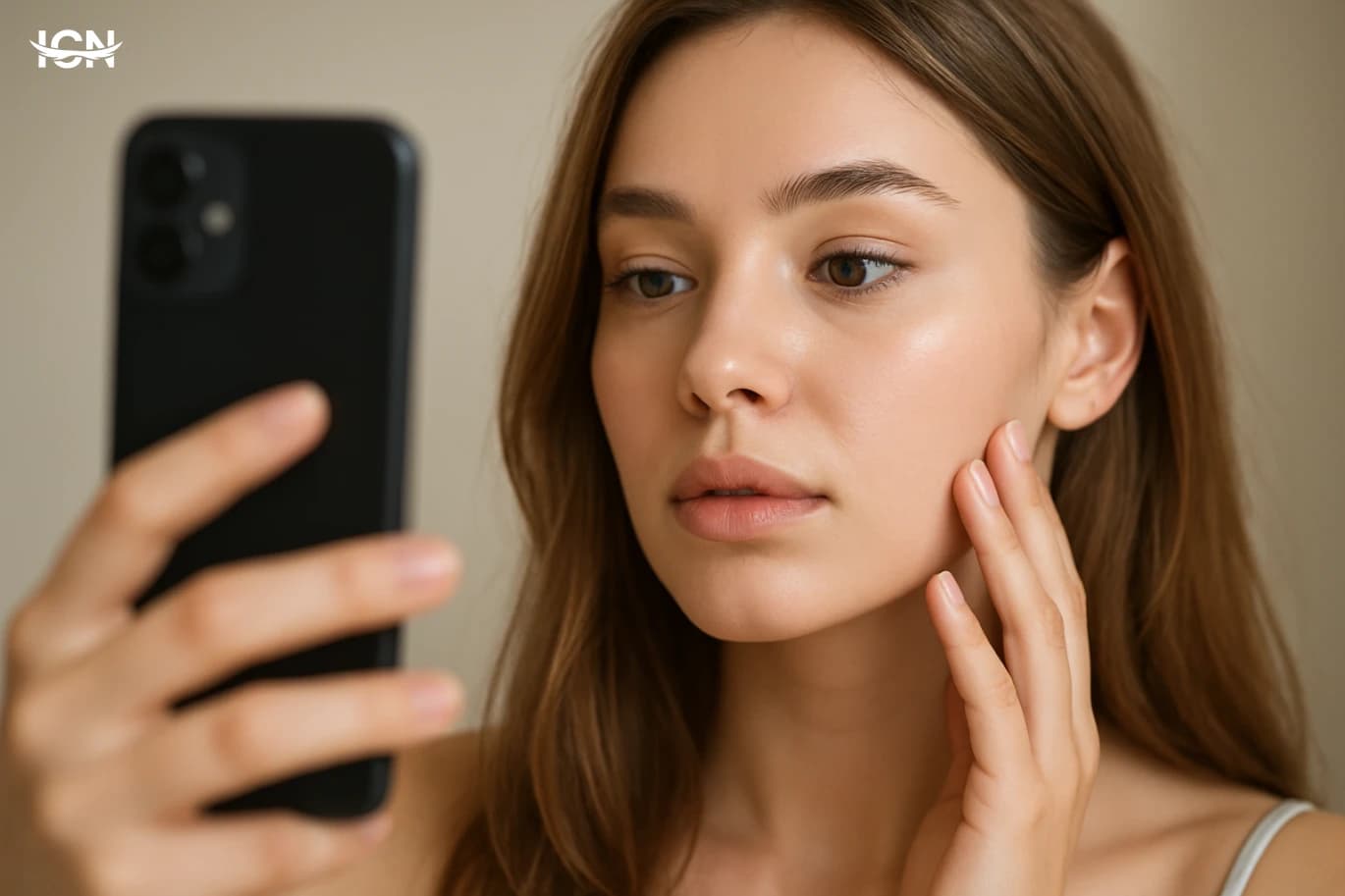
Beauty filters moved from being a playful feature to a daily visual standard. On platforms like Instagram, Snapchat, and TikTok, smoothing skin, reshaping noses, enlarging eyes, whitening teeth, and changing jawlines can be done in seconds. The result is a constant stream of faces that look similar: poreless skin, symmetrical features, and uniform lighting. For many users, especially teens and young adults, this repeated exposure quietly shifts expectations about what “normal” looks like in real life. This shift is not only cultural; it has practical consequences. People increasingly compare their unedited appearance to an edited version of themselves, not to other people. That comparison is difficult to “win” because the filtered image is built on software that removes texture, reduces shadows, and alters proportions. In everyday settings—work, school, family gatherings—real faces have pores, uneven tone, and natural asymmetry. When the online baseline is artificially perfected, ordinary human variation can start to feel like a flaw. The obsession is reinforced by measurable feedback. Likes, comments, and follower growth often increase with highly edited images, creating a reward loop. Over time, some users report feeling reluctant to post without filters, avoiding front-camera photos, or deleting images that show natural skin texture. These behaviors may look minor, but they can shape self-image and social confidence in a persistent way.
What filters do to perception
Filters work by changing cues the brain uses to judge health and attractiveness: skin uniformity, facial symmetry, and light reflection. When these cues are consistently enhanced, the brain recalibrates. People may start to perceive normal features—under-eye shadows, smile lines, acne marks, or uneven pigmentation—as abnormal. This is one reason why some users feel “worse” after scrolling, even if they were not initially focused on appearance. Another effect is the narrowing of beauty diversity. Many popular filters are trained or designed around limited templates: lighter skin tones, smaller noses, fuller lips, and specific face shapes. Even when users do not consciously endorse these ideals, repeated exposure can influence preferences and self-evaluation. This can be particularly harmful in multicultural societies where a wide range of natural features should be represented. The perception shift also affects how people interpret others. In social settings, someone may look “tired” or “older” simply because they do not match the filtered standard. This can change interpersonal judgments at work or in dating, where first impressions matter. The gap between online presentation and offline reality can create disappointment, mistrust, or pressure to maintain a curated image at all times.
Mental health and body image risks
From a medical and public health perspective, the filter obsession intersects with body image dissatisfaction, anxiety, and depressive symptoms. Research in psychology consistently links heavy social media use—especially appearance-focused content—to higher rates of body dissatisfaction. Filters intensify this by offering an “ideal self” that is always available and always improved. For some people, this becomes a daily reminder of perceived shortcomings. A growing concern discussed by clinicians is “Snapchat dysmorphia,” an informal term describing patients who seek cosmetic procedures to look like their filtered selfies. While it is not a formal diagnosis, it reflects a real trend: consultations where the reference photo is an edited image with altered proportions. This can complicate medical decision-making because the requested outcome may be anatomically unrealistic or unsafe. The risks are higher for adolescents, who are still forming identity and self-esteem. Constant evaluation through comments and comparison can increase social anxiety and perfectionism. Warning signs include compulsive checking of selfies, distress when seeing unfiltered photos, avoiding social events due to appearance concerns, and spending excessive time editing images. When these patterns interfere with school, relationships, or daily functioning, mental health support is appropriate. It is also important to note that not everyone is affected the same way. Some users treat filters as entertainment and experience no distress. The problem emerges when filters become the default, when self-worth depends on edited images, or when the online persona feels impossible to maintain offline.
Cosmetic procedures and the filter effect
The popularity of filters coincides with the mainstreaming of cosmetic dermatology and minimally invasive procedures. Treatments like botulinum toxin injections, dermal fillers, skin resurfacing, and teeth whitening are widely marketed and often presented as quick fixes. Filters can act as a visual “preview,” encouraging people to pursue similar changes in real life. The challenge is that a filter’s result is not constrained by anatomy, aging patterns, or skin biology. In clinical practice, responsible providers emphasize realistic goals, facial harmony, and safety. A filtered selfie may show an unnaturally narrow nose bridge, an exaggerated jawline, or perfectly even skin tone without texture. Attempting to replicate these features can lead to over-treatment, unnatural results, or complications. Fillers, for example, carry risks such as vascular occlusion, infection, and long-term swelling; these are medical procedures, not beauty accessories. There is also a broader economic and social dimension. The beauty industry benefits from insecurity-driven demand, while users bear the costs: repeated treatments, product cycles, and time spent managing appearance. This does not mean cosmetic care is inherently wrong. Many people pursue dermatologic or cosmetic treatments for acne scarring, asymmetry after injury, or age-related changes and feel satisfied. The key issue is motivation: seeking care based on personal comfort and informed consent is different from chasing a moving digital target. A practical step for patients is to bring multiple reference images, including unedited photos in neutral lighting, and to discuss what is achievable. Ethical clinicians will screen for unrealistic expectations and may recommend counseling when body image distress is the primary driver.
Media literacy and healthier habits
Reducing harm does not require abandoning social media, but it does require clearer boundaries and better media literacy. One effective approach is to diversify the feed: follow creators who show natural skin, different ages, and varied body types; mute accounts that trigger comparison; and limit exposure to heavily edited content. Small changes in what you see daily can shift the baseline back toward reality. Another practical habit is to separate “camera face” from “real face.” Front cameras distort proportions, and certain lighting exaggerates texture or shadows. Taking photos in neutral daylight, at a normal distance, can reduce distortion. For those who feel compelled to edit, setting a rule—such as no reshaping tools, only basic brightness adjustments—can prevent the slide into unrealistic self-presentation. For parents and educators, the focus should be on skills rather than bans. Discuss how filters work, why platforms reward certain looks, and how advertising blends into influencer content. Encourage teens to question what they see and to notice emotional changes after scrolling. Schools can integrate short modules on digital image manipulation and body image, similar to lessons on nutrition or substance use. When distress is significant, professional help matters. Cognitive behavioral therapy and other evidence-based approaches can address appearance-related anxiety and compulsive checking. In medical settings, dermatologists and cosmetic clinicians can also play a role by normalizing skin texture, explaining realistic outcomes, and screening for body dysmorphic concerns. The goal is not to reject beauty or self-care, but to restore choice: using filters as an optional tool rather than a requirement for feeling acceptable.