The Egyptian team
- Who manages the Egyptian national team? Basic information
- General information about the Egyptian national football team (The Pharaohs)
- Egypt national football team nicknames: Why are they known as "The Pharaohs"?
- The Egyptian national team and the continental throne: a record of seven African titles
- The Egyptian Team: Regional Power and Membership of Arab Federations
- The current generation of the Egyptian national team: led by Mohamed Salah and global stardom
- Pharaohs' Technical Management: The Return of General Hossam Hassan 2026
- Cairo International Stadium: The Beating Heart of the Egyptian National Team
- Comparison between the golden generations
- Continental Comeback: The Pharaohs' Achievement in the 2025 Africa Cup of Nations
- FAQs About the Egyptian National Team
Who manages the Egyptian national team? Basic information
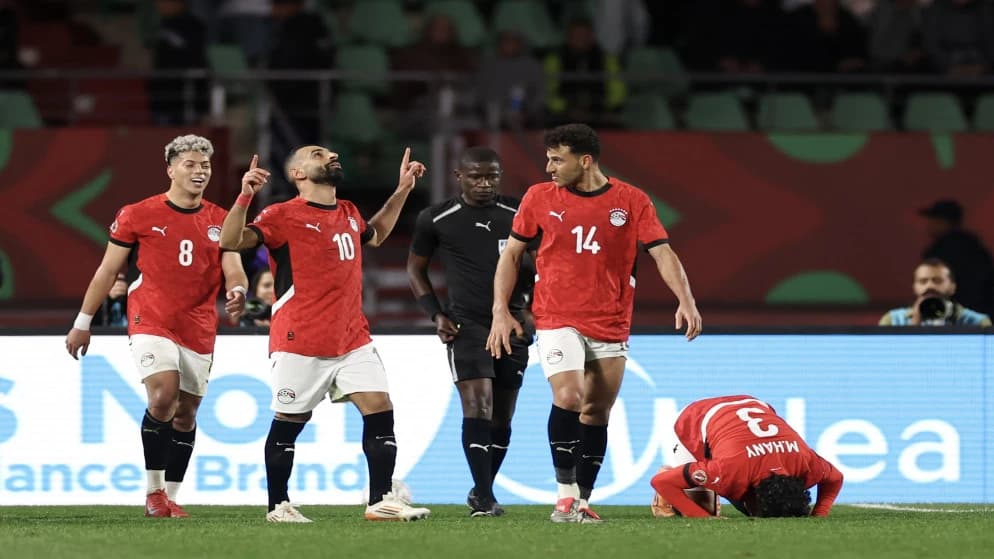
The most prominent titles and nicknames when you talk about the Egyptian football team, you talk about a range of titles linked to its rich history: The Pharaohs: This is the most prominent and internationally renowned name, reflecting the ancient Egyptian civilization. Nile Crocodiles: A less used nickname, but it reflects the power associated with the eternal Nile River. The Prostrating Team: This title became famous after the team won consecutive championships, where players would prostrate in thanks to God after each goal or victory. Where does the Egyptian national team play? The main headquarters for the Egyptian national team is the Cairo International Stadium. This historic stadium has witnessed most of the major achievements of 'The Pharaohs' and has been a stage for the brilliance of stars from the generation of Ahmed Hassan and Hossam Hassan to the current captain Mohamed Salah. The Egyptian team continues to make history under the patronage of the Egyptian Football Association, maintaining its advanced ranking in the global FIFA lists, reaffirming its position as a formidable African giant.
General information about the Egyptian national football team (The Pharaohs)
The Egypt national football team represents the football identity of Egypt on the international stage and carries the official FIFA code: EGY. As a powerhouse in African football, the Egyptian national team participates under the African Football Confederation (CAF), in addition to being an active member of the Union of North African Football Federations (UNAF) and the Union of Arab Football Associations (UAFA). In short, when we talk about the Pharaohs, we are referring to a dominant success story in the continent's history.
Egypt national football team nicknames: Why are they known as "The Pharaohs"?
"The Pharaohs": The official and popular title, the most famous and closely linked with the country's great history, is the Pharaohs. This title is directly inspired by the ancient Egyptian civilization, spanning thousands of years, embodying historic grandeur and strength. The Pharaohs title is officially and popularly recognized worldwide for the Egypt national football team and is used by the Egyptian Football Association (EFA) in all international and continental events organized by the Confederation of African Football (CAF). Main other titles of the Egyptian national team Besides the main title, there are other titles describing the strength of the Egyptian national team or the behavior of its players on the field: The Pharaohs: This is the primary title representing the historical and national identity of the team. Nile Crocodiles: This title refers to the strength and toughness of the Egyptian football team players and their deep connection to the great Nile River, the source of life in Egypt. The Prostrating Team: This distinctive title emerged after the team players became famous for their ritual of prostrating in thanks to God after scoring goals, reflecting the spiritual side of the players. All these titles contribute to defining the identity of the Egyptian team for the world, which is one of the oldest teams in the Confederation of African Football and in the Arab region (UAFA).
The Egyptian national team and the continental throne: a record of seven African titles
Leading African Football: Egypt and CAF (CAF) The leadership of the Egyptian national team goes back to its roots, as it is one of the founding members of the Confederation of African Football (CAF). The Egyptian team did not stop at founding, but won the inaugural edition of the championship in 1957, thus confirming its football superiority and leadership in African football. The modern golden era of the Pharaohs (2006 - 2010) The period from 2006 to 2010 is considered the modern golden era for the Egyptian national team. These four years witnessed an unprecedented achievement by the Pharaohs, represented by winning three consecutive African Cup of Nations titles. This impressive record solidifies Egypt's position as a major force in the Confederation of African Football.
The Egyptian Team: Regional Power and Membership of Arab Federations
Egypt's position as a regional football powerhouse is affirmed through its active membership in major non-CAF football associations. The Egyptian national team is a key member of the Union of Arab Football Associations (UAFA), which organizes tournaments for Arab national teams and clubs. Additionally, the Egypt football team regularly participates in the North African Football Union (UNAF) tournaments, enhancing regional competitiveness with neighboring teams. These regional commitments position the Egyptian national team, managed by the Egyptian Football Association (EFA), as an undeniable force in both regional and global FIFA rankings. The Pharaohs' impact on international rankings is not only about winning titles but also aims to improve the Egyptian national team's position in the monthly FIFA rankings, which affects the seeding in continental and international qualifiers. The Egyptian national team remains a symbol of continental success, keen to reaffirm its dominance in both African and Arab spheres.
The current generation of the Egyptian national team: led by Mohamed Salah and global stardom
Mohamed Salah has etched his name in gold in the history of the Egyptian national football team as he became the team's all-time top scorer, surpassing records that stood for decades. These individual achievements contribute to raising the Egyptian team's ranking in the CAF and FIFA lists. The role of veteran players in the history of the Egyptian team, such as Ahmed Hassan, cannot be overlooked. Ahmed Hassan, formerly the world's most capped player according to FIFA rankings, remains an example of perseverance and strong leadership within the Pharaohs' ranks.
Pharaohs' Technical Management: The Return of General Hossam Hassan 2026
This decision came amid great hopes to restore the fighting spirit and defensive and offensive solidity that distinguished the national team, especially in continental competitions under the umbrella of the Confederation of African Football (CAF). The auxiliary technical structure: Experience serving Egypt's national team to ensure sustainability and strength. The Egyptian Football Association is keen to build a comprehensive technical structure around Brigadier General Hossam Hassan. The assisting staff includes names with extensive experience in training the national team and football in Egypt, reflecting the association's desire to make the most of local talents. Additionally, expert Alaa Nabil plays an important supervisory role as the Technical Director of the Egyptian Federation. This role aims to ensure effective coordination between all national teams and to unify the technical vision of the Pharaohs at all age levels, serving the future of the national team. Challenges of the new management: The new technical management of Egypt's national team faces major challenges, most notably ensuring the national team's qualification for the World Cup and maintaining the Egyptian team's dominance in the Confederation of African Football championships. Hossam Hassan's vision relies on the prominent leadership of international star Mohamed Salah and the integration of a new generation of young players to infuse new blood into the ranks of the Pharaohs.
Cairo International Stadium: The Beating Heart of the Egyptian National Team
Despite the continental dominance and absolute control of the Egyptian national team within the Confederation of African Football (CAF), the record of Egypt's participation in major international tournaments remains limited. This contrast characterizes Egypt's football history, as attention turns towards balancing African records with honorable appearances in the World Cup. Historical appearance of the Egyptian national team in the World Cup Egypt has participated in the World Cup finals only three times, which is a modest number compared to the team's achievements in African football, but it places the Egyptian national football team among the elite few African teams that achieved that. 1934: This was the first and oldest appearance for the national football team, marking an unprecedented African and Arab precedent. 1990: After a long absence, the Pharaohs returned to participate in the Italy World Cup. 2018: The last appearance was in the Russia edition, led by the global star Mohamed Salah. FIFA Ranking and its strategic importance The Egyptian Football Association (EFA) places great importance on the FIFA ranking for teams to ensure easier draws in the preliminary stages of continental and world qualifiers. The Egyptian Association continuously works to improve the Egyptian national team's global position, to enhance Egypt's status in the African and international football map. This ranking is a true measure of the level of the Egyptian national football team and directly affects the strategy of building the national team.
Comparison between the golden generations
The era of individual stardom (Mohamed Salah's generation) Conversely, the national team currently (Generation 2026) relies significantly on the global individual stardom of its captain Mohamed Salah. While Salah possesses an extraordinary ability to decide matches, this reliance puts enormous pressure on the Liverpool star. This setup creates a different challenge for the Egyptian team, where there must be a balance between individual creativity and the collective system to ensure control continues in the CAF arena and strong competition in FIFA qualifiers. Pharaoh Legends: Most Represented in the Egyptian Team To understand the depth of the Pharaohs' history, we review data on prominent players who represented the Egyptian team, forming the basis for comparison between these historical generations: Player Position Approximate International Appearances Major Achievement Notes Ahmed Hassan Midfielder/Winger 184 Former world’s most capped player, 4 African titles Most represented player for Egypt Hossam Hassan Striker 176 Former top scorer, 3 African titles Current Pharaohs' head coach Essam El-Hadary Goalkeeper 159 Oldest player in the World Cup, 4 African titles Goalkeeping legend Mohamed Salah Right Winger 100+ Egypt’s historical top scorer Current team captain These statistics show that the Egyptian national football team has a rich legacy of players who have left their marks on the African and global stage, enhancing Egypt's stature in African football history.
Continental Comeback: The Pharaohs' Achievement in the 2025 Africa Cup of Nations
Future Challenges: Maintaining stability and preparing for the World Cup Despite the recent achievement, the Egyptian national team faces fundamental challenges that must be addressed to ensure the continuity of the Pharaohs' success. These challenges include maintaining technical and administrative stability and ensuring success in the upcoming World Cup qualifiers under FIFA supervision. Additionally, developing young talent in men's football remains a top priority for the Egyptian Football Association (EFA). You should know that competition in African football is becoming more intense and stronger year after year, requiring Egypt's national team to double its efforts to maintain its continental position. Building a new generation capable of carrying the banner of the Egyptian national team is the key to returning to the global stage and confirming Egyptian football's dominance.
FAQs About the Egyptian National Team
The Egyptian national team holds the continental record for the number of victories in the Africa Cup of Nations, having won the title seven times. This achievement confirms the football team's dominance on the African scene under the umbrella of the Confederation of African Football (CAF). Who is the current manager of the Egypt team? The current manager of the Egyptian national team is the football legend Hossam Hassan. The 'Colonel' took over the national team leadership in 2026 after a decision by the Egyptian Football Association (EFA), aiming to build a new generation of the Egyptian football team. Who is the most capped player in the team's history? The most capped player in the history of the Egyptian national team is the historic captain Ahmed Hassan. The 'Colonel' recorded 184 international matches, a record recognized by the International Federation of Association Football (FIFA) in the men's football category. What is the main stadium for the team? The main stadium for the Egyptian national team is Cairo International Stadium. This iconic stadium is considered the primary venue hosting the Pharaohs' most important matches in World Cup qualifiers and continental tournaments.