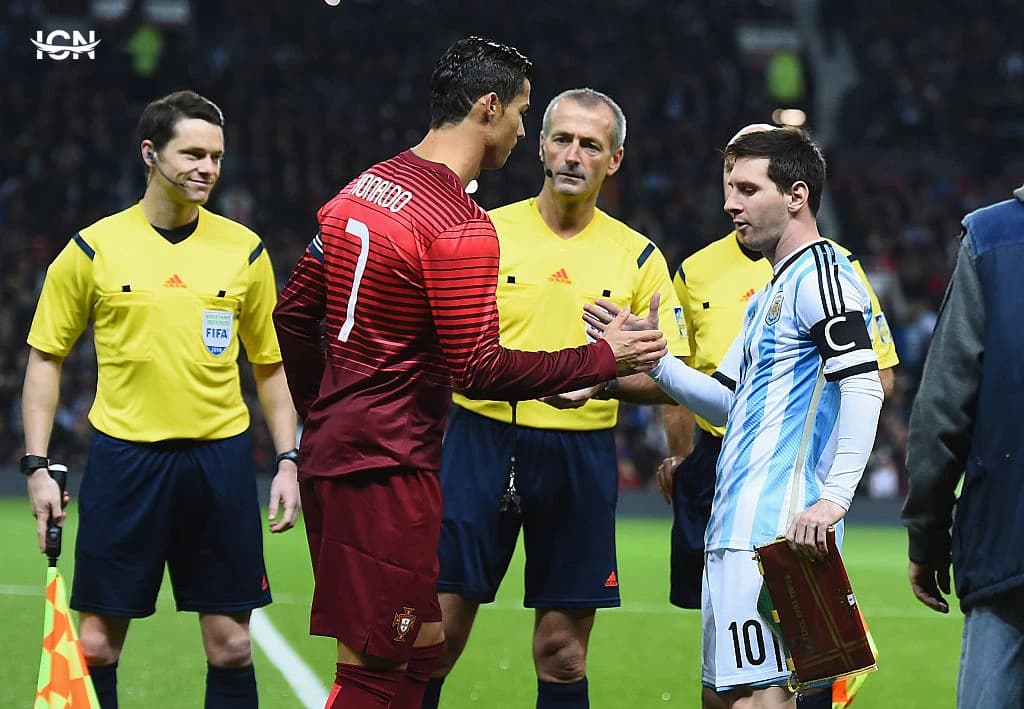
Argentina’s 36-Year Echo in World Cup Finals

- A milestone framed by history
- The tactical spine behind the run
- Leadership and the weight of expectation
- How the semifinal was won
- What the 36-year parallel really means
- Final outlook and the practical keys
A milestone framed by history
Argentina’s return to the World Cup final carried an immediate historical headline: repeating a feat last achieved 36 years earlier. The comparison is not only about dates; it is about how a national team navigates pressure, expectation, and the narrow margins of knockout football. In both eras, Argentina arrived at the decisive stage with a clear identity, a leader who shaped matches, and a squad built to survive different types of games. The modern run to the final was defined by control in key moments rather than constant dominance. Argentina managed tempo, protected leads, and showed a willingness to adjust its approach depending on the opponent. That flexibility is often what separates semifinalists from finalists. The team’s path also highlighted a recurring World Cup truth: a side does not need to be perfect for 90 minutes in every match, but it must be reliable in the moments that decide outcomes. This milestone also matters because it connects generations of supporters. A 36-year gap is long enough for the memory of the earlier achievement to become a reference point more than a lived experience for many fans. Reaching another final turns that reference into a current reality, giving the country a new chapter to discuss alongside the older one, with fresh details, new heroes, and a different football landscape.
The tactical spine behind the run
Argentina’s semifinal qualification was not a single-player story, even if the spotlight naturally followed the captain. The team’s structure was built around a stable defensive base, a midfield that could both press and keep the ball, and a forward line capable of turning limited chances into goals. Across the tournament, Argentina showed a preference for compact spacing between lines, reducing the opponent’s ability to play through the center. A key feature was the balance between risk and security. Fullbacks and wide players chose their moments to advance, while central defenders focused on winning first contacts and protecting the box. In midfield, Argentina often relied on quick vertical passes when transitions were available, but it also slowed the game when protecting an advantage. This ability to switch gears is a hallmark of teams that reach finals. Set pieces and rest-defense also played a role. Argentina looked organized when attacking corners and free kicks, but equally important was how it positioned players to prevent counterattacks after losing the ball. In knockout matches, one poorly managed transition can decide everything. The team’s attention to these details suggested a staff that prepared for specific match states: leading, chasing, and managing the final minutes. The result was a run that felt planned rather than improvised. Even when matches became tense, the team rarely looked disjointed. That cohesion is often the product of clear roles: who presses, who covers, who carries the ball, and who stays to protect. In a World Cup, clarity can be as valuable as creativity.
Leadership and the weight of expectation
Every World Cup finalist needs leadership that holds up under scrutiny. For Argentina, leadership was visible in how the team responded to difficult phases: conceding chances, facing momentum swings, or managing a narrow lead. The captain’s role extended beyond goals and assists; it included calming teammates, choosing when to accelerate play, and drawing fouls to relieve pressure. Those are small actions that rarely dominate highlights but often decide knockout matches. The coaching staff’s leadership mattered as well. Tournament football rewards teams that learn quickly. Argentina adjusted personnel and shapes when needed, and it showed an ability to prepare for opponents with different profiles. That preparation is reflected in pressing triggers, defensive matchups, and the way the team attacked specific spaces. In a semifinal, these choices can define the first 20 minutes, when nerves are highest and mistakes are most likely. Expectation is a constant companion for Argentina at World Cups. The country measures success in titles and finals, not in respectable exits. That pressure can paralyze teams, but it can also sharpen focus. Argentina’s run suggested a group that accepted the weight rather than fighting it. The players looked comfortable with the idea that every match would be judged historically. The 36-year reference adds another layer: it invites comparisons between icons, eras, and styles. Yet the most practical takeaway is that leadership, in modern football, is collective. A captain can set the tone, but a final is reached when multiple players deliver reliable performances across several matches. Argentina’s journey showed that blend: star power supported by consistency.
How the semifinal was won
Semifinals are often decided by a handful of sequences: an early goal that changes the plan, a defensive lapse, or a moment of individual quality. Argentina approached the match with a clear intention to control central areas and force the opponent into lower-percentage attacks. When the team had the ball, it tried to create advantages through quick combinations and timely runs behind the defense, rather than relying only on crosses. Defensively, Argentina’s compactness reduced space between midfield and defense, making it harder for the opponent to receive comfortably between the lines. The team also showed discipline in tracking runners, which is essential when opponents try to overload wide areas or attack the half-spaces. In a semifinal, preventing the opponent from building sustained pressure is often as valuable as creating chances. The match management after taking the lead was a defining element. Argentina avoided unnecessary chaos, used possession to slow the tempo, and chose moments to press higher when the opponent looked vulnerable. Substitutions were used to maintain intensity and protect key zones, especially late in the game when fatigue increases the risk of errors. The broader lesson from the semifinal was that finals are earned through control of details. Argentina did not need a perfect performance in every phase; it needed a performance that minimized gifts to the opponent and maximized the value of its best moments. That is the profile of a team built for knockout football.
What the 36-year parallel really means
The phrase “repeating what happened 36 years ago” is powerful, but it can also be misunderstood if treated as a simple copy of the past. Football has changed in training methods, sports science, tactical complexity, and the physical demands placed on players. The modern World Cup is played at higher intensity, with deeper analysis of opponents and more specialized roles. What remains comparable is the emotional and institutional significance of reaching the final. For Argentina, it signals that the national team has managed to align talent, planning, and execution at the right time. It also suggests that the federation and coaching staff have built a competitive environment that can handle a month-long tournament, where recovery, rotation, and mental preparation are as important as the starting lineup. The parallel also highlights continuity in Argentine football culture: a strong relationship between street-level creativity and disciplined match management. Argentina’s best teams historically combine flair with a pragmatic understanding of how to win. In this run, that combination appeared in the willingness to defend compactly, the patience to wait for openings, and the ability to produce decisive actions when they mattered. Ultimately, the 36-year echo is less about nostalgia and more about standards. It reminds everyone that Argentina’s benchmark is the final itself. Reaching it again reinforces that identity and sets a clear expectation for the last match: performance under maximum pressure, with history watching but the present demanding results.
Final outlook and the practical keys
With a place in the final secured, the conversation shifts from celebration to preparation. Finals are different because the margin for correction is minimal. Argentina’s most practical priorities are clear: maintain defensive concentration, avoid cheap turnovers in central zones, and ensure the midfield can compete physically without losing composure. The team’s ability to manage the first 15 minutes will be critical, as finals often begin with high intensity and emotional energy. In attack, Argentina will look to create high-quality chances rather than a high volume of shots. That means using the captain and other creators to draw defenders, then exploiting the spaces that open for runners. Efficiency in the penalty area, whether through open play or set pieces, can decide the trophy. Squad depth and game-state planning will matter. If Argentina leads, it must keep the ball intelligently and defend transitions. If it trails, it needs structured risk: pushing numbers forward without losing the rest-defense that has protected it throughout the tournament. Substitutions should be prepared not only for fatigue but for tactical shifts, such as adding pace, reinforcing midfield control, or protecting wide areas. The historic angle will remain in every headline, but the final will be decided by contemporary details: duels won, second balls recovered, and the ability to stay organized under stress. Argentina has already matched a landmark from 36 years ago by reaching the final again. The last step will depend on whether it can repeat the most difficult part: delivering its best performance when the stage is at its loudest.