Inside the Esports World Cup
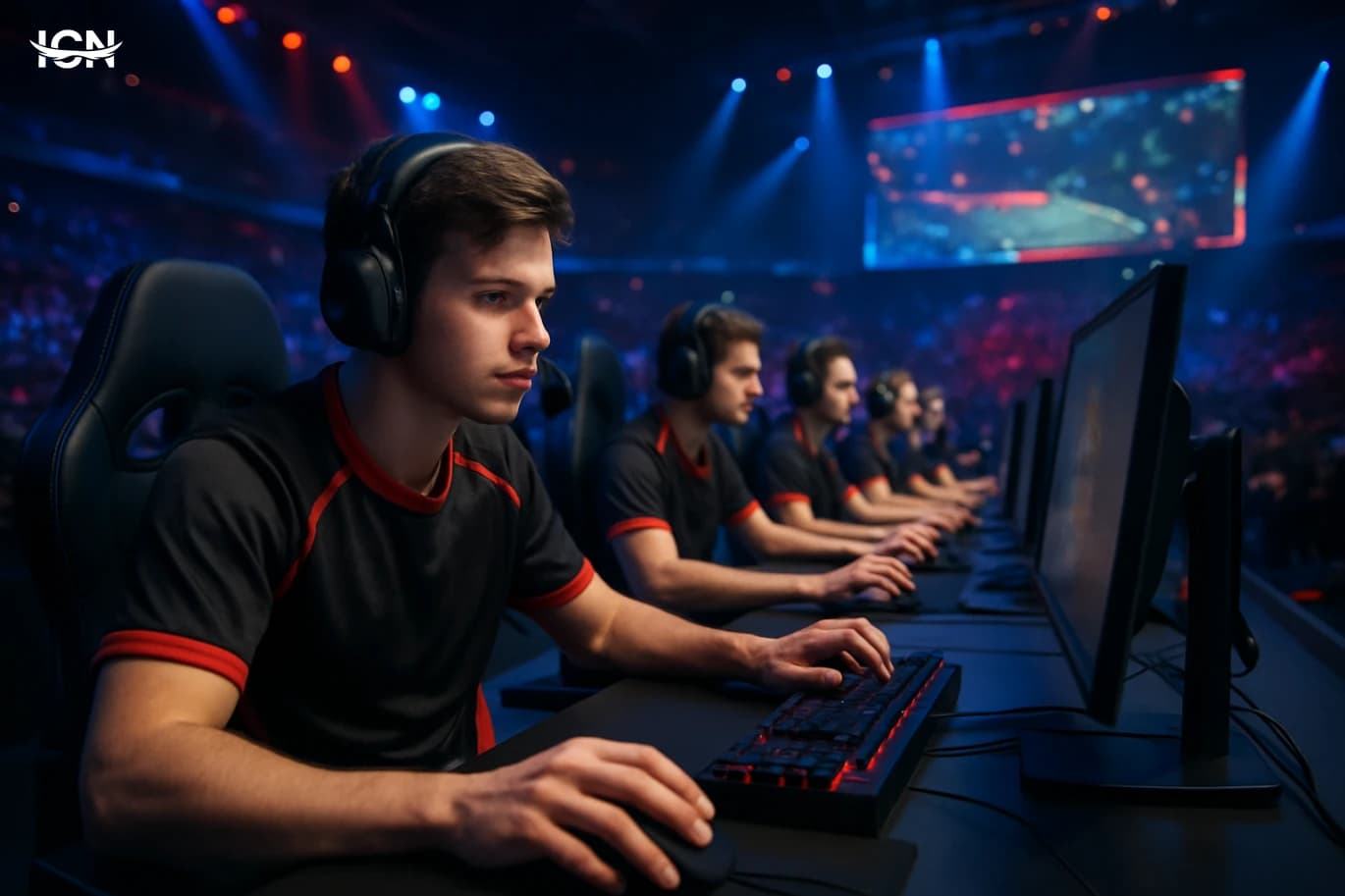
- What the Esports World Cup Is
- How Teams Qualify and Prepare
- Tournament Formats and Viewer Experience
- Business Impact on Clubs and Players
- Technology, Integrity, and Fair Play
- What to Watch in the Next Editions
What the Esports World Cup Is
The Esports World Cup is a multi-title international competition that brings top professional players and clubs into one seasonal event. Unlike single-game world championships, it is designed as a festival-style tournament calendar where several esports titles run in parallel, each with its own format, prize pool, and qualification routes. The idea is to create a single destination that fans can follow across different games while giving teams a reason to field rosters in more than one title. A key feature is the club-based layer that sits above individual tournaments. Many esports events crown champions per game, but a world-cup model also rewards organizations that perform consistently across multiple titles. That approach changes how clubs plan their year: they may invest in coaching, analytics, and player development across several divisions rather than focusing on one flagship roster. For viewers, it creates a broader narrative that connects separate competitions into one season-long story.
How Teams Qualify and Prepare
Qualification typically combines direct invitations for elite teams with performance-based slots from regional leagues, international majors, and ranking systems that reflect results over time. This structure helps balance two goals: ensuring the biggest names appear on the main stage while keeping pathways open for emerging teams that prove themselves in official circuits. For players, the calendar matters as much as the bracket. Travel, practice blocks, and patch changes can all influence performance, so teams plan months ahead. Preparation is increasingly professional. Top organizations run structured training schedules that include scrims, review sessions, and opponent scouting. Analysts track map tendencies, draft patterns, and in-game economy decisions, then translate that into clear plans for players. Coaches also manage mental and physical routines, because long tournament days can include multiple matches, media obligations, and constant adaptation to new opponents. In a multi-title event, clubs face an additional challenge: coordinating several rosters at once, aligning support staff, and maintaining consistent standards across different games.
Tournament Formats and Viewer Experience
Because each esports title has its own competitive culture, formats vary widely. Some games favor group stages leading into double-elimination playoffs, while others rely on Swiss systems, best-of series, or league-style rounds. The advantage of a world-cup umbrella is that it can standardize production quality even when competitive rules differ. Fans can expect consistent scheduling, clear broadcast graphics, and reliable match coverage across multiple streams. The viewer experience is built around accessibility and storytelling. Broadcasts typically include pre-match analysis, live statistics, and post-match breakdowns that explain key turning points without assuming every viewer is an expert. On-site, large events often provide fan zones, team merchandise, sponsor activations, and opportunities to watch multiple games in one venue. Digitally, highlights and short recaps are essential because many matches happen simultaneously. A well-run event makes it easy to follow favorite teams while also discovering new titles and players through curated content.
Business Impact on Clubs and Players
A world-cup scale event can reshape the economics of esports by concentrating sponsorship attention, media rights value, and brand partnerships into a single period. For clubs, strong performance can translate into higher visibility, better sponsor negotiations, and increased merchandise sales. It also encourages organizations to think in portfolios: investing in multiple rosters to compete across titles, which can diversify revenue but also raises costs for staffing, travel, and infrastructure. For players, the upside includes larger prize pools, broader exposure, and more opportunities for long-term contracts. However, it also increases competitive pressure. A crowded calendar can lead to fatigue, and performance swings are more visible when the spotlight is intense. Professional support becomes a differentiator: teams with sports psychologists, nutrition planning, and structured rest policies can sustain peak performance longer. The event also influences talent markets, as standout performances often trigger transfers, buyouts, and new sponsorship deals shortly after the tournament.
Technology, Integrity, and Fair Play
Running multiple top-tier tournaments in one event requires robust technical operations. Tournament organizers must deliver stable game servers, low-latency local networks, and standardized equipment so that competitive outcomes reflect skill rather than hardware differences. Broadcast technology also matters: replay systems, observer tools, and real-time data feeds help explain complex moments and keep coverage consistent across titles. Integrity is equally important. Clear rulebooks, transparent penalty systems, and professional officiating protect the credibility of results. Anti-cheat measures, account verification, and controlled match environments reduce the risk of unfair advantages. Another challenge is patch timing. When a game update lands close to competition, teams may have limited time to adapt, so organizers often coordinate with publishers to lock versions or set rules for update windows. These operational details rarely make headlines, but they determine whether a world-cup event feels trustworthy to players, clubs, and fans.
What to Watch in the Next Editions
Future editions will likely be judged by competitive depth, global representation, and the ability to keep multiple communities engaged at once. Fans will watch for how the title lineup evolves, whether qualification routes remain open and merit-based, and how organizers balance star power with opportunities for new regions. Another indicator is scheduling: avoiding overlaps between marquee matches, giving teams adequate rest, and ensuring that each game receives meaningful broadcast attention. On the industry side, observers will track whether club-based scoring systems meaningfully reward multi-title excellence or simply favor the largest budgets. They will also look at how partnerships with publishers develop, including long-term commitments that stabilize calendars and reduce uncertainty for teams. For audiences, the best outcome is simple: a world-cup event that produces memorable finals, clear narratives across games, and a viewing experience that is easy to follow whether you watch one title or many.