The child’s psychological balance after parental separation
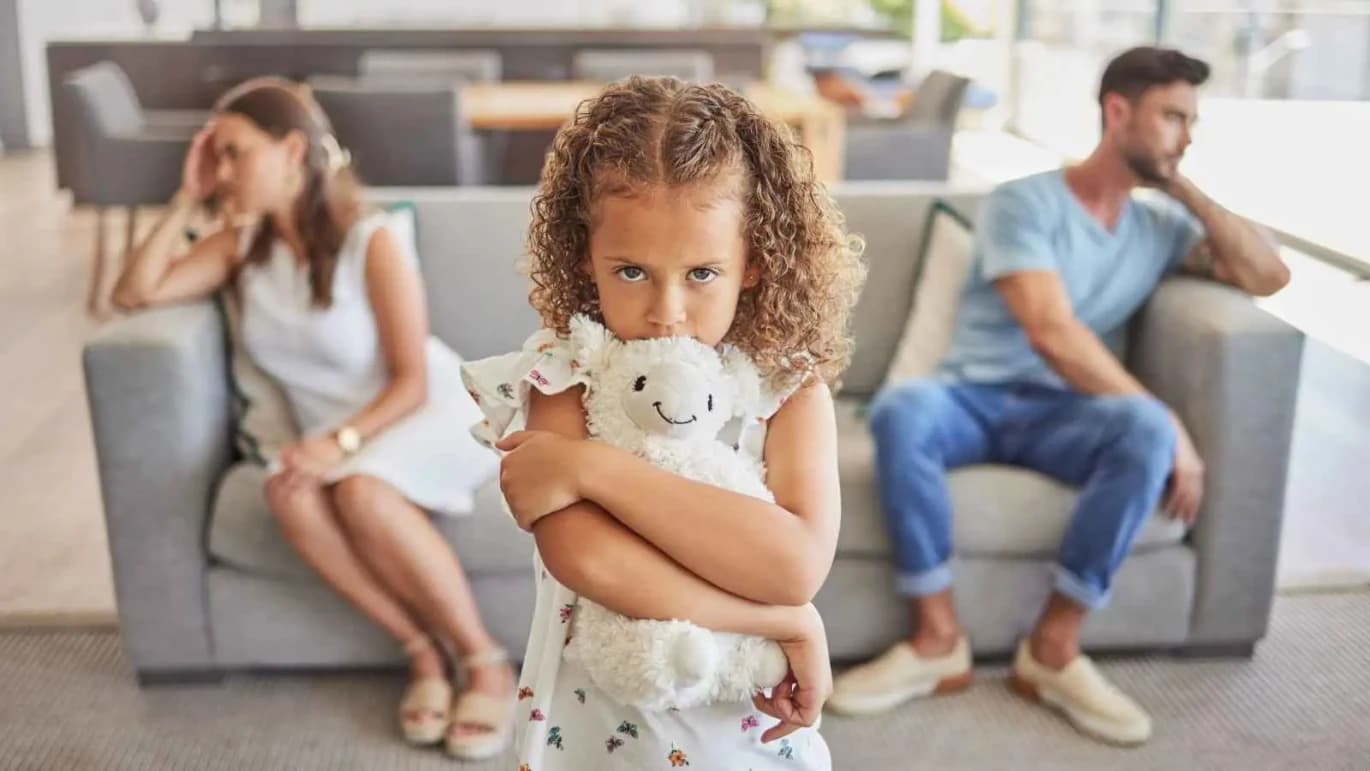
- Children’s Psychological Issues After Separation: Signs to Watch For
- Feelings of Guilt and Anxiety: The Need for Constant Reassurance
- Building a Support Network: Protecting Children from Emotional Deterioration
- Understanding Children's Psychological Issues After Parents' Separation
- The impact of the absence of a parent on a child's sense of security
- Steps to handle children's psychological issues after divorce
- The role of family support and strengthening the support network
- When is specialized psychological intervention necessary?
- Healthy adaptation versus disorder: How can you differentiate between them?
- FAQ: Enhancing a Child's Psychological Balance
Children’s Psychological Issues After Separation: Signs to Watch For
When a child faces the trauma of divorce, they may exhibit unusual behaviors that are actually messages reflecting their struggle with feelings of fear and internal confusion. Some of the most prominent issues include sleep disturbances, loss of appetite, social withdrawal, and a shift toward sudden aggression. You must constantly reassure your child to enhance their psychological stability.
Feelings of Guilt and Anxiety: The Need for Constant Reassurance
This feeling increases anxiety and introversion issues. You must constantly emphasize your love and the love of the other parent for him, and that separation is a decision related to adults and not connected to him, which enhances his self-confidence.
Building a Support Network: Protecting Children from Emotional Deterioration
Your child needs a loving and stable support network to compensate for the emotional loss caused by the absence of a parent, which helps alleviate the negative effects of the separation.
Understanding Children's Psychological Issues After Parents' Separation
You may notice a sharp and sudden change in his usual mood, reflecting the deep emotional impact of divorce on children. One of the most prominent issues is an increased attachment to you as a notable fear of losing you as well, which is a clear sign of the child's anxiety and loss of a sense of security. Your child may also suffer from sudden and frequent crying spells, indicating an internal emotional turmoil resulting from this drastic change. Common behavioral disorders and the impact of the absence of parents. Studies indicate that behavioral fluctuations are closely linked to the absence of a parent and its direct effect on the child's sense of security and psychological stability. Among the most common disorders that you may face are sleep disorders and loss of appetite, which affect the child's growth and well-being. Your child may also exhibit unusual behaviors such as social withdrawal or sudden aggression. You must realize that these behaviors are explicit messages showing the child's struggle with feelings of fear and internal confusion, and they are not merely rebellious acts, but a call for support. Feelings of guilt and anxiety: Why does the child feel responsible? One of the most challenging psychological effects on a child after divorce is the feeling of guilt. This feeling plays a major role as children often believe they are the cause of the separation, which increases their anxiety and withdrawal issues. It is essential to affirm the parent's love for the child constantly and continuously. Use open dialogue to boost self-confidence and clarify that the decision was solely an adult matter. Remember that fostering self-confidence through activities and participation helps achieve healthy adaptation to the new situation. The importance of a safety net: The role of family support. Support from the extended family clearly reduces children's psychological problems after divorce. Having a loving and stable support network is vital to compensate for the emotional loss caused by parental separation. This support should be comprehensive, including both material and moral support, helping to mitigate the negative effects of the separation, ensuring the child's ongoing psychological stability. Effective strategies for dealing with psychological effects. To ensure the child's psychological stability and overcome negative effects, it is necessary to maintain a respectful relationship between the parents (parenting after divorce) and avoid educational mistakes such as blaming the other party. You should dedicate time for calm communication with the child and follow a stable daily routine. Stability in routine helps restore the sense of security lost due to family change. Educational programs or specialized courses, such as those offered by Kenzo and the Mother Academy, can ensure proper handling of post-divorce parenting challenges. When should a psychological specialist be consulted? When increased aggressive behaviors, complete withdrawal, or excessive fear that does not respond to family treatment appear, professional intervention becomes necessary to address children's psychological problems after divorce. Consulting a psychological specialist who helps identify underlying causes and provides a treatment plan suitable for the child's age is advised, often through individual or family sessions to ensure positive adaptation. Tips for the mother to support her child (Noura Mohsen) As a mother, your role is pivotal at this stage. Expert Noura Mohsen advises avoiding negative talk about the other parent, as this increases the child's loyalty conflict. Dedicate time for dialogue and play, and use reassuring words to reinforce the child's psychological health. Remember that taking care of your mental health is a crucial step to protect your child from any negative effects.
The impact of the absence of a parent on a child's sense of security
To overcome this stage, these symptoms should be handled as part of adapting to family change, while ensuring a stable daily routine to enhance his sense of stability and control over his environment. Remember, support from the extended family network clearly reduces children's psychological problems, as it provides a loving and stable support network to compensate for the emotional loss of parents.
Steps to handle children's psychological issues after divorce
The first steps begin with your relationship with your former partner, maintaining respectful and conflict-free communication, even if it's limited. This eases the child's feelings of insecurity resulting from the drastic change in the family structure. The importance of a stable routine as an anchor for security A steady daily routine is the true security anchor for the child, especially after experiencing parental separation. Maintaining the usual order helps reduce anxiety and gives the child a sense of control over their life. Keep sleep and wake times, meal times, and school activities as they were before the separation as much as possible. This balance in daily life reduces the emergence of children's psychological problems associated with loss of stability. Managing complex emotions and boosting self-confidence Your child experiences a wide range of complex emotions, including guilt and anxiety. Remember that many children believe they are the reason for the divorce. Communicate calmly and transparently using simple, age-appropriate language to explain what happened. Always emphasize that the decision to separate was the parents' and that your love for the child is unaffected by this family change. Encourage your child to express mixed feelings, whether it's fear, anger, or excessive attachment, without judgment. Boost their self-confidence by praising small achievements, which supports their mental health. Dealing with behavioral fluctuations and signs of distress Studies indicate that children's psychological problems manifest clearly during the first months after separation, reflected in mood swings and sudden crying fits. Note unusual behaviors that are distress signals showing the child's internal struggle. The most common issues include sleep disturbances, loss of appetite, social withdrawal, and sudden aggressive behaviors. These behaviors require constant reassurance and open dialogue. If you notice the child suffering from severe isolation or excessive attachment to one parent after separation, know that their sense of insecurity requires careful handling. The role of the support network in achieving psychological balance Family support and strengthening the child's support network is vital to alleviate the negative effects of parental separation. Support from the extended family clearly reduces children's psychological problems. Ensure a loving and stable support network, whether from grandparents or relatives, to compensate for the emotional gap caused by the absence of a parent. This support directly contributes to the child's continued sense of security and psychological stability. Important tips for mothers to reduce psychological effects As a mother post-separation, you must be the first safety net for your child. Avoid negative talk or blaming the father in front of the child, as this harms the child's psychological balance and increases feelings of conflicting loyalty. Dedicate time for dialogue and play, and continuously use reassuring words. Also, attention to your own mental health is a fundamental step in protecting your child from any negative effects, as the mother's stability reflects positively on the child. When to consult a psychological specialist? Family treatment alone may not be enough to overcome the psychological effects of divorce. If sleep disturbances or loss of appetite persist for more than a month, or uncontrollable aggressive behaviors or excessive fear appear, this indicates the need for intervention. Seeking a psychological specialist or certified therapist helps identify the root causes of these behavioral problems and provide a treatment plan suitable for the child's age. Utilizing specialized educational programs, like those offered by reputable academies, can enhance the child's ability to adapt healthily to family change. Remember, the goal is to achieve healthy adaptation and bring the child to psychological stability after parental separation.
The role of family support and strengthening the support network
Seeking specialized support and educational courses, parenting challenges after separation can be complex, especially when behavioral issues or emotional disorders arise in the child. In this case, the mother should look for specialized support sources. Institutions like Kanz Academy and Al-Ummah offer specialized courses in this field, to help mothers deal with the psychological effects of divorce. These courses, often supervised by specialists like Noora Mohsen, provide practical tools for managing parenting challenges after separation, and aid in achieving the child's psychological balance and ensuring healthy adaptation to family changes.
When is specialized psychological intervention necessary?
If symptoms like sleep disturbances or loss of appetite persist for a long time, it is a clear indication that the child is experiencing psychological distress beyond their ability to cope. The emergence of unusual behaviors like excessive sudden aggression, complete social withdrawal, or exaggerated fear and anxiety are distress signals showing the child's suffering from feelings of fear, internal confusion, and loss of security. Seeking a psychological specialist becomes crucial when family therapy response is weak, and when these behaviors affect the child’s mental health and ability to learn and interact. The psychological specialist helps to identify the deep causes of children's psychological problems after divorce. They also provide an individual or family treatment plan suitable for the child's age, ensuring healthy adaptation and alleviating psychological effects. Continuous support: Utilizing educational programs and courses to obtain reliable and continuous guidance in the field of child mental health, digital resources have become indispensable tools for supporting children post-divorce. You can follow reliable experts, such as Nora Mohsen or content from specialized academies like Kanaz Academy and Al-Um, via major social media platforms. These platforms include Facebook, Instagram, YouTube, and even TikTok and Telegram, in addition to the platform X (Twitter) which offers quick and reliable guidance. Some academies offer comprehensive courses, such as the Divorce and Child Psychological Stability Course, built on strong platforms like WordPress and using advanced display tools. These courses can be easily accessed via smartphone apps available in the Apple Store and Play Store, making support available whenever needed to enhance the child's psychological balance. This external support is part of the support network you and your child need to manage feelings of guilt and anxiety in children after divorce and overcome the effects of parental separation.
Healthy adaptation versus disorder: How can you differentiate between them?
Among the behaviors that raise concern are the emergence of sleep disorders, loss of appetite, or social withdrawal. These unusual behaviors are clear messages showing the child's suffering from feelings of fear and internal confusion, and they may develop to include sudden aggression. These behaviors are a direct result of the impact of a parent's absence on the child's sense of security. Balancing interactions with the child, and avoiding parenting mistakes like blaming, contributes to maintaining their psychological stability. Dealing with feelings of guilt and anxiety plays a major role in worsening anxiety problems in children after divorce. When your child believes they are the reason for the divorce, it increases psychological pressure and drives them toward isolation. Here lies your essential role as a mother after separation, in constantly affirming your love and the father's love for them, and that the decision to separate is an adult matter. This reinforcement of self-confidence, through open dialogue and joint activities, helps the child overcome negative effects and alleviate anxiety. To ensure your child's psychological stability, you must maintain a respectful relationship with the other parent, avoiding negative talk about them, as this familial support and strengthening of the surrounding support network clearly reduces children's psychological problems and ensures healthy adaptation.
FAQ: Enhancing a Child's Psychological Balance
Yes, studies tracking the psychological effects on a child indicate that these effects may extend to influence their emotional and social relationships in adulthood, especially if feelings of guilt and anxiety are not addressed. However, if children's psychological issues post-divorce are handled properly and adequate support is provided, these effects can be significantly reduced, ensuring healthy adaptation to family changes. What is the expected time for a child to adapt to separation? Research tells us that children usually suffer the most during the first two years after their parents' separation. During this period, disorders such as sleep disturbances or loss of appetite may appear as part of their reactions. Yet, with a stable daily routine and calm, continuous communication, healthy adaptation can be achieved in a period ranging between 6 months and a year and a half. The key is to maintain a child's sense of security and psychological stability. How do I deal with sudden aggression in my child? Sudden aggression or severe tantrums are clear messages of the child suffering from suppressed fears or anger due to family changes. The aggressive behavior should not be immediately punished. Instead, provide a safe space for the child to express their anger in acceptable ways, such as practicing sports, drawing, or free play to foster positive interaction. If these behaviors persist or severe social withdrawal appears, a psychological specialist should be consulted to assess the situation and provide a suitable treatment plan. How do I handle the child's feeling of insecurity due to the absence of one parent? The absence of one parent leads to feelings of instability and loss of security in the child. Continuous affirmation that the separation is not their fault and that parental love is constant and unchanged is necessary. Boost the child's self-confidence through open dialogue and activities, and ensure to affirm your love for them constantly to dispel feelings of guilt and anxiety. What is the importance of the family support network in adaptation? The presence of a strong family support network (grandparents, uncles, extended family) clearly reduces children's psychological problems post-separation. This support represents a loving and stable environment that helps compensate for emotional loss and strengthens the child's mental health, which is a decisive factor in successful healthy adaptation. What is the importance of maintaining a respectful relationship with the other parent? Maintaining a respectful relationship is a cornerstone for ensuring the child's psychological balance. This ensures that the child does not feel caught in a 'dual loyalty' or torn between parents, a fundamental piece of advice in post-divorce parenting. Completely avoid negative talk about the other parent. This behavior reduces the child's feelings of guilt and fear and maintains their sense of emotional security, which is vital to mitigating the negative impacts of separation. When is psychological intervention necessary? Despite the importance of family support, consulting a psychological specialist becomes necessary when a child's response to family treatment weakens and unusual behaviors persist for more than six months. Look for a specialist who can help identify the reasons behind sleep disorders, social withdrawal, or aggressive behavior, to ensure the child receives necessary specialized support.