The 30 Minute Strength Plan for Busy Weeks

- Why 30 minutes can be enough
- The simple structure that saves time
- A full 30-minute workout you can repeat
- How to progress without adding time
- Common mistakes in short strength sessions
- How to fit it into a real week
Why 30 minutes can be enough
Many people skip strength training because they assume it requires long sessions, a full gym, and complicated programming. In reality, a focused 30-minute workout can build strength and muscle, improve posture, and support fat loss when it is structured around the right priorities. The key is to reduce “dead time” between exercises, choose movements that train multiple muscle groups at once, and track progress so each week has a clear target. A short session works best when you treat it like an appointment: start on time, follow a plan, and stop when the timer ends. Instead of adding more exercises, you improve the quality of the work you already do—better technique, appropriate load, and consistent effort. This approach is especially useful during busy weeks, travel, or high-stress periods when long workouts are unrealistic but maintaining momentum matters.
The simple structure that saves time
A reliable 30-minute strength session can follow a repeatable template: 5 minutes warm-up, 20 minutes main work, 5 minutes finish and notes. The warm-up should prepare joints and raise temperature without exhausting you. A practical option is 2 minutes of brisk movement (fast walk, bike, or marching in place), then 3 minutes of mobility and activation: hip hinges, bodyweight squats, shoulder circles, and a few controlled push-ups against a wall or bench. For the main work, use two supersets. A superset pairs two exercises back-to-back, then you rest. This cuts downtime while keeping performance high. Choose one lower-body movement and one upper-body movement per superset. Example Superset A: squat pattern plus row pattern. Superset B: hinge pattern plus press pattern. Work for 3–4 rounds per superset, staying 1–2 reps short of failure so you can keep form consistent. The final 5 minutes are for a short finisher or technique practice, then a quick log. Write down the weights, reps, and how hard it felt. That note is what turns a “quick workout” into a program that improves week after week.
A full 30-minute workout you can repeat
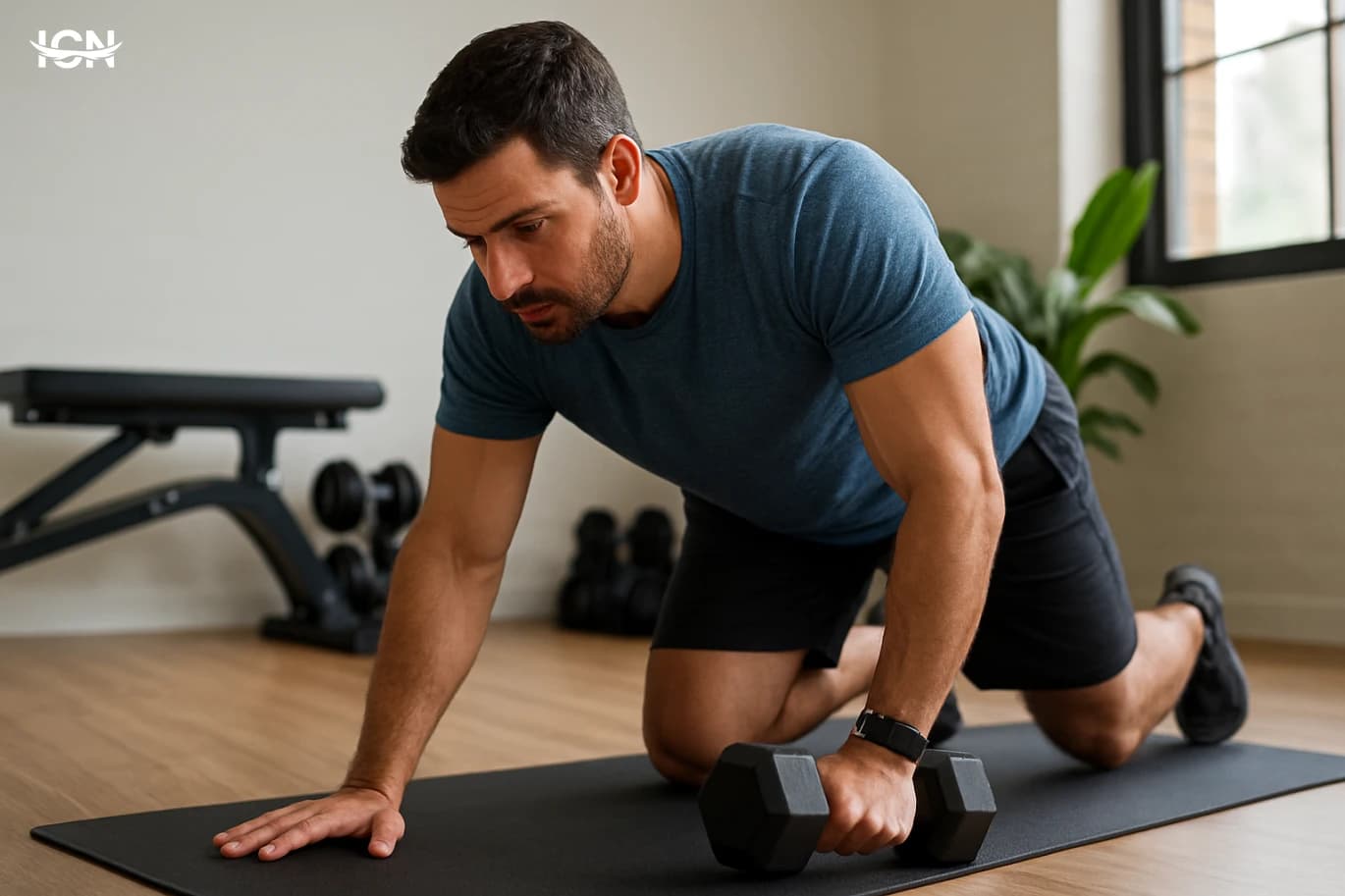
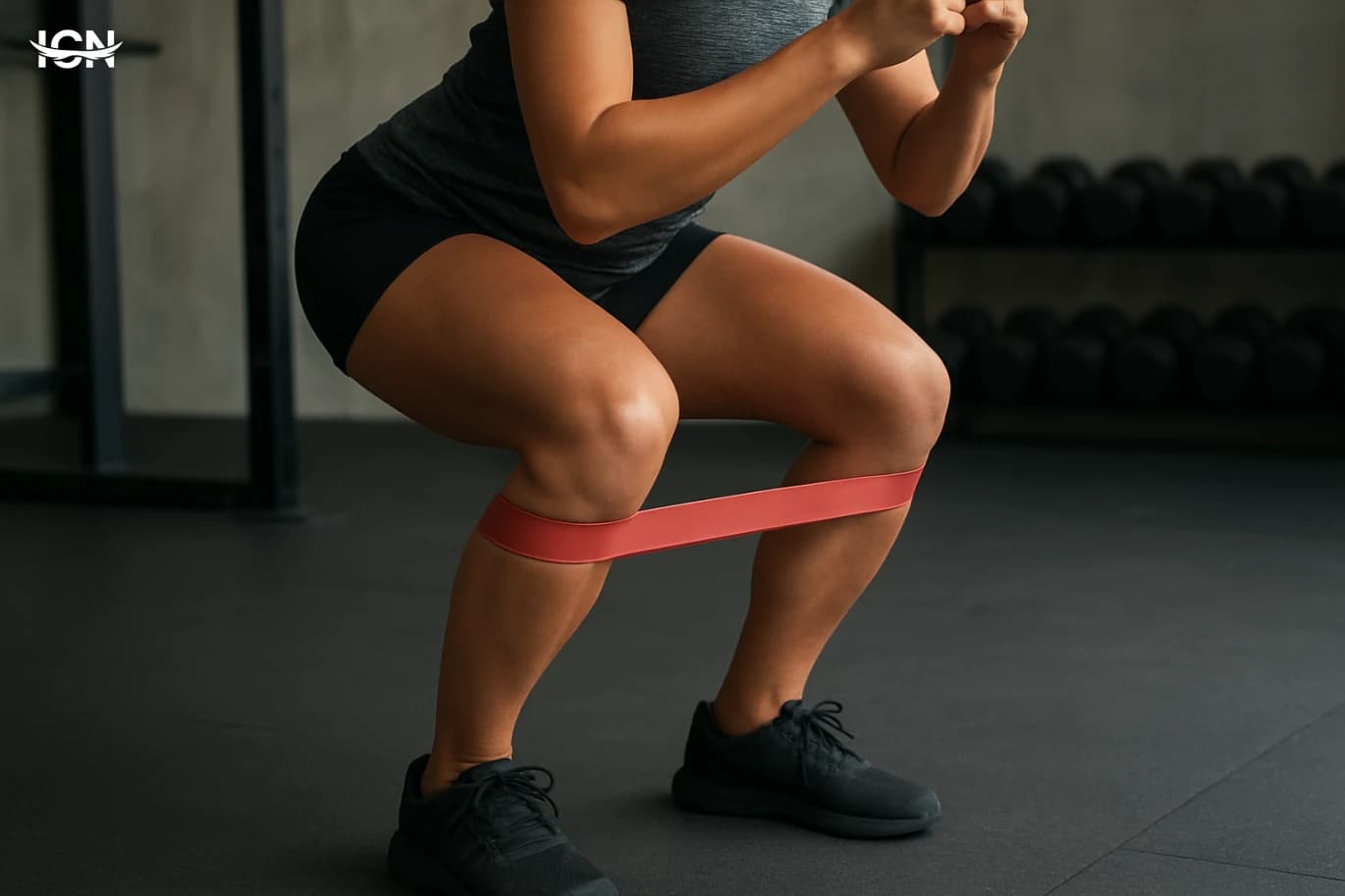
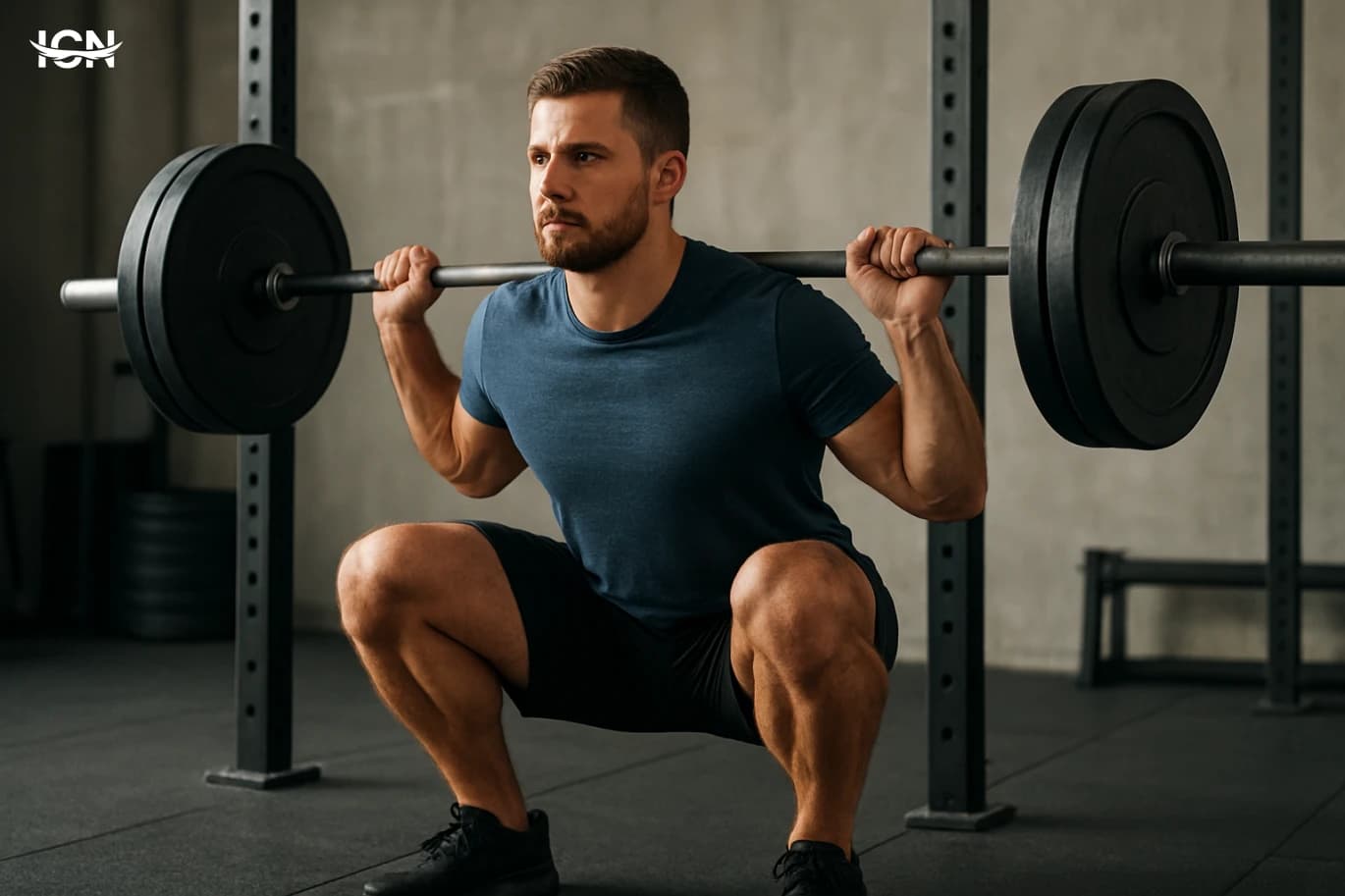
Below is a practical session designed for a busy schedule and minimal equipment. You can do it in a gym or at home with dumbbells and a bench or sturdy chair. Set a timer and keep transitions tight. Warm-up (5 minutes) 1) 2 minutes brisk movement. 2) 10 bodyweight squats. 3) 8 hip hinges with hands on hips. 4) 10 band pull-aparts or shoulder blade squeezes. 5) 6–8 incline push-ups. Main work (20 minutes) Superset A (8–10 minutes): A1) Goblet squat or dumbbell front squat: 8–12 reps. A2) One-arm dumbbell row or band row: 8–12 reps per side. Rest 45–60 seconds after A2. Repeat 3–4 rounds. Superset B (8–10 minutes): B1) Romanian deadlift with dumbbells or kettlebell: 8–12 reps. B2) Dumbbell overhead press or push-up: 6–10 reps. Rest 45–75 seconds after B2. Repeat 3–4 rounds. Finish (5 minutes) Option 1: Farmer carry with heavy dumbbells, 3 x 30–40 seconds with short rests. Option 2: Plank variations, 3 rounds of 30–45 seconds. Then log your best set for each exercise. This session covers squat, hinge, push, pull, and core stability. Repeating it 2–3 times per week for 6–8 weeks is enough to see measurable progress in reps, load, and control.
How to progress without adding time
Progress is what makes short training effective. Use a simple “double progression” rule: keep the same weight until you can hit the top of the rep range for all sets with solid form, then increase the load slightly next session. For example, if your goblet squat target is 8–12 reps for 4 sets, stay at the same weight until you can do 12, 12, 12, 12. Then add 2–5% weight and start again at 8–10 reps. If you train at home with limited weights, progress by adding reps, slowing the lowering phase to 3 seconds, or reducing rest by 10–15 seconds while keeping technique strict. Another option is to add one extra round to a superset, but only if you can still finish within the 30-minute cap. Track three numbers: load, reps, and rest time. When at least two of these improve over a month, you are moving forward. This is also a good time to rotate variations if joints feel stressed: swap overhead press for incline press, or goblet squat for split squat, while keeping the same structure.
Common mistakes in short strength sessions
The most common mistake is turning a 30-minute plan into a rushed circuit with poor form. Speed is not the goal; density is. You should move efficiently, but each rep must look consistent. Another mistake is choosing too many isolation exercises. Biceps curls and triceps extensions can be useful, but they should not replace the main patterns when time is limited. People also underestimate warm-up and overdo the finisher. If your warm-up is skipped, the first heavy set becomes the warm-up, which increases injury risk and reduces performance. If your finisher is too intense, it can interfere with recovery and make the next session worse. Keep the finisher short and repeatable. Finally, many trainees fail to log their work. Without notes, you cannot tell whether you are stronger than last month. A simple log on your phone is enough: exercise, weight, reps, and a quick rating of effort. That data keeps the program honest and prevents random training.
How to fit it into a real week
A realistic schedule is what makes training sustainable. For most busy adults, two full-body sessions per week is a strong baseline, and three sessions is ideal when sleep and workload allow. Example: Monday and Thursday for two sessions, or Monday, Wednesday, and Friday for three. Keep at least one rest day between sessions when possible. On non-lifting days, add low-effort movement that supports recovery: a 20–40 minute walk, light cycling, or mobility work. If you also do cardio, place it after strength training or on separate days to keep the 30-minute strength session focused. Nutrition and recovery matter even with short workouts. Aim for a consistent protein intake across meals, hydrate, and prioritize sleep. If your week is extremely busy, do one session instead of none, and keep the same exercises so you can pick up progress quickly the next week. Consistency over months, not perfection in a single week, is what turns a short plan into long-term results.