Technology Revolutionising Fast-Food Restaurants

- Technology changes the face of fast food restaurants
- Electronic payment and artificial intelligence
- Improving customer experience
- Sustainability and graming hygiene
- Guidance and work in data
Technology changes the face of fast food restaurants
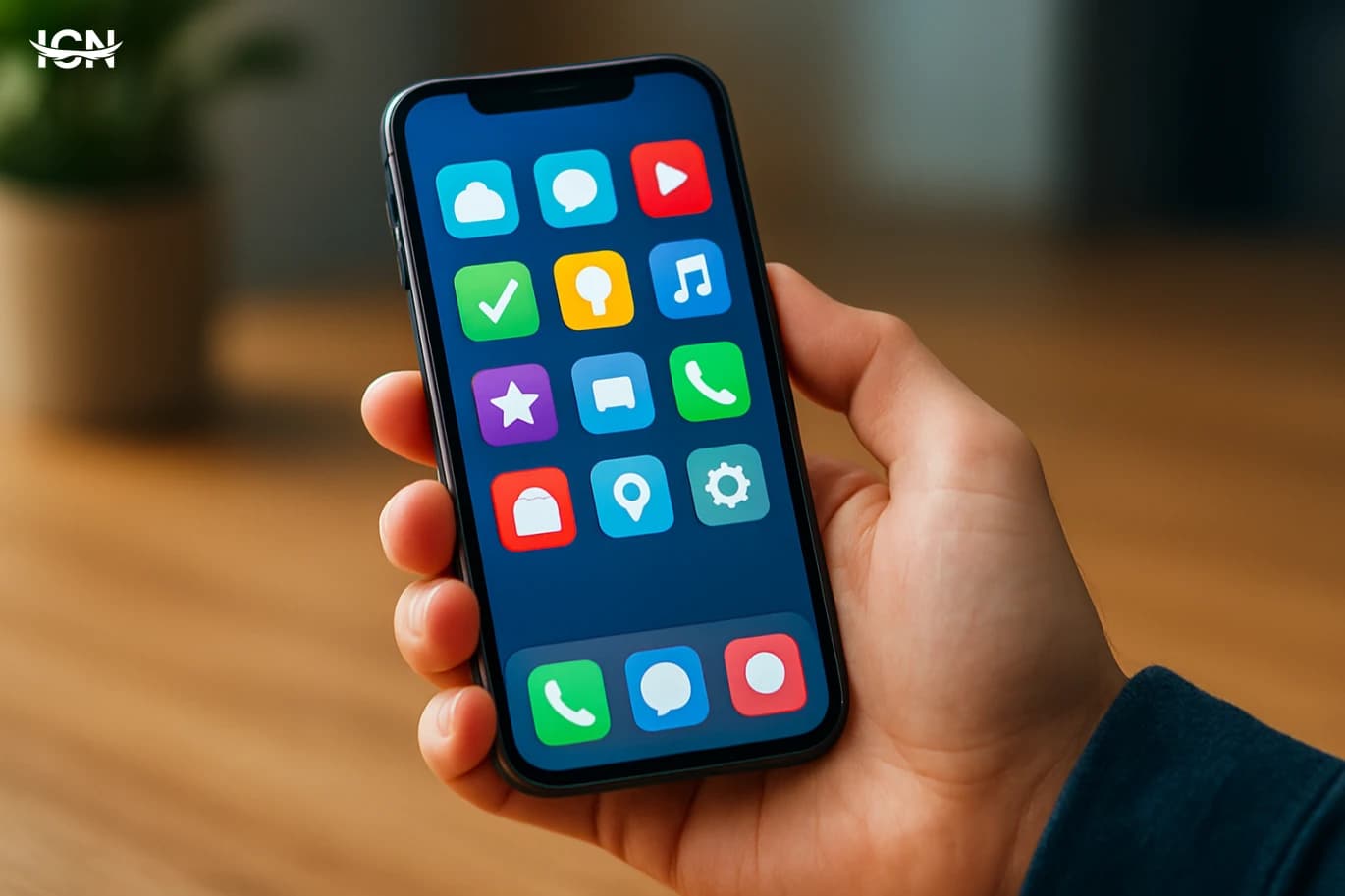
Mobile phone applications for mobile technology requests have become an integral part of customer experience in fast food restaurants. Customers can now order through mobile applications easily and quickly, saving time and reduces congestion in restaurants. These applications also allow for customization options and facilitating the payment process. Robot delivery systems by accelerating delivery processes are an innovative way to deliver food, as they deliver requests to homes and offices quickly and efficiently, which contributes to improving customer experience. This innovation reflects how technology is developing to meet the needs of customers, which makes fast food restaurants more effective in its services.
Electronic payment and artificial intelligence
Wireless payment techniques accelerate the payment process has become wireless payment techniques such as NFC and digital portfolios common in fast food restaurants, making it easier for customers to finish their transactions quickly. These technologies help reduce waiting lines and provide a smoother experience for customers. Using artificial intelligence in improving the customization and data analysis service now many restaurants use artificial intelligence to better understand customer preferences. By analyzing data, restaurants can provide personal recommendations and improve menus in proportion to the needs of customers, which enhances the customer's loyalty and increases sales.
Improving customer experience
Facial recognition techniques for customizing data analysis quickly help facial recognition techniques restaurants to recognize customers and provide custom options based on their previous preferences. These technologies make it easy to provide a comfortable and enjoyable experience for customers, as requests are prepared according to what they prefer without the need to repeat the choices. Food experience improvement techniques improved dining experience can use augmented reality technology to provide a unique diet. By integrating these technologies, customers can see how their dishes will look before demand, which helps in making the appropriate decision and increasing public satisfaction.
Sustainability and graming hygiene
Using artificial intelligence techniques to reduce the loss of data analysis to reduce losses, artificial intelligence technologies can help restaurants analyze consumption data and predict demand, which contributes to reducing losses. By analyzing the purchase patterns, restaurants can improve the quantities of food that are prepared, which reduces waste and increases efficiency. The shift towards environmentally friendly solutions, orientation towards sustainability. Many restaurants today depend on environmentally friendly techniques and solutions, such as the use of decomposing vessels and reduce the use of plastic. This helps in preserving the environment, and enhances the image of the restaurant as a sustainable destination.
Guidance and work in data
Data analysis to improve offers and prices to provide data -based offers. Restaurants can use data collected to understand customer preferences and purchasing behaviors. By analyzing these data, offers and prices can be allocated to maximize fullness and achieve customer satisfaction. Take advantage of the data to direct marketing strategies to direct marketing campaigns. Data is a powerful tool for directing marketing campaigns. Restaurants can exploit customer information to determine the target groups and achieve a greater interaction, which contributes to improving the brand and increasing customer loyalty.