Mobile Apps Worth Trying This Year
- How to choose apps that actually help
- Productivity and planning essentials
- Creativity and content creation on the go
- Learning, reading, and language tools
- Health, fitness, and daily habits
- Bookmark
How to choose apps that actually help
Before downloading anything, define the job you want the app to do: manage tasks, edit photos, learn a skill, or reduce screen time. Check the update history and release notes; apps that ship improvements every few weeks tend to fix bugs faster and keep up with new phone features. Read recent reviews, not only the overall rating, and look for patterns such as battery drain, login problems, or aggressive ads. Privacy and cost matter as much as features. Review permissions and avoid apps that request access unrelated to their purpose, such as a flashlight asking for contacts. Prefer services with clear data controls, export options, and two-factor authentication. For paid plans, compare what is included: cloud storage limits, collaboration features, offline access, and customer support. A good rule is to test the free tier for a week, then decide whether the subscription saves time or replaces another tool you already pay for.
Productivity and planning essentials
For personal planning, Notion is a flexible workspace that combines notes, databases, and lightweight project tracking. It works well for building a reading list, tracking expenses, or managing a small team, and it supports templates that speed up setup. If you want a simpler task-first approach, Todoist remains a strong option with quick capture, recurring tasks, and natural-language scheduling. Its cross-platform sync is reliable, which matters when you switch between phone and laptop. For calendar coordination, Google Calendar is still the most practical choice for many users because it integrates with Gmail, meeting links, and shared calendars. If you need time blocking and focus, TickTick adds a built-in Pomodoro timer and habit tracking alongside tasks. For scanning and handling documents on the go, Microsoft Lens or Adobe Scan can turn receipts and papers into searchable PDFs, which is useful for students and small businesses. The key is to pick one primary system for tasks and one for documents, then keep everything else minimal to avoid duplicating work.
Creativity and content creation on the go
Mobile cameras are strong, but good apps make the workflow faster. For photo editing, Snapseed offers powerful tools like selective adjustments, perspective correction, and non-destructive edits without forcing a subscription. Adobe Lightroom Mobile is a step up for users who want consistent color, presets, and cloud sync across devices. If you post regularly, Canva is a practical design tool for social graphics, presentations, and quick brand kits, with templates that reduce the time from idea to publish. For video, CapCut is popular because it combines trimming, captions, transitions, and effects in a single interface that is easy to learn. VN Video Editor is another solid option for straightforward editing with timeline control. For audio notes and quick interviews, Dolby On can improve clarity and reduce noise in many everyday situations. The best approach is to standardize your output: choose a few preset sizes for images and videos, keep a small set of fonts and colors, and store your assets in a shared folder so you can publish consistently without redoing the same setup each time.
Learning, reading, and language tools
If you want structured learning in short sessions, Duolingo is a familiar entry point for languages, while Memrise can be useful for vocabulary with spaced repetition. For deeper courses, Coursera and edX provide university-style content, often with flexible schedules and certificates. The value comes from consistency: set a daily reminder and keep lessons short enough to finish even on busy days. For reading and knowledge capture, Pocket lets you save articles and read them later in a clean format, which helps when you find good material during work hours. Kindle is still the most stable option for e-books, with highlighting and syncing across devices. If you prefer listening, Audible and other audiobook apps can turn commuting or chores into learning time. To make these tools stick, create a simple system: one app for courses, one for reading, and one place to store notes, then review your highlights weekly to convert consumption into usable knowledge.
Health, fitness, and daily habits
For tracking activity and basic health metrics, Apple Health on iOS and Google Fit on Android provide a central dashboard that many other apps can connect to. They are useful for steps, workouts, and trends over time. If you want guided workouts without equipment, Nike Training Club offers a wide range of sessions with clear instructions. For running, Strava is popular for route tracking and performance history, and it can motivate you through personal goals rather than constant competition. Sleep and habits are often where small changes add up. Sleep Cycle focuses on sleep tracking and smart alarms, while apps like Habitica or Streaks help you build routines with simple daily check-ins. The practical tip is to track fewer things but do it consistently: choose one fitness goal and one habit goal for a month, review progress weekly, and adjust. Also pay attention to notification settings; too many reminders can make you ignore all of them.
Bookmark
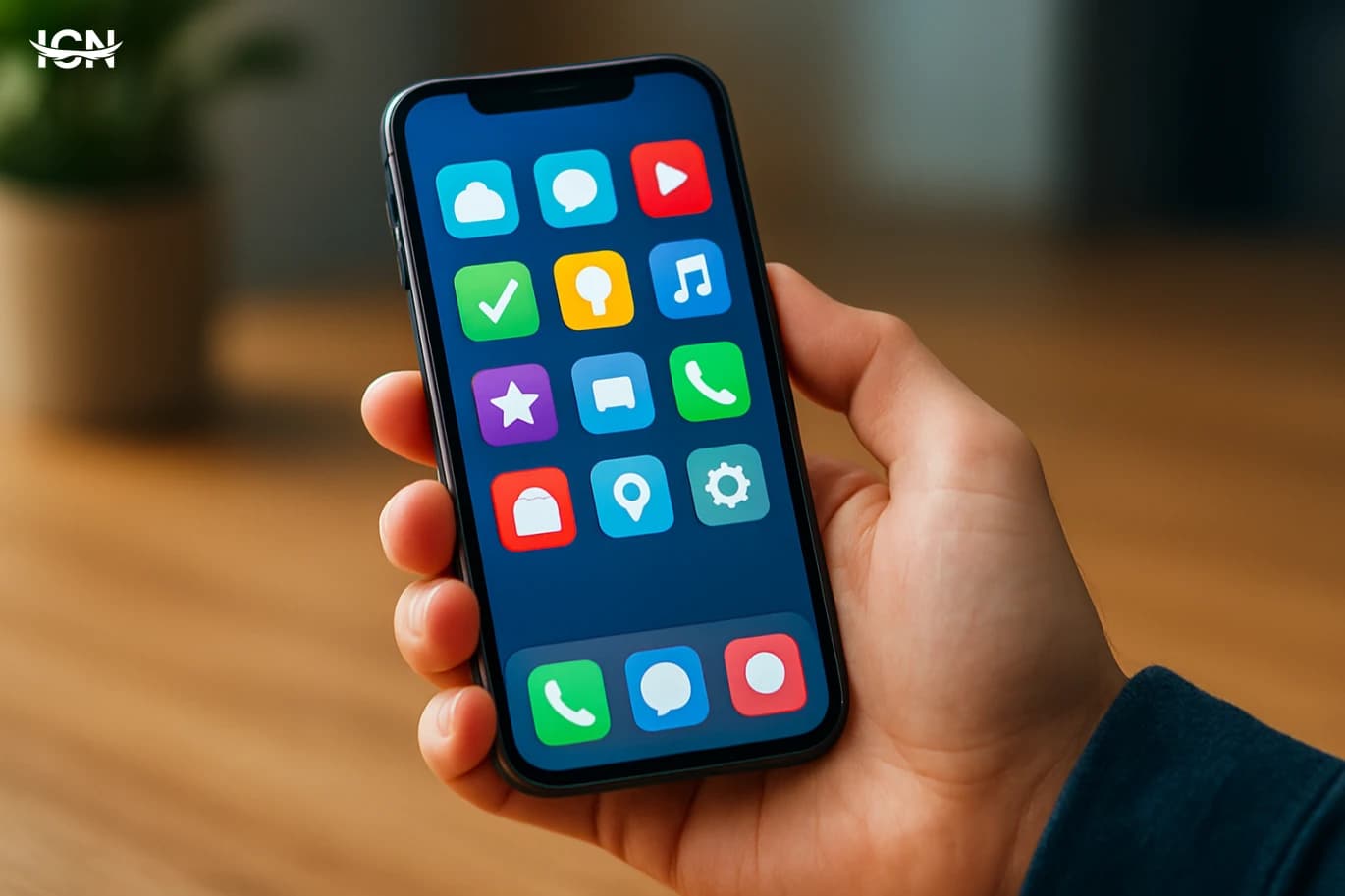
A good app list is only useful if you can maintain it. Create a “try next” folder on your home screen and limit it to five apps at a time. When you install a new app, decide in the first 48 hours whether it replaces an existing tool or is just interesting. If it does not earn a place, delete it and move on; this keeps storage, notifications, and attention under control. Finally, do a monthly cleanup. Check which apps you used in the last 30 days, remove the ones you forgot, and review subscriptions inside your app store settings. Back up important data, enable two-factor authentication where available, and keep your operating system updated so apps run smoothly. With a small, intentional set of tools for planning, creativity, learning, and health, your phone becomes more reliable and less distracting.