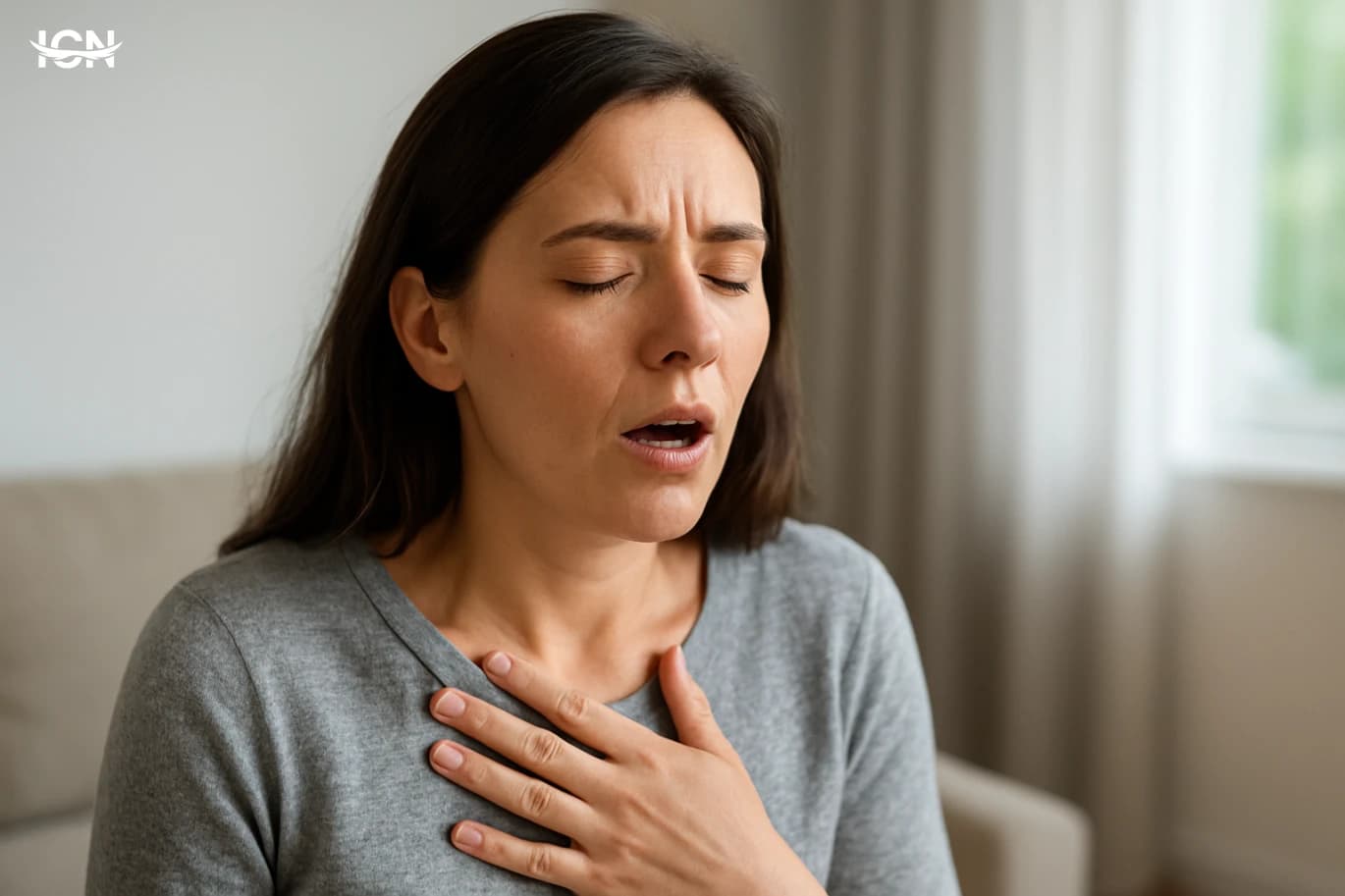
summer depression

Common symptoms
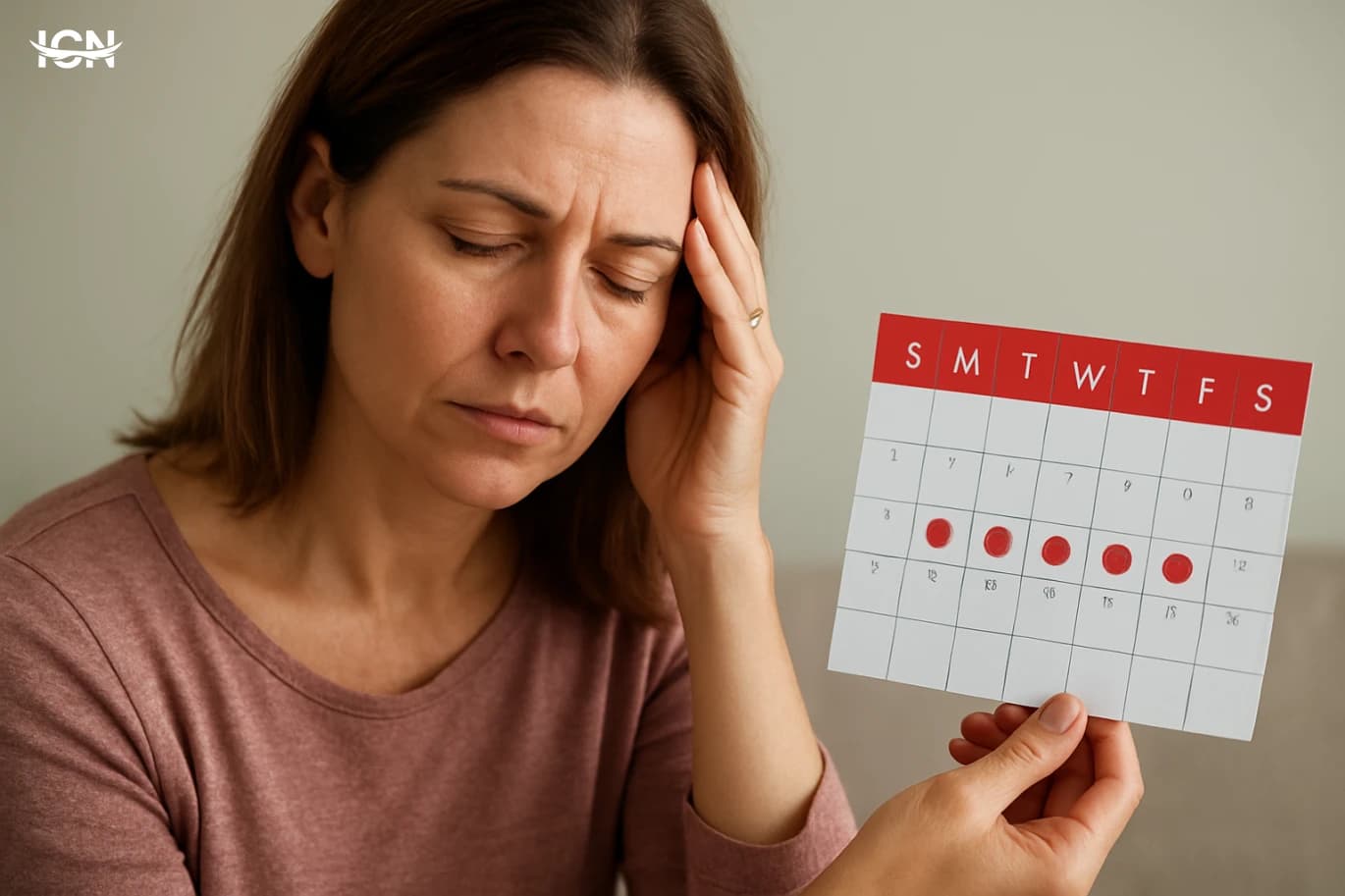
Summer depression is a type of seasonal depression, but unlike the more common form (which occurs in winter), it occurs during the warm or sunny months, usually beginning in late spring or early summer and ending in fall. Symptoms are similar to those of regular depression, but may be accompanied by characteristics related to heat and daylight: Loss of appetite or weight loss. Disturbed sleep (insomnia or interrupted sleep). Excessive anxiety and tension. Poor concentration or feeling distracted. Lack of energy or frustration. Social isolation. More irritable or irritable than usual. Possible causes The causes are not entirely certain, but may include: Biological changes: Daylight hours and increased sun exposure may affect hormones such as melatonin and serotonin. Extreme heat: Causes physical discomfort and affects sleep and mood. Social pressure: Social expectations to spend the summer "active and happy" can put pressure on those who don't feel like it. Changes in routine: Holidays or changes in work schedules can disrupt your circadian rhythm. Physical problems: such as dehydration or heat exhaustion, which can increase feelings of fatigue and malaise. Methods for mitigation and prevention: Sleep regulation: Go to bed and wake up at consistent times. Avoid extreme heat: Stay in air-conditioned or shaded areas, and go outside in the morning or evening. Moderate physical activity: Such as walking or swimming, especially during cooler times. Proper hydration: Drink water regularly. Balanced nutrition: Eat light, healthy meals and limit caffeine and excess sugars. Soothing activities: Meditation, reading, or a favorite hobby. Seeking support: Sharing feelings with friends or a mental health professional. Medical treatment: In severe cases, a doctor may prescribe antidepressants or psychotherapy sessions.
- <p><br></p>