Senegal National Team
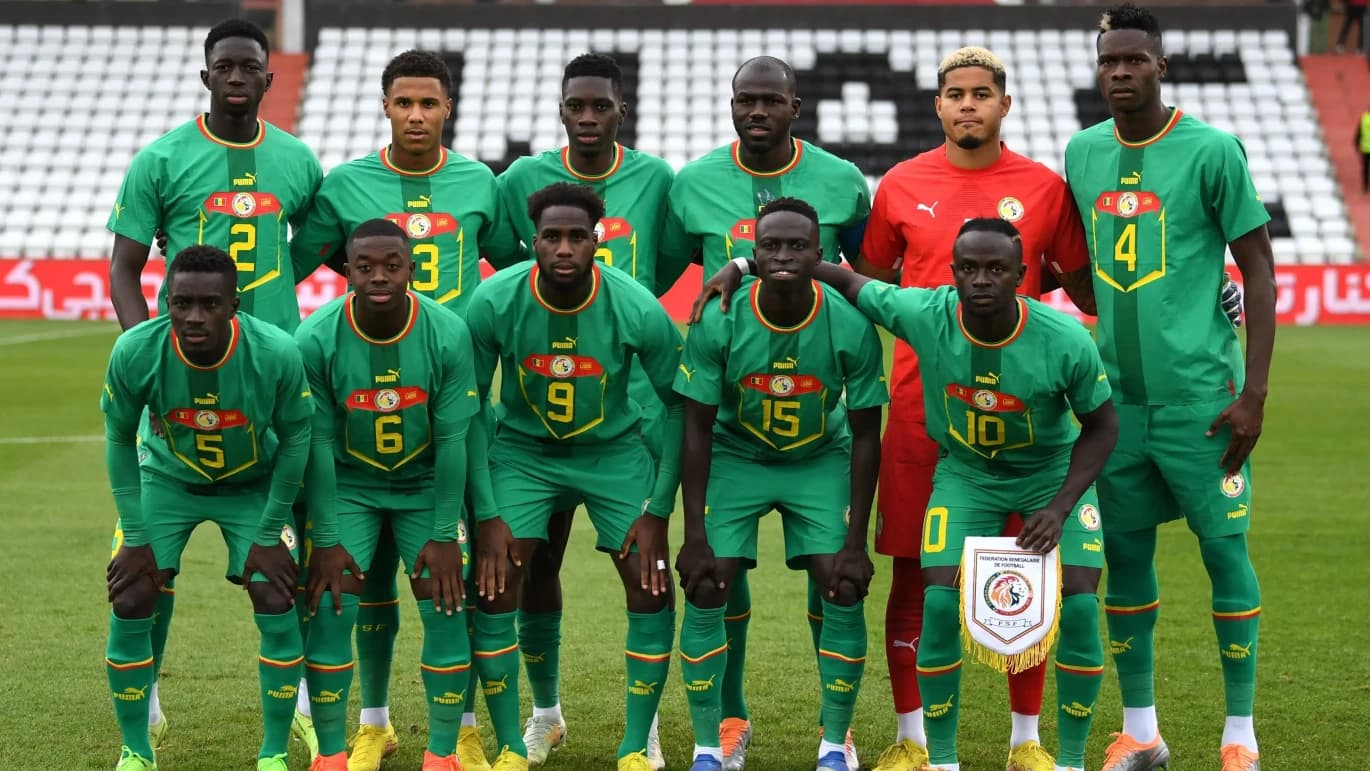
- Senegal National Team: The Power of the Teranga Lions in Africa
- The Lions of Teranga: The Title and National Identity
- Establishment and joining major federations
- The Golden Generation and Continental Achievements
- Leaders of the Teranga Lions and the Influential Stars
- Technical management and new leadership: Babi Thiao
- Leopold Sedar Senghor Stadium: Fortress of the Lions of Teranga
- FIFA ranking of the Senegal national team and the upcoming challenges
- Why does the Senegal national team rely on professionals in Europe?
- Summary and Future
- Record Breakers: Top Scorers and Most-Capped Players
- Preparing for the Future: The Upcoming Challenges for the Lions of Teranga
- Frequently Asked Questions (FAQ) about the Senegal National Team
- Frequently Asked Questions (FAQ) about the Senegal National Team
Senegal National Team: The Power of the Teranga Lions in Africa
Are you ready to learn about one of the most emerging and influential teams in the African continent? The Senegal national football team, known as "Les Lions de la Teranga", is the official representative of the Republic of Senegal in men's football. The team is overseen by the Senegalese Football Federation (FSF), a key member of the Confederation of African Football (CAF) and holds the FIFA Code SEN. The Senegal team has succeeded in building a recent history full of major achievements, backed by the emergence of a golden generation of global stars. This football powerhouse, led by prominent players like Sadio Mane, Kalidou Koulibaly, and Idrissa Gueye, has made Senegal a formidable force in African and world football. Discover with us the journey of this venerable team, from its first international matches to its historical achievements in the World Cup and the African Cup of Nations.
The Lions of Teranga: The Title and National Identity
The nickname “Lions of Teranga” is a deeply meaningful national symbol in Senegal, referring to the Senegalese national football team. This nickname is more than just a sporting name; it embodies the spirit of the Senegalese people and their cultural and historical values. In Senegalese culture, “Teranga” signifies hospitality, generosity, respect, and solidarity—values deeply cherished by Senegalese society. The lion, on the other hand, symbolizes strength, courage, and dignity, making the nickname a clear expression of the Senegalese nation's character both on and off the field. Through this nickname, the Senegalese national team reflects the spirit of national unity, as the people from all walks of life rally behind a single team representing them on the international stage. The achievements of the “Lions of Teranga,” particularly their victory in the Africa Cup of Nations, have contributed to strengthening national pride and fostering a sense of belonging among the citizens. Thus, the Lions of Teranga are not merely players; they are a reflection of Senegalese identity, combining athletic prowess with human values, and embodying the message that sport can be a vehicle for expressing national culture and identity.
Establishment and joining major federations
The Senegalese Football Federation (FSF), responsible for managing the Senegal national football team, was established in 1960. This establishment coincided with the country's political independence. Four years after independence, the federation began the journey of joining major international football institutions. In 1964, the Senegalese Federation became an official member of the Fédération Internationale de Football Association (FIFA) and received its FIFA Code (SEN). Senegal also joined the Confederation of African Football (CAF) in the same year (1964), beginning its competitive journey in African continental tournaments, affirming its position among the men's football teams in Africa.
The Golden Generation and Continental Achievements
In their first ever participation in the 2002 World Cup, Senegal's national team reached the quarter-finals. They shocked the world by defeating the defending champion France in the opening match of that tournament, marking the emergence of a new generation of the 'Lions of Teranga'. The brilliance of 2002 and the quest for dominance in CAF Africa Despite the accomplishment of 2002, Senegal's national team remained focused on achieving continental dominance in the Confederation of African Football (CAF). Senegal had the talent, but continental triumph remained an elusive goal for many years. The African summit: the well-deserved coronation The Senegal national team remained close to clinching the African Cup of Nations for many years, reaching the finals twice. Ultimately, the awaited title was achieved in the 2021 edition (held at the start of 2022). This achievement was a historical turning point, especially as it came under the leadership of international stars like captain Kalidou Koulibaly and scorer Sadio Mané. 'Winning the African Cup of Nations was not just a title, but a confirmation that the Lions of Teranga have become a lasting football power. This achievement enhanced the status of Senegal’s national team in the FIFA global rankings.' Competition remains fierce in every tournament within African football, especially with teams like Egypt, Morocco, and Cameroon. However, Senegal's national football team now possesses the determination and experience necessary to maintain its prestigious position as a major power in the continent.
Leaders of the Teranga Lions and the Influential Stars
His career witnessed brilliance and he won many major titles, enhancing the global status of Senegalese football. With solid defense and a fighting midfield, the Senegal national football team cannot succeed without a strong defensive foundation balanced by offense. Here comes the role of defensive leader Kalidou Koulibaly. He is the rock of defense, and his presence gives the team immense confidence at the back and embodies the physical strength of the Lions of Teranga. In midfield, Idrissa Gueye plays a vital role as a motor, specializing in ball interception and effectively building attacks. These players form the backbone of the Senegal national team, ensuring the necessary balance between attack and defense in CAF-organized tournaments. Sadio Mane: the top scorer and global football icon. Kalidou Koulibaly: the leader and solid defensive pillar. Idrissa Gueye: the midfield engine and tactical performance creator. This constellation forms the force relied upon by the current coach in leading Senegal to more continental titles.
Technical management and new leadership: Babi Thiao
Comparison between the two golden generations of the Teranga Lions There has always been a comparison between the 2002 generation that suddenly rose to international fame, and the 2021 generation that achieved Senegal's first continental title. The 2002 generation was characterized by surprising spirit and strong momentum, marking the highest achievement for the Senegal national football team in FIFA World Cup history. The current generation, led by coach Aliou Cissé, is distinguished by high professionalism and experience in winning titles, which has propelled them to the highest FIFA ranking in Senegal's history. Comparison of Senegal national team's main achievements Tournament Best Achievement Year of Achievement Prominent Coach FIFA World Cup Quarterfinals 2002 Bruno Metsu CAF African Cup of Nations Champions 2021 (2022) Aliou Cissé Highest FIFA Ranking 18th place 2022 Aliou Cissé First International Match Draw (against British Gambia) 1961 Unknown
Leopold Sedar Senghor Stadium: Fortress of the Lions of Teranga
The Leopold Sédar Senghor Stadium hosts Senegal's most crucial matches, especially those related to World Cup qualifiers and African Cup of Nations qualifiers organized by the Confederation of African Football (CAF). When the Senegalese national team plays at home, the atmosphere is filled with enthusiasm. Senegalese fans turn this venue into a volcano of support for the Lions of Teranga, making it a key landmark in Senegalese football history.
FIFA ranking of the Senegal national team and the upcoming challenges
The Lions of Teranga often maintain a top ten position in Africa according to the FIFA men's ranking. This ranking stability is crucial as it ensures them a special status during the draw for major tournaments organized by the Confederation of African Football (CAF). The FIFA code for the Senegal national team is (SEN). The Senegalese Football Federation (FSF) consistently emphasizes that stability in international results is key to maintaining this high competitive ranking. Regional challenges and global ambition - The journey of the Senegal national team is not without constant challenges. In the West African region, competition is always intense, especially with strong neighbors like Ghana and Ivory Coast. These regional rivalries elevate performance levels in CAF tournaments and make every match a real test for the men’s national football team. On the international front, the greatest goal for the Senegal national football team is to surpass their historic achievement in the 2002 World Cup. The Lions of Teranga aspire to reach advanced stages in the upcoming World Cup and affirm their position among the giants of global football, supported by stars like Kalidou Koulibaly and Sadio Mane.
Why does the Senegal national team rely on professionals in Europe?
This reliance imposes significant time pressures on coaches in preparing for crucial matches organized by the Confederation of African Football (CAF). The Senegalese Strength: What sets the Lions of Teranga apart? What are the essential features that make the Senegal national team a formidable force in African football? Physical strength and speed: Senegal's football players have a strong build allowing them to dominate one-on-one duels, a crucial trait in long tournaments. Offensive depth: The attack is not limited to star Sadio Mane, but there are multiple options capable of scoring and creating chances. Defensive leadership: The presence of experienced stars like Kalidou Koulibaly provides high stability and confidence for the goalkeeping and defense line, minimizing individual mistakes. Future challenges for the Senegal national team Despite their obvious strength, there are still areas that need improvement for the national team to maintain its position in the FIFA rankings. There may be a need for more tactical variation when facing teams relying on a compact defense or deep defensive play, to avoid resorting to individual solutions. Additionally, the public and media pressure, especially during crucial matches that might be held at their main stadium, such as Leopold Sedar Senghor Stadium, requires better management of tension and continuous focus.
Summary and Future
The goal is clear: to achieve more continental titles in the CAF championship and continue to represent African football in the best possible way on the grand international stages. They not only represent Senegal but the ambition of the entire African continent. Are you ready to follow the journey of the Lions of Senegal towards more glory?
Record Breakers: Top Scorers and Most-Capped Players
These records tell a story of achievement and show the players' commitment to the Senegalese Football Federation (FSF), ranging from the first international match to the current golden era. Highlights of the record statistics in the history of the Senegal Lions Player / Match Number / Date Top Goalscorer Sadio Mané, more than 40 goals Most Appearances Henri Camara, 99 matches Largest Victory Senegal 10-1 Mauritania, 1972 First Official International Match Senegal against British Gambia, 1961 Star Sadio Mané sits atop as the top scorer, affirming his pivotal role in leading the Senegal national football team in the golden era. These statistics highlight the players' commitment to the Teranga Lions jersey and confirm that Senegalese football continues to build its history thanks to its professional stars. The historic match against British Gambia in 1961, which marked the official launch of the Senegal national team on the international stage, cannot be forgotten.
Preparing for the Future: The Upcoming Challenges for the Lions of Teranga
Competition within the continent is intense, and the Senegalese Football Federation (FSF) is working together with the Confederation of African Football (CAF) to ensure the highest levels of readiness for continental competitions. Senegal currently leads the top teams in the FIFA men's ranking, adding extra pressure on this generation to maintain its position among the global elite. This generation, led by stars such as Kalidou Koulibaly and Sadio Mane, aims to establish Senegal's dominance in African football. Can the Lions of Teranga repeat their continental and international achievements? All indications suggest they have the necessary tools, as fighting spirit is always the key to success.
Frequently Asked Questions (FAQ) about the Senegal National Team
The Senegal national football team is globally known as the 'Lions of Teranga' (Les Lions de la Teranga). The word 'Teranga' means hospitality and generosity in the local Wolof language, a significant cultural symbol reflecting the spirit of play and conduct in Senegalese football. Who is currently the coach of the Senegal national team? As of early 2026, the national team is led by coach Pape Thiaw. Thiaw is responsible for overseeing the current generation of players and tasked with achieving major goals such as qualifying for the 2026 World Cup and maintaining Senegal's status at the pinnacle of African football. Who are the prominent stars of the Senegal team? The Senegal national football team includes a group of prominent international stars who form the backbone of the team in major tournaments. The most notable among them is Sadio Mane, the all-time top scorer and one of the greatest African players ever, along with the captain and strong defender Kalidou Koulibaly, and the influential midfielder Idrissa Gueye. What is the main stadium for the Senegal national team? The main stadium that hosts Senegal's matches is the Stade Léopold Sédar Senghor in the capital Dakar. This stadium, named after Senegal's first president, is the historical center of Senegalese football and hosts key qualifying matches of the African Football Confederation (CAF) and FIFA. What is the FIFA code for the Senegal national team? The official FIFA code for Senegal's national team is SEN. The Senegalese Football Federation (FSF) oversees the team and has been a member of CAF since 1963.
Frequently Asked Questions (FAQ) about the Senegal National Team
Where is the Léopold Sédar Senghor Stadium located? The Léopold Sédar Senghor Stadium, which is the main stadium for the Senegal national football team, is located in the Senegalese capital, Dakar. This stadium is considered the national home of the 'Lions of Teranga,' hosting their most important matches in CAF and FIFA qualifiers. Who is the top scorer in the history of the Senegal national team? The world-renowned star Sadio Mané is the all-time top scorer for the Senegal national team. Thanks to his exceptional level of play, Mané has surpassed all former players, becoming a symbol of modern Senegalese football and a formidable force for Senegal on the international stage.