App Logo

Download Our App

Shop your way

logologo
Image

Satise Tamalemi: Weakness of the despair

03/06/2025By: ICN
Satise Tamalemi: Weakness of the despair

the introduction

What is the demon of Tasmania? Satan Tasmania is a mammal that is considered one of the symbols of Australia, and it is known for its night activity and its aggressive printing. He is characterized by his cute face and black hair, but he is known for his distinctive behavior when he feels threatening. The date of the discovery of the disease and its effect in the 1990s, a disease known as face cancer was discovered, which greatly affected the gatherings of these animals. This disease has significantly decreased its numbers, causing great concern among scientists and preserving the environment. Several measures have been taken to protect a Tasmania demon, including families' education programs and monitoring the natural environment to protect him from extinction.

Symptoms of a Tasmania demon

Physical symptoms appear on a Tsmania demon that are clear physical symptoms as a result of facial cancer, such as the appearance of ugly tumors on the face and jaw. The condition becomes worse with the progress of the disease, which affects its ability to eat and nutrition, and thus leads to weight loss and weak body. Psychological symptoms in addition to physical symptoms, these animals suffer from psychological effects that affect their behavior. The feeling of tension and anxiety may increase as a result of pain and suffering, causing aggressive or isolationist behaviors, which increases the difficulty of preserving it and reintegrating it into its natural environment.

Causes of infection with Satan Tasmani

Genetic factors are genetic factors one of the main causes of increasing facial cancer in a Tasmania demon. The genes of some individuals are associated with the high rate of the appearance of tumors, which makes them more vulnerable to infection compared to others. Environmental factors also contribute to the spread of this disease, such as the deterioration of the natural citizen and the increase in human pressure. These conditions cause a decline in the numbers of a Tasmani demon, which increases their exposure to diseases. Climate changes and other threats play a role in promoting the health threat facing these animals.

Diagnosis and treatment of a Tasmania demon

How to diagnose the disease is usually diagnosed with a Tsmani demon through the clinical examinations by researchers. Modern photography techniques, such as X -rays and ultrasound, are used to determine the presence and size of the tumors. In addition, biopsies may be taken to confirm the diagnosis and follow up on the health condition of animals. Available treatment options include treatment options available for expatriates with immune or cellular drugs to fight tumors. Programs are also implemented to preserve gender and rehabilitation in natural environments, as awareness is enhanced by the importance of environmental protection to support the health of a Tasmania demon and protect them from diseases.

Social and psychological effects of Satan Tasmania

The challenges facing patients and their families face families who suffer from the illness of Tasmania demonic challenges, as these cases can affect family cohesion. Individuals feel anxious and fearful of losing their loved ones, which leads to great psychological pressure on everyone. How to support patients psychologically it is important to provide psychological support to patients by listening effectively and providing assistance whenever needed. Consulting sessions can be organized to provide a safe environment to talk about feelings, and to enhance awareness of mental health in families to help them deal better with the effects of the disease.
* All articles published on this blog are sourced from various websites and are provided for informational purposes only. They should not be considered as confirmed studies or accurate information. Please verify the information independently before relying on it.

Similar ARTICLES

Dodo Bird Lessons From a Lost Island
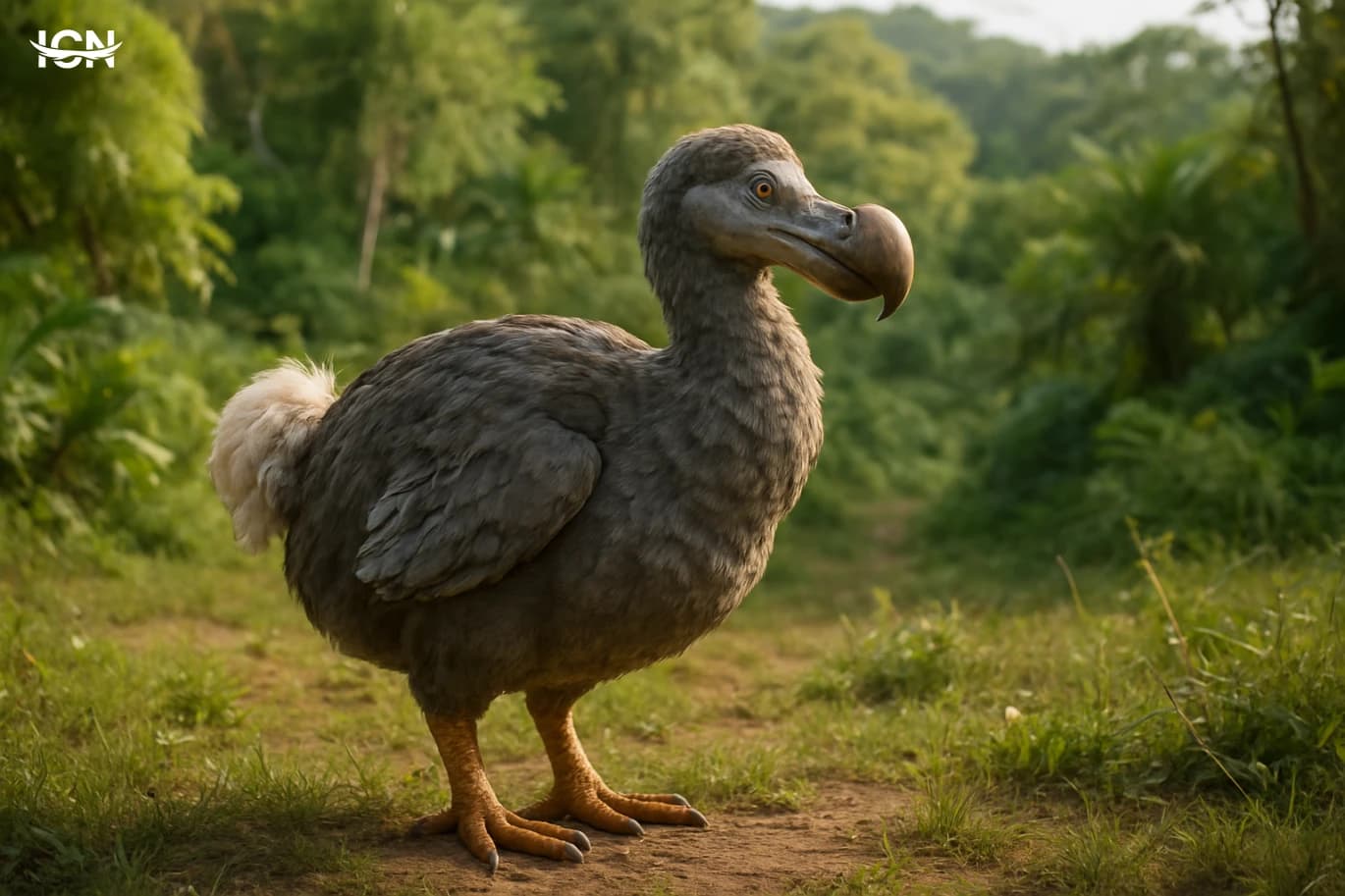
The dodo was a large, flightless bird that lived only on Mauritius, an island in the Indian Ocean. Isolated for thousands of years, it evolved without the pressure of land predators that typically force birds to fly or run fast. That setting shaped a body built for walking and foraging, with sturdy legs, a rounded frame, and wings that were too small for sustained flight. Modern reconstructions suggest it stood roughly around a meter tall, though exact measurements vary because no complete skeleton has ever been found. Mauritius offered forests, coastal plains, and a stable climate that supported fruiting trees and ground-level food sources. The dodo likely fed on fallen fruits, seeds, and possibly small invertebrates, using its strong beak to handle tough items. Its lifestyle was tied to the island’s seasonal cycles, moving through habitats as different plants fruited. In that ecosystem, the dodo was not a curiosity; it was a functional part of a closed island network where many species had limited ranges and specialized roles.
The Saola and the Race to Find It
The saola is one of the most elusive large mammals on Earth, and it was only recognized by science in 1992. Researchers working along the Vietnam–Laos border found unusual long, straight horns in local homes and realized they belonged to an unknown species. That discovery was remarkable not because the animal was tiny or obscure, but because it was a full-sized forest-dwelling bovine that had escaped formal documentation for centuries. The saola’s scientific name, Pseudoryx nghetinhensis, reflects how unusual it is: it looks somewhat like an antelope, yet it is more closely related to cattle. What makes the saola especially compelling as a blog topic is the combination of modern discovery and near-total invisibility. There are very few confirmed sightings, and most images come from camera traps rather than direct observation. This creates a rare situation in wildlife reporting: a species that is famous globally, but still barely known in basic ways, including its population size, its precise range, and even many aspects of its behavior. The saola is not “extinct,” but it is a leading example of an animal that could quietly disappear without the world ever truly meeting it.
The Saola and the Race to Understand It
The saola is one of the world’s rarest large mammals, known from the forested mountains along the Laos–Vietnam border. It was only described by scientists in the early 1990s after distinctive long, parallel horns were found in local homes, a reminder that major wildlife discoveries can still happen in the modern era. Unlike many iconic animals, the saola has never become a common sight in zoos or documentaries; most people who know its name have never seen a clear photograph of one in the wild. That scarcity is not a marketing story, it is a practical conservation problem: when an animal is rarely observed, it is difficult to estimate population size, map its range, or measure whether protection efforts are working. This topic focuses on what makes the saola unusual, why it remains so hard to study, and how its story reflects the broader challenge of protecting rare species that live in remote habitats. It also highlights the role of local knowledge, because the first evidence that led to scientific recognition came from communities living near the forests. The saola is not discussed here as a myth or a symbol; it is a real animal with a limited range, facing specific threats that can be described and addressed with practical tools.
The Saola and the Race to Understand It
In 1992, scientists working in Vietnam’s Annamite Range documented an animal unknown to science: the saola (Pseudoryx nghetinhensis). The discovery did not come from a dramatic expedition sighting, but from evidence found in local communities, including distinctive long, nearly parallel horns. That detail matters because it shows how rare-animal research often begins: with indirect clues and careful verification rather than repeated direct observations. The saola is sometimes called the “Asian unicorn,” but the more accurate story is that it is a large, real mammal that remained scientifically unrecognized until the late 20th century because it lives in remote, rugged forests and appears to occur at very low densities. The saola’s known range sits along the border of Vietnam and Laos, in wet evergreen forests shaped by steep slopes, dense understory, and heavy seasonal rainfall. These conditions make conventional wildlife surveys difficult and expensive. Even today, confirmed records are scarce, and most information comes from camera traps, environmental traces, and interviews paired with field checks. The late discovery is not just a curiosity; it is a warning that large animals can persist unnoticed by science, and that they can also disappear before we learn the basics of their ecology.
The Vaquita’s Last Safe Harbor
The vaquita is the world’s rarest marine mammal and one of the most geographically restricted. It lives only in the northernmost part of the Gulf of California, Mexico, in shallow, turbid waters where river sediments and strong tides reduce visibility. Adults are small for a porpoise, typically around 1.4–1.5 meters long, with a compact body, a tall triangular dorsal fin, and distinctive dark rings around the eyes and lips that make it recognizable in photographs. Because it surfaces briefly and avoids boats, it is rarely seen even by experienced researchers. What makes the vaquita a compelling topic is not only its scarcity but the speed of its decline. In just a few decades, it moved from being a little-known local species to an international symbol of how quickly a small population can collapse when a single threat is left unmanaged. The vaquita’s story is also unusually specific: it is tied to one place, one set of fishing practices, and a narrow window of time in which decisions can still matter. That combination allows a blog to be concrete and evidence-based, focusing on measurable risks, practical interventions, and the realities of conservation in a working seascape.
The Vaquita Countdown in the Gulf of California
The vaquita is the world’s rarest marine mammal and one of the most geographically restricted: it lives only in the northern Gulf of California, Mexico, in shallow, turbid waters near the Colorado River delta. That tight range makes it unusually vulnerable because a single local threat can affect the entire population at once. Unlike many iconic species, the vaquita has never had a broad distribution to “fall back on,” and it does not migrate to safer areas when conditions worsen. Its importance is not only emotional or symbolic. As a small porpoise that feeds on fish and squid in coastal food webs, the vaquita is part of a system that also supports local fisheries and the health of seagrass and benthic habitats. When a top predator disappears, the effects can ripple through prey populations and fishing pressure, changing how the ecosystem functions. The vaquita’s decline is also a practical test of whether modern conservation tools—enforcement, community incentives, and gear innovation—can work fast enough for species that are already at the edge.
Why Endangered Species Day Matters
Endangered Species Day is a public awareness moment that focuses attention on animals and plants at risk of disappearing and on the habitats that keep them alive. It is not only a symbolic date; it is a practical tool used by conservation groups, schools, zoos, museums, and environmental agencies to concentrate outreach, fundraising, and reporting into a short window that is easy for the public to follow. When attention is focused, it becomes easier to explain what “endangered” means, how species are assessed, and why the loss of one species can affect many others. The day also helps translate scientific monitoring into understandable messages. Conservation status is typically based on population trends, geographic range, and threats such as habitat loss, pollution, invasive species, and climate pressures. Outside specialist circles, these details can feel distant. A dedicated day creates a clear entry point for media coverage, community events, and educational programs that connect local audiences to global biodiversity issues. It also provides a recurring deadline that encourages organizations to publish updates, share new data, and highlight progress or setbacks. Most importantly, the day frames endangered species as an environmental issue with direct consequences for people. Healthy ecosystems support clean water, fertile soils, pollination, fisheries, and resilience to extreme weather. By emphasizing the link between species survival and ecosystem services, the day helps shift the conversation from “saving a rare animal” to “maintaining the systems that support life and livelihoods.”
The Saola Mystery in Modern Forests
The saola is one of the rarest large mammals on Earth, known from the Annamite Range along the Laos–Vietnam border. It was only described by scientists in the early 1990s after local hunters showed unusual horned skulls, making it a modern discovery in an era when most big animals are already cataloged. That late discovery is not just a curiosity; it signals how difficult the region is to survey and how easily a species can slip toward extinction without global attention. As a topic in extinct and rare animals, the saola is a test case for how conservation works when there are almost no sightings, few photographs, and limited biological samples. It also highlights a practical challenge: protecting an animal you cannot reliably find. For readers, the saola offers a serious, evidence-based story about biodiversity in Southeast Asia, the limits of field research, and the urgent need for targeted protection in forests that are changing quickly due to roads, logging pressure, and expanding human activity.
The Saola and the Race to Find It
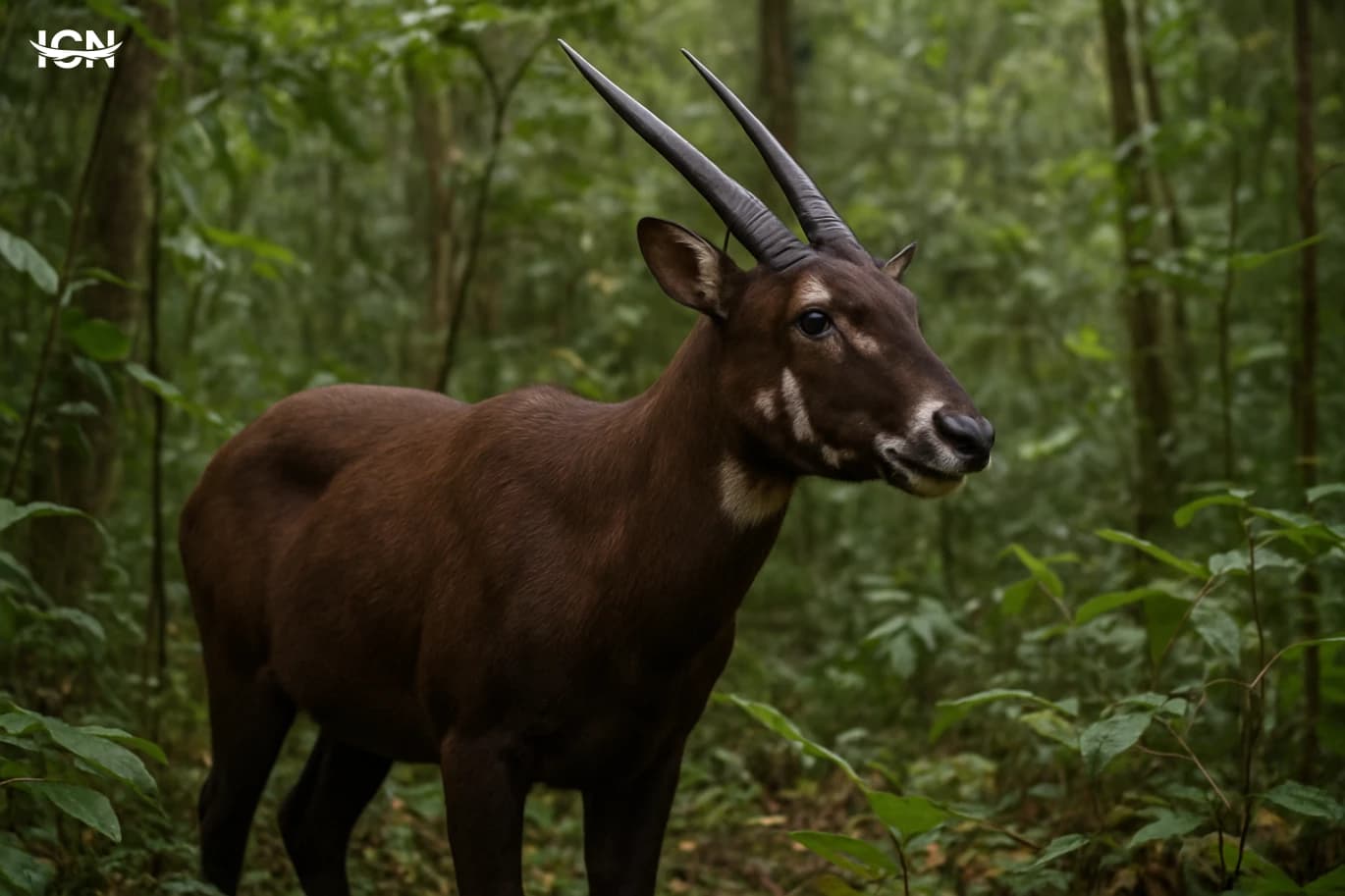
The saola is one of the world’s rarest large mammals, yet it was only described by scientists in the early 1990s. Often called the “Asian unicorn” in media coverage, it is not a myth but a real forest-dwelling bovine with long, nearly parallel horns and a distinctive white facial pattern. Its known range is limited to the Annamite Mountains along the Laos–Vietnam border, a region of steep valleys, dense evergreen forests, and heavy seasonal rains that make fieldwork difficult and expensive. What makes the saola especially compelling as a blog topic is the combination of modern discovery and near-immediate conservation alarm. Unlike many rare species that have decades of monitoring data, the saola entered science with almost no baseline information: no reliable population estimate, limited confirmed sightings, and minimal understanding of its breeding, diet, or movements. This lack of data is not just an academic problem; it shapes every decision about where to search, how to protect habitat, and how to reduce threats. The saola story is therefore about the practical challenges of saving a species that researchers can barely observe.
The Saola and the Race to Find It
The saola is one of the most elusive large mammals on Earth, known to science only since 1992. It lives in the Annamite Range along the Laos–Vietnam border, a mountainous belt of wet evergreen forests where steep valleys, heavy rainfall, and dense vegetation make fieldwork difficult. Saola are sometimes called the “Asian unicorn,” not because of myth, but because sightings are so scarce that even experienced biologists can spend years without seeing one. Most confirmed records come from camera traps, accidental captures, or remains found in villages. What makes the saola especially compelling is the contrast between its size and its invisibility. This is not a tiny insect or deep-sea fish; it is a hoofed mammal with long, nearly parallel horns, likely weighing around 80–100 kilograms. Yet it can persist in a landscape where people farm, hunt, and travel. That tension—between a modern world and a species that still slips through it—sets up a clear, urgent question for conservation: how do you protect an animal you can barely find?
The Saola and the Vanishing Forest Edge
The saola is one of the rarest large mammals on Earth, known from the Annamite Mountains along the Laos–Vietnam border. It was only described by scientists in 1992, which is unusually recent for an animal of its size. That late discovery is not a sign that the saola is new; it is a sign of how difficult it is to study wildlife in steep, wet forests where visibility is low and human access is limited. For conservation, the saola matters because it represents a whole set of species that can disappear without ever being properly documented. The saola is sometimes called the “Asian unicorn” in popular media, but the more useful story is practical: it is an indicator of forest integrity. When a large, shy herbivore cannot survive, it often means the forest edge is being pushed inward by roads, logging, and settlement, and that hunting pressure has reached even the most remote valleys. The saola’s situation also shows how conservation can be constrained by limited data. Many endangered species have population estimates, breeding records, or known strongholds. For the saola, even basic questions—how many remain, where they move seasonally, what habitats they use most—are still hard to answer with confidence. A focused blog topic on the saola can be engaging without sensationalism because it connects discovery, field science, and the everyday drivers of biodiversity loss. It also provides a clear lens for discussing how modern conservation works when the subject is rarely seen, rarely photographed, and rarely studied directly.
The Saola and the Race to Find It
The saola is one of the most elusive large mammals on Earth, and it was only recognized by science in 1992. Researchers working in the Annamite Mountains along the Laos–Vietnam border found unusual long, straight horns in local homes and realized they belonged to an unknown species. That moment reshaped modern conservation: it proved that even in the late 20th century, large land animals could still be undocumented in remote forests. Often called the “Asian unicorn” in media coverage, the saola is not mythical at all; it is a real bovine relative with a distinctive face pattern and parallel horns in both sexes. What makes it extraordinary is how rarely it is seen. Most confirmed records come from camera traps, brief accidental encounters, or remains. This scarcity is not a marketing label; it is a central scientific problem that affects everything from population estimates to basic questions about its behavior and habitat needs.
The Vaquita’s Last Stand
The vaquita is the world’s rarest marine mammal and one of the least observed. It is a small porpoise found only in the northernmost part of the Gulf of California, Mexico, in shallow, turbid waters where visibility is often poor. Adults are typically around 1.4–1.5 meters long, with a rounded head and distinctive dark rings around the eyes and lips that make it recognizable in photographs, though sightings are uncommon. Unlike many dolphins, vaquitas are shy, avoid boats, and surface briefly, which complicates research and public awareness. What makes the vaquita’s story unusually urgent is how quickly its population collapsed in recent decades. Scientific surveys using acoustic monitoring and visual transects have repeatedly documented steep declines, leaving only a tiny number of animals. Because the species lives in a very limited range, any local threat affects nearly the entire population at once. In conservation terms, the vaquita is a high-risk case: a small population, a narrow habitat, and a single dominant human-driven cause of death.
By clicking the SUBSCRIBE button, you are agreeing to our Privacy & Cookie Policy If you want to unsubsribe the marketing email, please proceed to our privacy center.
© 2005-2026 ICN. All Rights Reserved.