Dodo Bird Lessons From a Lost Island
- A bird shaped by Mauritius
- What early visitors actually saw
- Why extinction happened so fast
- Science from fragments and fossils
- The dodo in modern conservation thinking
- bookmark
A bird shaped by Mauritius
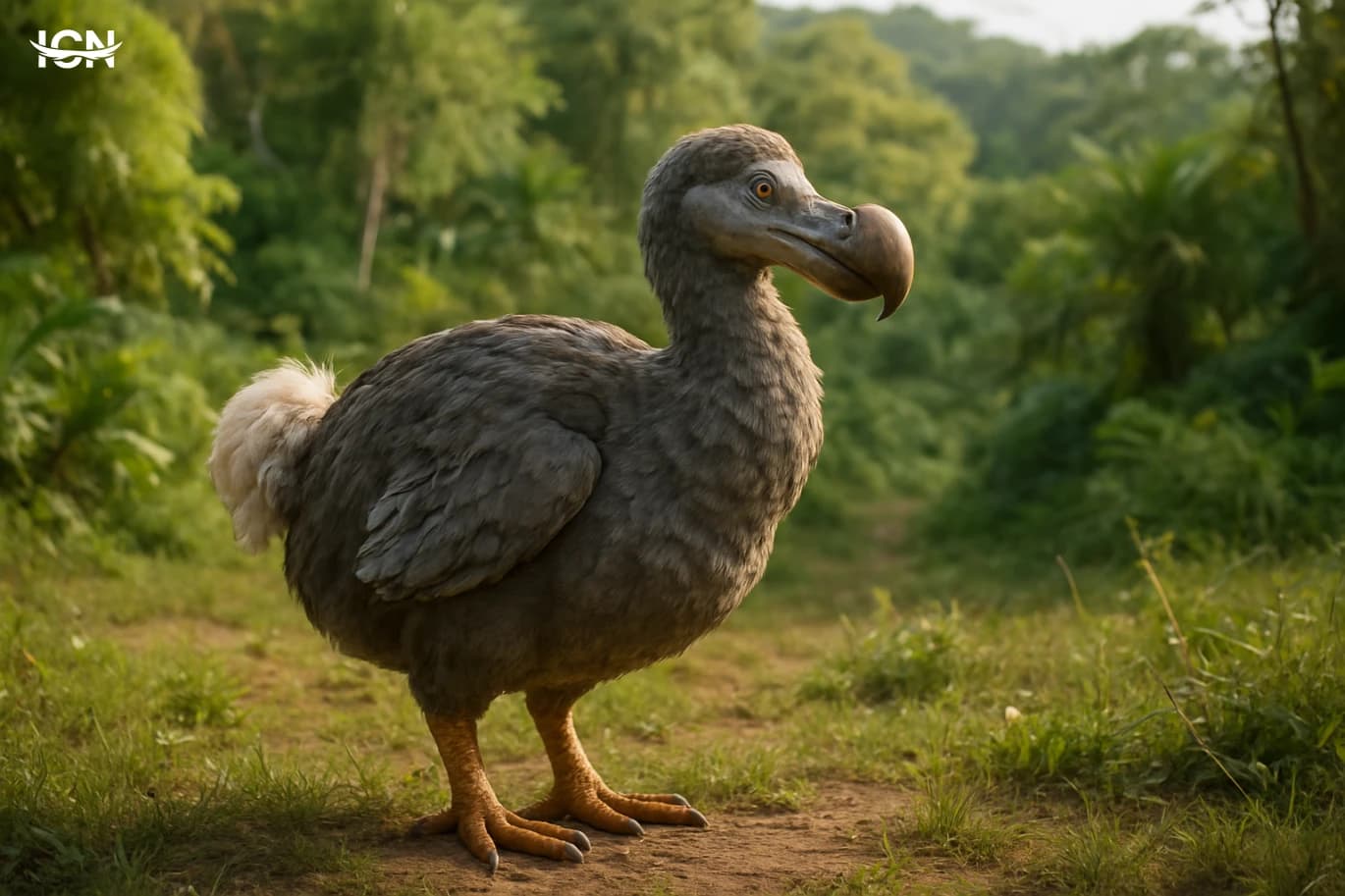
The dodo was a large, flightless bird that lived only on Mauritius, an island in the Indian Ocean. Isolated for thousands of years, it evolved without the pressure of land predators that typically force birds to fly or run fast. That setting shaped a body built for walking and foraging, with sturdy legs, a rounded frame, and wings that were too small for sustained flight. Modern reconstructions suggest it stood roughly around a meter tall, though exact measurements vary because no complete skeleton has ever been found. Mauritius offered forests, coastal plains, and a stable climate that supported fruiting trees and ground-level food sources. The dodo likely fed on fallen fruits, seeds, and possibly small invertebrates, using its strong beak to handle tough items. Its lifestyle was tied to the island’s seasonal cycles, moving through habitats as different plants fruited. In that ecosystem, the dodo was not a curiosity; it was a functional part of a closed island network where many species had limited ranges and specialized roles.
What early visitors actually saw
Most of what the world “knows” about the dodo comes from a narrow window of historical contact in the 1600s. Sailors, traders, and colonial officials left brief notes, and a handful of artists produced images that later became iconic. These sources are valuable, but they are also uneven. Some descriptions were written after short stops on the island, and many drawings were made in Europe from memory or from captive birds whose diets and conditions may have altered their appearance. The result is a record that mixes observation with exaggeration. Reports often emphasize the dodo’s tameness and awkward movement, which may reflect how an island bird responded to humans rather than a permanent trait. The bird had no evolutionary reason to fear people, and it likely approached camps and food stores out of curiosity. That behavior, combined with the practical needs of ships to restock fresh meat, made the dodo an easy target. When historians and biologists compare texts, paintings, and the limited bones that exist, they treat each source as a clue rather than a definitive portrait.
Why extinction happened so fast
The dodo’s disappearance was not the result of a single cause, but a chain of pressures that arrived with human activity. Direct hunting played a role, especially during repeated ship visits, yet many researchers consider habitat change and introduced animals to be even more damaging. As forests were cut for settlements and resources, the dodo lost feeding and nesting areas. On islands, even modest land-use change can have outsized effects because species have nowhere else to go. Introduced animals likely accelerated the decline. Pigs, rats, and monkeys brought by ships can raid ground nests and consume eggs and chicks. For a bird that evolved without such threats, nesting on or near the ground becomes a major vulnerability. The dodo’s reproductive rate is unknown, but like many large birds it may not have produced many offspring each year. If adult birds were removed by hunting while nests were repeatedly disturbed by invasive species, the population could collapse within decades. By the late 1600s, credible sightings had largely ended, and the dodo entered history as one of the earliest widely recognized cases of human-linked extinction.
Science from fragments and fossils
Unlike many extinct animals displayed as complete skeletons, the dodo is known from scattered remains. Key finds include bones recovered from Mauritius, especially from areas where floods and sediment preserved material. Museums also hold a few historically important specimens, such as a head and foot preserved in Oxford, which became central references for anatomy. Because the evidence is incomplete, scientists combine multiple methods: comparative anatomy with living pigeons and doves (the dodo’s closest relatives), measurements of bones to estimate body mass, and careful review of historical accounts. Genetic research has also contributed, though it is challenging in warm, humid climates where DNA degrades quickly. Where usable genetic material exists, it supports the dodo’s placement within the pigeon family and helps clarify its evolutionary relationships. Researchers also study the island’s past ecology through pollen records and sediment cores to understand what habitats existed and how they changed after human arrival. In this way, the dodo is not only a story about a single species; it is a case study in how scientists reconstruct lost worlds using partial physical evidence and environmental data.
The dodo in modern conservation thinking
The dodo became a symbol because its extinction happened early in the era of global exploration and left a clear lesson: island species can vanish quickly when new pressures arrive. In modern conservation, that lesson translates into practical priorities. Biosecurity measures at ports and airports aim to prevent invasive species from reaching islands. Habitat protection focuses on keeping remaining native forests connected, reducing fragmentation that isolates small populations. Conservationists also invest in monitoring programs that detect declines early, when intervention is still feasible. Mauritius itself has become a significant site for restoration work, with efforts to protect endemic birds and plants that face similar risks. While the dodo cannot be brought back as a functioning wild species, its story helps justify funding and public attention for less famous animals that are currently endangered. It also influences how museums and educators communicate extinction: not as an abstract concept, but as a measurable outcome of specific actions such as land clearing, uncontrolled introductions, and unmanaged exploitation.
bookmark
If you want to remember the dodo beyond the stereotype, keep four points in mind. First, it was an island specialist shaped by Mauritius, not a “failed” bird. Second, the historical record is thin and sometimes distorted, so modern science relies on cross-checking art, texts, bones, and environmental evidence. Third, extinction likely followed a combined impact: hunting, habitat loss, and invasive animals attacking nests. Fourth, the dodo’s real legacy is practical: it strengthened the case for biosecurity, habitat protection, and early monitoring, especially on islands where ecological change can be rapid. For readers interested in learning more, look for museum collections that document the Oxford specimens, and for research on Mauritius restoration projects that protect surviving endemic species. These sources show how a vanished bird still shapes decisions about living ecosystems today.