The Vaquita’s Last Stand

- A Porpoise Few Have Seen
- The Net That Changed Everything
- What Science Can and Can’t Do
- Fishing Communities and Real Incentives
- What a Rescue Would Look Like
- Why This Case Matters Beyond One Species
A Porpoise Few Have Seen
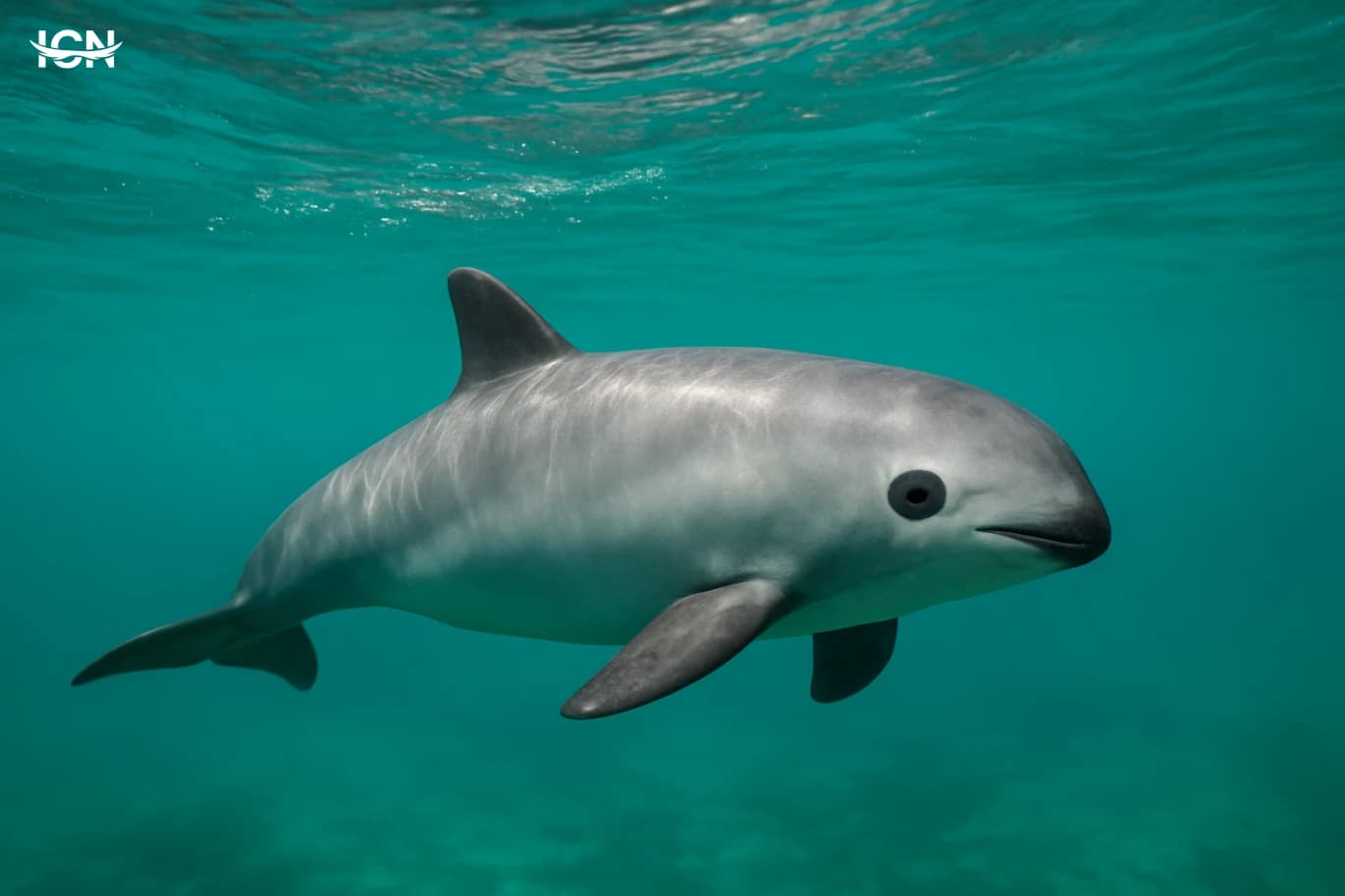
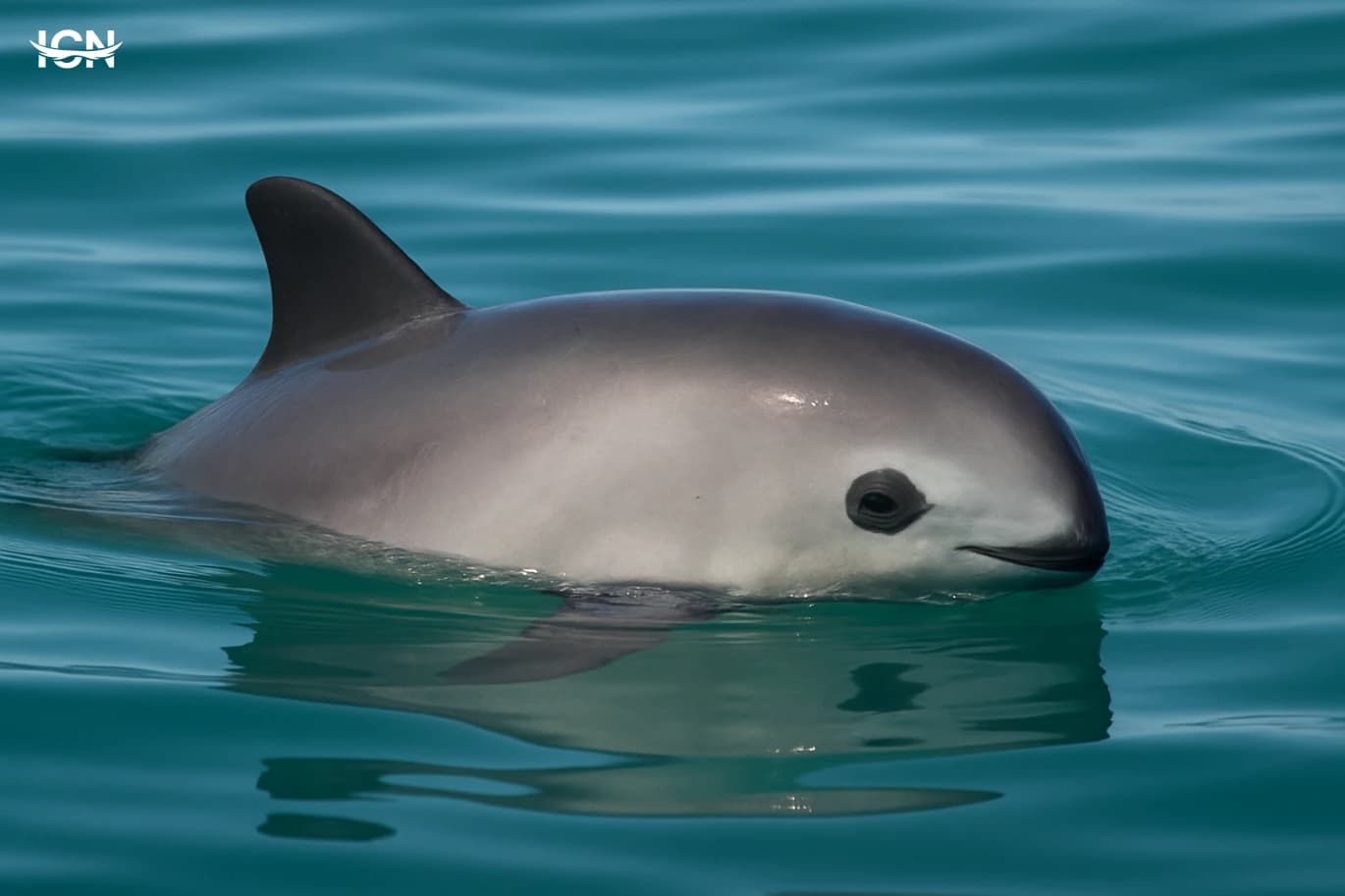
The vaquita is the world’s rarest marine mammal and one of the least observed. It is a small porpoise found only in the northernmost part of the Gulf of California, Mexico, in shallow, turbid waters where visibility is often poor. Adults are typically around 1.4–1.5 meters long, with a rounded head and distinctive dark rings around the eyes and lips that make it recognizable in photographs, though sightings are uncommon. Unlike many dolphins, vaquitas are shy, avoid boats, and surface briefly, which complicates research and public awareness. What makes the vaquita’s story unusually urgent is how quickly its population collapsed in recent decades. Scientific surveys using acoustic monitoring and visual transects have repeatedly documented steep declines, leaving only a tiny number of animals. Because the species lives in a very limited range, any local threat affects nearly the entire population at once. In conservation terms, the vaquita is a high-risk case: a small population, a narrow habitat, and a single dominant human-driven cause of death.
The Net That Changed Everything
The primary driver of vaquita deaths is entanglement in gillnets—walls of netting set in the water to catch fish and shrimp. Vaquitas, like other porpoises, must surface to breathe. When they become trapped, they can drown quickly. Gillnets are not aimed at vaquitas, but they are highly effective at catching anything of a certain size moving through the area, making them particularly dangerous for a small population. A major factor behind the crisis is the illegal fishery for totoaba, a large fish whose swim bladder is trafficked at high prices. Totoaba gillnets are often set in the same waters where vaquitas live. Even when enforcement targets totoaba, other legal and semi-legal gillnet fisheries can still pose risks if nets remain in the water. Conservation groups have removed “ghost nets” and active nets, but the scale of the problem is difficult: a single net can kill multiple animals, and the vaquita cannot afford even a small number of deaths each year. This is why the vaquita is frequently described as a bycatch emergency rather than a habitat-loss story. The water quality and food availability matter, but the immediate survival of the species hinges on eliminating gillnets from its core habitat and keeping them out consistently.
What Science Can and Can’t Do
Studying a species that avoids boats and lives in murky water requires specialized tools. Researchers rely heavily on passive acoustic monitoring: underwater devices record echolocation clicks that vaquitas use to navigate and hunt. By analyzing click rates and locations, scientists can estimate presence and relative abundance without needing frequent visual sightings. This approach has been central to tracking declines and identifying areas where vaquitas still persist. However, science has limits when numbers become extremely low. Statistical uncertainty grows, and it becomes harder to detect trends quickly. Attempts to capture and hold vaquitas in protected enclosures have been controversial and risky; past efforts were halted after stress-related complications. The consensus among many experts is that the safest “intervention” is not handling the animals but removing the lethal threat in their habitat. Technology can help enforcement as well. Satellite tracking of vessels, aerial surveys, and rapid-response teams can identify illegal net setting, but these tools only work when paired with consistent legal action and local cooperation. In the vaquita’s case, the gap is rarely a lack of scientific understanding; it is the difficulty of translating knowledge into sustained, on-the-water change.
Fishing Communities and Real Incentives
Any plan to save the vaquita intersects with the livelihoods of fishing communities in the upper Gulf of California. Gillnets are popular because they are relatively cheap, effective, and familiar. Bans and enforcement campaigns can create economic shocks if alternatives are not practical or profitable. This is why conservation policies increasingly focus on incentives: compensation programs, buyouts of gear, and support for switching to vaquita-safe fishing methods. Several alternative gears have been tested, including small trawls designed to reduce bycatch and different net designs intended to avoid entangling porpoises. The challenge is adoption at scale. Fishers need equipment that works in local conditions, catches target species efficiently, and can be sold into stable markets. If legal fisheries become less viable while illegal totoaba trafficking remains lucrative, enforcement alone can push activity underground rather than eliminate it. A credible strategy therefore combines three elements: reliable income pathways for legal fishing, strong and predictable enforcement against illegal gillnets, and market measures that reward compliant seafood. Without that mix, the vaquita becomes a symbol of conflict between conservation goals and economic survival, even though both depend on a functioning marine ecosystem.
What a Rescue Would Look Like
If the vaquita is to recover, the most immediate requirement is a sustained gillnet-free zone in its remaining habitat, not just temporary operations. That means continuous patrols, rapid removal of nets, and legal consequences that deter repeat offenses. It also requires monitoring that can confirm whether vaquitas are surviving and reproducing, using acoustic stations and targeted surveys. Recovery would likely be slow but possible if deaths drop close to zero. Porpoises can reproduce, but small populations are vulnerable to random events: storms, disease, or a sudden spike in illegal fishing. A realistic rescue plan therefore treats every year as critical. It prioritizes preventing adult deaths because losing breeding females has an outsized impact when numbers are tiny. International pressure can matter, particularly through actions that reduce demand for illegal wildlife products and improve traceability in seafood supply chains. But the decisive arena remains local: the upper Gulf, where rules are enforced, gear choices are made, and nets are either present or absent. In practical terms, saving the vaquita is less about discovering new biology and more about executing a consistent, measurable reduction in bycatch risk.
Why This Case Matters Beyond One Species
The vaquita’s decline is often described as a test of modern conservation because the cause is clear and the solution is conceptually straightforward: stop lethal nets in a small area. If the species disappears despite that clarity, it signals how difficult it can be to align enforcement, economics, and community realities even when the science is settled. This case also highlights a broader pattern affecting rare animals worldwide: illegal trade can rapidly overwhelm local protections, especially when high-value products create incentives that outcompete legal livelihoods. The totoaba-traffic link shows how one species can be pushed toward extinction by demand for another. For policymakers, it underscores the need for coordinated action across fisheries management, customs enforcement, and market regulation. For readers interested in extinct and rare animals, the vaquita is a reminder that rarity is not always ancient history. It can be a present-tense outcome of specific decisions about gear, policing, and trade. The difference between a living species and an entry in an extinction database may come down to whether gillnets are kept out of one small corner of the ocean, every day, for years.