App Logo

Download Our App

Shop your way

logologo
Image

Soft Tissue Sarcoma

04/03/2025By: Mustafa
Soft Tissue Sarcoma

What is soft tissue sarcoma?

What is soft tissue sarcoma? Soft tissue sarcomas are rare cancerous tumors in the tissues that support and surround your bones and organs. (Think muscles, tendons, fat and skin). You may develop soft tissue sarcomas anywhere but they usually appear in your arms, legs, chest and in the space behind your belly (retroperitoneum). Are soft tissue sarcomas common? No, they aren’t. The American Cancer Society estimates about 13,400 adults and children will learn that they have soft tissue sarcoma in 2023. Soft tissues sarcomas represent 1% of all cancers in adults. They represent 7% of all cancers in children up to age 15 and 3% of all cancers in children age 14 and younger. Types of soft tissue sarcomas There are 70 different types of soft tissue sarcoma. Some soft tissue sarcomas are more common in adults than in children and adolescents (older children between ages 15 and 19). According to the American Cancer Society, the most common soft tissue sarcomas in adults are: Undifferentiated pleomorphic sarcoma. This cancer develops in soft tissue in your legs, arms or chest, quickly spreading to other areas of your body. Liposarcoma. You may have this soft tissue sarcoma type in your belly but it may also appear in your thighs and other areas of your body. Leiomyosarcoma. This soft tissue sarcoma starts in your smooth muscles. You have smooth muscles in your belly, bladder, uterus, intestines and your blood vessels. The most common soft tissue sarcomas in teenagers and young adults are: Rhabdomyosarcoma. This is a very rare soft tissue sarcoma. Healthcare providers can treat this condition, but rhabdomyosarcoma may come back (recur). About 70% of people with rhabdomyosarcoma are alive five years after diagnosis. Ewing sarcoma in soft tissue. This sarcoma type usually develops in tissues next to your bones. Each year, healthcare providers diagnose about 200 cases of Ewing sarcoma in soft tissue. This condition mostly affects people ages 10 to 20. Based on age, the overall 5-year survival rate for this type of cancer is 76% for children younger than 15 and 59% for teenagers between ages 15 and 19. How serious is soft tissue sarcoma? Soft tissue sarcoma can be a serious medical issue. Like many forms of cancer, healthcare providers have more success treating soft tissue sarcomas if they diagnose the tumor before it spreads. Without treatment, soft tissue sarcomas may spread (metastasize) and affect other areas of your body. Symptoms and Causes What are soft tissue sarcoma symptoms? Many soft tissue sarcoma symptoms are similar to other, less serious conditions. You should contact a healthcare provider if you have: A new lump or a fast-growing lump anywhere on your body. A lump that starts to hurt. Belly pain that’s getting worse. Blood in your poop or poop that appears black. Nausea and vomiting. Losing weight without trying. What do soft tissue sarcomas look like? A soft tissue sarcoma in your leg or arm may look like a lump under your skin. It may look like the kind of lump or bump you’d get from smacking your leg or arm against a hard object like a table leg. The difference between that kind of lump or bump is that soft tissue sarcomas may not hurt or bruise like a bump from an injury. Soft tissue sarcomas also don’t go away like bumps from injuries. Instead, they may get larger. Sometimes they start to hurt. You may also have soft tissue sarcomas in your organs, like the back of your belly or the smooth muscles in your intestines. You won’t see those kinds of soft tissue sarcomas. What causes soft tissue sarcoma? Researchers are still unraveling what causes soft tissue sarcomas. They’ve found some potential risk factors such as certain inherited disorders and activities. A risk factor is anything that increases the risk you’ll get sick. (Having a risk factor doesn’t mean you’ll get sick. It means you could get sick.) Inherited (genetic) disorders Inherited disorders happen when people inherit genetic mutations (changes in their genes) that affect how their bodies work. Your provider may recommend genetic testing if your family members have certain inherited disorders. Inherited disorders that increase soft tissue sarcoma risk include: Li Fraumeni syndrome. Neurofibromatosis Type 1 (von Recklinghausen disease). Gardner syndrome. Other soft tissue sarcoma risk factors Other risk factors include: Having radiation therapy. Having lymphedema in your arms or legs that’s lasted for a long time. Exposure to chemicals including thorium dioxide, arsenic or vinyl chloride. Having human immunodeficiency virus (HIV)/AIDS increases your risk of Kaposi sarcoma. Diagnosis and Tests How is it diagnosed? Healthcare providers will ask you about your symptoms, specifically unusual lumps or bumps on your body. They’ll do a physical examination. They may do several tests, including: X-ray. X-rays take pictures of your soft tissues. Computed tomography (CT). CT uses computers to combine many X-ray images into cross-sectional views of the inside of your body. Providers often use this test to look for soft tissue sarcomas in your chest and the back of your belly. Magnetic resonance imaging (MRI). MRI uses a large magnet, radio waves and a computer to create clear images of your internal organs. Your provider may order this test if X-rays show abnormal growths and your provider wants clearer pictures. PET scan. This test uses a special glucose tracer that’s concentrated in cancer cells. The tracer detects higher-than-normal glucose in your body. High glucose levels may be a sign of a fast-growing cancerous tumor. Ultrasound. This test relies on sound waves and their echoes to develop pictures of parts of the body. Biopsy. Your provider obtains tissue that a medical pathologist will examine under a microscope. The pathologist may do several tests to identify the sarcoma type, stage and grade. Knowing tumor grade is how providers determine if a tumor is likely to grow slowly, grow fast or spread (metastasize). Do healthcare providers stage soft tissue sarcomas? Yes, they do. Providers use cancer staging systems to develop treatment plans and prognoses (what you can expect if you have a soft tissue sarcoma). Providers consider the following factors in staging soft tissue sarcomas: Tumor size. Original location. If the tumor has spread to other areas of your body. Tumor grade. The grade includes how much cancer cells look like normal cells (differentiation), how fast cancer cells are dividing (mitotic count) and how much of the tumor has cells that are dying (tumor necrosis). What are the stages of soft tissue sarcomas? Soft tissue sarcomas have four stages (Stage I to Stage IV) that combine information about tumor size, location and activity, and tumor grade. There are four grades for soft tissue sarcoma (GX to G3). In general, the lower the tumor’s grade, the better the prognosis. Stage groups are: Stage I: The tumor is small and low-grade (GX or G1). Stage II: The tumor is small and of higher grade (G2 or G3). Stage III: The tumor is larger and of higher grade (G2 or G3). Stage IV: The cancer has spread to other parts of your body. The original tumor can be any size, any grade, and may or may not have spread to the regional lymph nodes (any G). Management and Treatment What are treatments for soft tissue sarcomas? Treatments vary depending on factors such as tumor type, where it’s located and the tumor stage. In general, providers use surgery to treat small soft tissue sarcomas that haven’t spread. They may combine surgery with medical treatments, including: Chemotherapy. Radiation therapy. Targeted therapy. Immunotherapy. Prevention Can this be prevented? There’s no known way to prevent soft tissue sarcoma. If you know you have soft tissue sarcoma risk factors, ask a healthcare provider what symptoms may be signs you have the condition. That way, you and your provider can take steps to treat the condition before tumors spread. Outlook / Prognosis Is soft tissue sarcoma curable? That depends. The most common treatment is surgery to remove tumors. If a surgeon can remove a tumor before it grows and spreads, they may say they’ve cured the condition. But soft tissue sarcomas can come back (recur) after surgery and other treatment. What are the survival rates for this condition? Survival rates are estimates based on the experiences of large groups of people. What’s true for the people in those groups may not be true for you. If you have questions about your survival rate, ask your healthcare provider to explain what you may expect. Overall, experts estimate about 65% of adults with soft tissue sarcoma are alive five years after diagnosis. Survival rates for soft tissue sarcoma in children and adolescents vary depending on the soft tissue sarcoma type. About 70% of people with rhabdomyosarcoma are alive five years after diagnosis. Ewing sarcoma of soft tissue survival rates vary. Overall, 76% of children younger than age 15 are alive five years after diagnosis. An estimated 59% of adolescents (ages 15 to 19) are alive five years after diagnosis. Living With How do I take care of myself? If you have — or your child has — soft tissue sarcoma, the following suggestions may be helpful: Chemotherapy treatments affect people’s appetites. If you or your child has trouble eating, talk to a nutritionist. They’ll have recommendations for ways you or your child can get the nutrition needed to stay strong during treatment and recovery. Cancer treatment can be exhausting. Try to rest when you need to, not just when you have time. Cancer is stressful. You might find activities such as meditation, relaxation exercises or deep breathing help to ease your stress. Cancer can be lonely, particularly for kids who are going through something their friends may not understand. Your child may benefit by working with a child life specialist. Child life specialists are providers who help children cope with medical experiences. Soft tissue sarcomas can come back after treatment. That’s a common concern for cancer survivors. If you or your child is worried cancer will come back, ask your providers about cancer survivorship support.


* All articles published on this blog are sourced from various websites and are provided for informational purposes only. They should not be considered as confirmed studies or accurate information. Please verify the information independently before relying on it.

Similar ARTICLES

Blood Type and Dialysis Survival
People on maintenance hemodialysis face higher health risks than the general population, and clinicians constantly look for practical ways to refine risk prediction. Blood type is attractive because it is stable for life, routinely documented, and does not require extra testing. If a clear link existed between ABO blood groups and mortality in dialysis, it could help identify patients who might benefit from closer follow-up, earlier nutrition support, or more aggressive cardiovascular screening. The idea is not new. In the general population, ABO type has been associated in some studies with differences in clotting factors, inflammation markers, and risks of certain cardiovascular events. Dialysis patients already have complex changes in coagulation, vascular health, and immune function, so researchers have asked whether the same blood-type patterns might translate into measurable survival differences. A recent study brought renewed attention by reporting results that did not match common expectations, prompting discussion about what blood type can and cannot tell us in kidney failure care.
Living Well With Chronic Kidney Disease
Chronic kidney disease (CKD) can progress quietly for years because early changes in kidney function rarely cause obvious symptoms. Many people feel generally fine, or they attribute mild fatigue, reduced appetite, or swelling in the ankles to stress, age, or long workdays. This is one reason CKD is frequently discovered during routine blood and urine tests rather than after a clear warning sign. The kidneys filter waste products, balance fluids and electrolytes, and help regulate blood pressure. When filtration declines gradually, the body can compensate for a long time. That compensation can hide the problem until kidney function is significantly reduced. In practice, this means that people at higher risk benefit most from proactive screening, even when they feel well. Common risk factors include diabetes, high blood pressure, a family history of kidney disease, older age, obesity, and long-term use of certain pain relievers. Recurrent kidney stones, frequent urinary tract infections, and autoimmune conditions can also raise risk. A serious blog topic in the illnesses category is how to recognize risk early, ask for the right tests, and make practical changes that slow progression and protect quality of life.
Living Well With Chronic Kidney Disease
Chronic kidney disease (CKD) develops gradually, and many people feel fine for years because the kidneys can compensate even when function is declining. Early symptoms, when they appear, are often vague: fatigue, mild swelling in the ankles, changes in urination, or trouble concentrating. These signs can easily be blamed on stress, aging, or a busy schedule. That is why CKD is frequently discovered through routine blood and urine tests rather than through obvious warning signs. The most common drivers are diabetes and high blood pressure, which can damage the tiny blood vessels in the kidneys over time. Other contributors include recurrent kidney infections, inherited conditions, long-term use of certain pain medicines, and autoimmune disorders that affect the kidneys. Because these risks are common, CKD is not a rare issue, but it is underdiagnosed. Recognizing that “no symptoms” does not mean “no problem” is the first step toward earlier detection and better outcomes.
Understanding Migraine Beyond a Bad Headache
Migraine is a neurological illness, not simply a strong headache. For many people it comes as repeated attacks that can last from a few hours to several days, and it often affects work, study, and family routines. The pain is commonly one-sided and throbbing, but the defining feature is the package of symptoms around it: sensitivity to light and sound, nausea, and a need to lie down in a quiet, dark place. Some people experience warning signs hours or even a day before an attack, such as yawning, food cravings, mood changes, or neck stiffness. A subset of people have migraine with aura, meaning temporary neurological symptoms appear before or during the headache phase. Aura can include flashing lights, zigzag lines, blind spots, tingling in the face or hand, or difficulty finding words. These symptoms usually build gradually and resolve within an hour, which helps distinguish them from other urgent conditions. Migraine can start in childhood or adulthood, and it tends to run in families. It is also more common in women, and attacks can change across life stages, including during pregnancy and around menopause. Understanding migraine as an illness matters because it shapes treatment decisions. If someone treats every attack as “just stress” or “sinus pain,” they may miss patterns and triggers, delay preventive care, and overuse painkillers. Over time, frequent untreated attacks can lead to more days with symptoms and a higher risk of medication-overuse headache. A clear definition helps people seek appropriate evaluation, track attacks, and choose strategies that reduce both severity and frequency.
Living Well With Migraine
Migraine is a neurological illness that can disrupt work, family routines, and basic daily tasks. Unlike a typical tension headache, migraine often comes with nausea, sensitivity to light or sound, and a need to rest in a quiet, dark space. Many people also experience “brain fog,” trouble concentrating, or slowed thinking during an attack, which can be as limiting as the pain itself. Migraine can follow a pattern of phases. Some people notice early warning signs hours or even a day before the pain starts, such as unusual fatigue, frequent yawning, food cravings, or mood changes. Others experience an aura, which may include visual disturbances like flashing lights or blind spots, or sensory symptoms such as tingling. Understanding these patterns matters because early action can reduce the intensity and duration of an episode. Migraine is also common and frequently misunderstood. Because symptoms vary from person to person and can change over time, people may delay seeking care or accept frequent attacks as “normal.” A practical, informed approach starts with recognizing migraine as a treatable medical condition that benefits from planning, tracking, and a personalized prevention strategy.
Living Well With Chronic Kidney Disease
Chronic kidney disease (CKD) is a long-term decline in how well the kidneys filter waste and balance fluids, salts, and hormones. It is often described in stages based on estimated glomerular filtration rate (eGFR) and signs of kidney damage such as protein in the urine. Many people feel fine in early stages, which is why CKD is frequently discovered during routine blood and urine tests. The most common drivers are diabetes and high blood pressure, but repeated kidney infections, inherited conditions, and certain medications can also contribute. Understanding CKD as a gradual process helps explain why early action matters. When kidney function falls, the body may retain fluid and sodium, blood pressure can rise, and anemia or bone mineral problems can develop because the kidneys help regulate erythropoietin and vitamin D activation. CKD is not the same as kidney failure; many people remain stable for years with monitoring and targeted changes. The practical goal is to slow progression, reduce complications, and protect the heart, since cardiovascular disease risk increases as kidney function declines.
Hantavirus Fears and What Comes Next
Hantavirus is not a new pathogen, but it periodically returns to public attention when clusters of severe illness are reported or when health agencies issue reminders about prevention. The current wave of concern is driven by a familiar pattern: social media posts that frame any outbreak as “the next COVID,” combined with genuine uncertainty about what is happening in specific locations. In reality, hantaviruses are a group of viruses carried mainly by rodents, and most human infections occur through exposure to contaminated rodent urine, droppings, or saliva, often in enclosed or poorly ventilated spaces. The key point is that “hantavirus” is an umbrella term. In the Americas, the most discussed syndrome is Hantavirus Pulmonary Syndrome (HPS), which can cause rapid respiratory failure in a subset of patients. In parts of Europe and Asia, related hantaviruses more commonly cause a kidney-focused illness often referred to as hemorrhagic fever with renal syndrome, though severity varies by virus type and region. This diversity matters because it affects how cases are detected, how severe they tend to be, and what public health messaging should emphasize. Headlines often compress these distinctions into a single alarming narrative. A more accurate approach is to ask practical questions: Where are cases occurring? Which hantavirus is involved? Are infections linked to a shared exposure setting such as a cabin, storage area, farm building, or workplace? And are there any signs of sustained person-to-person spread? Those details determine whether the situation resembles a localized environmental risk or something that could scale into a broader public health emergency.
Why Cancer Rarely Starts in the Heart
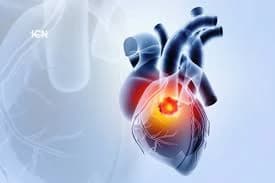
Many people hear that “cancer doesn’t affect the heart” and assume the heart is somehow protected. The reality is more specific: primary cancers that start in the heart are extremely rare, while cancers from other organs can still reach the heart or the tissue around it. In medical practice, doctors more often see heart involvement as a secondary issue—such as fluid around the heart, irritation of the heart lining, or spread to nearby structures—rather than a tumor that begins inside the heart muscle itself. This distinction matters. The heart can be affected by cancer indirectly through metastasis, by pressure from nearby tumors, or by treatments such as chemotherapy and radiation. But when people ask why the heart is “rarely” a starting point for cancer, the explanation is tied to how heart cells behave, how the heart is built, and how its environment differs from organs where cancers are common. Understanding these factors helps clarify the myth and highlights why monitoring heart health remains important for many patients with cancer.
Hair Loss During Cancer Care
Hair loss linked to cancer is usually a side effect of treatment rather than the disease itself. Many chemotherapy medicines target fast-growing cells, which includes cancer cells but also hair follicles that normally divide quickly. When follicles slow down or pause, hair can shed from the scalp and sometimes from eyebrows, eyelashes, and body hair. Radiation therapy can also cause hair loss, typically limited to the area being treated; the dose and treatment field strongly influence how much hair is affected. Not every cancer treatment causes noticeable shedding. Some chemotherapy regimens are more likely to lead to complete scalp hair loss, while others cause thinning. Targeted therapies and immunotherapies may cause thinning, texture changes, or patchy loss in some people, but patterns vary widely. Hormone therapies used for certain cancers can contribute to gradual thinning over time, similar to common hair loss patterns, and may be harder to link to a single start date. Your oncology team can often estimate the likelihood and timing based on the exact medicines and schedule.
Living Well With Chronic Migraine
Chronic migraine is not simply “bad headaches.” Clinically, it describes a pattern of frequent headache days, with migraine features on many of those days, that persists over time and disrupts work, family routines, and sleep. People often cycle through periods of trying to push through symptoms, then losing days to pain, nausea, light sensitivity, and brain fog. This stop‑start pattern can make the condition feel unpredictable even when it follows recognizable triggers. A key difference is the cumulative burden. When headaches happen often, the nervous system can become more sensitive, and the threshold for triggering an attack may drop. That means factors that once caused only mild discomfort—skipped meals, a late night, a stressful commute—can contribute to a full migraine day. Chronic migraine also tends to overlap with other issues such as neck pain, sleep disorders, anxiety about the next attack, and medication overuse, which can quietly increase headache frequency. Understanding this distinction matters because the goal shifts from treating isolated attacks to reducing overall monthly headache days and improving daily function. That usually requires a structured plan: tracking patterns, optimizing acute treatment, and considering preventive strategies. It also helps set realistic expectations: progress is often measured in fewer severe days, shorter attacks, and better recovery, not necessarily a complete disappearance of symptoms overnight.
World Autism Day in Practice
World Autism Awareness Day is observed on April 2 and is recognized internationally as a moment to focus public attention on autism spectrum disorder (ASD). The day is not a medical campaign about a single symptom; it is a practical reminder that autism is a lifelong neurodevelopmental condition that affects communication, social interaction, sensory processing, and patterns of behavior in different ways from one person to another. In many countries, the day is used to highlight gaps that families and autistic people face throughout the year: long waiting lists for assessment, uneven access to speech and occupational therapy, limited inclusive education options, and a shortage of trained professionals. It also helps shift the conversation from stereotypes to real-life needs such as early support, reasonable accommodations, and respectful services that consider individual strengths and challenges.
How Autism Varies From Child to Child
Autism is often described as a spectrum because children can share the same diagnosis while showing very different strengths, needs, and daily challenges. Two children may both meet diagnostic criteria, yet one speaks fluently and struggles mainly with social nuance, while another uses few words and needs extensive support with routines. This variation is not a sign of “more” or “less” autism in a simple sense; it reflects how multiple developmental areas interact, including communication, sensory processing, learning style, and flexibility. Clinicians typically assess patterns across settings, not a single behavior. A child may appear comfortable at home but become overwhelmed at school, or may engage well with adults yet find peer play confusing. The same child can also change over time: skills can grow with targeted support, and stress can temporarily reduce coping. Understanding autism as a profile rather than a single checklist helps families and educators focus on what matters most: the child’s functional needs, safety, learning access, and quality of life.
Understanding Long COVID in Everyday Life
Long COVID refers to symptoms that continue or appear weeks to months after the initial coronavirus infection, even when the acute illness was mild. It matters because it can affect work performance, school attendance, and daily routines in ways that are not always visible to others. Many people describe fluctuating symptoms, where a “good day” can be followed by a sudden setback after a normal activity like shopping or a short walk. This pattern makes planning difficult and can lead to repeated absences and reduced productivity. Health systems also pay attention because long COVID can increase demand for primary care visits, diagnostic tests, and rehabilitation services. For individuals, the key issue is uncertainty: symptoms may improve slowly, change over time, or persist. Understanding the condition as a real, measurable health problem helps people seek appropriate evaluation, document limitations for employers or schools, and avoid risky self-treatment. It also frames recovery as a process that often requires pacing, follow-up, and support rather than a quick return to previous routines.
By clicking the SUBSCRIBE button, you are agreeing to our Privacy & Cookie Policy If you want to unsubsribe the marketing email, please proceed to our privacy center.
© 2005-2026 ICN. All Rights Reserved.