Understanding Long COVID in Everyday Life

- Why Long COVID Still Matters
- Common Symptoms and Daily Patterns
- Who Is at Risk and Why
- Getting Evaluated Without Getting Lost
- Managing Symptoms at Home and at Work
- When to Seek Urgent Help and What Recovery Can Look Like
Why Long COVID Still Matters
Long COVID refers to symptoms that continue or appear weeks to months after the initial coronavirus infection, even when the acute illness was mild. It matters because it can affect work performance, school attendance, and daily routines in ways that are not always visible to others. Many people describe fluctuating symptoms, where a “good day” can be followed by a sudden setback after a normal activity like shopping or a short walk. This pattern makes planning difficult and can lead to repeated absences and reduced productivity. Health systems also pay attention because long COVID can increase demand for primary care visits, diagnostic tests, and rehabilitation services. For individuals, the key issue is uncertainty: symptoms may improve slowly, change over time, or persist. Understanding the condition as a real, measurable health problem helps people seek appropriate evaluation, document limitations for employers or schools, and avoid risky self-treatment. It also frames recovery as a process that often requires pacing, follow-up, and support rather than a quick return to previous routines.
Common Symptoms and Daily Patterns
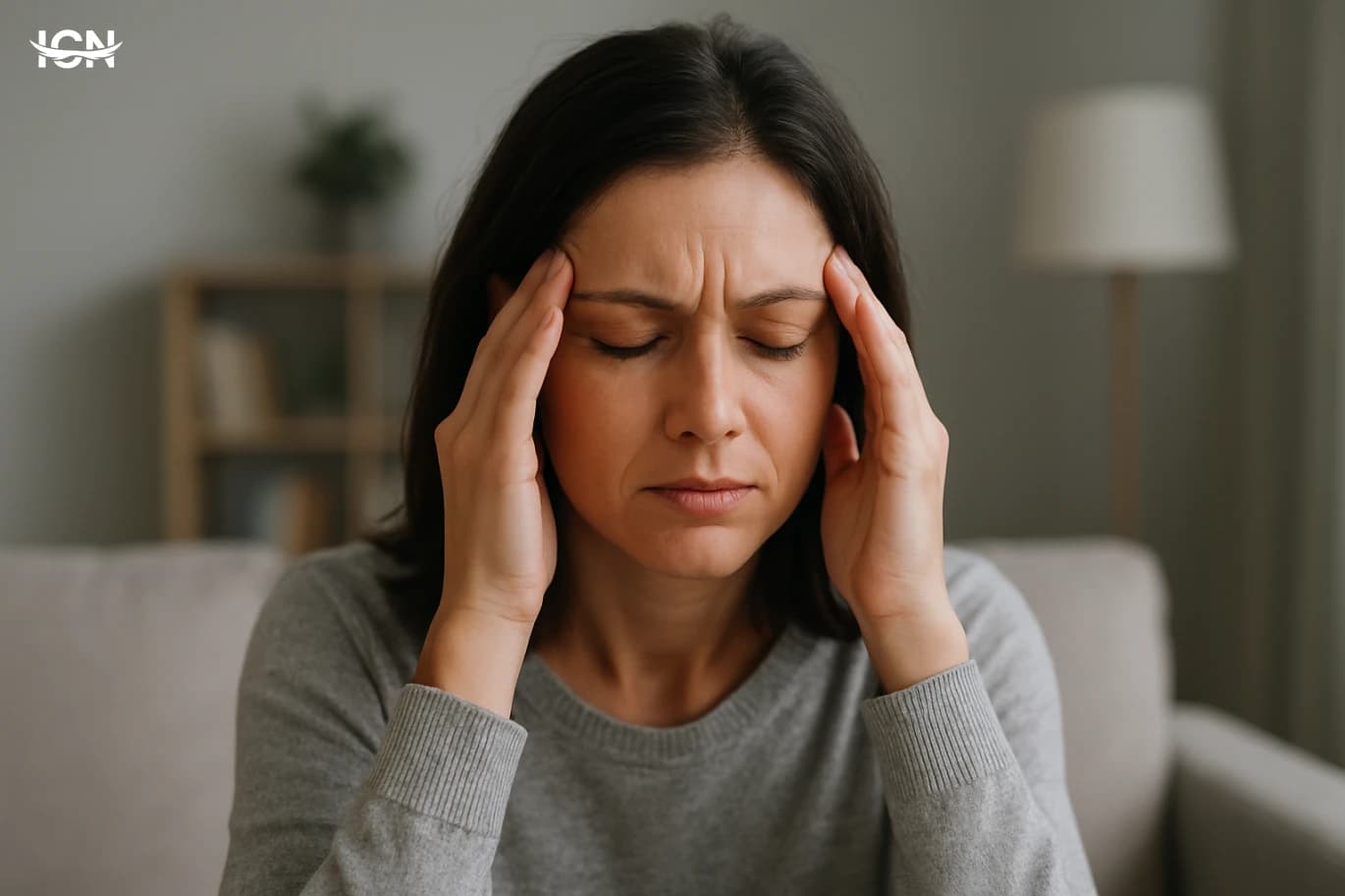
Long COVID can involve multiple body systems, and symptoms vary widely. Common complaints include persistent fatigue, shortness of breath during routine tasks, chest discomfort, palpitations, headaches, sleep disruption, and muscle or joint aches. Many people report “brain fog,” a practical term for slowed thinking, difficulty concentrating, and reduced short-term memory. Changes in taste or smell can linger, and some experience dizziness when standing, suggesting problems with blood pressure regulation. A notable feature is post-exertional symptom exacerbation: symptoms worsen after physical or mental effort that previously felt manageable. This can happen after exercise, a long meeting, or even a busy day of errands. The delay is important; the crash may occur later the same day or the next day, which can confuse people who assume the activity was safe. Tracking patterns with a simple diary—sleep, activity, stress, and symptoms—can help identify triggers and guide pacing. It also provides useful information for clinicians, especially when symptoms are intermittent and hard to capture during a short appointment.
Who Is at Risk and Why
Long COVID can affect adults and children, and it can occur after any severity of initial infection. Research has identified risk factors that increase likelihood, though none are absolute. People with more severe acute illness, especially those who required hospitalization, appear to have higher risk. However, many cases follow mild infections, which is why prevention and early attention remain relevant. Other factors associated with higher risk include older age, female sex in many studies, and certain pre-existing conditions such as asthma, diabetes, obesity, and autoimmune disorders. Repeated infections may also increase risk, and vaccination before infection has been associated in multiple studies with reduced likelihood of developing long COVID, though it does not eliminate it. Social and occupational factors matter too: jobs with limited sick leave can push people to return to full activity too quickly, potentially worsening recovery. Understanding risk is not about blaming individuals; it helps clinicians prioritize follow-up and helps people recognize that persistent symptoms deserve evaluation rather than dismissal.
Getting Evaluated Without Getting Lost
Because symptoms can be broad, evaluation often starts with a primary care clinician who can rule out urgent problems and coordinate referrals. A practical approach is to arrive prepared: list the initial infection date, major symptoms, what makes them worse, and how they affect daily function. Clinicians may check vital signs, oxygen saturation, and basic blood tests to look for anemia, thyroid issues, inflammation, or nutrient deficiencies that can mimic or worsen fatigue. Depending on symptoms, additional testing may include lung function tests, chest imaging, an ECG, or heart monitoring for palpitations. For persistent cognitive complaints, clinicians may screen for sleep disorders, depression, medication side effects, or vitamin deficiencies, and may recommend neurocognitive assessment when appropriate. The goal is not to “prove” long COVID with a single test—there is no universal one—but to identify treatable contributors and to ensure serious conditions are not missed. If you feel dismissed, it can help to ask specific questions: What diagnoses are being considered? What warning signs should prompt urgent care? What is the follow-up plan if symptoms persist?
Managing Symptoms at Home and at Work
Management often focuses on function and gradual recovery. Pacing is central: breaking tasks into smaller steps, scheduling rest before and after demanding activities, and avoiding the cycle of overdoing it on good days. Some people use heart rate monitoring to stay within a comfortable range, especially if exertion triggers symptom flare-ups. Sleep hygiene—consistent bedtime, limiting caffeine late in the day, and reducing screen exposure before sleep—can improve fatigue and cognitive performance. Nutrition and hydration matter, particularly for people with dizziness on standing; clinicians may advise increased fluids and, in some cases, salt intake if appropriate for the individual’s health profile. Gentle, individualized rehabilitation can help, but it should be adapted to symptoms; for those with post-exertional worsening, aggressive exercise programs may backfire. At work or school, practical accommodations can include flexible hours, remote days, reduced meeting load, extra time for tasks, and scheduled breaks. Documenting limitations and sharing a clear plan with supervisors or educators can reduce misunderstandings and support sustained participation without repeated setbacks.
When to Seek Urgent Help and What Recovery Can Look Like
Most long COVID symptoms are not emergencies, but certain signs should prompt urgent medical evaluation. These include severe or worsening shortness of breath at rest, chest pain that is new or intense, fainting, confusion that is sudden, or oxygen levels that are low if you have a home monitor. Persistent high fever or signs of dehydration also warrant prompt care. People with known heart or lung disease should be especially cautious and follow individualized advice. Recovery is often uneven. Many people improve over months with pacing, symptom-targeted treatment, and gradual return to activity, while others experience longer courses. Setting measurable, realistic goals can help: walking a certain distance without a crash, completing a workday with planned breaks, or improving sleep consistency. Regular follow-up allows adjustments, such as treating asthma-like symptoms, addressing anemia, or managing migraines. The most useful mindset is practical: track progress, avoid sudden increases in activity, and seek help when new symptoms appear. Long COVID is an active area of research, and care pathways continue to evolve, making ongoing communication with healthcare providers an important part of managing the condition.