Hantavirus Fears and What Comes Next
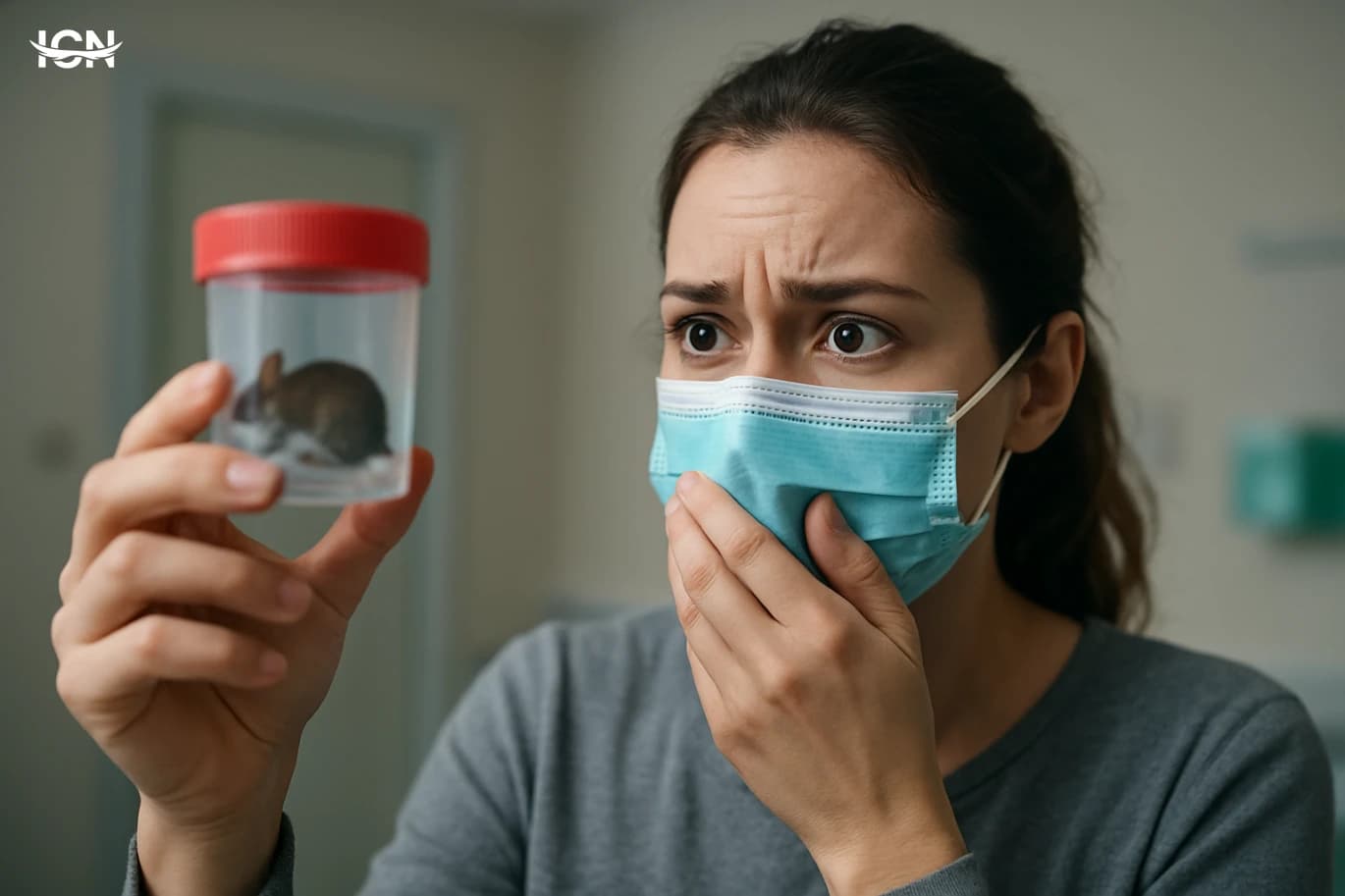
- Why hantavirus is back in headlines
- How infection happens and who is at risk
- Could it mirror COVID in spread
- What health systems watch for
- Practical prevention at home and work
- What to do if you suspect exposure
Why hantavirus is back in headlines
Hantavirus is not a new pathogen, but it periodically returns to public attention when clusters of severe illness are reported or when health agencies issue reminders about prevention. The current wave of concern is driven by a familiar pattern: social media posts that frame any outbreak as “the next COVID,” combined with genuine uncertainty about what is happening in specific locations. In reality, hantaviruses are a group of viruses carried mainly by rodents, and most human infections occur through exposure to contaminated rodent urine, droppings, or saliva, often in enclosed or poorly ventilated spaces. The key point is that “hantavirus” is an umbrella term. In the Americas, the most discussed syndrome is Hantavirus Pulmonary Syndrome (HPS), which can cause rapid respiratory failure in a subset of patients. In parts of Europe and Asia, related hantaviruses more commonly cause a kidney-focused illness often referred to as hemorrhagic fever with renal syndrome, though severity varies by virus type and region. This diversity matters because it affects how cases are detected, how severe they tend to be, and what public health messaging should emphasize. Headlines often compress these distinctions into a single alarming narrative. A more accurate approach is to ask practical questions: Where are cases occurring? Which hantavirus is involved? Are infections linked to a shared exposure setting such as a cabin, storage area, farm building, or workplace? And are there any signs of sustained person-to-person spread? Those details determine whether the situation resembles a localized environmental risk or something that could scale into a broader public health emergency.
How infection happens and who is at risk
Most documented hantavirus infections are linked to environmental exposure rather than routine social contact. The classic scenario involves cleaning or entering spaces where rodents have nested: sheds, barns, cabins, garages, grain storage areas, or rarely, poorly maintained urban structures. When sweeping or vacuuming disturbs dried droppings, tiny particles can become airborne and inhaled. Direct contact can also play a role, such as touching contaminated surfaces and then touching the mouth or nose, or through rodent bites, though bites are less commonly reported. Risk is therefore shaped by occupation and behavior. Farmers, forestry workers, pest-control staff, construction and renovation crews, and people who spend time in rural or semi-rural buildings are more likely to encounter rodent-contaminated environments. Seasonal patterns can matter too: rodent populations and human activities shift with weather, harvest cycles, and housing conditions. Importantly, risk is not evenly distributed across a country; it can be concentrated in specific regions where particular rodent species and virus strains circulate. Symptoms can begin like many viral illnesses, which complicates early recognition. Fever, fatigue, muscle aches, and headache are common early complaints. In HPS, respiratory symptoms can worsen quickly after a short initial phase, leading to cough and shortness of breath that require urgent care. In kidney-focused forms, abdominal pain, nausea, and reduced urine output may be more prominent. Because these symptoms overlap with influenza-like illnesses, clinicians rely on exposure history and targeted testing to confirm a diagnosis. For the public, the most actionable takeaway is that risk is tied to rodent exposure, not to everyday interactions with other people in most settings. That distinction helps prevent unnecessary panic while focusing attention on practical prevention in homes, workplaces, and recreational sites.
Could it mirror COVID in spread
Comparisons with COVID-19 are understandable because the pandemic reshaped how people interpret health alerts. But the core drivers of spread are different. COVID-19 spread efficiently from person to person through respiratory droplets and aerosols, including from people with mild or no symptoms. That combination enabled rapid, global transmission. For most hantaviruses, the dominant transmission route is from rodents to humans, not sustained human-to-human spread. That generally limits outbreaks to sporadic cases or small clusters tied to shared environments. Public health investigations often focus on identifying exposure sites, assessing rodent infestation, and advising on cleanup and prevention rather than on mass contact tracing. There is one nuance that fuels anxiety: a limited form of person-to-person transmission has been documented with specific hantavirus strains in certain contexts, most notably Andes virus in parts of South America. Even there, transmission is not comparable to COVID-19 in speed or scale, and it tends to require close contact. The existence of exceptions does not mean every hantavirus behaves the same way, but it does justify careful surveillance and clear communication when cases appear. So, could hantavirus “become the next COVID”? Based on what is known today, widespread global spread on the COVID model is unlikely because the virus ecology depends heavily on rodent reservoirs and exposure patterns. The more realistic risk is localized spikes in cases following increases in rodent populations, changes in land use, extreme weather that pushes rodents into human structures, or lapses in building maintenance and pest control. Preparedness should therefore prioritize environmental health measures, rapid diagnosis, and targeted public guidance rather than assuming a pandemic trajectory.
What health systems watch for
When clinicians suspect hantavirus, confirmation typically relies on laboratory testing that detects antibodies or viral genetic material, depending on timing and local capacity. Because early symptoms are non-specific, awareness among frontline providers is crucial, especially in regions where hantavirus has been documented before. A detailed exposure history—recent cleaning of rodent-infested spaces, rural travel, occupational exposure, or contact with rodent droppings—can be the clue that prompts testing. Public health agencies monitor for unusual patterns: a sudden rise in severe respiratory cases with shared exposure links, multiple cases tied to a particular building or campsite, or cases appearing outside known endemic areas. They may also track rodent population indicators and environmental signals that correlate with higher risk, such as increased rainfall that boosts food supply for rodents, or drought and habitat disruption that push rodents into human dwellings. Hospitals and emergency services focus on readiness for severe cases. HPS can progress quickly, and supportive care—oxygen therapy, careful fluid management, and intensive monitoring—can be lifesaving. There is no widely available specific antiviral treatment proven to reliably reverse severe disease once advanced, so early recognition and rapid escalation of care matter. Communication is part of surveillance. Clear, location-specific guidance helps prevent misinformation. Instead of broad alarm, agencies typically emphasize practical steps: safe cleanup methods, pest control, and when to seek medical attention. The goal is to reduce exposure while ensuring that potential cases are identified early enough for effective supportive treatment.
Practical prevention at home and work
Prevention is largely about reducing rodent presence and avoiding aerosolizing contaminated dust. The first line is exclusion: seal gaps around doors, windows, and utility lines; repair screens; and store food, including pet food, in rodent-proof containers. Waste management matters—secure trash bins and remove clutter that provides nesting sites. In workplaces such as warehouses, farms, and construction sites, routine inspection and integrated pest management can reduce risk. Cleanup practices are where many people make mistakes. Dry sweeping or vacuuming rodent droppings can spread particles into the air. Safer methods include ventilating the area, wearing appropriate protective gear as advised locally, and using disinfectant solutions to wet down droppings and contaminated surfaces before wiping them up. Materials used for cleanup should be disposed of properly, and hands should be washed thoroughly afterward. For travelers and outdoor enthusiasts, the advice is straightforward: avoid sleeping in buildings with signs of rodent activity, keep food sealed, and be cautious when opening cabins or storage spaces that have been closed for months. If you must enter such a space, air it out first and avoid stirring dust. These measures are not exotic or expensive; they are basic environmental health steps. Their effectiveness comes from consistency. Communities that maintain housing quality, enforce sanitation standards, and support pest-control programs tend to reduce the conditions that allow rodent populations to thrive near people.
What to do if you suspect exposure
If you believe you were exposed—such as cleaning a rodent-infested area without proper precautions—monitor for symptoms over the following days and weeks, and document what happened. The most useful information for a clinician is specific: the date and location of exposure, the type of setting (cabin, shed, workplace), visible signs of rodents, and what cleanup methods were used. Seek medical advice promptly if fever develops after a credible exposure, especially if it is accompanied by worsening shortness of breath, persistent cough, chest tightness, or signs of dehydration and reduced urination. Because severe forms can progress quickly, waiting for symptoms to “pass” can be risky. Early evaluation also helps rule out other conditions that may require different treatment. From a public health perspective, reporting suspected exposure sites can help prevent additional cases. Property owners and managers may need guidance on safe remediation and pest control. In some settings, occupational health teams can assess whether coworkers face similar risks and whether workplace controls are adequate. The broader lesson from recent years is that vigilance does not have to mean panic. Hantavirus is serious, but it is also, in most contexts, preventable through practical environmental measures and informed clinical awareness. Treating it as a targeted risk—rather than an inevitable new pandemic—leads to better decisions for individuals, employers, and health authorities.