App Logo

Download Our App

Shop your way

logologo
Image

Ramadan Workouts Without Fatigue

03/09/2026By: ICN Writer
Ramadan Workouts Without Fatigue

What “ideal” means in Ramadan

In Ramadan, the “ideal” workout is not the hardest one. It is the one you can repeat consistently while fasting, sleeping less, and managing family or work schedules. For most women, the best approach is low to moderate intensity training that protects muscle, supports posture, and keeps daily movement high without draining energy. A practical definition is simple: you should finish the session feeling better, not depleted. Your breathing should be elevated but controlled, and you should be able to speak in short sentences. If your workout causes dizziness, strong headaches, nausea, or a sharp drop in performance the next day, it is too intense for your current Ramadan routine. The goal is to maintain fitness and body composition, not chase personal records. That means prioritizing three pillars: steady walking or light cardio, short strength sessions to preserve muscle, and mobility work to reduce stiffness from long sitting and altered sleep. When these are combined with smart timing around iftar and suhoor, you can stay lean and active without feeling exhausted.

Best workout types for staying lean

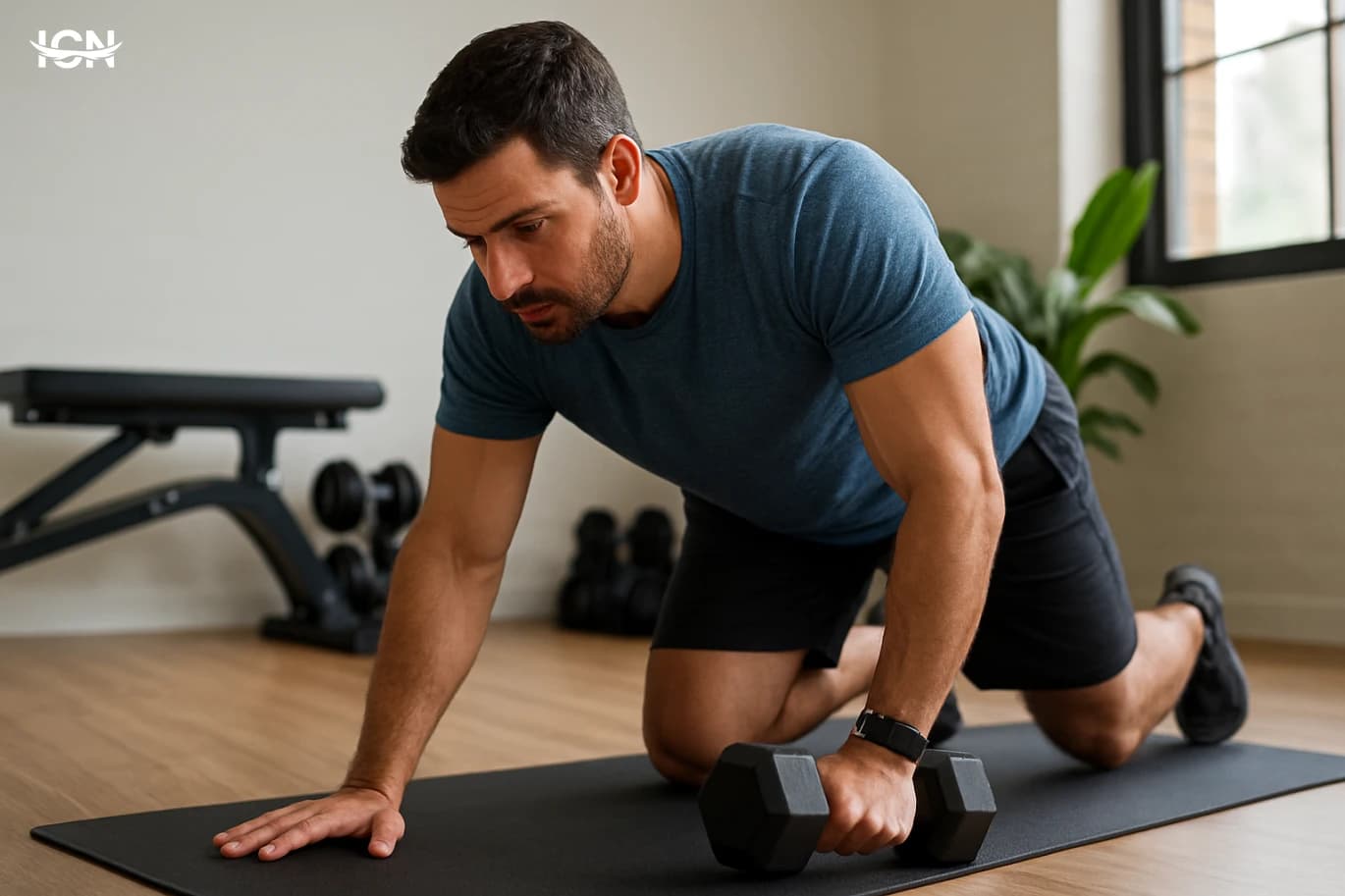
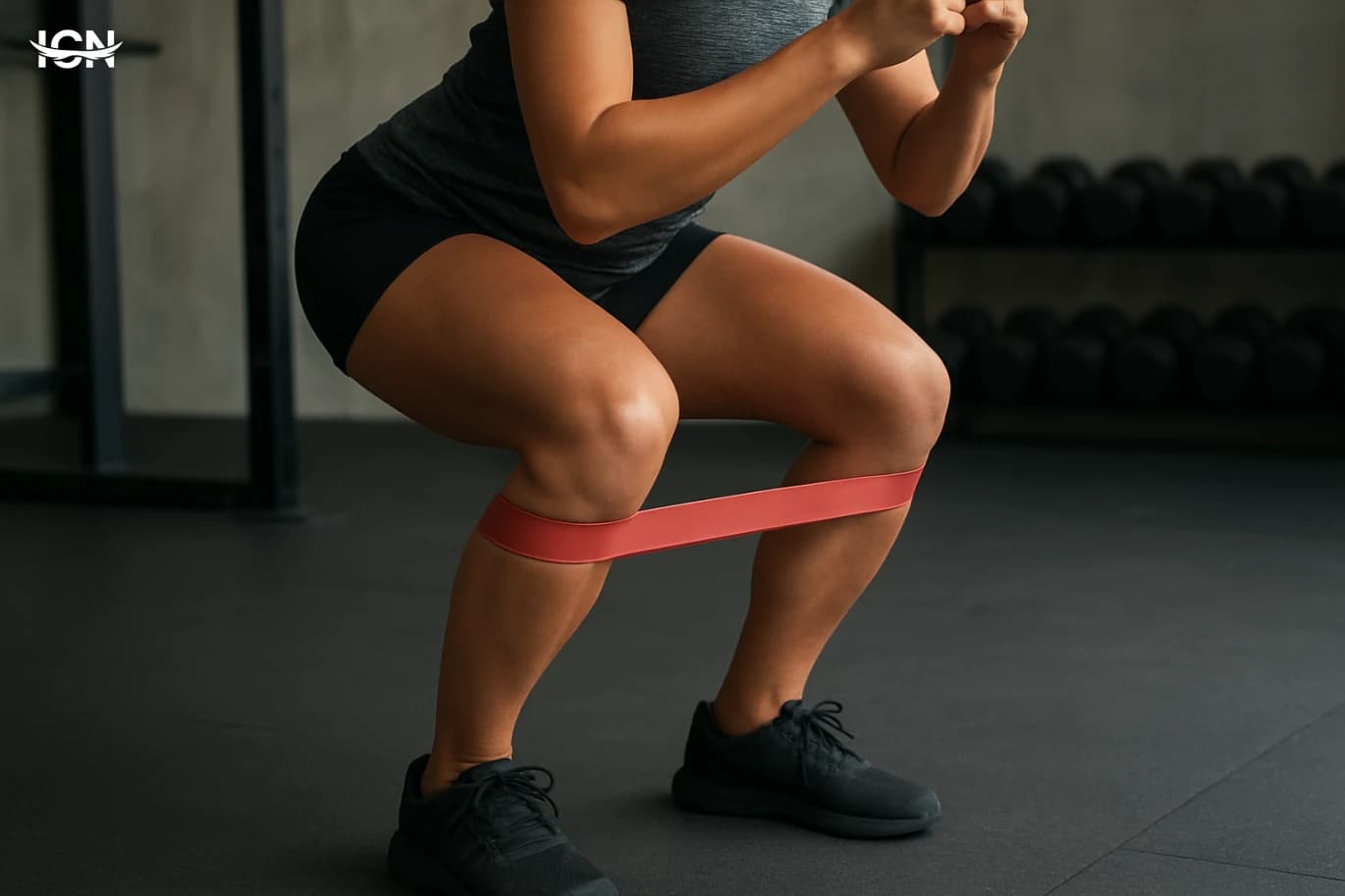
For most women, the most “Ramadan-friendly” workouts are those that keep intensity moderate and duration reasonable. Walking is the top choice because it supports calorie balance, improves digestion after meals, and does not require heavy recovery. Aim for 25–45 minutes at a comfortable pace, either outdoors or on a treadmill. Low-impact cardio is another strong option: cycling at an easy pace, elliptical, or swimming if available. Keep it steady rather than interval-based. A simple guideline is to maintain a pace you could sustain for the full session without needing long breaks. Strength training remains important, but it should be simplified. Two to three sessions per week, 20–35 minutes each, can maintain muscle and shape. Focus on full-body movements with light to moderate loads: squats to a chair, hip hinges, glute bridges, step-ups, rows with bands, push-ups on an incline, and overhead presses with light dumbbells. Use controlled form, stop 1–2 reps before failure, and avoid long, exhausting circuits. Mobility and core stability are the “quiet winners” in Ramadan. Ten to fifteen minutes of stretching, hip and shoulder mobility, and gentle core work (dead bug, bird dog, side plank variations) can reduce back discomfort and improve posture, especially if you sit for long hours or drive often. If you enjoy group classes, choose low-impact formats such as Pilates, gentle yoga, or beginner dance fitness. The best class is the one that leaves you energized and does not push you into breathless, high-intensity zones while fasting.

Timing your workouts around iftar and suhoor

Timing is the main factor that determines whether you feel strong or drained. There are three practical windows, and the best one depends on your schedule and how your body responds. First option: 60–120 minutes after iftar. This is the most popular choice because you are hydrated and have some fuel. Keep the meal light at first: water, a few dates, soup, and a small portion of protein. Then train, and eat a balanced main meal afterward. This window works well for strength training and moderate cardio. Second option: 30–45 minutes before iftar. This suits women who prefer to train and then immediately rehydrate and eat. Keep it easy: walking, mobility, or a short, light strength session. Avoid long or intense workouts here because dehydration risk is higher. Third option: after suhoor, early morning. This can work if you can rest afterward. Choose gentle movement such as walking indoors, stretching, or a short Pilates session. If you have a busy morning, this timing may feel too demanding. Across all options, keep sessions shorter than usual. In Ramadan, 20–40 minutes is often enough. Consistency matters more than volume. If you feel your sleep is suffering, reduce training frequency and prioritize steps and mobility until your routine stabilizes.

A simple weekly plan you can follow

A realistic Ramadan plan balances movement with recovery. Here is a simple structure that fits many schedules and keeps fatigue low. Three days per week: full-body strength, 25–35 minutes. Pick 5–6 exercises and do 2–3 sets each: squat variation, hip hinge or glute bridge, row, push, step-up or lunge variation, and a core stability move. Rest 60–90 seconds between sets. Keep weights moderate and technique strict. Two to four days per week: walking, 30–45 minutes. You can split it into two shorter walks if evenings are busy. If you track steps, aim for a steady target that you can hit most days, such as 7,000–10,000 steps, adjusting based on your baseline. Daily: mobility, 8–12 minutes. Focus on ankles, hips, thoracic spine, and shoulders. Add gentle breathing drills to reduce tension and improve sleep quality. If you are new to training, start with two strength days and three walking days. If you are experienced, avoid adding extra high-intensity sessions just because you have motivation. In Ramadan, the best program is the one that protects your energy and keeps you consistent until Eid.

Nutrition and hydration that support training

To stay lean without fatigue, your training must match your nutrition and hydration. At iftar, start with water and a small, easy-to-digest plate. Then prioritize protein at the main meal to support muscle maintenance. Many women do well with a palm-sized portion of chicken, fish, lean meat, eggs, or legumes, plus vegetables and a moderate portion of carbohydrates. Carbohydrates are not the enemy in Ramadan; they are a tool. If you train after iftar, include rice, potatoes, oats, or whole grains in amounts that fit your hunger and activity level. If your goal is weight maintenance or gradual fat loss, keep portions steady and avoid turning the evening into continuous snacking. Hydration is often the limiting factor. Aim to drink regularly between iftar and suhoor, not all at once. Include water-rich foods such as soup, salad, and fruit. If you sweat heavily, consider an electrolyte source through food choices, such as lightly salted meals, yogurt, or mineral water, while keeping overall salt reasonable. At suhoor, choose a meal that lasts: protein plus fiber plus healthy fats. Examples include eggs with vegetables and whole-grain bread, Greek yogurt with oats and nuts, or lentils with salad and olive oil. This combination supports stable energy and reduces the urge to overeat at iftar. If you use caffeine, keep it moderate and earlier in the evening to protect sleep. Poor sleep is one of the fastest ways to feel exhausted and to lose training consistency.

Warning signs and smart adjustments

Even with a good plan, some days will feel harder. The key is to adjust early instead of forcing a session that will cost you two days of recovery. Reduce intensity if you notice persistent dizziness, unusual shortness of breath, heart palpitations, or a headache that worsens with movement. Also pay attention to performance markers: if your usual warm-up feels heavy and your pace drops sharply, switch to walking and mobility. A smart adjustment is to keep the habit but lower the load. For strength training, cut the number of sets in half, use lighter weights, and extend rest times. For cardio, shorten the session and keep it conversational. You can also replace a workout with a 20-minute walk after iftar and still support your goals. If you have a medical condition, are pregnant, or are returning after a long break, it is safer to consult a qualified health professional before changing your routine. The most effective Ramadan fitness strategy is the one that respects your body signals, protects hydration and sleep, and keeps you moving steadily through the month.


* All articles published on this blog are sourced from various websites and are provided for informational purposes only. They should not be considered as confirmed studies or accurate information. Please verify the information independently before relying on it.

Similar ARTICLES

Swimming for Chronic Back Pain Relief
Chronic back pain often worsens when everyday movement repeatedly loads sensitive joints, discs, and surrounding muscles. Water changes that loading pattern. Buoyancy reduces the effective body weight your spine has to carry, which can make movement possible on days when walking or gym exercise feels too irritating. In practical terms, many people feel less compression through the lower back when they are chest-deep in a pool, and that can allow a longer, steadier session without the stop-start pattern that fuels stiffness. Swimming and water-based movement also provide uniform resistance in multiple directions. That matters for back pain because the trunk is designed to stabilize against forces coming from different angles, not just to bend forward and back. In the pool, you can train the muscles that support posture and spinal alignment with lower impact and fewer sudden spikes in load. For people who have been avoiding activity due to fear of pain, water can be a controlled environment to rebuild confidence, improve tolerance to movement, and reduce the cycle of guarding and deconditioning that keeps symptoms persistent.
Exercise, Mood, and Self-Worth
Regular physical activity affects mental health through several practical pathways. During and after exercise, the body releases chemicals linked to improved mood and reduced stress response, while heart rate and breathing patterns shift in ways that can calm the nervous system. Many people also experience better sleep quality when they move consistently, and sleep is closely tied to emotional regulation, focus, and resilience. Beyond biology, exercise creates structure in the day: a planned walk, a gym session, or a short home routine can provide a predictable anchor that reduces the sense of chaos that often accompanies stress. Exercise also offers a measurable sense of progress. When you track steps, minutes, or repetitions, you can see improvement over time, which supports motivation and a more stable mood. Even light activity can matter. A 10–20 minute brisk walk can be enough to shift energy levels and reduce mental fatigue, especially when done outdoors or away from screens. The key is consistency and choosing a form of movement that fits your schedule and preferences, because adherence is what turns short-term relief into a lasting mental health benefit.
Exercise, Mood, and Self-Confidence
Physical activity affects mental health through several measurable pathways. During moderate exercise, the body increases circulation and oxygen delivery, which supports brain function and attention. Many people also experience short-term shifts in stress chemistry: cortisol can normalize after activity, while neurotransmitters linked to motivation and calmness become more available. Over time, consistent training is associated with improved sleep quality, steadier energy during the day, and fewer spikes in irritability. The psychological side is just as important. Exercise creates a clear start and finish, which can reduce mental clutter and provide a sense of control on days that feel unpredictable. It also offers a practical break from screens and constant notifications. Even a 20–30 minute session can act as a reset, especially when it includes rhythmic movement such as brisk walking, cycling, or swimming. The key is not intensity alone, but regular exposure to movement that the person can sustain without burnout.
Weekend Strength Plan for Busy Adults
Many adults want strength training but cannot protect four or five weekday sessions from meetings, commuting, and family logistics. A weekend-focused plan solves the scheduling problem by concentrating the heaviest work into two longer sessions while keeping weekday training short and predictable. The goal is not to “make up” for missed days with extreme volume; it is to apply enough high-quality sets to drive progress, then use brief weekday sessions to maintain movement practice, joint health, and conditioning. This approach fits people who can reliably reserve 60–90 minutes on Saturday and Sunday, but only 15–30 minutes on two weekdays. It also works well for anyone who prefers fewer gym trips, trains at home, or shares equipment. The key is structure: you need clear priorities for the weekend, a simple progression method, and weekday sessions that support recovery instead of competing with it.
Build Stronger Knees for Running
Knee discomfort in runners is often less about the knee joint itself and more about how the whole leg manages load. When weekly mileage rises quickly, or when speed sessions are added without enough recovery, tissues around the knee can become sensitive. Common patterns include pain around the kneecap during stairs or after long runs, or a tight feeling on the outside of the knee late in a run. These issues are frequently linked to limited hip control, weak quadriceps endurance, stiff ankles, or a stride that increases braking forces. A practical way to think about it is capacity versus demand. Demand goes up with hills, faster paces, longer runs, hard surfaces, and poor sleep. Capacity goes up with gradual training, strength work, and consistent mobility. If demand outpaces capacity for several weeks, the knee becomes the “alarm.” The goal of knee-focused training is not to chase pain with random exercises, but to improve the leg’s ability to absorb and produce force repeatedly, especially when fatigue sets in.
Stronger Knees for Everyday Training
Knee discomfort during training is often less about “bad knees” and more about how load is distributed through the hip, knee, and ankle. Many people increase running mileage, add jump rope, or start squat-focused programs while their tissues are still adapting. When weekly volume rises too fast, the knee can become the place where the body signals overload. Another common driver is technique drift under fatigue: knees collapsing inward, heels lifting, or the torso pitching forward can shift stress to the front of the knee. Daily habits matter as much as gym habits. Long hours sitting can reduce hip extension and make the quads dominate movement, which may increase knee strain during stairs, lunges, and squats. Footwear and surface changes also play a role: switching to minimalist shoes, running on cambered roads, or doing high-impact classes on hard floors can change joint angles and loading patterns. The goal is not to avoid knee-bending movements, but to build capacity so the knee tolerates them comfortably. This article focuses on practical training adjustments that improve knee resilience: smarter progressions, better warm-ups, and strength work that targets the muscles controlling knee alignment. It is designed for recreational lifters, runners, and class-goers who want to keep training consistently without recurring knee irritation.
Stronger Knees for Running and Daily Life
Knee discomfort is often blamed on the joint itself, but in many training routines the knee is simply the place where stress shows up. When the hips are weak, the foot and ankle are stiff, or the stride is inconsistent, the knee ends up absorbing forces it was not meant to handle alone. Runners commonly increase mileage or speed before their tissues are ready, and gym-goers may load squats and lunges without stable alignment. Even outside sport, long hours of sitting can reduce hip mobility and glute activation, which changes how the knee tracks when you climb stairs or stand up. A practical way to think about knee workload is to look at the chain above and below it. Limited ankle dorsiflexion can push the knee inward during a squat. Weak hip abductors can allow the thigh to rotate inward during running, increasing stress around the kneecap. Poor hamstring strength can shift more demand to the front of the knee during deceleration. None of these issues require extreme solutions, but they do require a plan that builds capacity gradually and reinforces consistent movement patterns. This topic focuses on training the knee as part of a system: improving control, strength, and tolerance to load. The goal is not to promise “pain-free” outcomes for everyone, but to offer a structured approach that many people can use to reduce overload risk and train with better confidence. If swelling, locking, or sharp pain is present, professional assessment is still the right next step.
The 30 Minute Strength Plan for Busy Weeks
A short session can build strength when it is structured around the right priorities: big movement patterns, controlled effort, and consistent weekly exposure. For most people, the limiting factor is not motivation but time and decision fatigue. A 30-minute plan reduces friction by narrowing choices and focusing on a small set of exercises that cover the whole body. The goal is not to “cram” a full gym routine into half an hour, but to hit the minimum effective dose that still drives progress. Strength gains come from repeated practice under load, not from long workouts. If you train three to four times per week, a 30-minute session can deliver 90–120 minutes of quality work, which is enough to improve technique and increase load over time. The key is to keep rest periods intentional, avoid unnecessary exercise variety, and track a few metrics. When the plan is simple, you are more likely to show up, and consistency is the main driver of results.
The 30 Minute Strength Plan for Busy Weeks
This topic is built for people who want measurable strength and muscle maintenance but can only protect three short training windows per week. It fits office schedules, parents with limited childcare time, students during exam periods, and anyone whose calendar changes week to week. The plan assumes you can train for 30 minutes, including warm-up, and that you have either a basic gym setup or a pair of adjustable dumbbells and a bench. The goal is not to chase exhaustion. The goal is to hit the minimum effective dose of strength work with consistent progression. Each session focuses on a small number of compound movements, uses time-efficient set structures, and avoids long rest periods that stretch a workout into an hour. You will also learn how to adjust the plan when sleep is short, when soreness is high, or when you miss a day, so the week does not collapse into “start again next Monday.”
The 8 Week Strength Reset Plan
This topic focuses on a practical eight-week “strength reset” for people who feel stuck: training consistently but not getting stronger, or returning after a break and unsure how to rebuild safely. The plan is designed for general gym access (barbell or dumbbells, a bench, and a cable or pull-up option), but it also includes substitutions so it works in a modest facility. It targets full-body strength with a clear schedule, limited exercise selection, and measurable progression so you can see results week to week. The audience is intermediate beginners and early intermediates: you know basic form for squats, presses, hinges, and rows, but your sessions may be random or overly complicated. It also fits busy professionals because it uses three main training days per week, with an optional short fourth day for conditioning and mobility. The key promise is not a dramatic transformation, but a reliable return to progressive overload, better recovery, and a simple way to track performance without spending hours in the gym. The article will set expectations: you will not max out every week, and you will not chase soreness. Instead, you will build repeatable training quality—consistent warm-ups, controlled working sets, and planned increases. By week eight, the goal is to lift more with cleaner technique, maintain energy across sessions, and have a template you can repeat or adapt for the next cycle.
The 30 Minute Strength Plan for Busy Weeks
A 30-minute strength session can drive real progress when it is structured around a few high-value movements, consistent weekly volume, and clear effort targets. For most people, the biggest barrier is not physiology but scheduling: workouts get skipped when they feel too long or complicated. A shorter plan reduces friction and makes it easier to train three to four times per week, which is often more effective than one long session that happens inconsistently. The key is to focus on compound patterns that train multiple muscle groups at once—squat, hinge, push, pull, and carry—then use simple progression. You do not need a long list of exercises; you need repeatable sessions where you can track load, reps, and rest. When time is limited, avoid “junk volume” such as excessive isolation work, long warm-ups that turn into workouts, or random circuits with no measurable progression. Instead, aim for 12–18 hard working sets per session across the main patterns, with rest periods that keep quality high without wasting time. This topic is about building a practical, time-efficient strength plan that fits busy weeks without sacrificing technique, recovery, or measurable results.
By clicking the SUBSCRIBE button, you are agreeing to our Privacy & Cookie Policy If you want to unsubsribe the marketing email, please proceed to our privacy center.
© 2005-2026 ICN. All Rights Reserved.