App Logo

Download Our App

Shop your way

logologo
Image

Musa Al-Taamari, Jordanian national team player

10/15/2024By: ICN
Musa Al-Taamari, Jordanian national team player

Musa Al-Taamari's sports career

His beginnings in the world of football Musa Al-Taamari began his sports career at an early age, joining the local football academy. His great passion for the game was evident from the beginning, which made him quickly progress through the youth levels. He was promoted to his club’s first team after proving his ability in the game. His brilliance with the Jordanian national team Musa was able to attract attention with his distinguished performances in several tournaments. He joined the Jordanian national team, where he presented wonderful matches crowned with goals and creating opportunities. His contributions were vital to the team’s success during the qualifiers and international matches, making him one of the prominent names in the history of Jordanian football.

Achievements and Awards

His important victories with the national team Musa Al-Taamari helped his national team achieve historic victories, including qualifying for the Asian Cup finals, where he showed amazing performances that contributed to raising the team’s morale. His collective memory recalled the decisive moments when he made the difference, making him a symbol of national pride. Awards He received Musa Al-Taamari was crowned with many awards for his creativity on the field, including the title of the best player in the local league, in addition to being honored by the Jordan Football Association. His achievements highlight his continuous efforts to develop his skills and fulfill the aspirations of the fans.

Technical performance and distinctive techniques

Playing strategy on the field Musa Al-Taamari was distinguished by his clear strategic plans during matches, as he was able to read the field and interact with his teammates in a distinctive way. His thoughtful movements played a fundamental role in organizing the game and creating opportunities. His outstanding individual skills Musa's individual skills are considered one of the most important factors in his success. He is distinguished by his ability to control the ball, in addition to his great speed in dribbling. The accuracy of his passes and the powerful shots he provides make him a distinguished player in any team he plays in, which helps him advance and achieve goals.

Social and Human Impact

Role as a role model for youth Musa Al-Taamari is a role model for youth, proving through his achievements that hard work and determination can lead to success. He always strives to give his best, which encourages young people to achieve their goals and ambitions. Contributions to the community In addition to his sporting success, Musa contributes to raising social awareness through charitable activities and initiatives that aim to support the needy. He participates in many events that enhance the spirit of cooperation and community cohesion, making him an influential and beloved figure among his fans.

Secrets and facts you may not know about Musa Al-Taamari

His attitudes and behavior off the pitch Despite his achievements in the world of football, Musa has a humble personality. He attracts everyone’s attention with his noble behavior, such as interacting with fans and providing support for local teams. He is keen to use his fame to raise awareness about important social issues. Personal details that reveal another side of his personality Musa Al-Taamari has a strong passion for music, as he enjoys playing different musical instruments. He also loves reading, which helps him broaden his cultural horizons. These aspects make him a well-rounded personality that reflects the diversity of his interests and deep concern for society.
* All articles published on this blog are sourced from various websites and are provided for informational purposes only. They should not be considered as confirmed studies or accurate information. Please verify the information independently before relying on it.

Similar ARTICLES

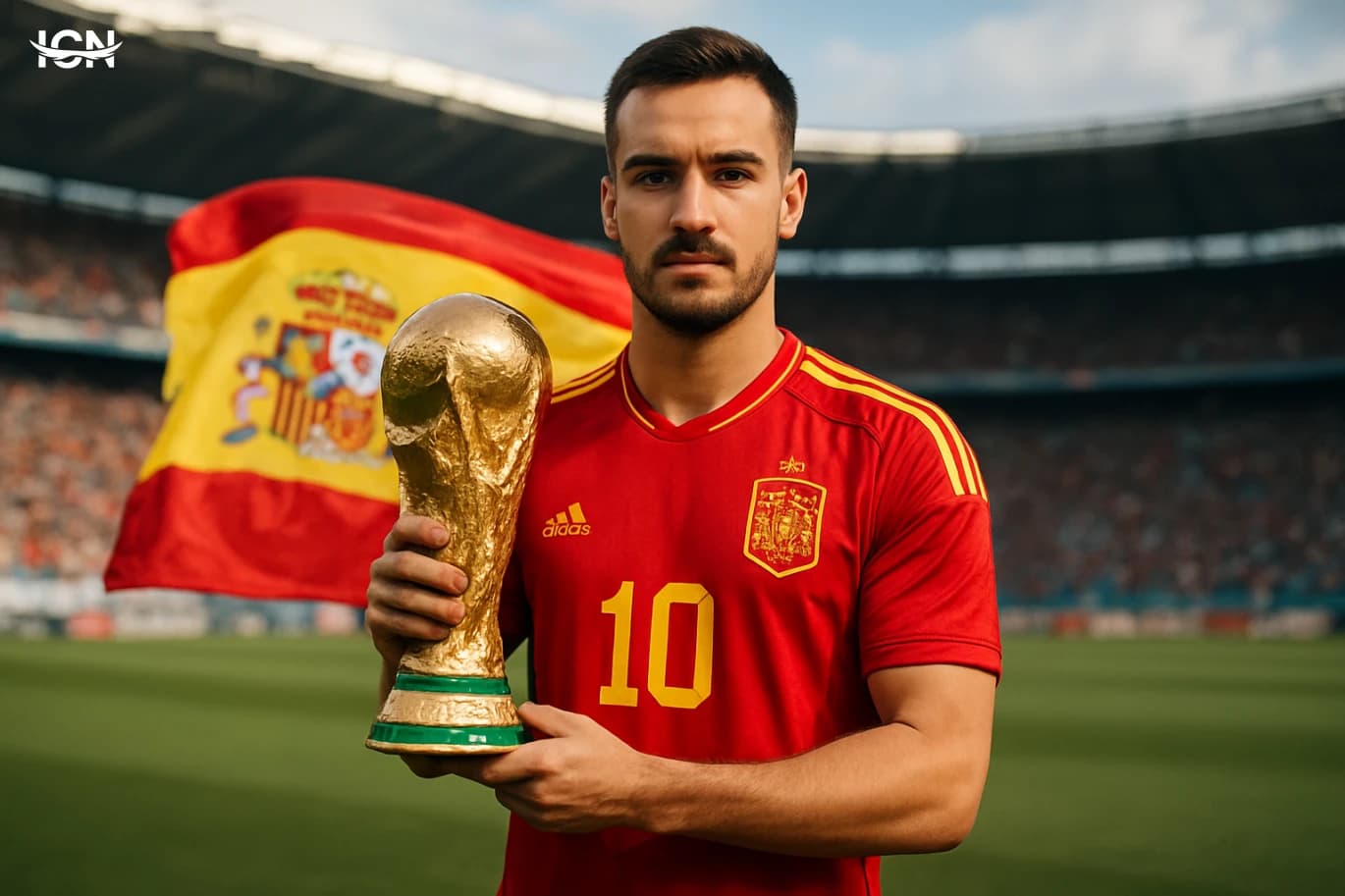
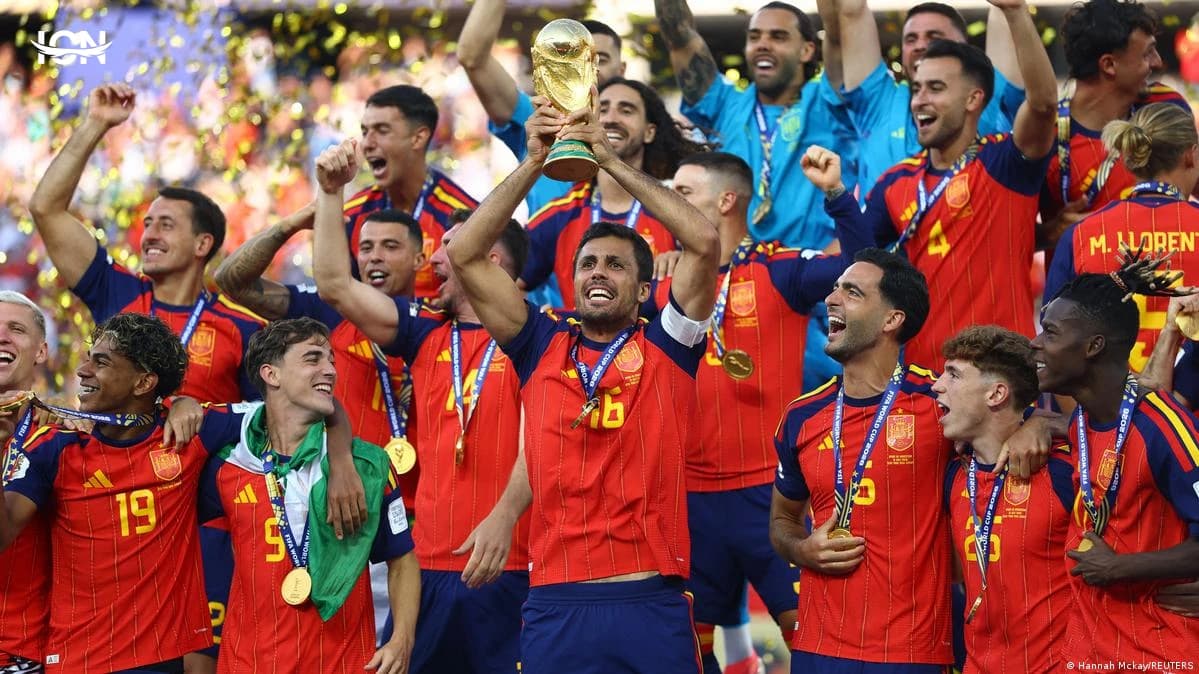
The Spanish Matador ascends to the world summit after a thrilling final against Argentina
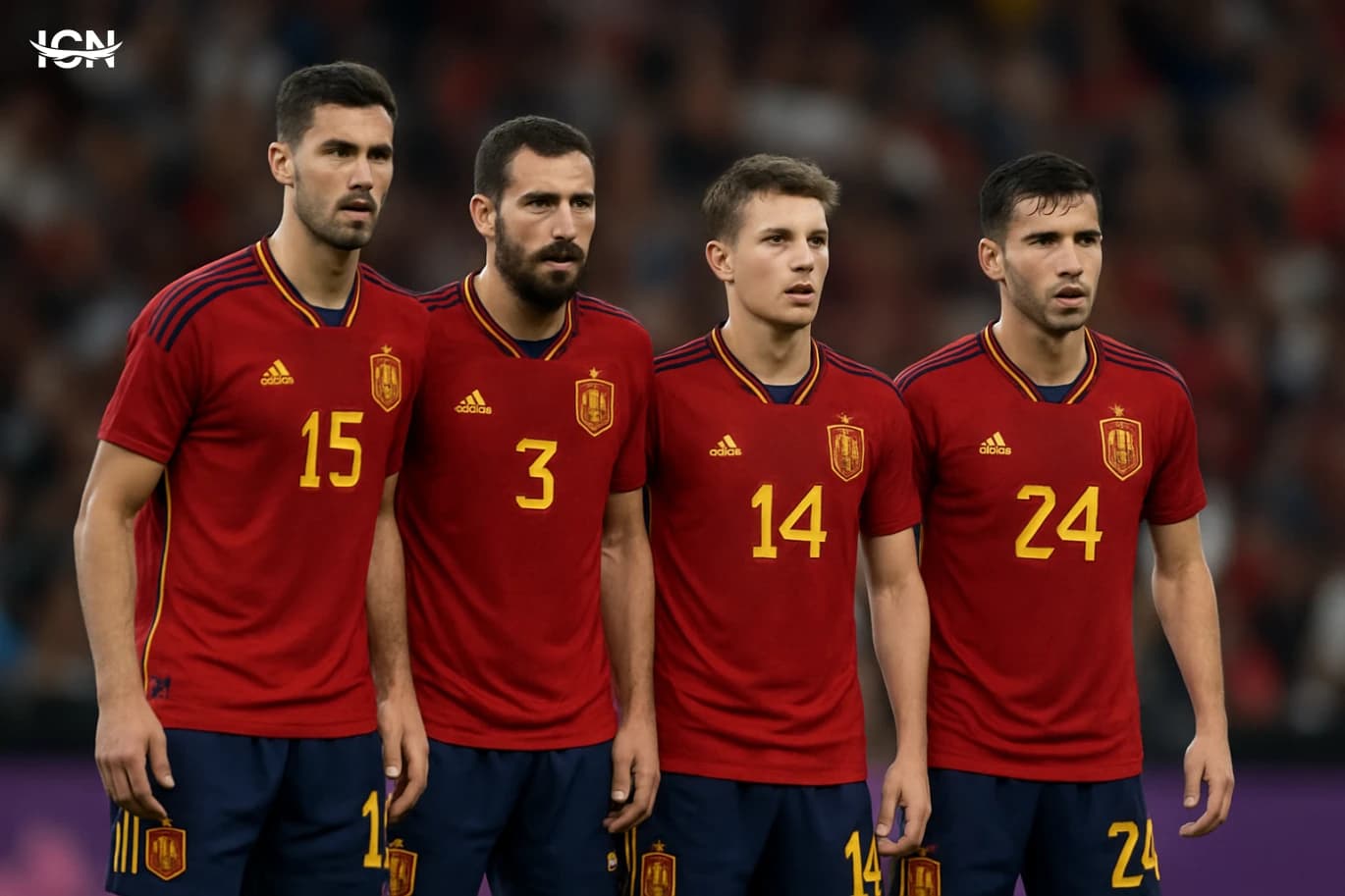
Spain’s World Cup 2026 triumph was defined by a final that felt like a tactical chess match rather than a shootout of chances. Against Argentina, the game’s rhythm was shaped by cautious early phases, compact defensive lines, and a clear battle for control in central areas. Spain’s midfield spacing and patient circulation limited the number of direct transitions, while Argentina tried to accelerate play through quick combinations and early forward passes. The decisive moment arrived through a long-range strike from Torres, a shot that changed the temperature of the match and forced a shift in both teams’ plans. Spain, once ahead, managed the closing stages with disciplined positioning and selective pressing triggers, avoiding unnecessary risks and keeping the ball in safer zones. Argentina, chasing the equalizer, pushed numbers forward and widened their shape, but Spain’s defensive organization and game management reduced the quality of late opportunities. Beyond the headline, the final offered a clear lesson in modern tournament football: titles are often won by the team that can stay stable under pressure, protect the middle of the pitch, and convert a small number of high-value moments. Spain did not need a flood of chances; they needed one clean strike and a structure strong enough to defend it.
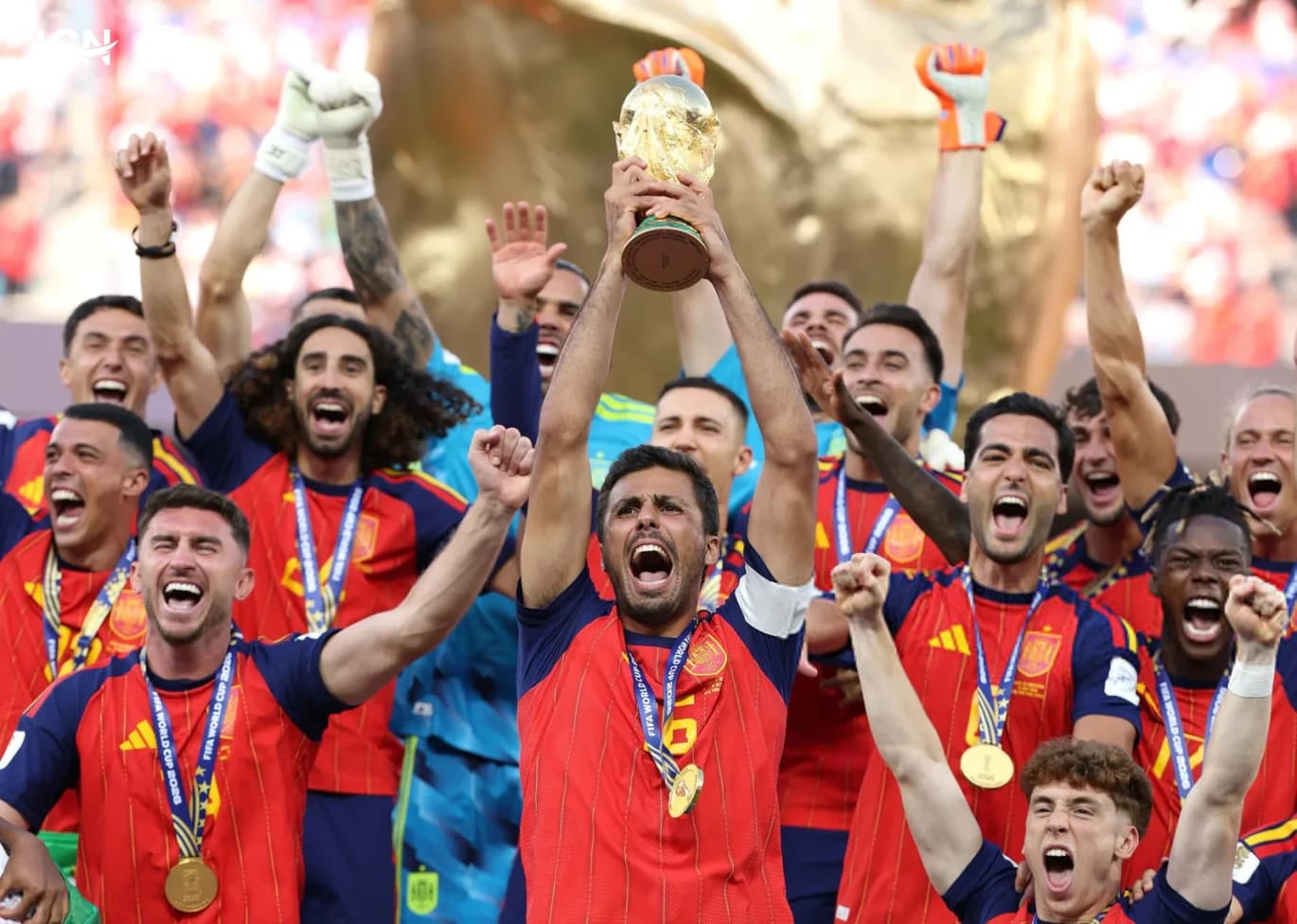
Spain’s 2026 World Cup Blueprint
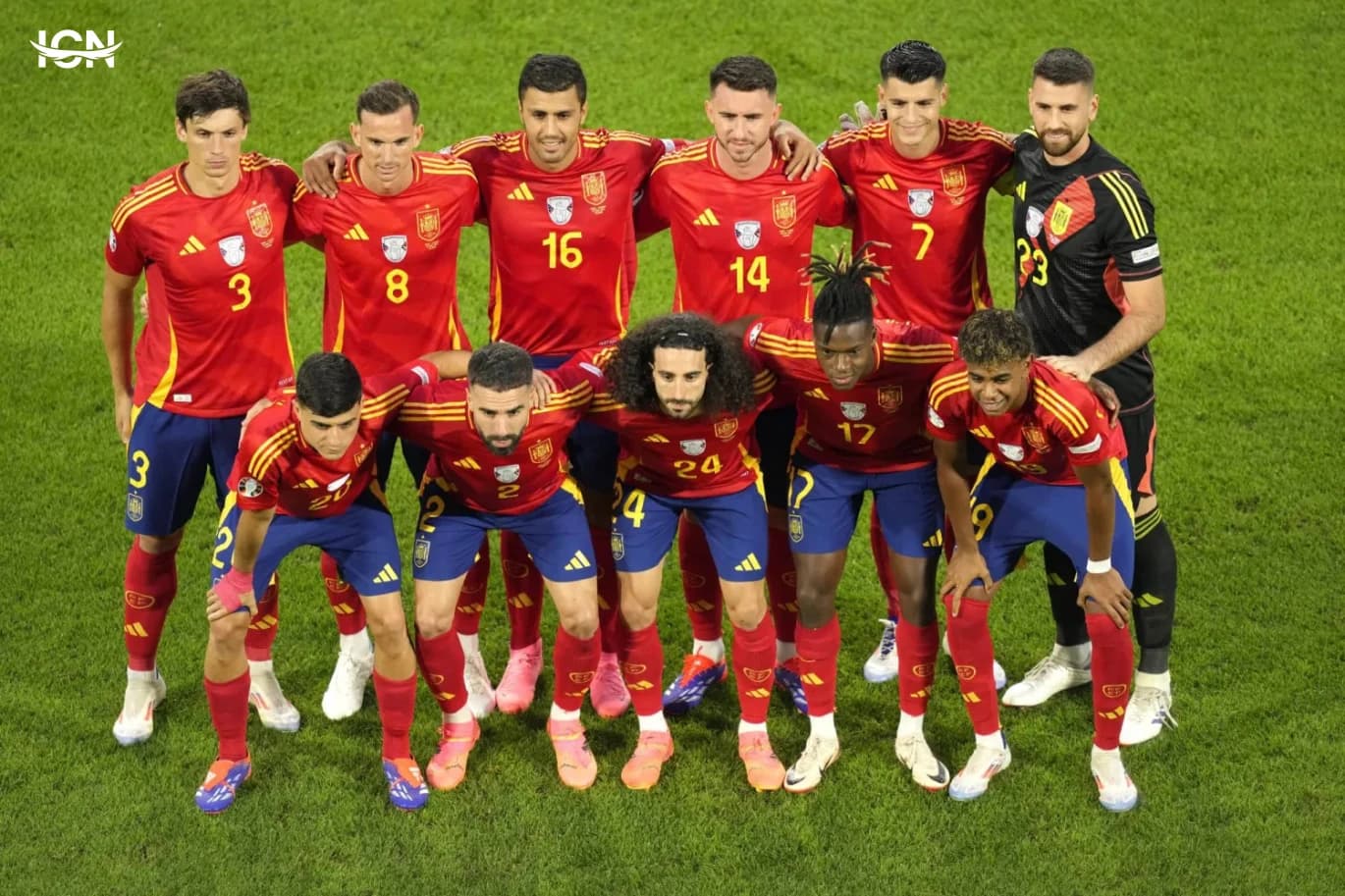
Spain’s 2026 World Cup title was not built on a single spectacular night, but the final still offered the clearest summary of their tournament: control, patience, and ruthless efficiency when the moment arrived. Spain managed the match tempo through long spells of possession, but the decisive edge came from how they used the ball rather than how much they had it. Their best phases were defined by quick switches of play, short combinations around the box, and a willingness to attack the space behind the opposing fullbacks. The coaching staff’s in-game management stood out. Spain adjusted their pressing height depending on the opponent’s build-up patterns, sometimes stepping high to force rushed clearances, other times dropping into a compact mid-block to protect central lanes. The substitutions were not cosmetic; they were role-specific changes designed to preserve structure. Fresh legs arrived in wide areas to keep the intensity of counter-pressing, and a late midfield change helped Spain close the match by reducing transitions. The final also highlighted Spain’s defensive maturity. Instead of chasing the ball, they defended zones, blocked passing angles into the striker, and used coordinated pressure to funnel play toward less dangerous areas. The goalkeeper’s contribution was measured but crucial: clean handling on crosses, quick distribution to restart attacks, and one or two high-value saves that protected the lead. By the final whistle, Spain looked like a team that had rehearsed every scenario, from protecting a narrow advantage to managing stoppage time without losing shape.
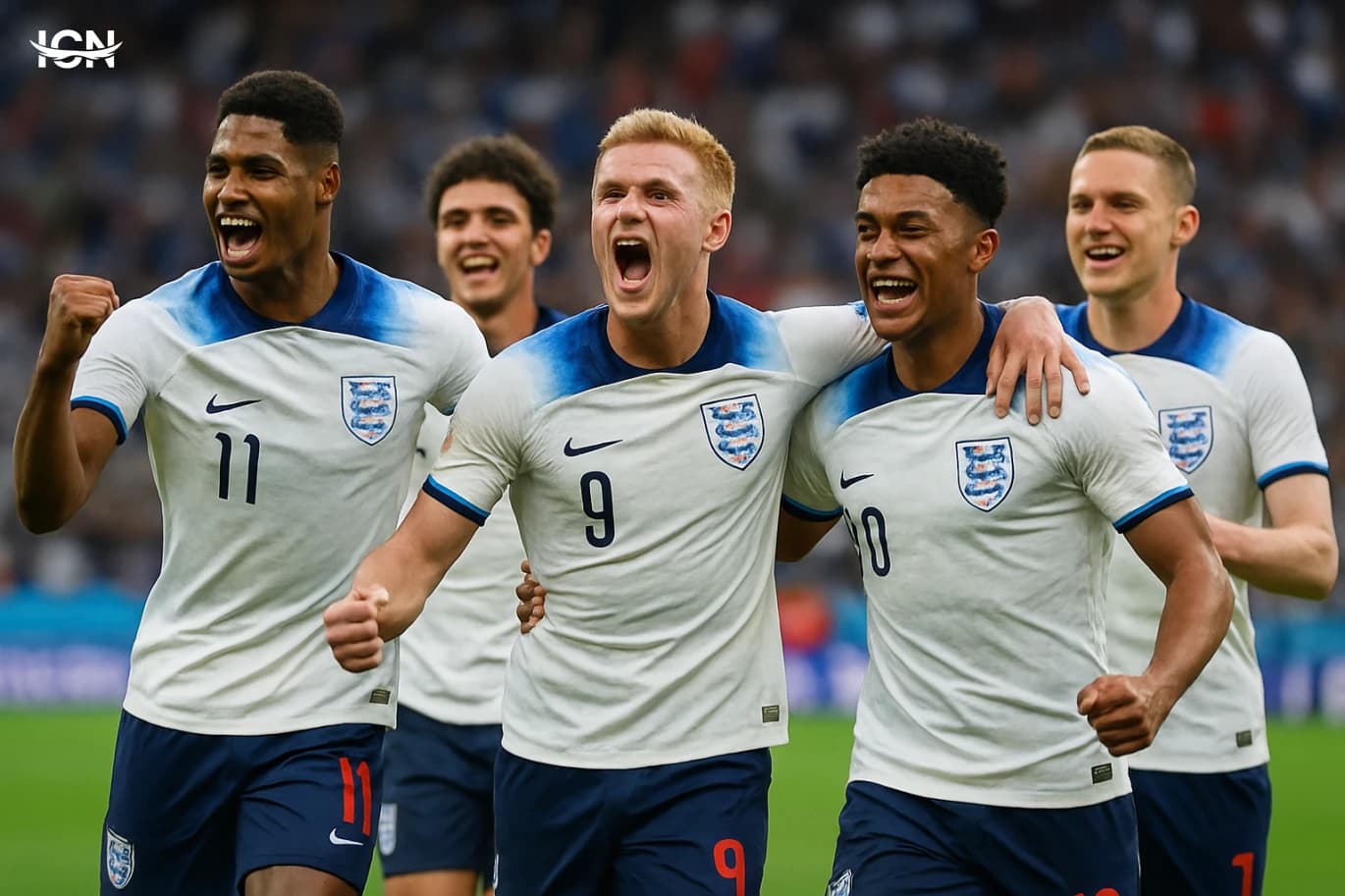
England Clinch Third Place in Goal Fest
England’s 6–4 win over France to secure third place at the World Cup was more than a high-scoring footnote. It was a match that exposed how quickly momentum can swing when both teams commit numbers forward and accept risk in transition. Ten goals in a placement game is rare at this level, but the pattern made sense: England attacked with width and early deliveries, while France tried to play through the middle and respond with quick combinations around the box. The scoreline also reflected two competing priorities. England treated the match as a chance to finish the tournament with a statement, keeping intensity high and pushing for a clear result rather than managing the game. France, meanwhile, alternated between chasing the game and trying to regain structure, which created open spaces that England exploited repeatedly. The result delivered a podium finish for England and a clear set of lessons for both coaching staffs about game management, defensive spacing, and the cost of losing second balls in a match that never slowed down.
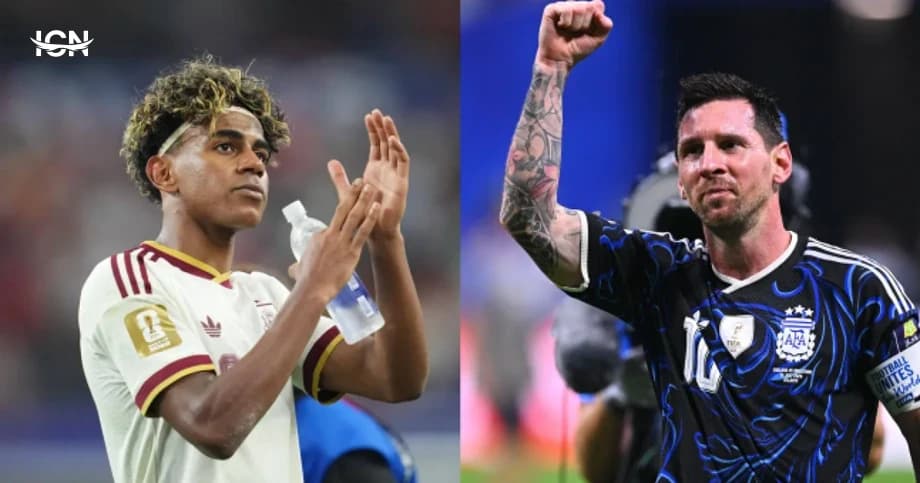
Who writes history? Argentina or Spain?
World Cup 2026 is set to be the longest edition in the tournament’s history, not only because it expands to 48 teams, but because the entire event becomes a larger logistical project across three host countries. A bigger field means more matches, more rest-day planning, and a calendar that stretches the competition window and the preparation period around it. For players and coaches, the key change is not just the number of opponents, but the rhythm: recovery cycles, travel days, and training blocks become as decisive as tactics. In this scenario, the idea of Argentina and Spain “closing” the tournament is less about a simple headline and more about what their profiles represent at the end of a long month. Argentina typically arrives with a tournament-tested identity built on compact defending, controlled tempo, and decisive moments from elite attackers. Spain, in contrast, often leans on possession structure, coordinated pressing, and depth in midfield rotations. In a longer World Cup, those identities are tested repeatedly: can a team keep its intensity after multiple travel legs, and can it maintain decision-making quality when the margins tighten late? The expanded format also changes the way fans and media interpret the final week. With more teams involved, the path to the last match can include varied opponent styles and more opportunities for surprises earlier in the tournament. That makes the closing stages feel like a separate competition within the competition, where experience, squad depth, and medical management become headline factors. If Argentina and Spain are the teams standing at the end, it would reflect not only performance, but also the ability to manage the longest World Cup as a sustained campaign.
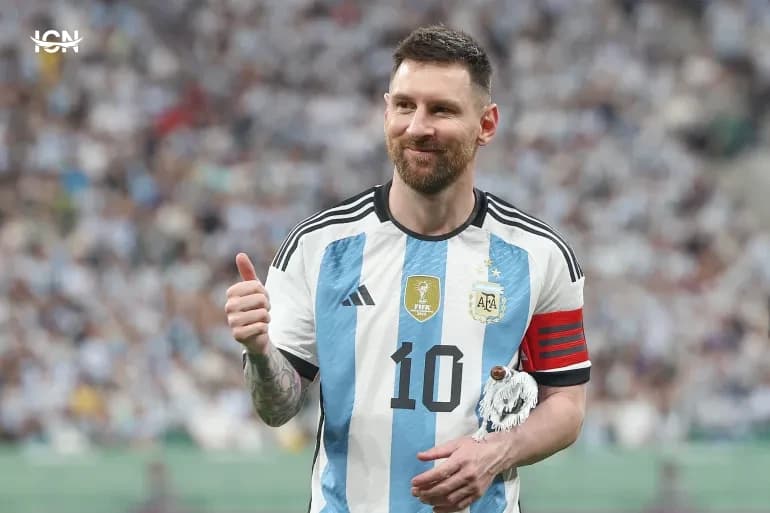
Argentina’s 36-Year Echo in World Cup Finals
Argentina’s return to the World Cup final carried an immediate historical headline: repeating a feat last achieved 36 years earlier. The comparison is not only about dates; it is about how a national team navigates pressure, expectation, and the narrow margins of knockout football. In both eras, Argentina arrived at the decisive stage with a clear identity, a leader who shaped matches, and a squad built to survive different types of games. The modern run to the final was defined by control in key moments rather than constant dominance. Argentina managed tempo, protected leads, and showed a willingness to adjust its approach depending on the opponent. That flexibility is often what separates semifinalists from finalists. The team’s path also highlighted a recurring World Cup truth: a side does not need to be perfect for 90 minutes in every match, but it must be reliable in the moments that decide outcomes. This milestone also matters because it connects generations of supporters. A 36-year gap is long enough for the memory of the earlier achievement to become a reference point more than a lived experience for many fans. Reaching another final turns that reference into a current reality, giving the country a new chapter to discuss alongside the older one, with fresh details, new heroes, and a different football landscape.
Spain’s Iron Back Line Seals Final Spot
Spain’s route to the World Cup final was built less on a single moment of brilliance and more on a sustained defensive plan that neutralized France’s usual strengths. The match turned into a test of patience: France wanted quick transitions, early runs behind the line, and set-piece pressure; Spain wanted controlled phases, compact spacing, and a rhythm that reduced the game to a series of low-risk decisions. From the opening minutes, Spain’s back line held a disciplined starting position, rarely stepping out without cover. The key was spacing between the center-backs and the full-backs, which stayed tight enough to deny France the diagonal channels that often create one-on-one situations. When France tried to overload one side, Spain responded by sliding as a unit rather than chasing individual duels. That collective movement limited the number of clean entries into the penalty area and forced France into shots from less favorable angles. Spain’s defensive success also depended on their ability to keep the ball long enough to make France defend. Possession was not an aesthetic choice; it was a protective mechanism. Each extended sequence reduced the number of transition moments, which are typically France’s most dangerous phases. The semifinal hinged on whether Spain could maintain that balance: defend with structure, then use the ball to prevent the match from becoming chaotic. They did, and that control is what ultimately carried them into the final.
History takes revenge in the 2026 World Cup semi-final.
The 2026 World Cup semi-finals carry the fitting title "History's Revenge," as the two matches revive historically significant and memorable encounters: France vs. Spain: A clash that offers France a chance to avenge their defeat to Spain in the Euro 2024 semi-final, when the Spaniards went on to win the title. Argentina vs. England: One of the most famous rivalries in World Cup history, its roots stretch back to the 1966 tournament, through Maradona's famous encounter in 1986, and the matches in 1998 and 2002, now renewed after more than two decades in the World Cup. Thus, four former world champions will meet in the semi-finals: Argentina, England, France, and Spain, in a match described as a clash between history and the desire to write a new chapter of glory.
Inside the Esports World Cup
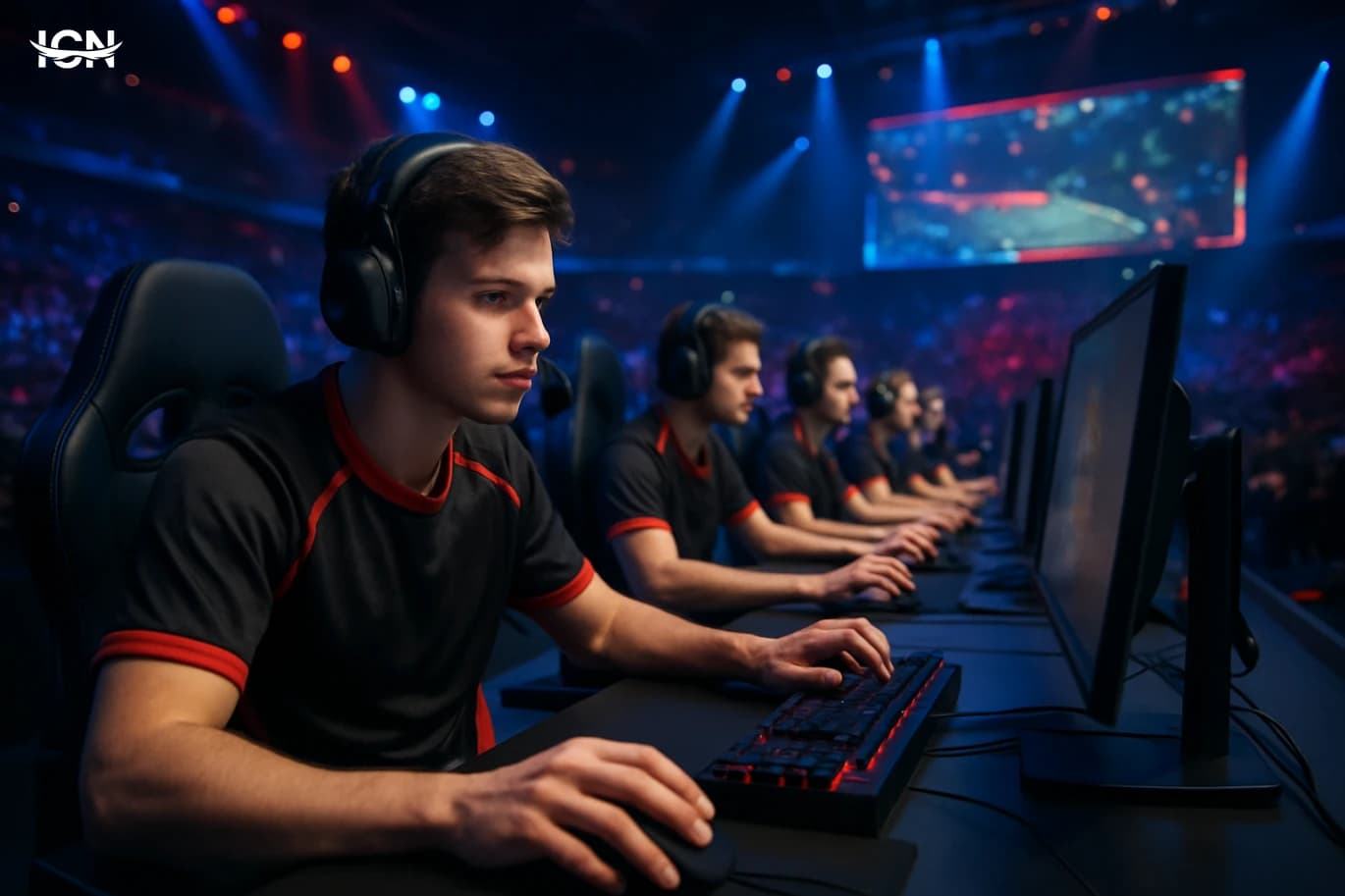
The Esports World Cup is a multi-title international competition that brings top professional players and clubs into one seasonal event. Unlike single-game world championships, it is designed as a festival-style tournament calendar where several esports titles run in parallel, each with its own format, prize pool, and qualification routes. The idea is to create a single destination that fans can follow across different games while giving teams a reason to field rosters in more than one title. A key feature is the club-based layer that sits above individual tournaments. Many esports events crown champions per game, but a world-cup model also rewards organizations that perform consistently across multiple titles. That approach changes how clubs plan their year: they may invest in coaching, analytics, and player development across several divisions rather than focusing on one flagship roster. For viewers, it creates a broader narrative that connects separate competitions into one season-long story.
Rookie Contracts Reshaping the NBA Playoff Race
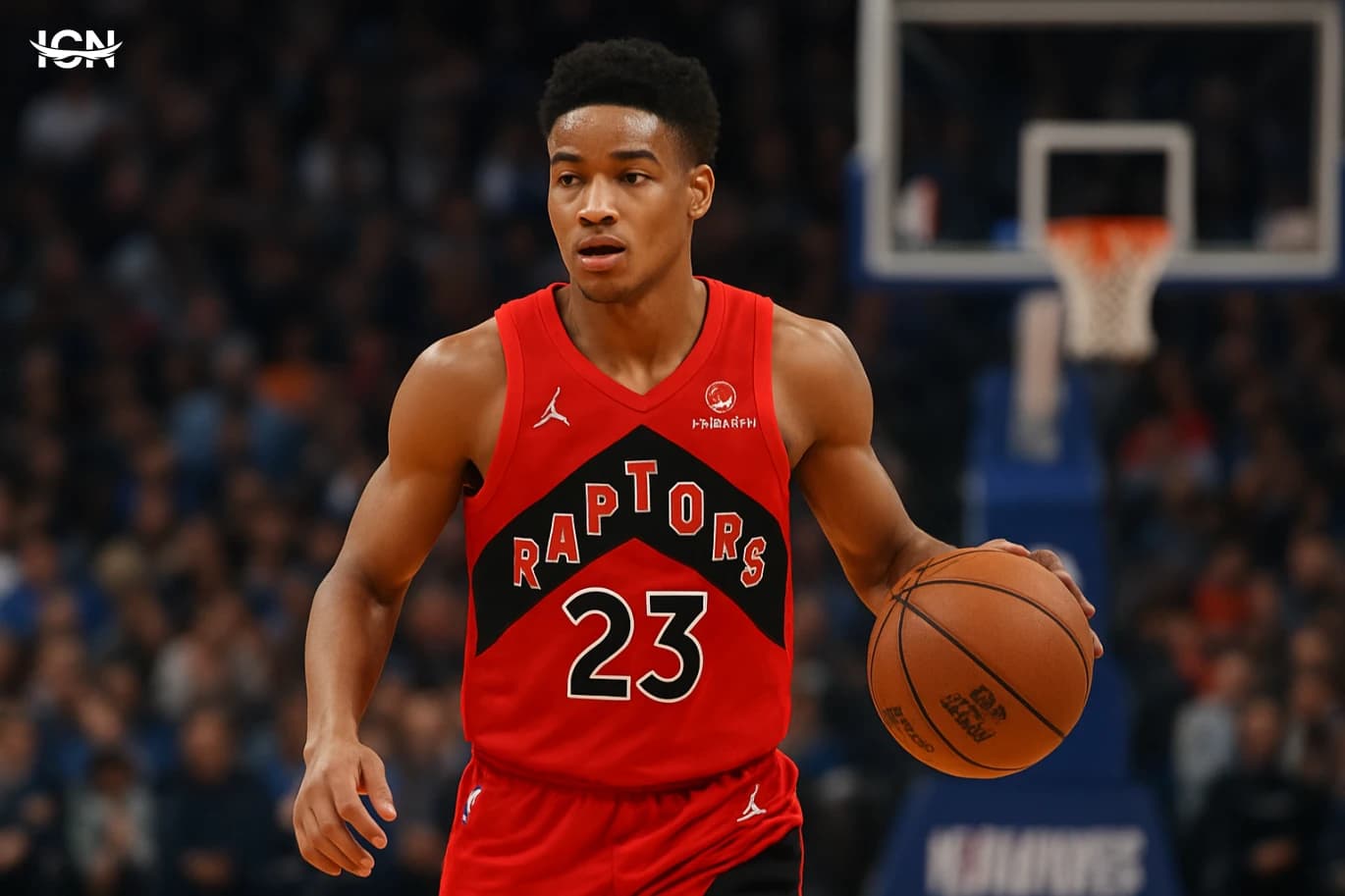
Across the NBA, the most valuable roster spots are increasingly tied to rookie-scale contracts. With the salary cap rising but star salaries rising faster, teams are leaning on first- and second-year players to deliver real minutes, not just development reps. A productive rookie on a controlled deal can function like an extra mid-level free agent without the tax penalty, allowing a front office to keep a veteran core intact. That dynamic is reshaping how contenders build depth and how rebuilding teams accelerate timelines. This shift is also changing the news cycle around players. Instead of focusing only on blockbuster trades, analysts now track which rookies are “rotation-ready” by December, who earns trust in late-game defensive possessions, and which teams can survive injuries because a rookie can handle a defined role. The result is a playoff race where the difference between seeds can be a handful of rookie contributions: a corner three, a second-unit rebounder, or a point-of-attack defender who can stay on the floor.
By clicking the SUBSCRIBE button, you are agreeing to our Privacy & Cookie Policy If you want to unsubsribe the marketing email, please proceed to our privacy center.
© 2005-2026 ICN. All Rights Reserved.