App Logo

Download Our App

Shop your way

logologo
Image

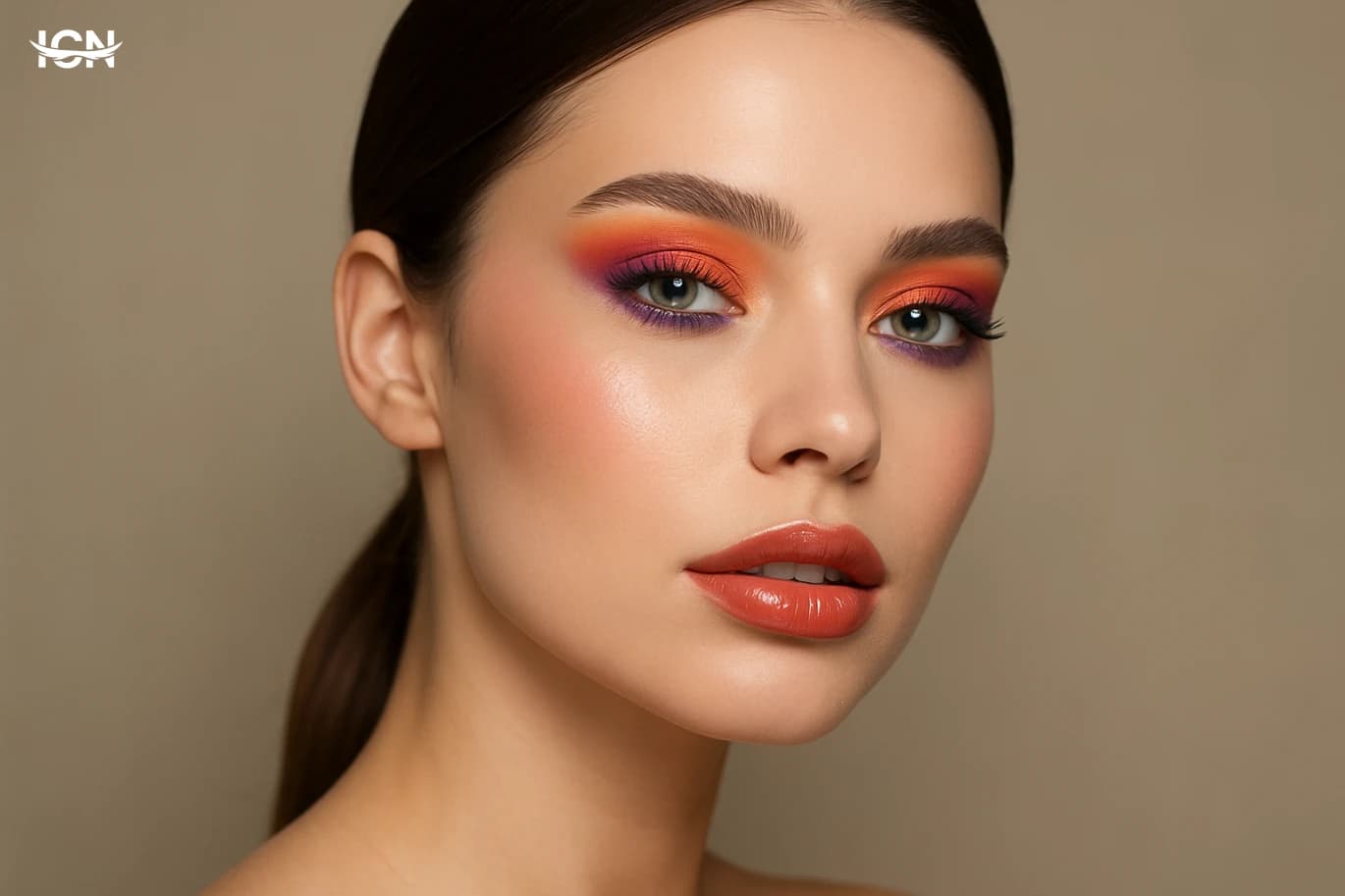
Makeup That Survives Heat and Humidity
02/19/2026By: ICN Writer
Makeup That Survives Heat and Humidity

Why Makeup Breaks Down in Hot Weather

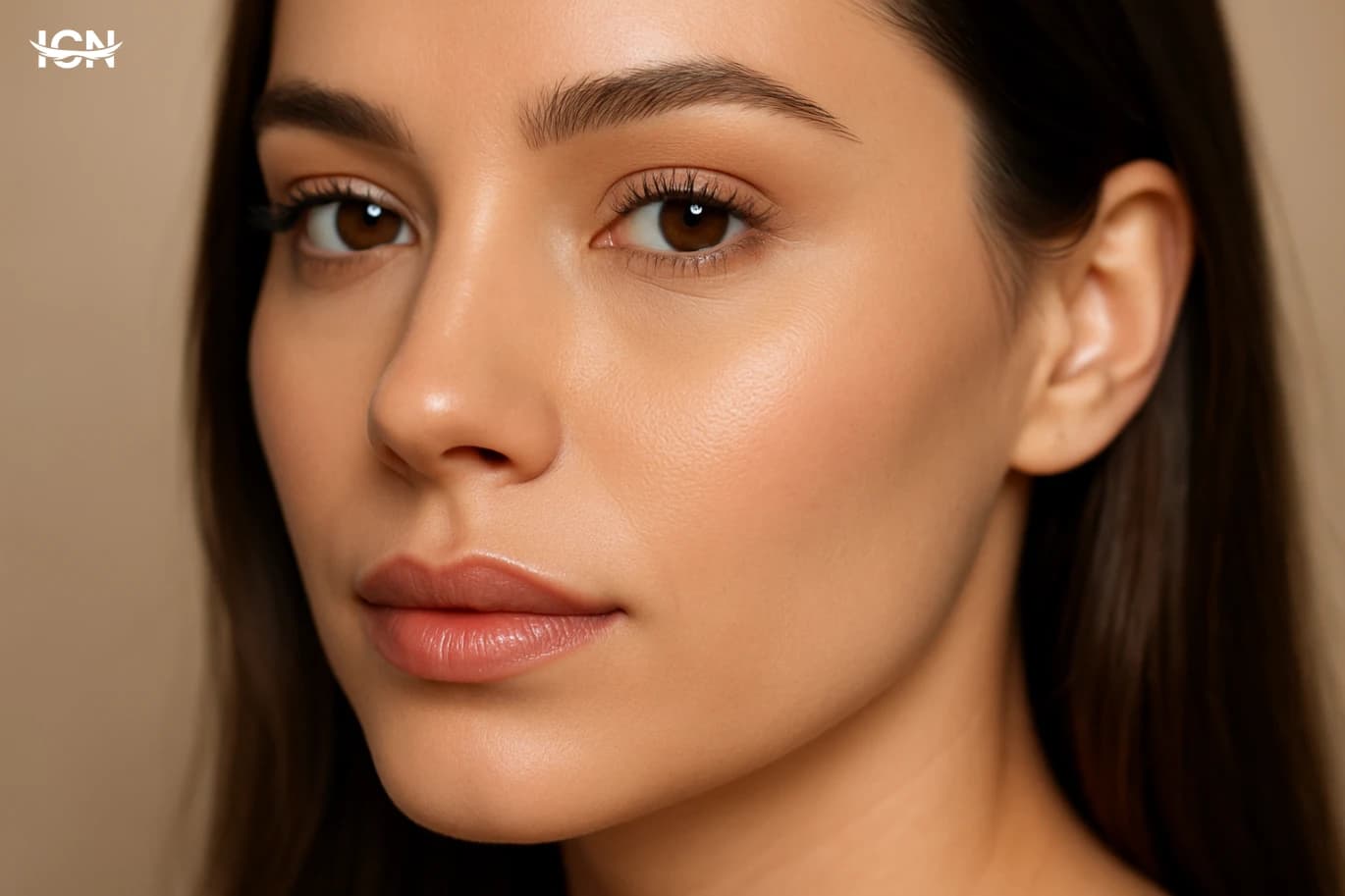
Heat and humidity don’t just make you sweat; they change how every layer of makeup behaves. When skin temperature rises, sebum production often increases, and that oil mixes with sunscreen, moisturizer, and foundation, loosening pigments and causing sliding around the nose, chin, and forehead. Humidity adds another problem: water in the air keeps sweat from evaporating quickly, so moisture sits on the surface and dilutes products that were designed to set dry. The most common “summer failures” are patchy foundation, creased concealer, and blush that disappears by midday. These issues are usually blamed on the foundation, but they often start earlier in the routine: heavy skincare, incompatible sunscreen, or applying too much product too quickly. In hot weather, the goal is not maximum coverage; it’s controlled layers that can bond to skin and set. A long-wear look is built by reducing slip, choosing textures that set, and giving each step time to lock in before the next one goes on.

Prep That Actually Helps

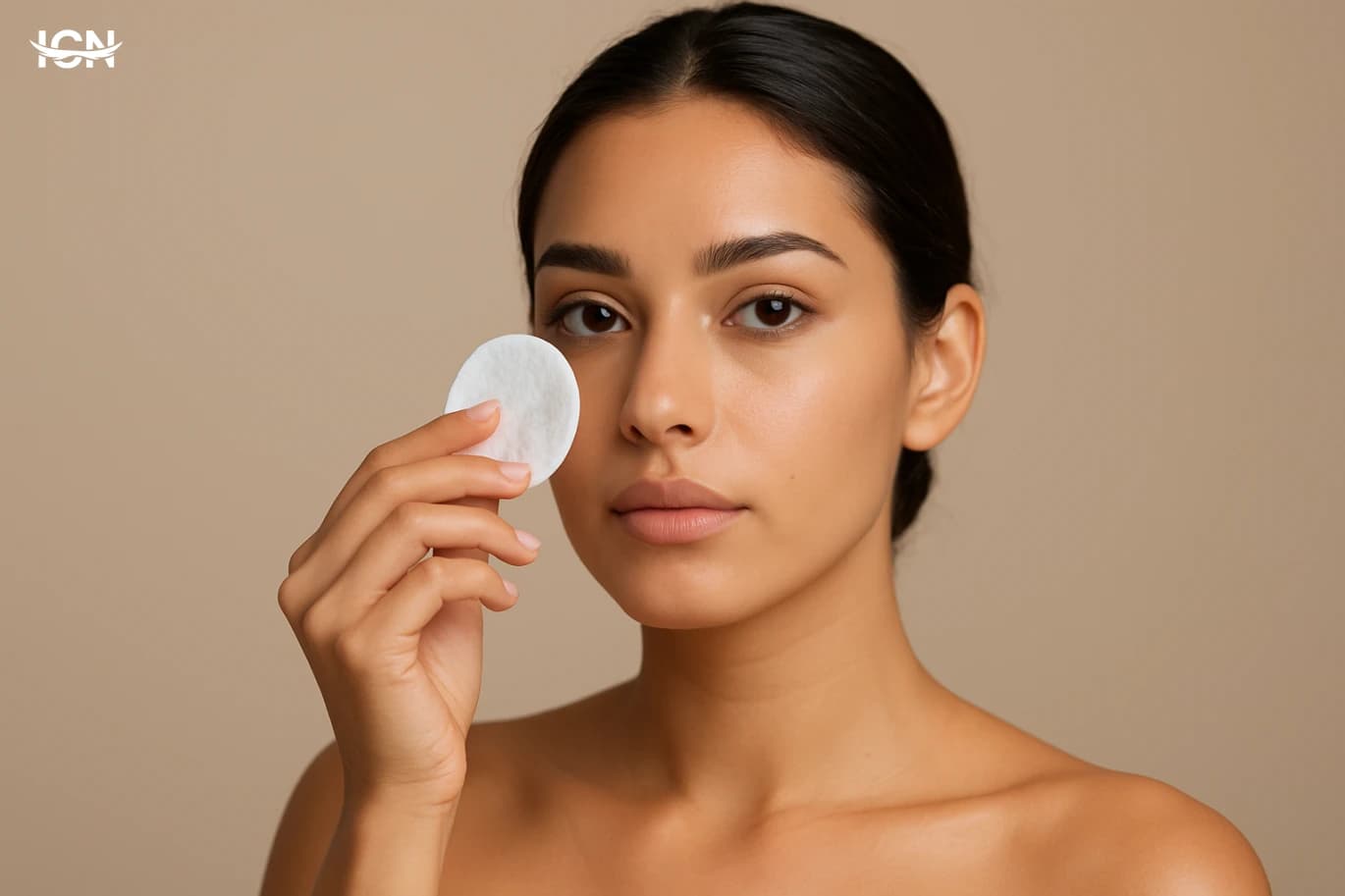
Start with a cleanse that removes sunscreen and oil without stripping. In the morning, a gentle gel cleanser is usually enough; at night, double cleansing helps prevent residue that can make makeup separate the next day. Follow with a lightweight hydrator: a thin lotion or gel-cream is better than a rich cream when the forecast is humid. The key is hydration without a greasy film. Sunscreen is non-negotiable, but the formula matters. If you notice pilling or foundation “balling up,” it’s often from layering silicone-heavy products too quickly. Apply sunscreen in a thin, even layer and let it set for at least 5–10 minutes. If your skin gets shiny fast, choose a sunscreen labeled matte or oil-control, or use a setting powder lightly over sunscreen once it has dried. Primer is optional, but targeted primer is effective. Use pore-blurring primer only where you need it (usually the T-zone) and avoid coating the whole face. For very oily skin, a thin layer of oil-control primer on the sides of the nose and center forehead can reduce breakdown. For dry areas, skip primer and rely on a light moisturizer so you don’t create texture by stacking products.

Base Products That Don’t Melt

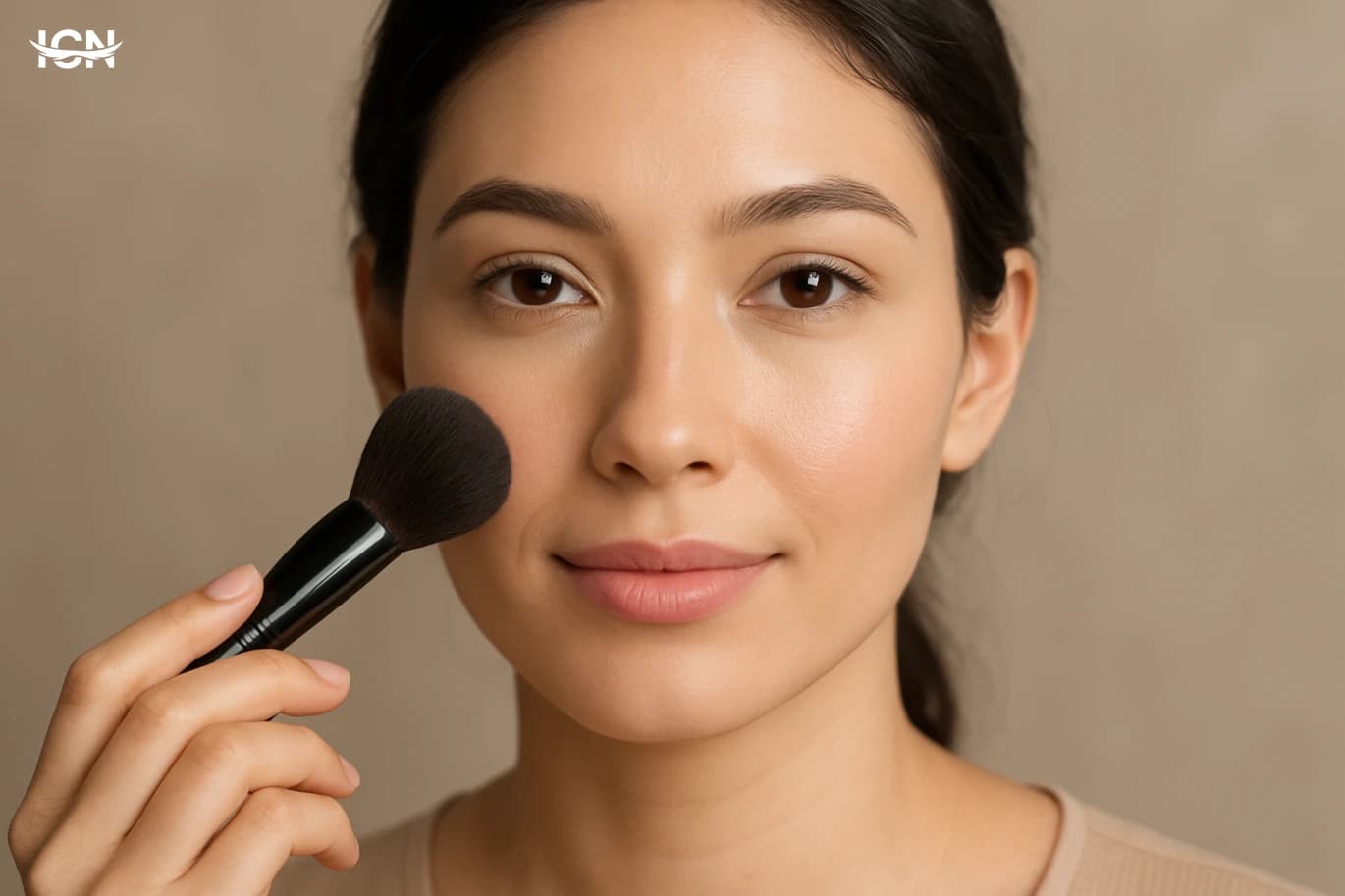
In heat, the best base is usually thinner than you think. A long-wear skin tint, a lightweight foundation, or a medium-coverage formula applied sparingly tends to last longer than a thick full-coverage layer. Use a damp sponge or a dense brush to press product into the skin rather than sweeping it around. Pressing reduces streaks and helps the film-formers in long-wear formulas grip. Concealer is where many looks fail first. Instead of applying a heavy triangle under the eyes, place small dots only where needed and blend outward. For under-eye creasing, set with a tiny amount of finely milled powder and remove excess with a clean brush. If you bake heavily in humid weather, the powder can absorb moisture unevenly and look cakey. Cream products can work in summer if you set them correctly. Cream blush and bronzer look natural, but they need a light powder set in the same tone to prevent fading. If you prefer powder blush, apply it after setting the base, then press a clean sponge over the cheeks to merge layers. This reduces the “powder sitting on top” look and improves wear time.

Setting Strategy for All-Day Wear

Setting is not one step; it’s a strategy. Start by powdering only the areas that get shiny first: sides of the nose, center forehead, and chin. Use a small brush so you don’t overload the face. If you have combination skin, leave the cheeks more natural and set them only where makeup tends to move. Setting spray works best when used in two light passes: one after cream products and one at the end. Hold the bottle at a distance so the mist lands evenly, then let it dry without fanning aggressively, which can create patchiness. In extreme humidity, consider a “sandwich” method: a very light powder set, then spray, then a final micro-layer of powder only on the T-zone. The goal is to create a flexible film, not a thick shell. Blotting is part of maintenance. Carry blotting papers or a clean tissue and press—don’t rub—oil off the skin. If you add powder on top of oil, it can clump. Blot first, then touch up with a small amount of powder or a pressed powder foundation only where needed.

Sweat-Proof Eyes and Brows

Eye makeup is vulnerable because lids produce oil and the area moves constantly. Start with a thin eye primer or a touch of concealer set with a skin-toned shadow. Cream shadows can last well if they are long-wear formulas, but apply a small amount and blend quickly before they set. For powder shadows, choose more matte finishes in high humidity; shimmer can emphasize texture if the base starts to break. Eyeliner and mascara should be chosen for conditions, not just preference. Waterproof mascara is useful, but tubing mascara can be even cleaner in humidity because it forms a film around lashes and tends to flake less. For liner, gel or liquid long-wear formulas usually outlast pencil on the waterline. If your liner transfers to the upper lid, set it with a matching powder shadow using a small angled brush. Brows frame the face and often fade first when you blot sweat. Use a pencil for structure, then lock it with a tinted brow gel or a clear strong-hold gel. If you have sparse areas, press a tiny amount of powder brow product on top to increase grip. Avoid heavy concealer around the brow tail in summer; it can separate and make the brow look uneven.

Quick Touch-Ups Without Ruining Your Base

The best touch-up is the one that doesn’t add layers. If your makeup looks shiny, blot first. If foundation has separated around the nose, use a cotton swab to remove the broken product gently, then tap a tiny amount of concealer or foundation only on that spot. Press with a sponge and set with a pinhead of powder. For cheeks that have faded, avoid piling on more blush over sweat. Blot, then apply a small amount of powder blush with a soft brush and press it in with a sponge. If you carry a cream blush stick, warm it on the back of your hand first and tap it on with fingers; this prevents dragging the base. Lip products also need a summer strategy. Long-wear liquid lipsticks can feel heavy in heat, so consider a stain plus balm approach: apply a lip stain, let it set, then add a thin balm or gloss only in the center. If you prefer lipstick, blot once after application and add a second thin layer; this improves wear without making the lips feel coated.
* All articles published on this blog are sourced from various websites and are provided for informational purposes only. They should not be considered as confirmed studies or accurate information. Please verify the information independently before relying on it.

Similar ARTICLES

Heatproof Makeup for Humid Days
Humidity changes how makeup behaves because it adds moisture to the skin surface and slows down evaporation. When sweat mixes with skincare and foundation, pigments can separate and slide, especially around the nose, upper lip, and under-eye area. Oil production often increases in warm weather, and that extra sebum can dissolve creamy products and make powder look patchy. The result is familiar: shine that appears quickly, base makeup that transfers onto masks or collars, and blush or bronzer that fades unevenly. The key is to treat humidity as a formula and layering problem, not a “more product” problem. Heavy layers trap moisture and encourage movement. Instead, the goal is a thin, flexible base that grips the skin, plus targeted setting where you actually need it. Understanding where your makeup fails—creases, separation, fading, or transfer—helps you choose the right fix rather than adding another random step.
Longwear Makeup That Still Looks Like Skin
A longwear base can last 8–12 hours and still look natural, but only if “longwear” is built through thin layers, controlled shine, and smart placement. Skin-like makeup is not the same as matte makeup. It keeps dimension on the high points of the face, avoids heavy texture around the nose and mouth, and does not settle into fine lines by midday. The goal is even tone and a healthy finish, not a mask. The biggest misconception is that more coverage equals more durability. In practice, thick foundation breaks faster because it moves with facial expressions and mixes with oil. A skin-like longwear routine relies on targeted correction, flexible formulas, and setting only where needed. It also depends on the condition of the skin underneath: dehydration, flaking, or excess oil will show through any product. When you understand the “why,” you can choose steps that improve wear time without sacrificing realism.
Makeup Trends Shaping 2026
In 2026, makeup is moving toward a deliberate “edited” look: fewer heavy layers, more targeted details, and finishes that read well in daylight and on high-resolution cameras. The biggest shift is balance. Instead of full glam across every feature, one element takes the lead—crystal accents, feathered brows, or a glossy lip—while the rest stays clean and controlled. This approach also reflects how people shop: they invest in a few high-impact products and rely on technique to make them look expensive. Another defining theme is adaptability. Many looks are designed to transition from work to evening with one quick step, such as adding face crystals at the outer corner of the eye or brushing brows into a lifted shape. Skin prep is treated as part of makeup rather than a separate routine, with primers and complexion products that focus on texture, comfort, and longevity. The result is makeup that looks intentional up close, not just from a distance.
Find Your True Skin Type
Many people label their skin as “oily” or “dry” based on one symptom, then build a routine around that label. The problem is that shine, tightness, or breakouts can be temporary reactions to weather, harsh cleansers, over-exfoliation, or heavy products. A foaming cleanser used twice daily can strip the surface and create tightness that looks like dryness, while the skin may still produce excess oil later in the day. Likewise, a rich cream can mask dehydration and make normal skin feel greasy. A more accurate approach separates three things: skin type (your baseline oil production), skin condition (temporary states like dehydration or sensitivity), and skin behavior (how it reacts to products and climate). When you treat a temporary condition as a permanent type, you often chase problems: oily skin gets over-dried and becomes reactive, and dry skin gets overloaded with occlusive layers that cause congestion. The goal is to observe your baseline under controlled conditions, then confirm it with repeatable signs rather than a single moment in the mirror.
Longwear Makeup That Still Looks Like Skin
Longwear makeup often fails for one reason: it is built like a mask. Many routines stack heavy primer, full-coverage foundation, thick powder, and a strong setting spray, then wonder why the face looks dry, textured, or separated by midday. The real goal is different: extend wear while keeping the finish close to real skin, with minimal product movement around the nose, mouth, and under-eyes. A practical way to think about it is “thin layers, targeted grip.” Instead of trying to lock down the entire face with the same intensity, you create durability only where oil and friction break makeup first. That means focusing on the T-zone, smile lines, and under-eye creases, while letting the cheeks and perimeter stay lighter. This approach also photographs better because it avoids a flat, powdery surface and keeps dimension in the complexion. In this topic, the focus is on techniques that work across budgets: how to prep without over-moisturizing, how to choose compatible textures, and how to set strategically. The result should be makeup that lasts through a workday, commuting, and indoor heating or air conditioning, while still looking like your skin up close.
How to Use Setting Spray Correctly
Setting spray is designed to help makeup look more consistent and last longer by forming a light, flexible film over the finished layers. It can reduce the powdery look, soften harsh edges between products, and make skin appear more even in photos and in daylight. Many formulas also help limit transfer onto masks, collars, or phones, although no spray can make makeup completely transfer-proof. It is important to separate setting spray from similar products. A facial mist is mainly for comfort and hydration and may not improve wear time. A primer is used before foundation to improve grip and texture. Setting spray is typically the final step, though some routines use it in between layers. Knowing this difference helps you choose the right product and avoid expecting a single spray to fix issues like wrong shade matching or heavy application.
Longwear Makeup That Still Looks Like Skin
Longwear makeup often gets associated with heavy layers, visible texture, and a flat finish that looks fine in photos but obvious in daylight. A skin-like longwear routine aims for a different result: makeup that stays put through normal daily conditions while still showing natural dimension, minimal product buildup, and a finish that moves with the face. The key is to separate “lasting” from “thick.” Longevity comes from smart placement, compatible formulas, and controlled prep, not from adding more foundation. Skin-like longwear also depends on realistic expectations: makeup can resist fading and separating, but it will still soften over time. The goal is an even, fresh look at hour eight, not a frozen look at hour one. This approach is especially useful for people who deal with midday shine, dry patches, or makeup that breaks apart around the nose and mouth. It also suits anyone who wants coverage without the obvious makeup line at the jaw or the powdery look that can show up under office lighting. The rest of this topic breaks down a practical system you can adapt to your skin type and climate.
Teeth
Teeth
Teeth whitening is a cosmetic procedure that aims to improve the color of the teeth and make it brighter and white. This is done using chemicals such as hydrogen peroxide or carbamide peroxide, which remove stains and pigmentation. The teeth whitening process is common among individuals who want to improve smile and self -confidence. How to whiten teeth begins with teeth whitening the dental assessment of the current position of the teeth. Next, the whitening material is applied to the teeth and left for a certain period to achieve the required results. The process can be done in the dental clinic or by using home tools. Factors that affect the color of the teeth. Many factors are associated with teeth color, including eating habits, smoking, and the quality of oral hygiene. The spots resulting from coffee or tea, as well as aging, play an important role in determining the color of the teeth.
Decline in demand for cosmetics
Reasons for the Decline in Demand for Cosmetics Research shows that there has been a significant decline in demand for cosmetics in recent years. This can be attributed to several reasons, including increased awareness of health and the environment, as consumers have started to shift towards natural and organic products. The influence of social media has also contributed to changing beauty standards, leading to a decline in interest in conventional products. Effects of Declining Demand on the Beauty Industry Declining demand for cosmetics has negative effects on the beauty industry. Companies may face financial challenges due to declining sales, forcing them to re-evaluate their strategies and products. In addition, this decline can lead to job losses in the sector, requiring companies to innovate and adapt to new trends in the market.
By clicking the SUBSCRIBE button, you are agreeing to our Privacy & Cookie Policy If you want to unsubsribe the marketing email, please proceed to our privacy center.
© 2005-2026 ICN. All Rights Reserved.