Longwear Makeup That Still Looks Like Skin
- What “skin-like” longwear really means
- Prep that supports wear without piling on product
- Base strategy for coverage that doesn’t crack
- Setting that keeps dimension, not a powder mask
- Touch-up plan for real life
- Common mistakes that shorten wear time
What “skin-like” longwear really means
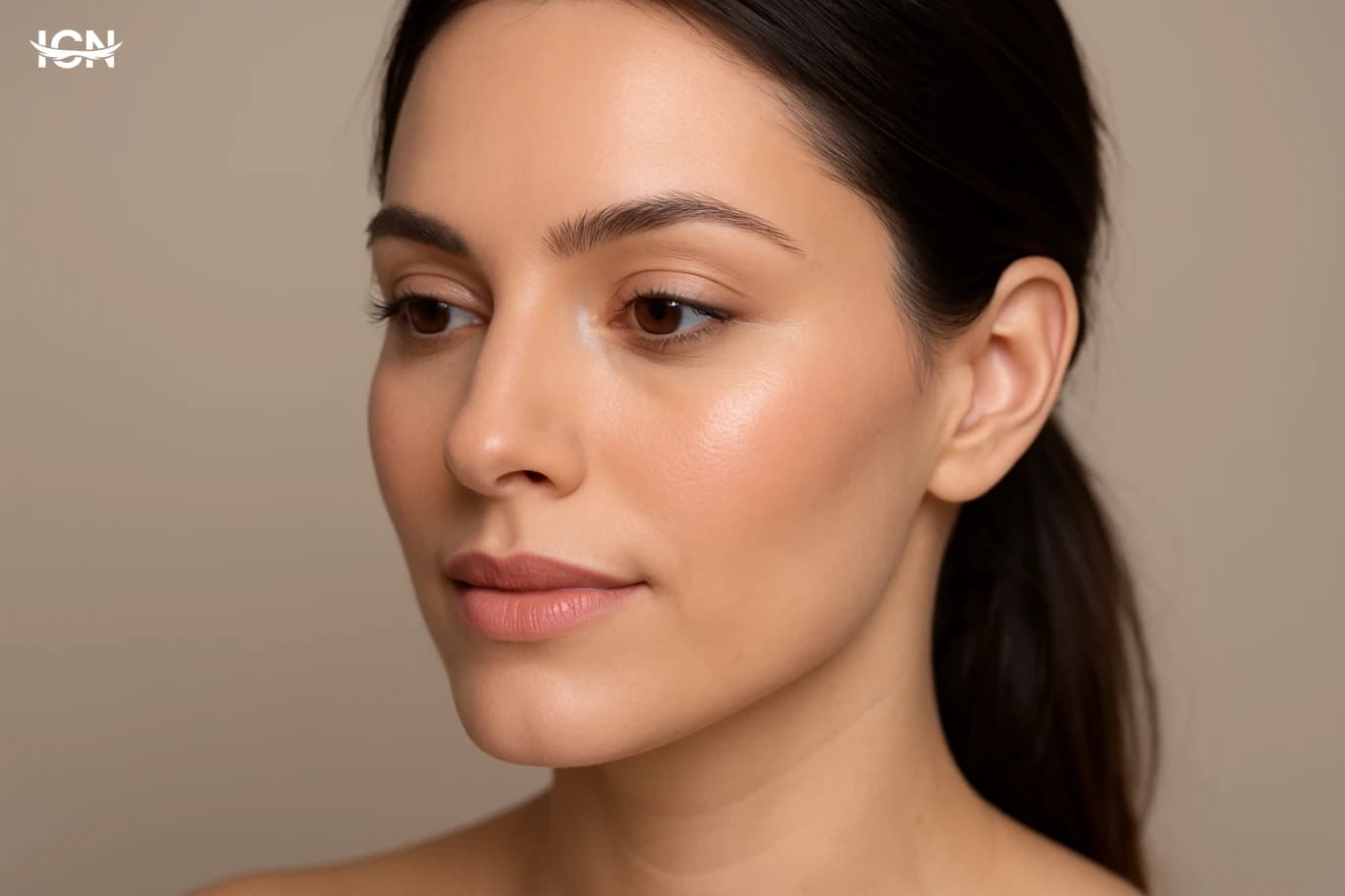
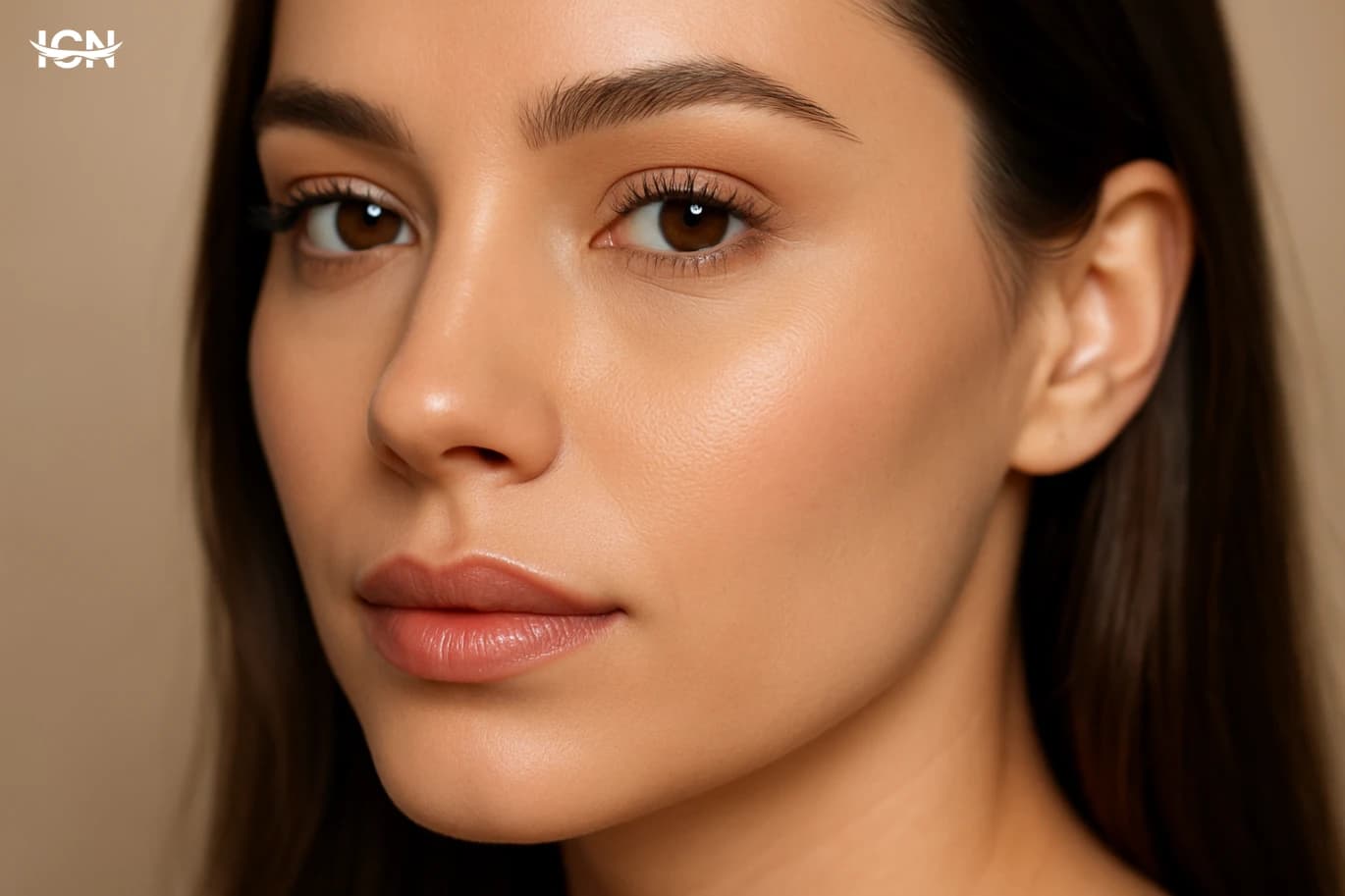
Longwear makeup often gets associated with heavy layers, visible texture, and a flat finish that looks fine in photos but obvious in daylight. A skin-like longwear routine aims for a different result: makeup that stays put through normal daily conditions while still showing natural dimension, minimal product buildup, and a finish that moves with the face. The key is to separate “lasting” from “thick.” Longevity comes from smart placement, compatible formulas, and controlled prep, not from adding more foundation. Skin-like longwear also depends on realistic expectations: makeup can resist fading and separating, but it will still soften over time. The goal is an even, fresh look at hour eight, not a frozen look at hour one. This approach is especially useful for people who deal with midday shine, dry patches, or makeup that breaks apart around the nose and mouth. It also suits anyone who wants coverage without the obvious makeup line at the jaw or the powdery look that can show up under office lighting. The rest of this topic breaks down a practical system you can adapt to your skin type and climate.
Prep that supports wear without piling on product
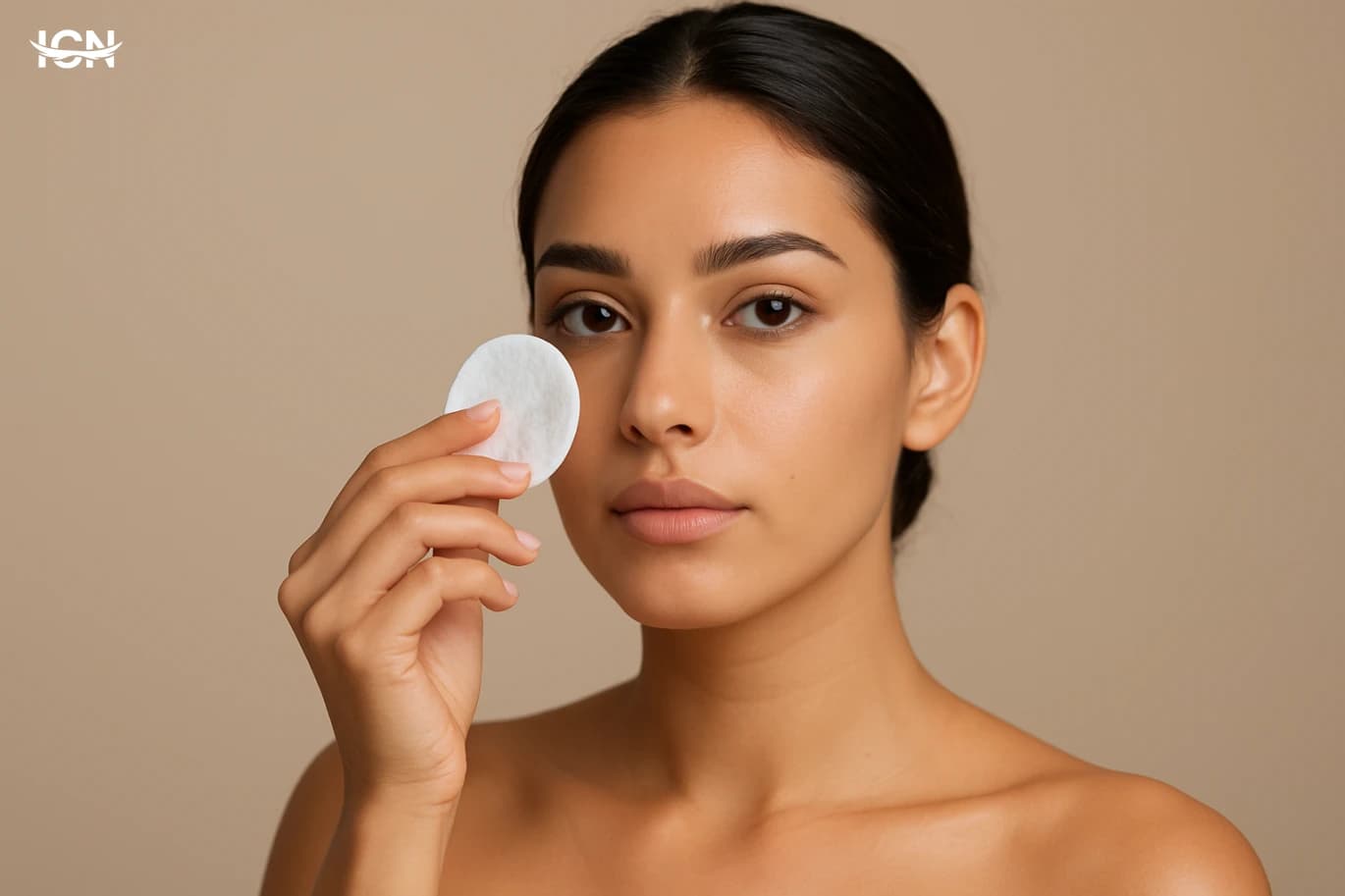
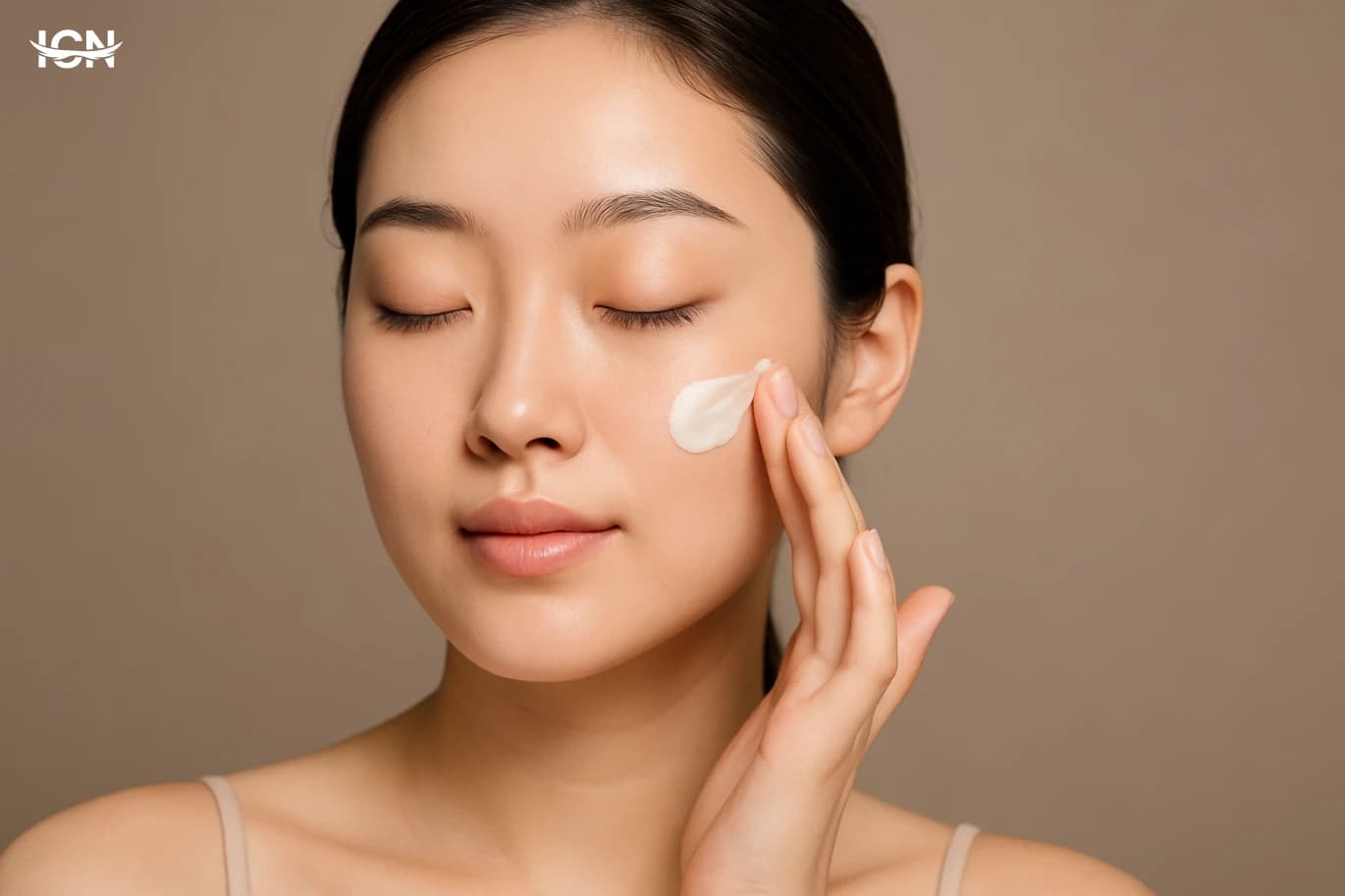
Skin prep for longwear is less about using many steps and more about choosing the right ones. Start with cleansing that removes sunscreen and oil without leaving a tight feel. If your skin feels squeaky, makeup tends to grip unevenly and emphasize texture. Follow with a lightweight moisturizer and give it time to settle; two to five minutes can prevent foundation from mixing with wet skincare and turning patchy. Targeted prep works better than a single heavy layer. If you get oily in the T-zone, keep moisturizer thin there and slightly richer on the cheeks. If you have visible flaking, a gentle hydrating serum can help, but avoid layering multiple sticky products that can cause pilling under base makeup. Primer is optional, but when used, it should solve one specific problem. A smoothing primer can help around pores, while a gripping primer can improve adherence on areas where makeup slides. Avoid mixing primers with opposite textures across the whole face. Instead, apply primer only where needed and keep the rest of the face on a simple moisturizer base. Finally, sunscreen matters because it changes how makeup sits. If you wear sunscreen daily, test your base products over it on a normal day, not just for an event. Some sunscreens stay tacky and require a longer set time; others dry down quickly and work better with thin layers of foundation.
Base strategy for coverage that doesn’t crack
A skin-like longwear base starts with using less foundation than you think. Apply a thin layer only where you need evening out, then build coverage with concealer in targeted spots. This reduces the amount of product that can separate around the nose, settle into smile lines, or look heavy on the forehead. Choose a foundation finish that matches your skin behavior. If you are oily, a soft-matte or natural finish often lasts longer than a dewy formula, but it should not feel dry. If you are dry, a natural finish with flexible film-formers can wear better than a very luminous base that stays wet and transfers. Application tools matter. A damp sponge can create a seamless finish but may sheer out coverage; a dense brush can add coverage but can also leave streaks if you rush. A practical method is brush first for placement, then press with a sponge to merge product into the skin. Pressing, not swiping, helps prevent lifting skincare and sunscreen. Concealer should be treated like a precision product. Use it under the eyes only where darkness is visible, and keep it away from fine lines if creasing is a problem. Around the nose and mouth, use a small amount and blend the edges thin. If redness is strong, a thin color-correcting layer under concealer can reduce how much concealer you need. Cream products can look more natural than powders, but they must set. If you use cream blush or bronzer, apply in thin layers and allow a short set time before adding powder. This prevents the base from moving and keeps the finish skin-like rather than sticky.
Setting that keeps dimension, not a powder mask
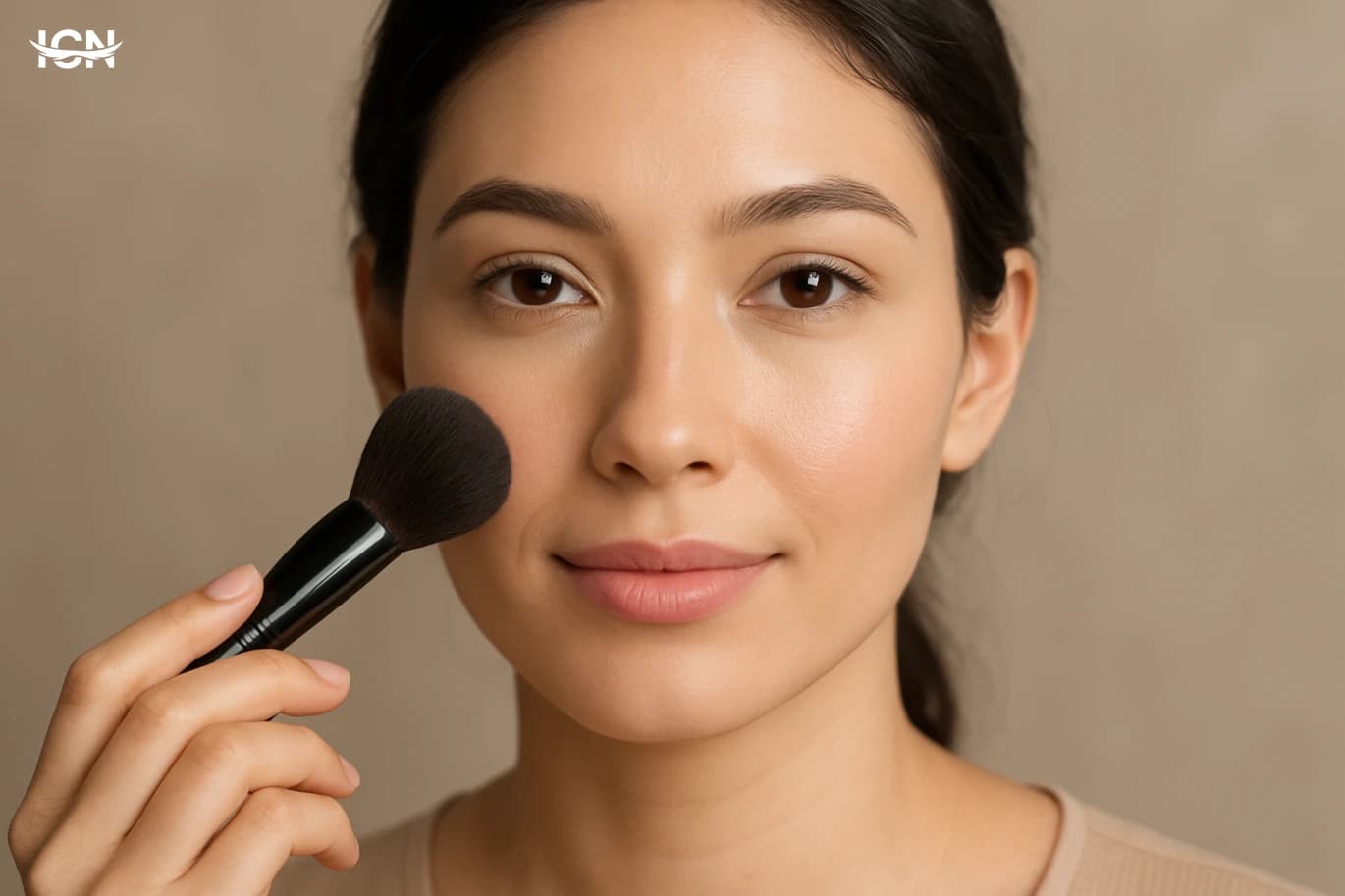
Setting is where many longwear routines go wrong. The goal is to lock in the areas that move or get oily while keeping the rest of the face flexible. Start by setting only the zones that need it: under the eyes if you crease, around the nose if you separate, and the center of the forehead if you shine. Use a finely milled powder and apply it with a small brush or puff in a pressed, controlled way. A light press sets product without disturbing it. Sweeping a large brush across the whole face can lift cream products and leave a dusty finish. If you like the look of powder but hate the feel, try a two-step approach: set with minimal powder, then use a setting spray to re-melt the surface so it looks like skin again. Let the spray dry naturally rather than fanning aggressively, which can create uneven spots. For extra longevity, consider “micro-setting” between steps. After concealer, set just that area. After cream blush, add a tiny amount of powder blush on top only if you need longer wear. This layered but light approach lasts longer than one heavy powder layer at the end. Highlighter should be used strategically. A subtle, finely milled highlight on the high points can bring back dimension without emphasizing texture. Avoid placing shimmer on areas with visible pores if you want a truly skin-like finish.
Touch-up plan for real life
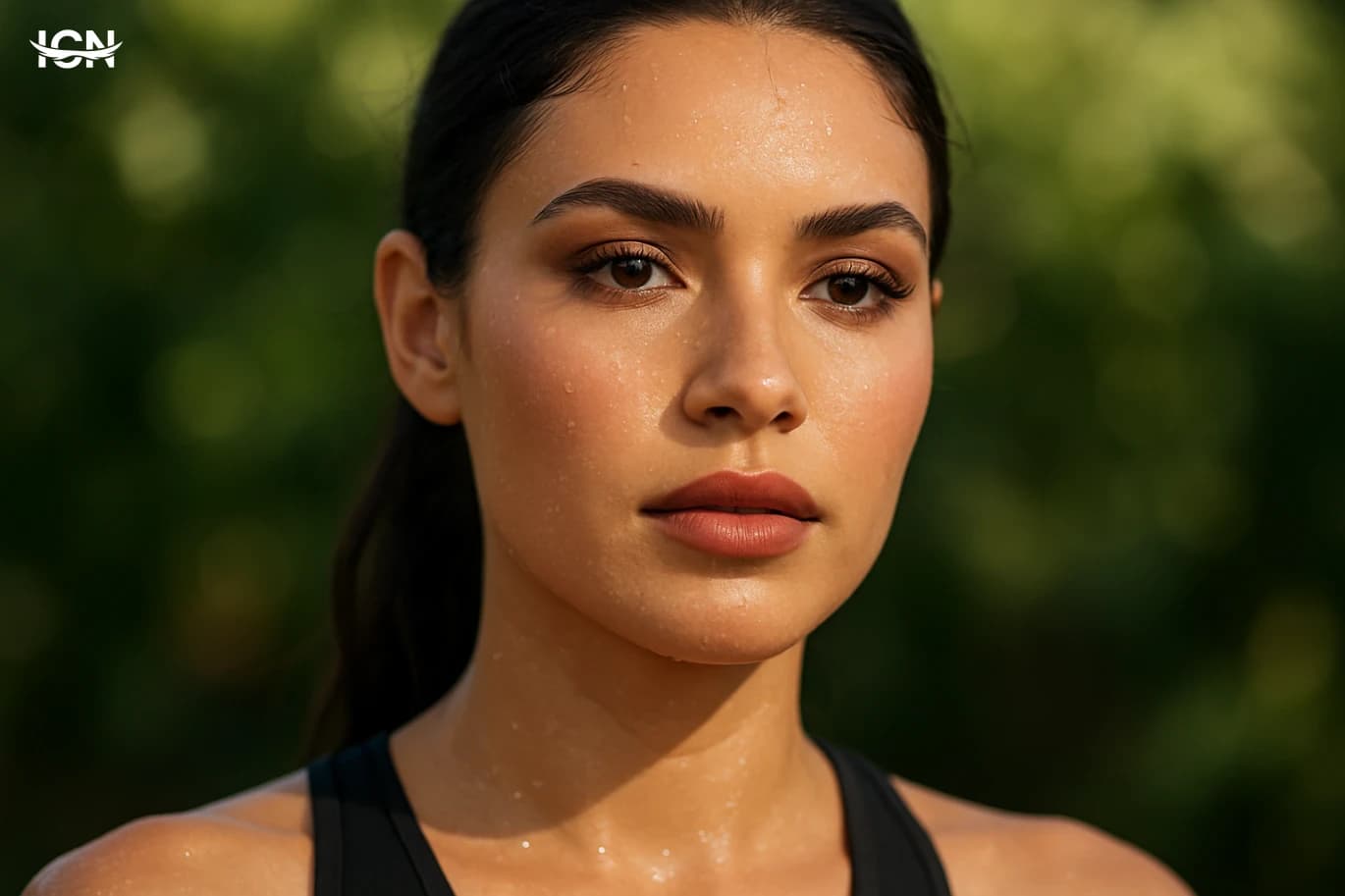
A realistic longwear routine includes a touch-up plan that doesn’t turn into adding more layers. The first rule is to remove excess oil before applying anything. Blotting papers work well, but a clean tissue pressed gently can also do the job. If you powder on top of oil, the result is often a thick, textured patch. For shine control, carry a small pressed powder and use it only where needed. Press lightly and stop. If you need coverage after blotting, use a tiny amount of concealer on a small brush and tap it into place, then set that spot. This is more effective than reapplying foundation across the face. Lip and eye areas often show wear first. For lips, a thin layer of balm before reapplying color can prevent cracking, but avoid heavy balm that breaks down longwear formulas. For eyes, a cotton swab can clean smudged liner quickly; then you can reapply a small amount rather than stacking more product. If your makeup tends to separate around the nose, keep a small sponge in your bag. After blotting, press the sponge to smooth edges without adding product. This simple step can restore a clean look in under a minute. The most effective touch-ups are minimal and targeted. The goal is to restore balance—less shine, cleaner edges, fresher color—without changing the overall finish you built in the morning.
Common mistakes that shorten wear time
One common mistake is rushing between skincare and makeup. When moisturizer or sunscreen hasn’t set, base products can mix and break apart. Another is using too many “grippy” layers at once—multiple sticky products can cause pilling and uneven texture. Over-correcting is also a problem. Heavy color corrector plus full-coverage concealer plus thick foundation often looks worse by midday than a lighter routine. Use correction only where needed and keep edges thin. Mixing incompatible formulas can shorten wear. For example, a very oily skincare layer under a matte foundation can cause sliding, while an alcohol-heavy setting spray over a very dewy base can create patchiness. If you change one key product, test the full routine once before relying on it for a long day. Finally, applying powder everywhere can backfire. Excess powder can make the face look dry and can crack around expression lines. A targeted approach—powder where you crease or shine, and leave the rest alone—usually lasts longer and looks more natural. A skin-like longwear routine is a system, not a single hero product. When prep, base, and setting are aligned, you can get reliable wear and still look like yourself in natural light.