Heatproof Makeup for Humid Days
- Why Humidity Breaks Makeup
- Prep That Actually Works
- A Thin Base That Stays Put
- Setting Without Caking
- Sweat-Resistant Eyes and Brows
- Midday Touch-Ups That Don’t Ruin Everything
Why Humidity Breaks Makeup
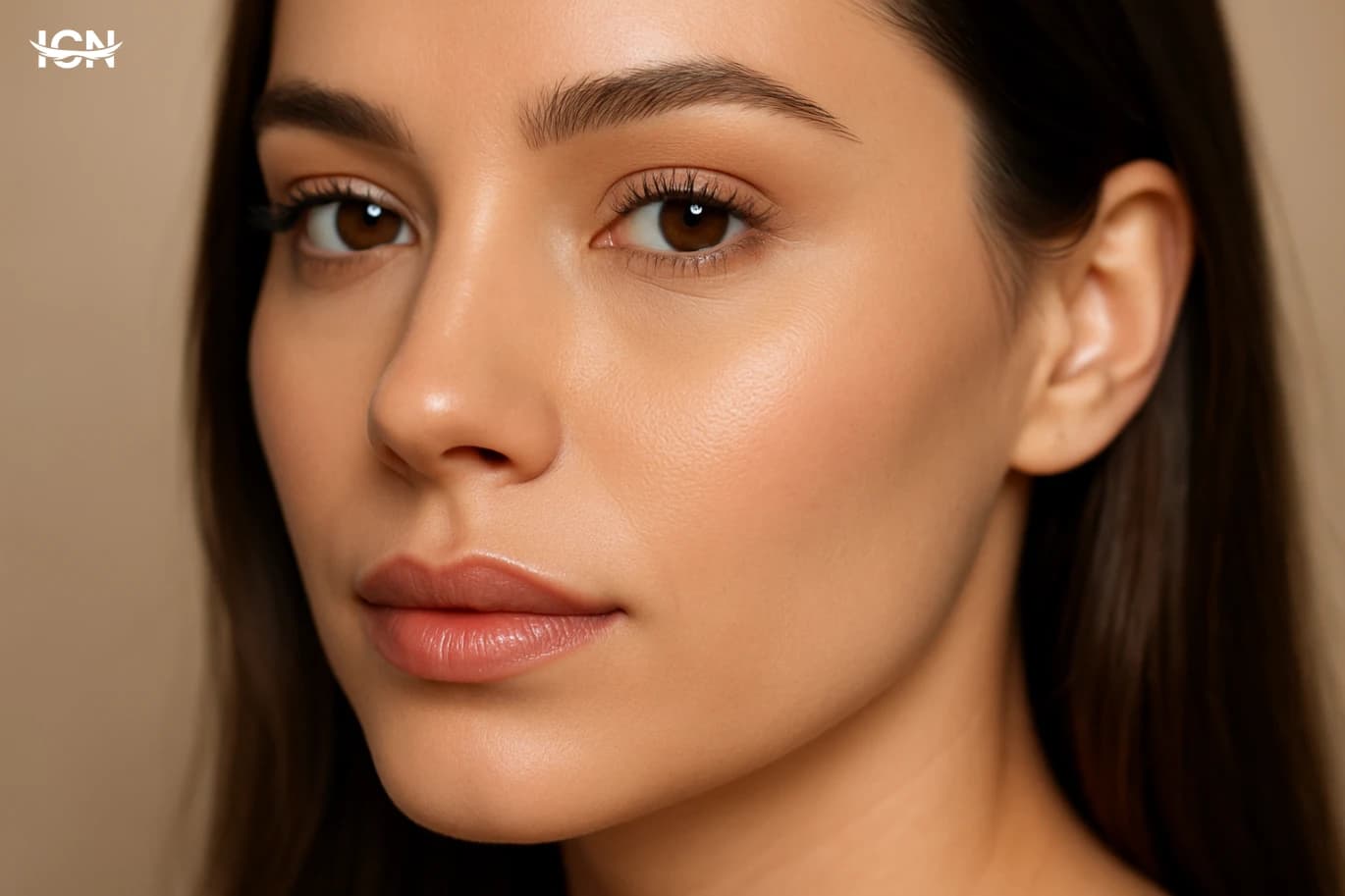
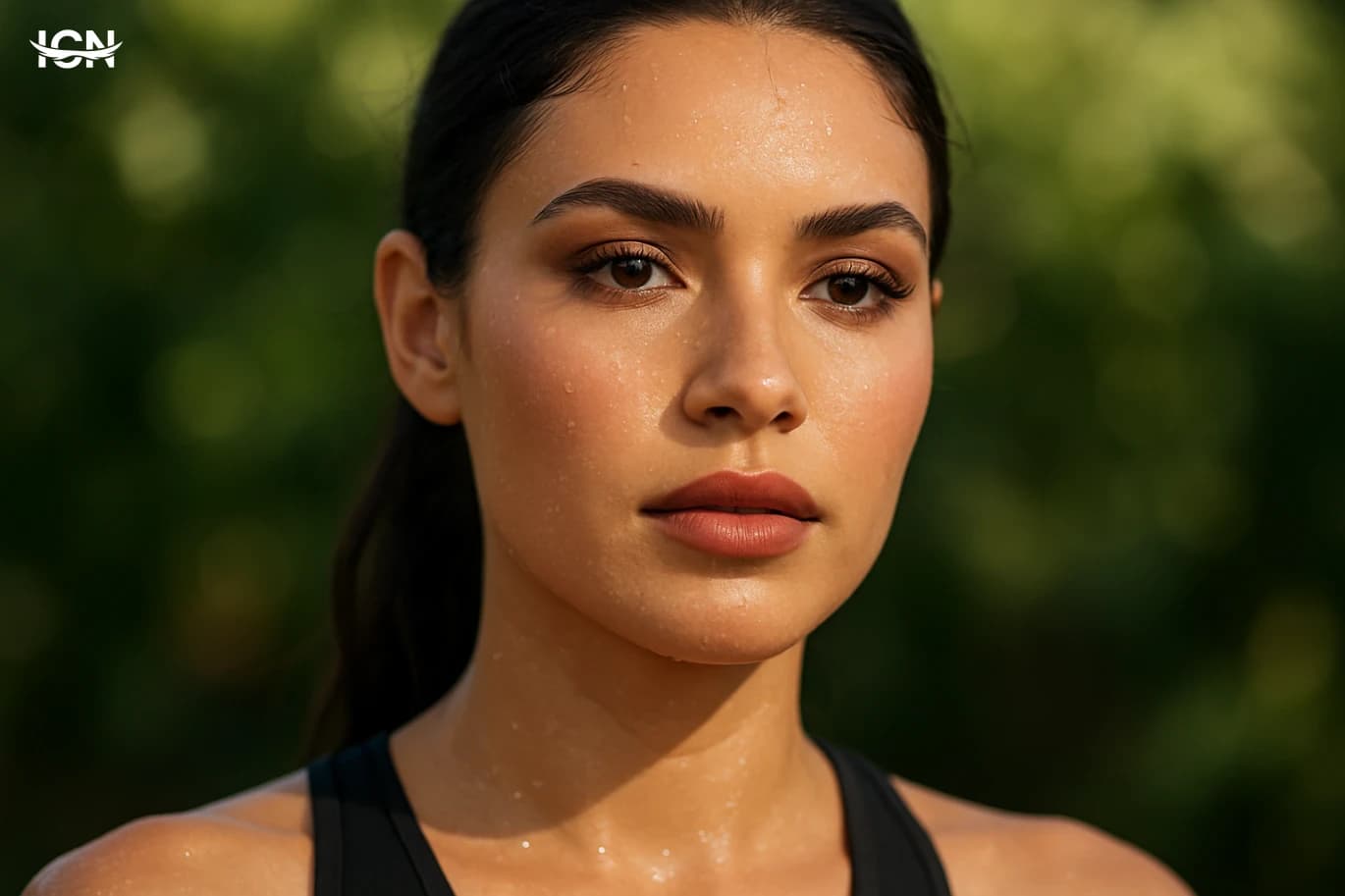
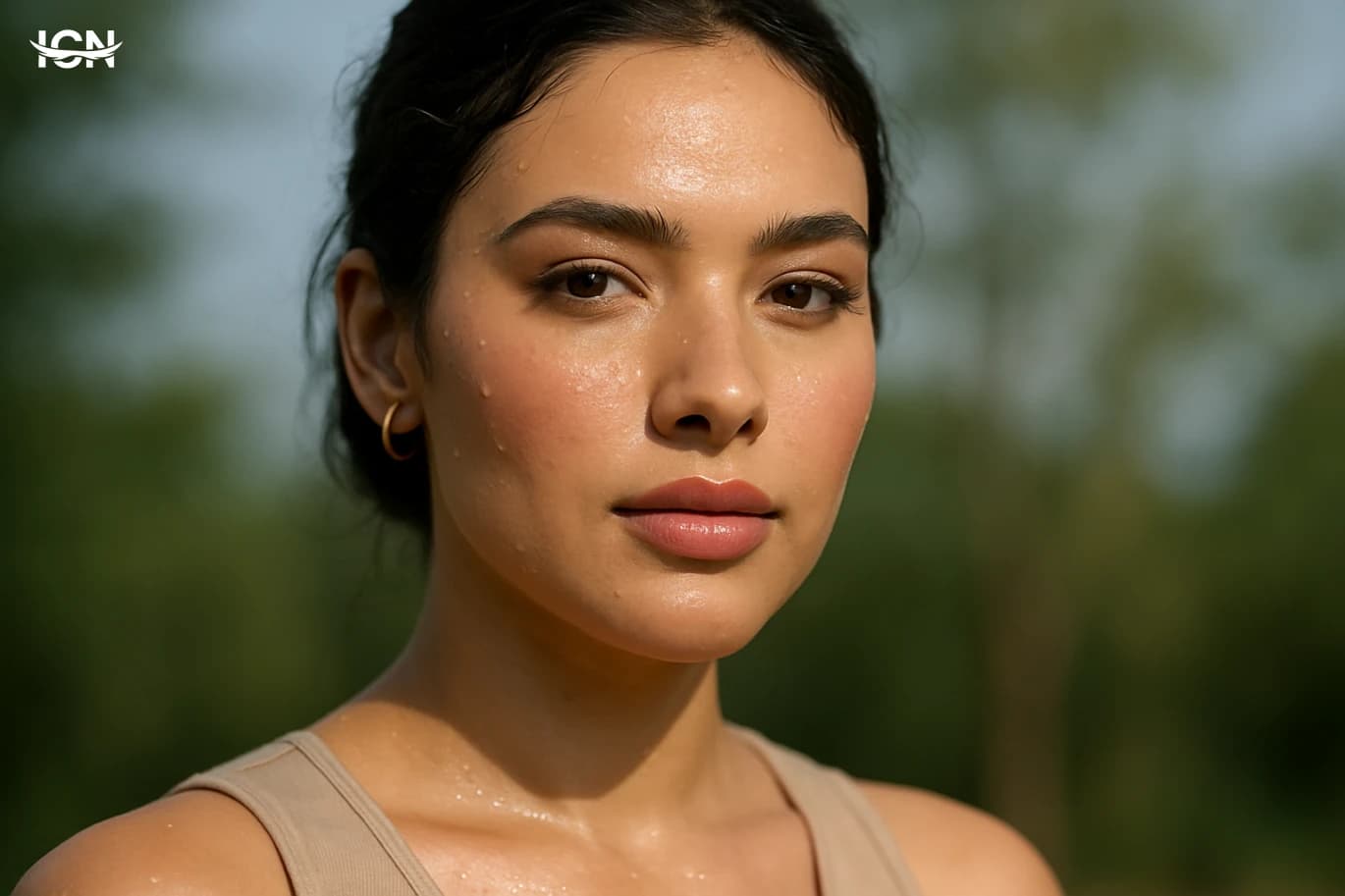
Humidity changes how makeup behaves because it adds moisture to the skin surface and slows down evaporation. When sweat mixes with skincare and foundation, pigments can separate and slide, especially around the nose, upper lip, and under-eye area. Oil production often increases in warm weather, and that extra sebum can dissolve creamy products and make powder look patchy. The result is familiar: shine that appears quickly, base makeup that transfers onto masks or collars, and blush or bronzer that fades unevenly. The key is to treat humidity as a formula and layering problem, not a “more product” problem. Heavy layers trap moisture and encourage movement. Instead, the goal is a thin, flexible base that grips the skin, plus targeted setting where you actually need it. Understanding where your makeup fails—creases, separation, fading, or transfer—helps you choose the right fix rather than adding another random step.
Prep That Actually Works
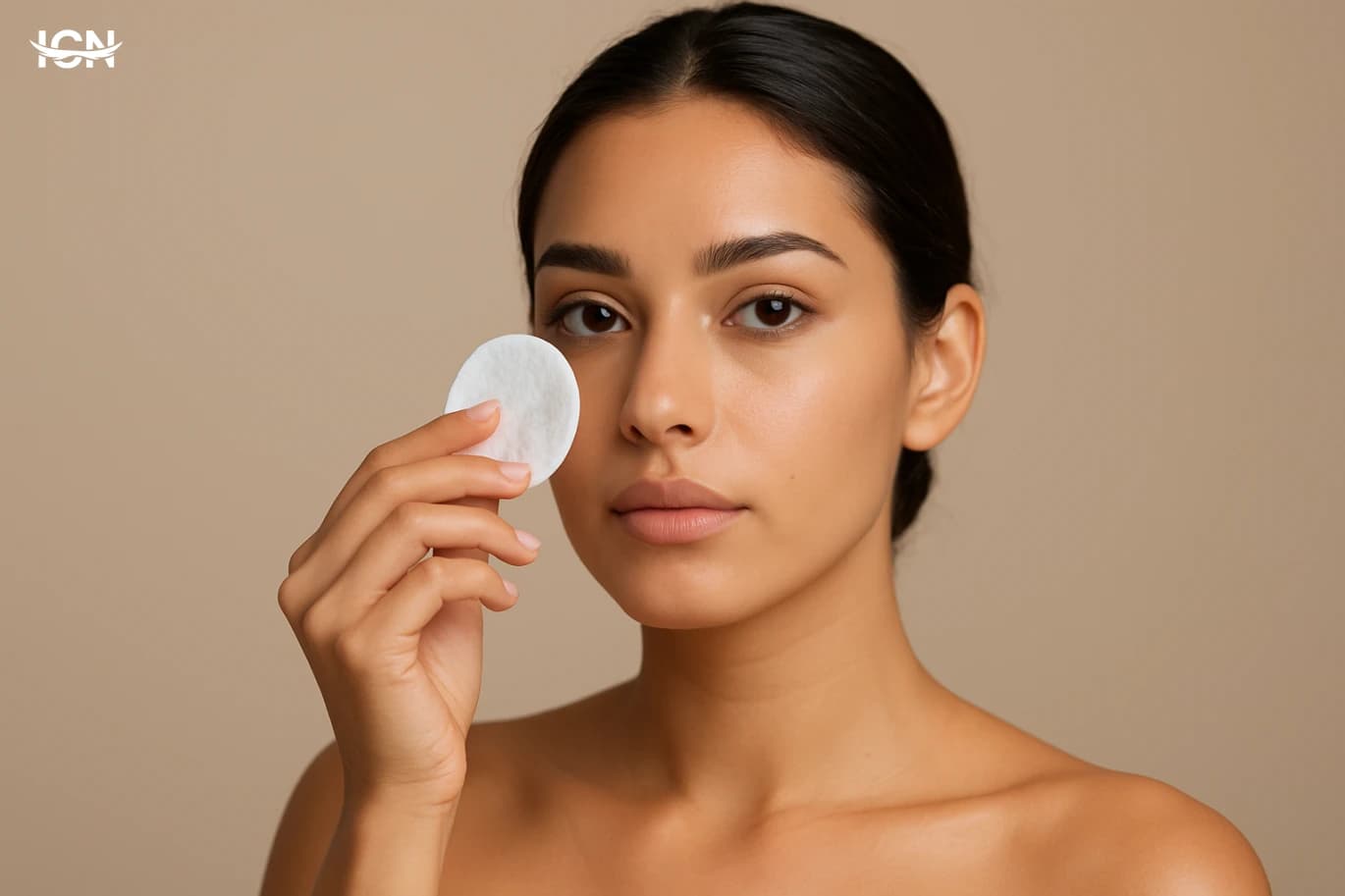
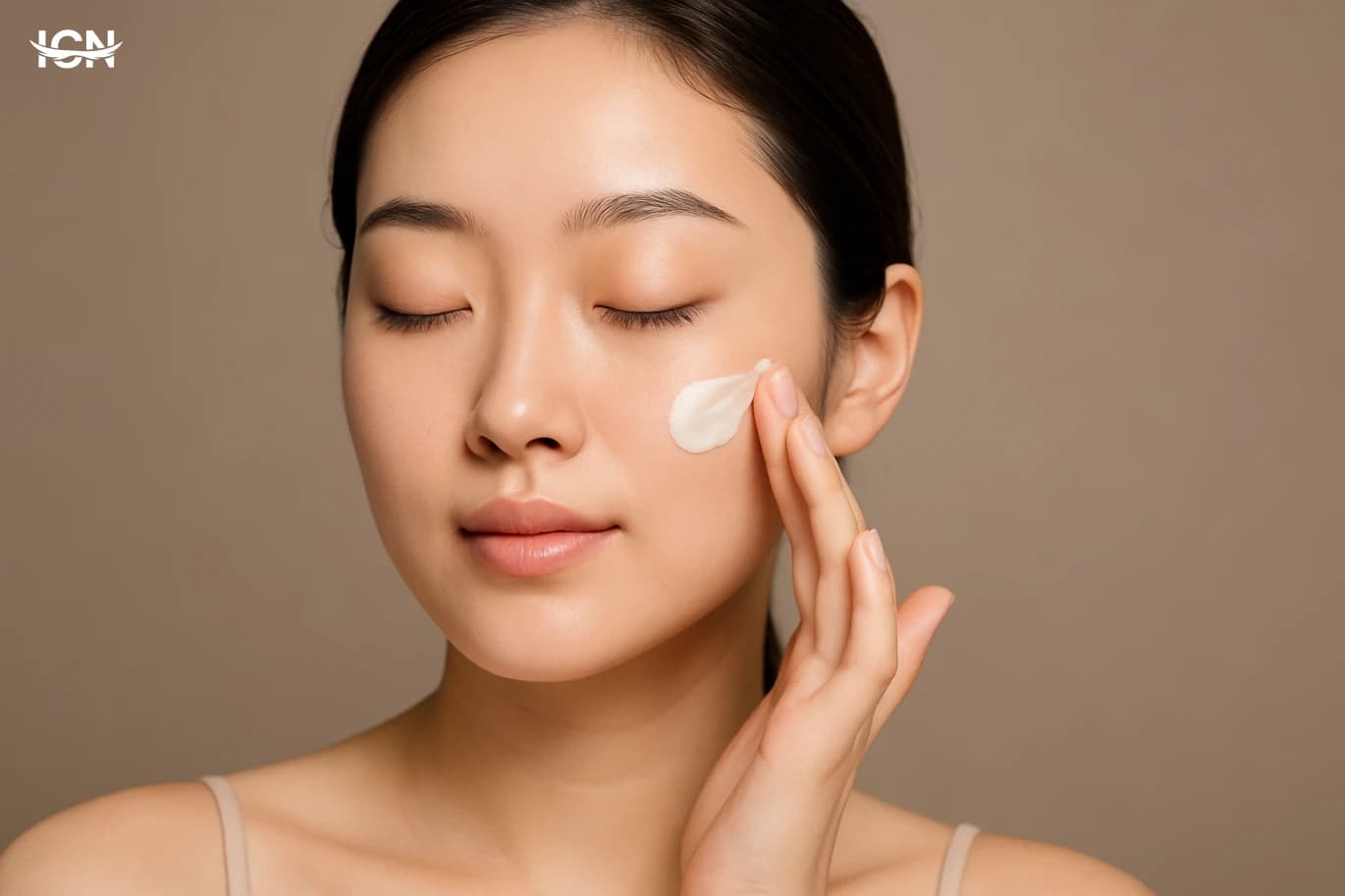
Start with cleansing that removes sunscreen residue, sweat, and oil without stripping. A gentle gel cleanser is usually enough; harsh foaming cleansers can trigger rebound oil. Follow with a lightweight, fast-absorbing moisturizer—think lotion or gel-cream—applied in a thin layer. In humidity, the most common mistake is using rich creams plus facial oils, which can prevent base products from setting. Sunscreen is non-negotiable, but texture matters. Choose a fluid or gel sunscreen that dries down and doesn’t stay tacky. If your sunscreen remains sticky after 10 minutes, it will grab foundation unevenly and increase transfer. Primer should be selected by problem: a gripping primer for separation, a pore-blurring primer for texture around the nose and cheeks, or a mattifying primer only on the T-zone. Avoid layering multiple primers across the whole face; it can create a slippery film. A practical timing rule helps: give skincare and sunscreen at least 5–10 minutes to settle, then blot lightly with a tissue before makeup. This removes surface slip without removing protection. If you sweat easily, keep a clean tissue or blotting paper nearby and press, don’t wipe, before you add any complexion product.
A Thin Base That Stays Put
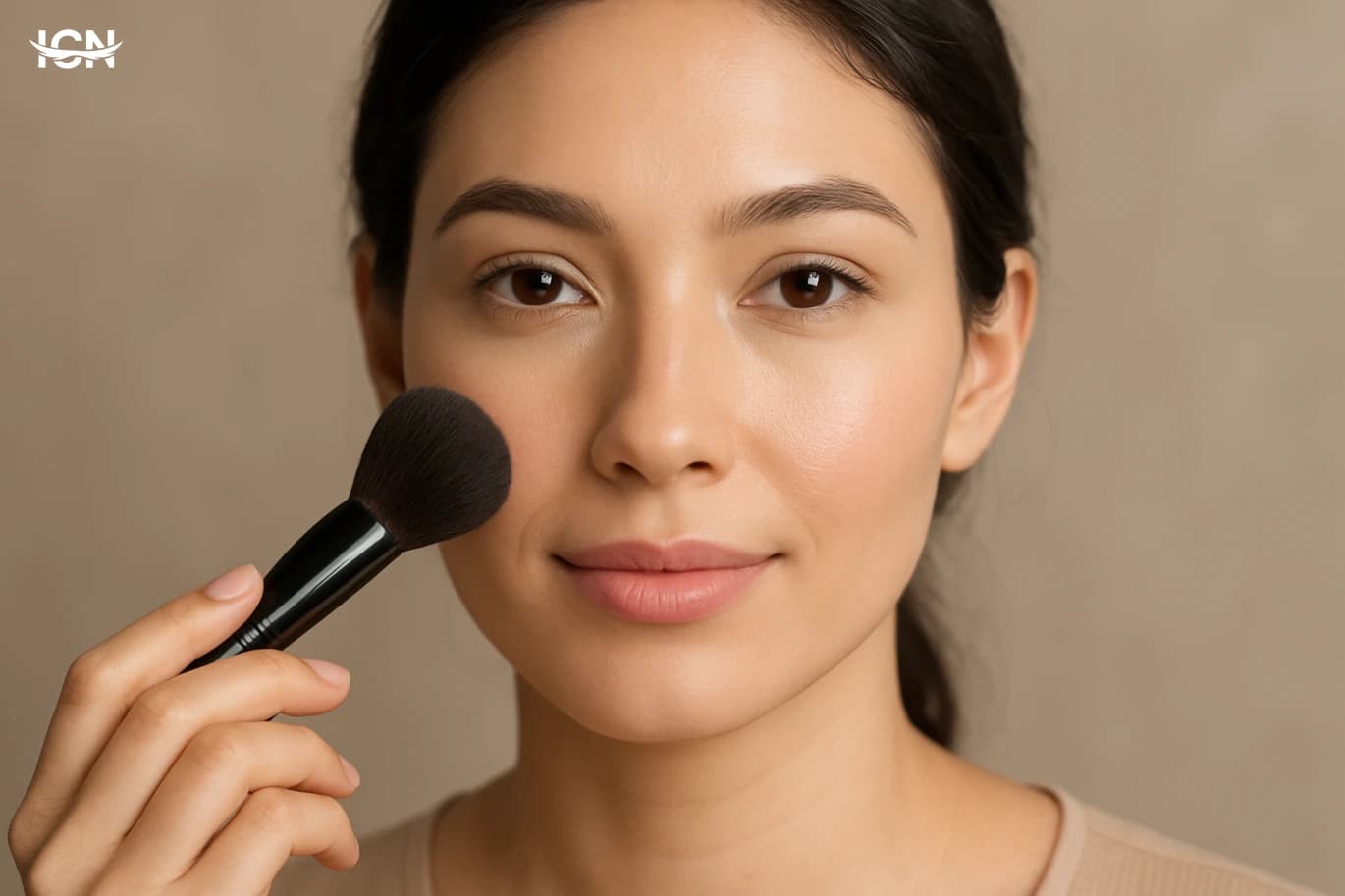
In humid weather, the most reliable base is a thin layer with strategic coverage. Start with a small amount of foundation and apply from the center of the face outward, where you typically need less. Use a damp sponge for a sheer, pressed-in finish or a dense brush for more coverage, but avoid repeated buffing; friction can lift sunscreen and create texture. If you need extra coverage, use concealer only where necessary rather than adding another foundation layer. For under-eyes, choose a lightweight concealer and set it quickly to reduce creasing. For redness around the nose, a tiny amount of concealer plus a tap of powder often lasts longer than heavy foundation. Product type matters. Long-wear foundations labeled “transfer-resistant” or “humidity-resistant” tend to use film-forming polymers that hold pigments in place. If your skin is oily, a soft-matte finish usually performs better than dewy formulas. If your skin is dry, you can still wear long-wear products, but keep prep hydrating and avoid over-powdering. A useful technique is micro-layering: apply half your usual amount, let it set for a minute, then add a second thin layer only where needed. This creates durability without thickness, and it reduces the chance of foundation separating when you sweat.
Setting Without Caking
Setting is about controlling movement, not covering the face in powder. Focus on the T-zone, smile lines, and under-eyes. Use a finely milled loose powder and press it in with a puff or a small sponge, then sweep away excess with a soft brush. Pressing creates a tighter set than dusting. For oily areas, try a “powder sandwich” only where needed: a light dusting of powder after sunscreen has set, then foundation, then a final press of powder. This can reduce shine and improve wear time, but it can look dry if used on the whole face. For normal or dry skin, skip the first powder layer and set only at the end. Setting spray can help, but choose the right type. A long-wear setting spray is designed to form a flexible film; a hydrating mist is mainly for comfort and can increase slip in humidity. Apply spray in two light passes, let it dry fully, and avoid touching your face while it sets. If your makeup still transfers, check the order: cream products should go on before powder, and powder products should be layered after. Mixing cream blush over a heavily powdered base often causes patchiness in humid conditions.
Sweat-Resistant Eyes and Brows
Eye makeup often fails first because lids get oily and blink friction breaks down product. Start with an eyeshadow primer or a thin layer of long-wear concealer set with a touch of powder. Choose matte or satin shadows for daytime humidity; high-shine formulas can emphasize texture when lids get damp. For eyeliner, gel pencils and waterproof liquid liners usually last longer than kohl in humid weather. Apply in short strokes close to the lash line and let it dry before adding mascara. For mascara, look for waterproof or tubing formulas; tubing mascaras can resist smudging because they form tiny sleeves around lashes and remove with warm water. Brows need a similar approach: keep them clean and dry, then use a waxy pencil for structure and a strong-hold gel to lock hairs in place. If your brow gel stays tacky, it can attract powder and look dusty. A quick fix is to comb through with a clean spoolie after it sets. If you wear face mist during the day, shield your eyes and brows with your hand. Repeated misting can soften brow gel and cause mascara to transfer, especially if you apply it close to the lash roots.
Midday Touch-Ups That Don’t Ruin Everything
Touch-ups in humidity should remove moisture first, then add product. Start by pressing blotting paper or a tissue onto shiny areas. If you add powder on top of sweat, it can clump and look heavy. After blotting, use a small amount of pressed powder only where needed, applied with a puff for precision. If foundation has separated around the nose or chin, don’t pile on more. Instead, tap the area with a clean sponge to smooth edges, then add a pinpoint amount of concealer and set lightly. For cheeks, revive color with a powder blush rather than a cream formula, which can lift base makeup when the skin is damp. Plan a compact “humidity kit” that fits in a small pouch: blotting papers, a mini pressed powder, a travel-size setting spray, a cotton swab for smudges, and a lip product that fades evenly. For lips, stains and satin bullets often outperform glossy formulas in heat because they don’t slide as much. Finally, evaluate your routine after a full day. If you consistently get breakdown in one area, adjust one variable at a time—primer placement, powder amount, or foundation finish—so you can identify what actually improves wear in humid conditions.