App Logo

Download Our App

Shop your way

logologo
Image

lapis lazuli

07/06/2025By: ICN
lapis lazuli

What is lapis lazuli?

History and Lasement sources: It is a precious metal that mainly consists of aluminum and sodium silicate, and is famous for its bright blue color. Its use dates back about 6,500 years in ancient Egyptian civilization, as it was used as a tool for decoration and decoration. The lapis lazuli is mainly exploited from mines in Afghanistan, where it is considered one of the oldest sources of this mineral. Physical and chemical properties have a deep blue loser, and can contain gold or white points that give it additional distinction. It has a hardness ranging from 5 to 5.5 on the Moss scale, making it ideal for use in jewelry and artwork. It mainly consists of crystal unit and silk, which is an insoluble material in water.

Lazord assets

Mining and extraction lapis mining: It requires accurate processes to extract the precious metal from the mines. Traditional and modern tools are used to ensure quality preservation. Manual mining techniques are usually the most common, allowing pure and impurities free. Lazord -producing countries are Afghanistan are the most prominent country producing countries, where the metal is extracted from foot -racked mines. In addition, there are some sediments in countries such as Chile and Russia, but they are not comparable to the quality of the Afghan lapis lazuli. These areas are characterized by the diversity of their geological factors that enhance the quality of the metal.

Traditional lazuli uses

Uses in jewelry and lapis laziness: is commonly used in the manufacture of luxury jewelry and art pieces. It is characterized by a deep blue color that makes it the focus of attention of many jewelry designers. The preparation of pieces of lapis lazuli in the form of rings or necklaces is a great way to add an aesthetic touch to the fashion. Spiritual and medical beliefs The lapis lazuli is a stone that possesses spiritual and therapeutic power in some cultures. It is believed to enhance wisdom and promote spiritual communication. It is also used in traditional medicine to relieve psychological symptoms and achieve internal balance, making it common among those interested in spirituality and alternative treatment.

The health benefits of lapis lazuli

Positive effects on the loser body: It is considered a natural stones that carry positive effects on the human body. It is believed to help strengthen the immune system and enhance the flow of positive energy, which improves the psychological and physical condition. It is also believed to relieve stress and anxiety. Known therapeutic uses The lapis lazuli is also used in many cultures as a medium for medication. It may be used in energy therapy, as it is believed to help heal some diseases and enhance relaxation. In addition, it is considered a way to improve mental functions and increase focus, which makes it a common choice among alternative treatment practitioners.

How to distinguish the original lapis lazuli

The factors that determine the quality of the lapis lazuli discrimination of the original losque: depends on several factors, including color, purity, and transparency. Good lazuli is a rich and deep blue color, while it may contain yellow or white spots as a result of other minerals. The differences between the natural lapis lazuli and the natural lapis lazuli are characterized by color varies and unique fabric. On the other hand, the factory lapis is identical in shape and color. So buyers should pay attention to these differences in order to avoid buying fake or poor quality products.
* All articles published on this blog are sourced from various websites and are provided for informational purposes only. They should not be considered as confirmed studies or accurate information. Please verify the information independently before relying on it.

Similar ARTICLES

How to Buy Gold Jewelry Smarter
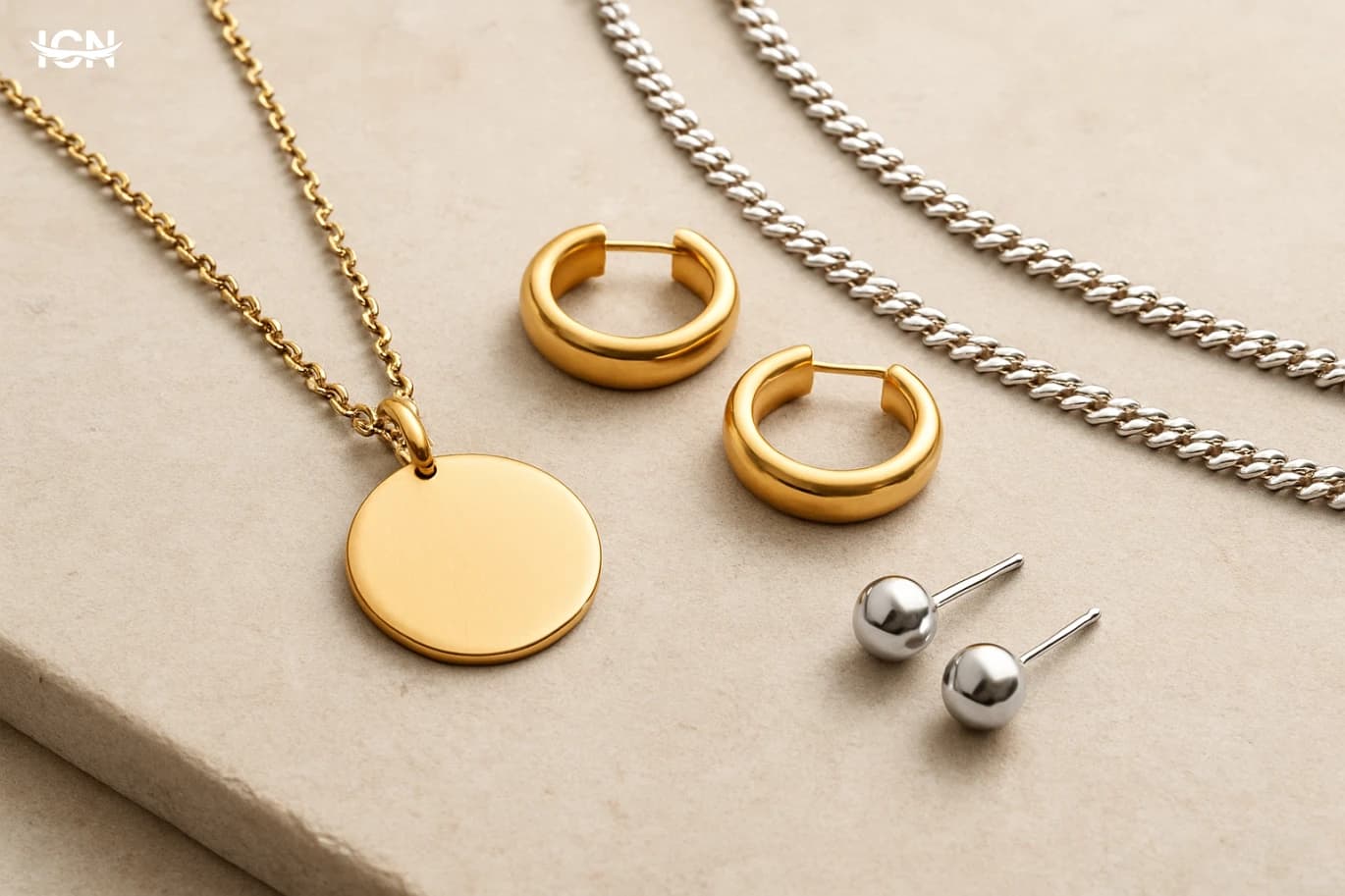
Gold jewelry pricing is not just about the metal’s daily market rate. In most retail purchases you pay for four layers: the gold content, the making charge (labor and manufacturing), the retailer’s margin, and any stones or special finishes. Understanding these layers helps you compare offers that look similar but are priced very differently. Start with the gold content. A 22K piece contains more pure gold than an 18K piece, but that does not automatically make it “better” for every use. Higher karat gold is softer, which can affect durability in rings and bracelets that get daily wear. Next comes the making charge, which can be a flat fee or a percentage of the item’s weight; intricate designs, hand finishing, and branded collections usually raise this cost. Retail margin varies widely by store type, location, and brand positioning. Finally, stones, enamel, plating, and special textures can add cost without adding much resale value, so it is worth separating “wear value” from “cash value.”
How Platinum Jewelry Holds Up Over Time
Platinum is often described as “low maintenance,” but its real advantage is more specific: it is dense, tough, and naturally white, so it does not rely on surface plating to look bright. In jewelry, that density matters because it helps prongs and settings keep their shape under daily wear. Platinum also has a high melting point, which influences how it is worked at the bench and why skilled craftsmanship is important for clean joins and secure stone seats. Another key difference is how platinum shows wear. Instead of losing material quickly, platinum tends to displace slightly, creating a soft patina rather than deep gouges. That patina is not dirt or tarnish; it is a change in surface texture that can make the metal look more matte. Some people prefer this lived-in finish, while others want a crisp, high-polish look. Understanding this behavior helps buyers set realistic expectations for how a ring or bracelet will look after months and years of use.
Platinum Jewelry Buying Guide That Actually Helps
Platinum sits in a different category from most jewelry metals because of its density, rarity, and the way it behaves over years of wear. It is naturally white, so it does not rely on surface plating to look bright. That matters if you want a ring or bracelet to keep its color without periodic re-coating. Platinum is also heavier than gold, which many buyers notice immediately when they compare similar designs side by side. Another practical difference is how platinum wears. It tends to develop a patina, a soft, matte sheen that comes from tiny surface shifts rather than metal loss. In everyday terms, the metal moves more than it chips away, which can help settings remain substantial over time. This does not make platinum “indestructible,” but it does change what long-term maintenance looks like. Understanding these basics helps you decide whether you want a bright, mirror finish forever or a lived-in look that can be polished back when you choose.
How to Buy Ethical Gold Jewelry
Gold jewelry is often marketed as timeless, but the way gold is sourced can carry real environmental and labor impacts. Ethical gold is not a single label; it is a set of practices that reduce harm and improve transparency from mine to market. For buyers, the practical question is how to avoid vague promises and focus on verifiable signals. This topic matters because gold supply chains can be complex, with metal moving through traders, refiners, and manufacturers before it reaches a store. Without clear documentation, it is difficult to know whether a ring or necklace supports responsible mining, safe working conditions, and reduced pollution. Ethical purchasing also connects to product quality and long-term value. Reputable brands that invest in traceability tend to document alloy composition, finishing standards, and after-sales service more consistently. That means fewer surprises about discoloration, weak clasps, or unclear karat markings. In this article, the goal is to give a buyer-focused checklist that works whether you are shopping online, visiting a local jeweler, or commissioning a custom piece. The emphasis is on questions you can ask, documents you can request, and trade-offs you can evaluate without needing to be an industry insider.
Choosing Durable Metals for Everyday Jewelry
Jewelry worn every day faces a predictable set of stresses: repeated contact with desks and door handles, friction from clothing, exposure to sweat and cosmetics, and frequent handwashing. Over time, these factors can dull a finish, loosen settings, or bend thin components. Durability is not only about avoiding visible scratches; it also affects how well a ring keeps its shape, how securely a clasp holds, and whether prongs maintain their grip on a gemstone. A durable metal choice reduces maintenance costs and lowers the risk of repairs that can change the original look of a piece. Daily-wear durability also has a practical comfort angle. Softer metals can develop rough edges after repeated knocks, while poorly chosen alloys may discolor and transfer residue onto skin or fabric. For people who wear one ring continuously, small changes in surface texture become noticeable quickly. Understanding how different metals behave under routine conditions helps buyers match a piece to their lifestyle, whether that means commuting, working with hands, or simply wanting jewelry that stays presentable with minimal effort.
How to Read a Gem Report
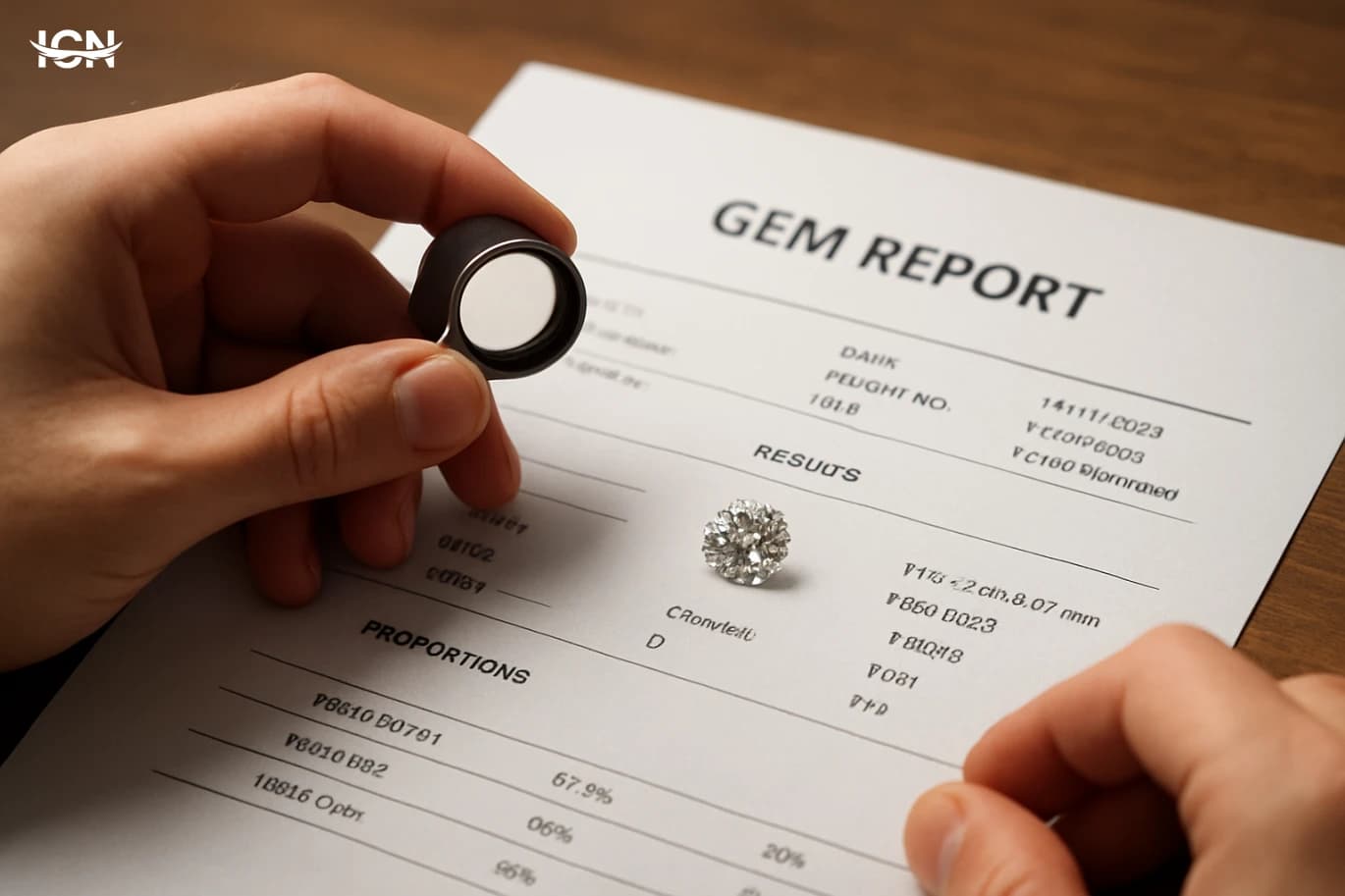
In Metals & Gemstones, a lab report is one of the few tools that can reduce guesswork when you are comparing stones that look similar in a display case. A report does not “make” a gem valuable on its own, but it documents measurable facts such as identity, weight, dimensions, and whether the stone shows evidence of treatments. This matters because two stones with the same color and size can differ in durability, rarity, and long-term resale appeal depending on what the report states. Reports also help you compare pricing across sellers. When a listing says “natural sapphire” or “diamond,” that wording can be used loosely in casual retail. A report forces clearer language: it may specify whether the material is natural, synthetic, or a composite, and it may note if the stone has been treated to change color or clarity. For buyers, the practical benefit is simple: you can ask better questions, avoid mismatched expectations, and keep a paper trail for insurance, repairs, and future upgrades.
How Platinum Jewelry Holds Up Over Time
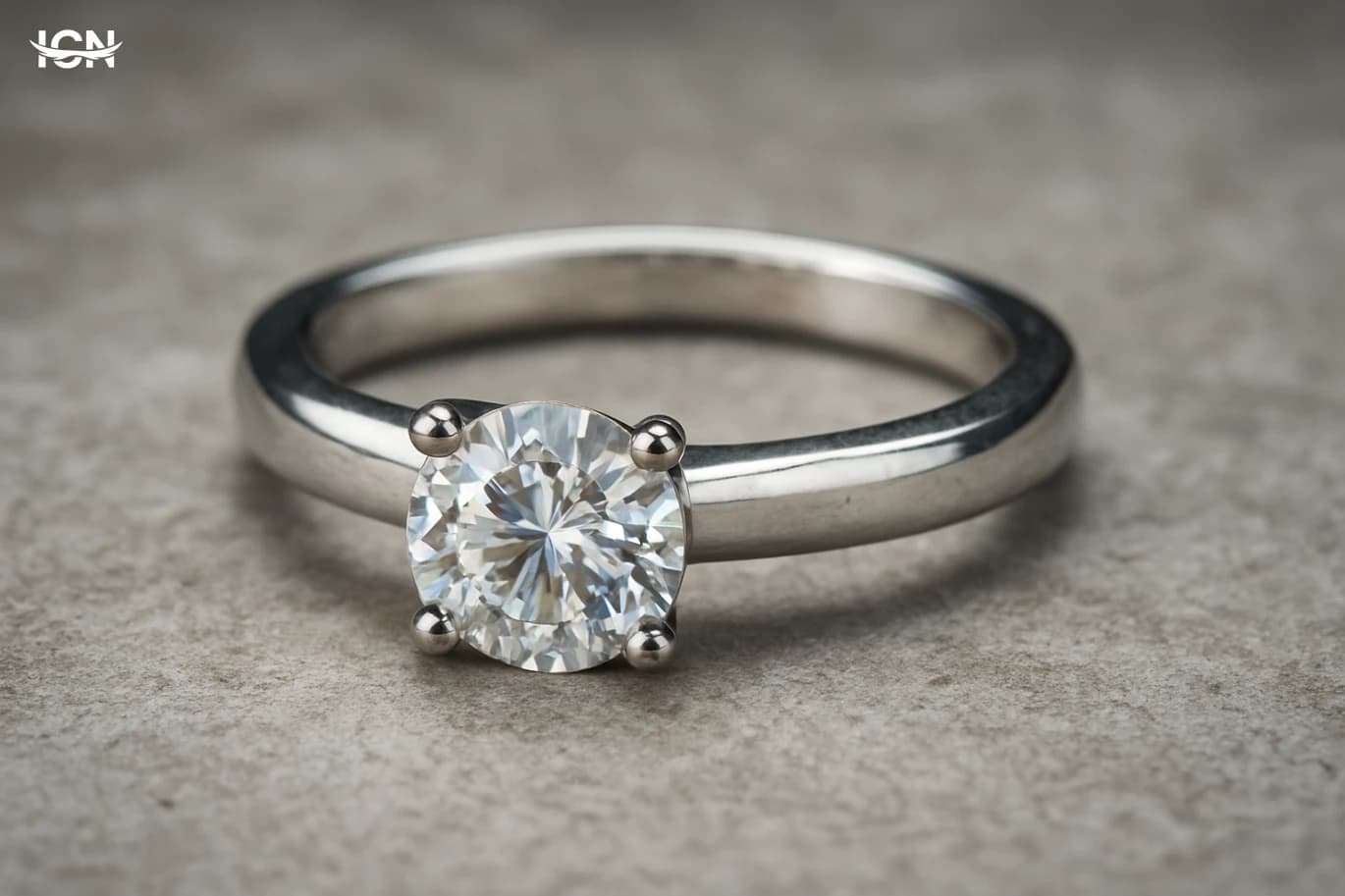
Platinum is often described as a “forever metal,” but the real reason it performs differently is its density and the way it wears. Compared with many white-metal alternatives, platinum is heavier for the same volume, which helps it feel substantial in rings and bracelets. That density also affects daily wear: instead of flaking away quickly, platinum tends to displace slightly, creating a soft surface patina rather than losing large amounts of material. For buyers, this matters because the long-term look of a platinum ring is usually a gentle satin sheen, not a bright mirror finish unless it is periodically polished. Another practical difference is how platinum holds stones. In well-made settings, platinum prongs can be shaped precisely and remain stable, which is one reason it is popular for diamond solitaires and pavé work. However, “platinum” is not one single formula. Jewelry is typically an alloy, such as 950 platinum (95% platinum) mixed with other metals to improve hardness and workability. Understanding that alloy choice and the craftsmanship behind it is the first step in predicting how a piece will age.
How to Spot Quality Gold Jewelry
Gold jewelry can look similar in a display case yet perform very differently over years of wear. The main reason is composition: pure gold is soft, so most jewelry is an alloy mixed with metals such as silver, copper, zinc, or palladium to improve hardness and color stability. Those choices affect scratch resistance, how quickly a piece loses its polish, and whether it develops discoloration at solder joints or thin edges. Manufacturing quality also matters. A well-made ring has consistent thickness, clean soldering, and secure stone settings, while a poorly made one may have weak prongs, uneven casting, or hollow areas that dent easily. Even the same karat can vary in durability depending on design, finishing, and how the piece was assembled. Another source of variation is surface treatment. Some items are plated to change color or add shine, and plating can wear off, especially on high-contact areas like ring bottoms and bracelet clasps. Rhodium plating on white gold is common and can look bright at first, but it may need periodic re-plating. Understanding these differences helps buyers focus on long-term value rather than first impressions under store lighting.
How to Verify Gold and Gemstone Jewelry
Buying jewelry is often treated as a style decision, but it is also a materials decision with real financial consequences. A small difference in gold purity, plating, or gemstone treatment can change value, durability, and resale potential. Many shoppers rely on a store’s reputation or a quick glance at a stamp, yet common issues include unclear hallmarks, mixed-metal pieces, and gemstones that look natural but are lab-grown or heavily treated. Verification is not about mistrusting every seller; it is about using a consistent checklist so you can compare offers fairly. It also helps you avoid paying solid-gold prices for gold-filled items, or natural-stone prices for composites. A practical approach starts with understanding what can be verified at home, what requires a jeweler’s tools, and what should be confirmed through an independent lab report when the price is high.
Lab Diamonds and Gold Buying Guide
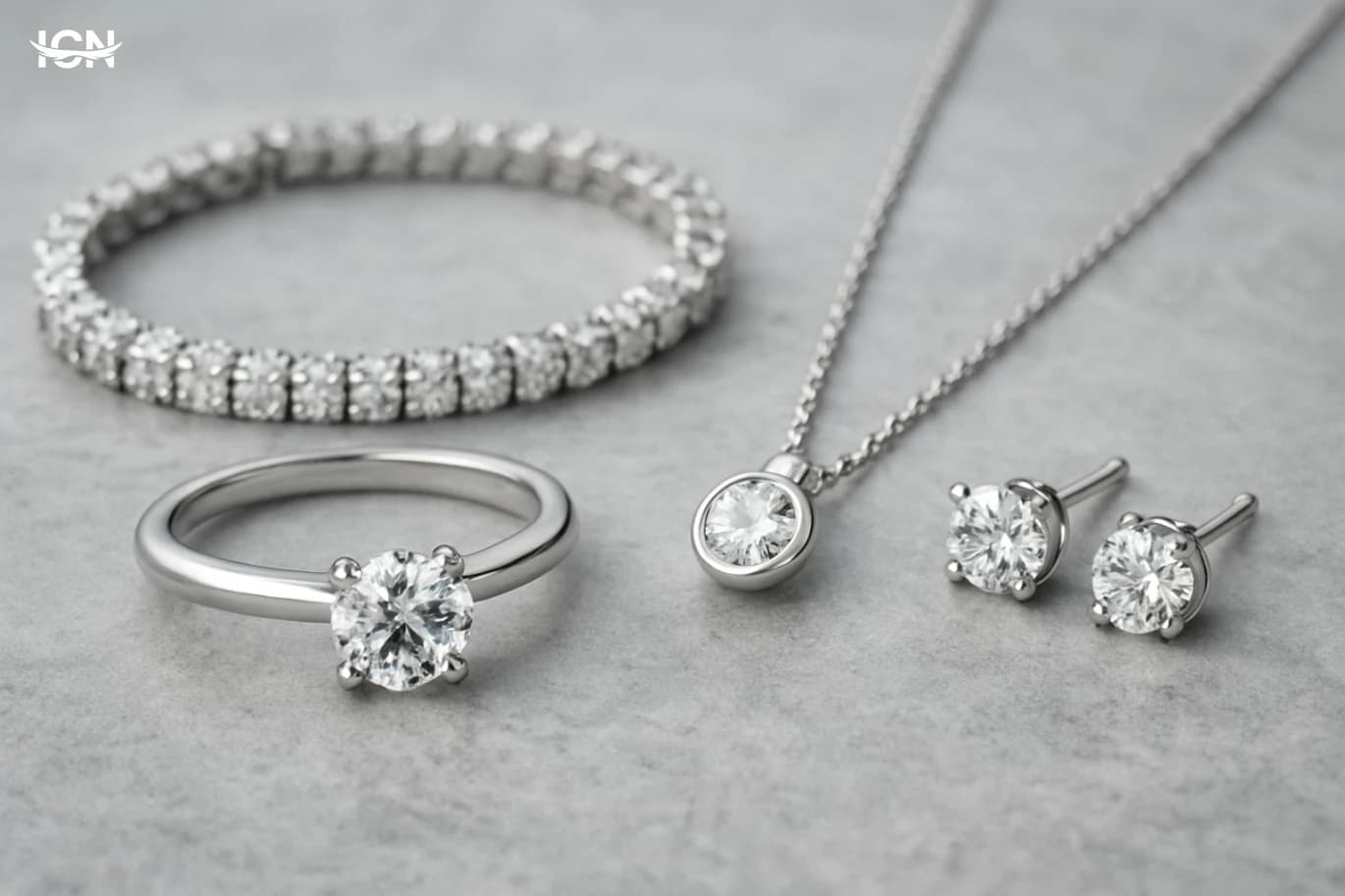
Lab-grown diamonds have moved from niche to mainstream in just a few years, and the shift is visible in pricing, retail displays, and consumer expectations. These stones are real diamonds with the same chemical composition and crystal structure as mined diamonds, but they are produced in controlled facilities using methods such as CVD or HPHT. For buyers, the immediate impact is value: a lab diamond of comparable size and quality typically costs less than a mined equivalent, which allows shoppers to choose a larger carat weight or higher clarity within the same budget. Retailers are also responding with clearer labeling, dedicated collections, and more customization options. The change is not only about price. Many consumers now ask for traceability, production details, and documentation that goes beyond a simple sales pitch. Lab diamonds often come with grading reports from major labs, and reputable sellers provide transparent information about growth method, post-growth treatments, and any color enhancements. At the same time, the market has become crowded, and quality varies. A serious buyer needs to understand how grading works, how settings affect durability, and how gold choices influence long-term wear. This guide focuses on practical decisions that matter at checkout and years later.
How Gold Prices Are Calculated
When people say “the price of gold,” they usually mean the international spot price for pure gold, quoted per troy ounce (about 31.1035 grams). This benchmark is traded around the clock in major financial centers and is commonly published in US dollars. It reflects the price for immediate settlement of standard, high-purity gold used in wholesale markets, not the final price a consumer pays at a jewelry store. To translate that benchmark into what you see locally, several layers are added. First is the currency conversion into your local currency. Then come product-specific factors such as purity (24K, 22K, 18K), the form (bar, coin, jewelry), and the costs and margins charged by refiners, wholesalers, and retailers. Taxes, import duties, and compliance costs can also be embedded in the final number. Understanding these components helps explain why two shops in the same city can quote different prices on the same day even though they are both referencing the same global market.
How to Buy Gold Jewelry Without Overpaying
Many shoppers assume the listed price reflects only the gold value, but jewelry pricing is a mix of metal value, craftsmanship, brand margin, and retail overhead. Two rings with the same weight and karat can differ widely because one has complex hand-finishing, a designer label, or a store operating in a high-rent location. The first step to not overpaying is separating the “gold content” from everything else. Ask for the item’s net gold weight, karat, and whether the weight includes stones, enamel, or steel springs. Even small non-gold parts can inflate the weight used to justify a higher price. Also understand that daily gold prices quoted in the news refer to pure gold, typically per troy ounce, while jewelry is priced in grams and rarely pure. Retailers may reference the market price but apply their own conversion and add a premium. If you do not know the current spot price in your local currency and the approximate gold content of the piece, you cannot judge whether the premium is reasonable. A quick check on a reputable financial site before shopping gives you a baseline and reduces the chance of being anchored by a high tag.
By clicking the SUBSCRIBE button, you are agreeing to our Privacy & Cookie Policy If you want to unsubsribe the marketing email, please proceed to our privacy center.
© 2005-2026 ICN. All Rights Reserved.