How to Read a Gem Report
- Why reports matter before you buy
- Lab names, formats, and what they imply
- Identity first: natural, synthetic, or composite
- Treatments and enhancements you must recognize
- Numbers that change price: carat, measurements, and cut
- Red flags and smart next questions
Why reports matter before you buy
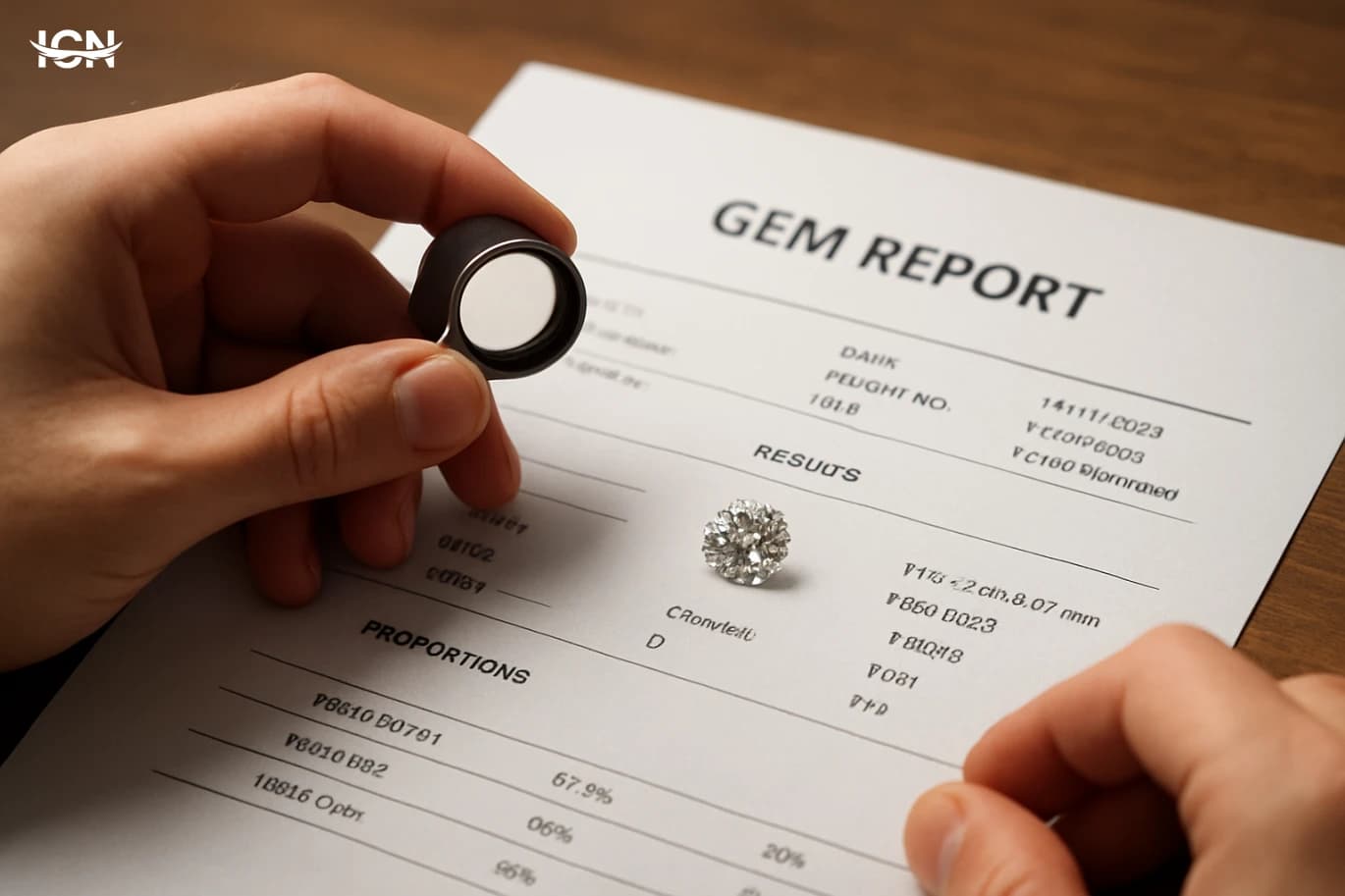
In Metals & Gemstones, a lab report is one of the few tools that can reduce guesswork when you are comparing stones that look similar in a display case. A report does not “make” a gem valuable on its own, but it documents measurable facts such as identity, weight, dimensions, and whether the stone shows evidence of treatments. This matters because two stones with the same color and size can differ in durability, rarity, and long-term resale appeal depending on what the report states. Reports also help you compare pricing across sellers. When a listing says “natural sapphire” or “diamond,” that wording can be used loosely in casual retail. A report forces clearer language: it may specify whether the material is natural, synthetic, or a composite, and it may note if the stone has been treated to change color or clarity. For buyers, the practical benefit is simple: you can ask better questions, avoid mismatched expectations, and keep a paper trail for insurance, repairs, and future upgrades.
Lab names, formats, and what they imply
Not all reports carry the same market weight. Well-known gemological laboratories tend to follow consistent methods, maintain reference collections, and publish terminology standards. Smaller labs may still be competent, but their grading language can be broader, and their treatment notes may be less detailed. When you see a report, start by checking the issuing lab, the report number, and whether the lab offers online verification. If the number cannot be verified, treat the document as an unconfirmed claim. Report formats vary by stone type. Diamonds often come with a grading report focused on cut, color, clarity, and carat weight, plus a diagram of inclusions. Colored stones may have an identification report that emphasizes species/variety, origin opinions (when offered), and treatment indications. Some labs issue separate “origin reports” or “appendices” for advanced testing. Understanding the format helps you know what the report can and cannot tell you, so you do not assume missing details were evaluated when they were not.
Identity first: natural, synthetic, or composite
The most important line on many reports is the stone’s identity. “Natural” means formed in nature, while “synthetic” or “laboratory-grown” means the material has the same chemical composition and crystal structure but was produced under controlled conditions. “Imitation” refers to a different material that only resembles the gem, and “composite” or “assembled” indicates multiple parts joined together, such as a doublet or triplet. This distinction affects pricing, expectations, and sometimes care. A lab-grown gemstone can be an excellent choice for budget or design reasons, but it should be priced and disclosed accordingly. Composites can look impressive but may have different durability and repair limitations, especially with heat or ultrasonic cleaning. When reading the report, look for clear terms like “natural corundum” versus “synthetic corundum,” and check whether the report uses qualifiers such as “variety” (e.g., sapphire, ruby) and whether it states “no indications of” versus “evidence of” certain features. Those phrases are not interchangeable and can change how you interpret the document.
Treatments and enhancements you must recognize
Many gemstones are treated, and treatment is not automatically negative, but it must be disclosed because it affects value and sometimes stability. Common examples include heat treatment in sapphire and ruby, oiling or resin filling in emerald, fracture filling in diamonds, and irradiation or heating in some topaz and quartz varieties. A report may state “heated,” “minor oil,” “resin,” “filling present,” or “no indications of treatment,” depending on what the lab can detect. Read treatment language carefully. Some labs use graded terms such as minor, moderate, or significant, especially for clarity enhancements. Others may provide a general statement without a level. If the report says “no indications,” it means the lab did not detect treatment with the methods used; it does not guarantee treatment never occurred. If the stone is expensive, ask the seller what aftercare is recommended and whether the treatment affects repair options. For example, filled stones can be sensitive to re-polishing or re-setting, and some treatments can change under high heat during jewelry work.
Numbers that change price: carat, measurements, and cut
Reports translate appearance into numbers that influence pricing. Carat weight is the most recognized figure, but measurements matter just as much because two stones of the same carat can face up differently. A well-cut stone may look larger and brighter than a poorly cut one with the same weight. For diamonds, cut grading can strongly affect brilliance and market value. For colored stones, the report may not grade cut in the same way, but it will list dimensions and sometimes comments on proportions. Pay attention to shape and cutting style as well. “Oval brilliant,” “step cut,” “cushion,” and “mixed cut” can change how color is distributed and how inclusions are hidden or revealed. Depth percentage and table size are commonly listed for diamonds; for colored stones, you may need to infer performance from measurements and in-person viewing. If you are shopping online, use the report’s dimensions to compare stones fairly, and ask for face-up photos and videos under neutral lighting. Numbers are essential, but they should match what you see.
Red flags and smart next questions
A report is helpful, but it is not a substitute for careful buying. Watch for red flags such as missing report numbers, unclear lab identity, mismatched stone measurements compared with the setting, or a seller who refuses to share a full copy. Be cautious if the report uses vague language without defining terms, or if it omits treatment information for a stone type where treatment is common. Also check dates: an older report is not automatically wrong, but you should confirm the stone still matches the document, especially if it has been re-cut or re-set. Before you pay, ask practical questions tied to the report. Can the seller provide verification links and high-resolution photos of the stone next to the report number? Is the stone laser-inscribed (for diamonds) and does the inscription match? What is the return policy if an independent appraiser finds discrepancies? For jewelry, ask whether the metal hallmark matches the listing and whether the setting allows future resizing or repairs without risking treated stones. These steps keep the report in its proper role: a strong reference point, supported by transparent selling practices.