Everyday Metals and Gemstones in Modern Choices
- Where Metals and Gems Quietly Shape Daily Life
- What Makes a Metal Feel Right
- Gemstones Beyond Sparkle
- Care, Cleaning, and Storage That Actually Works
- Buying with Confidence and Ethics in Mind
Where Metals and Gems Quietly Shape Daily Life
Metals and gemstones feel like specialized topics until you notice how often they sit inside ordinary decisions. A phone in your pocket relies on copper pathways, aluminum frames, and tiny amounts of gold in connectors. The keys you carry are usually brass or nickel-plated steel. Even the simple act of choosing a water bottle, a watch, or a pair of earrings is a choice about materials, durability, and how something will age. Gemstones, meanwhile, are not only about luxury. They are stories in solid form: a birthstone gifted at graduation, a ring passed down, or a small pendant bought after a personal milestone. Their value is partly economic, but it is also emotional and cultural. A stone’s color can signal identity, taste, or belonging, and its hardness and stability decide whether it can be worn every day or only on special occasions. In the Metals & Gemstones category, “general” doesn’t mean vague. It means noticing the shared thread between industry and intimacy: the same physical properties that make a metal useful in a machine also make it desirable in jewelry, and the same geological processes that create a gem also influence how it should be cared for. When you understand a few fundamentals, you can make better choices that last longer, feel better to wear, and align with your values.
What Makes a Metal Feel Right
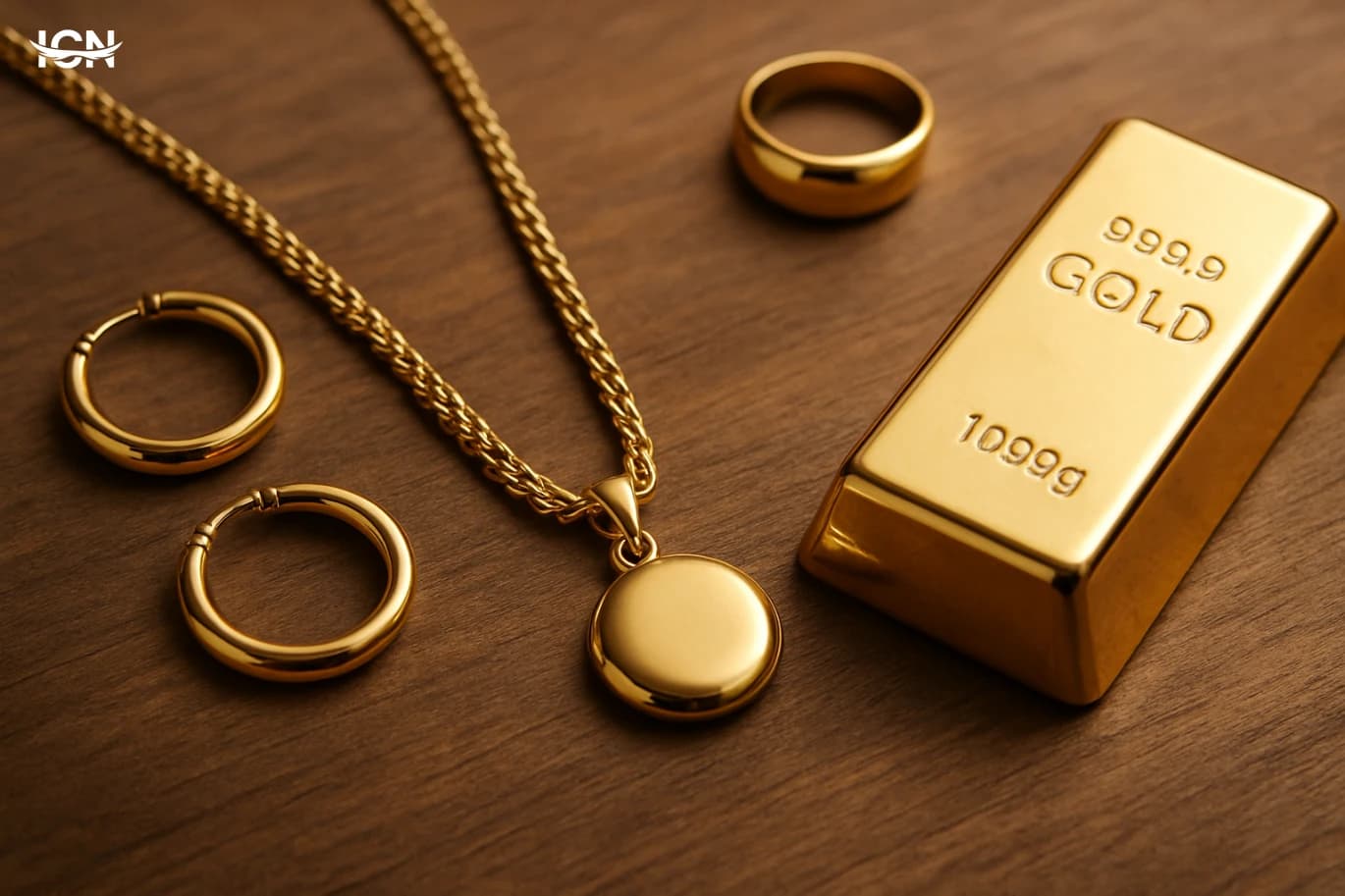
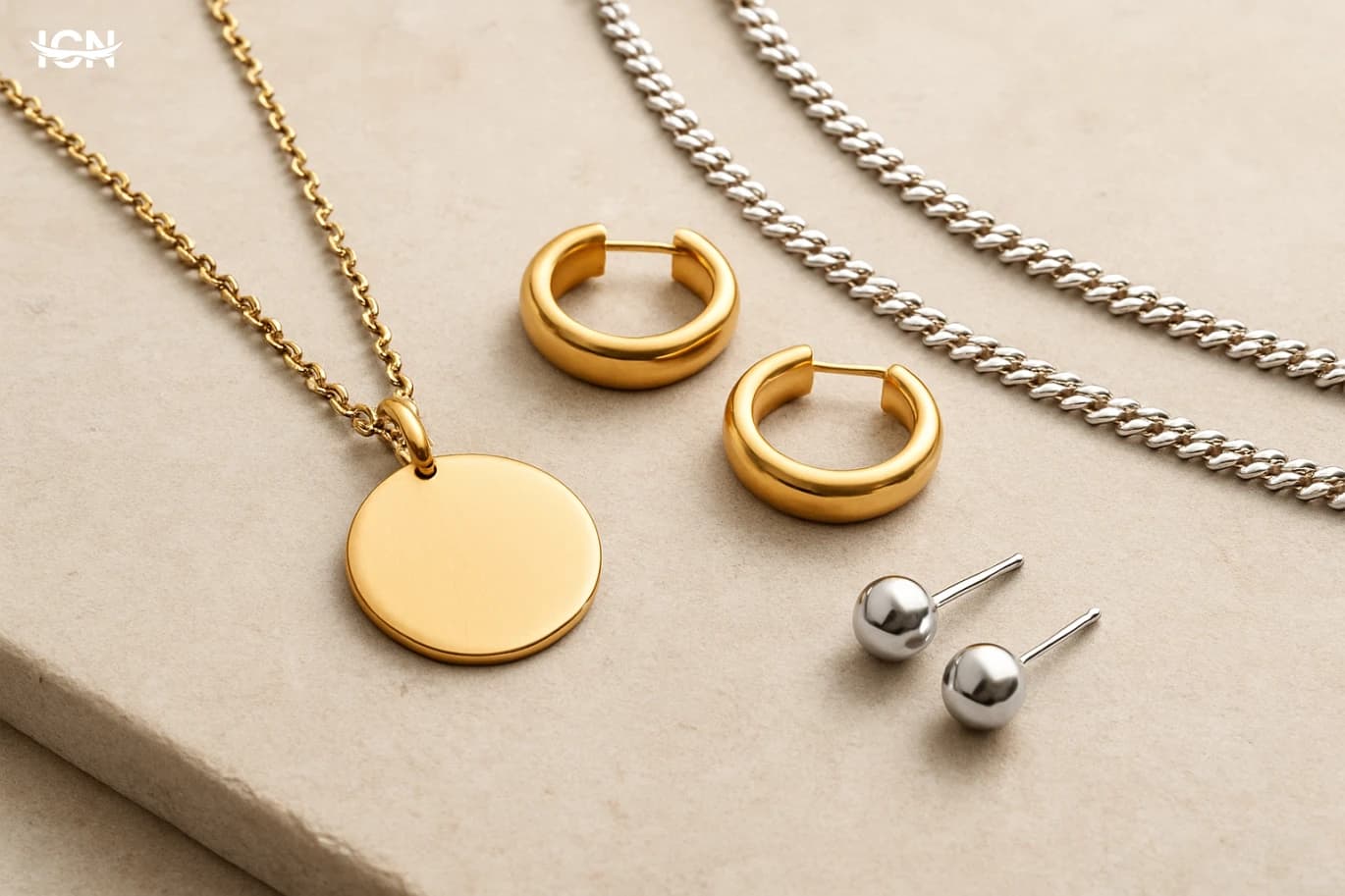
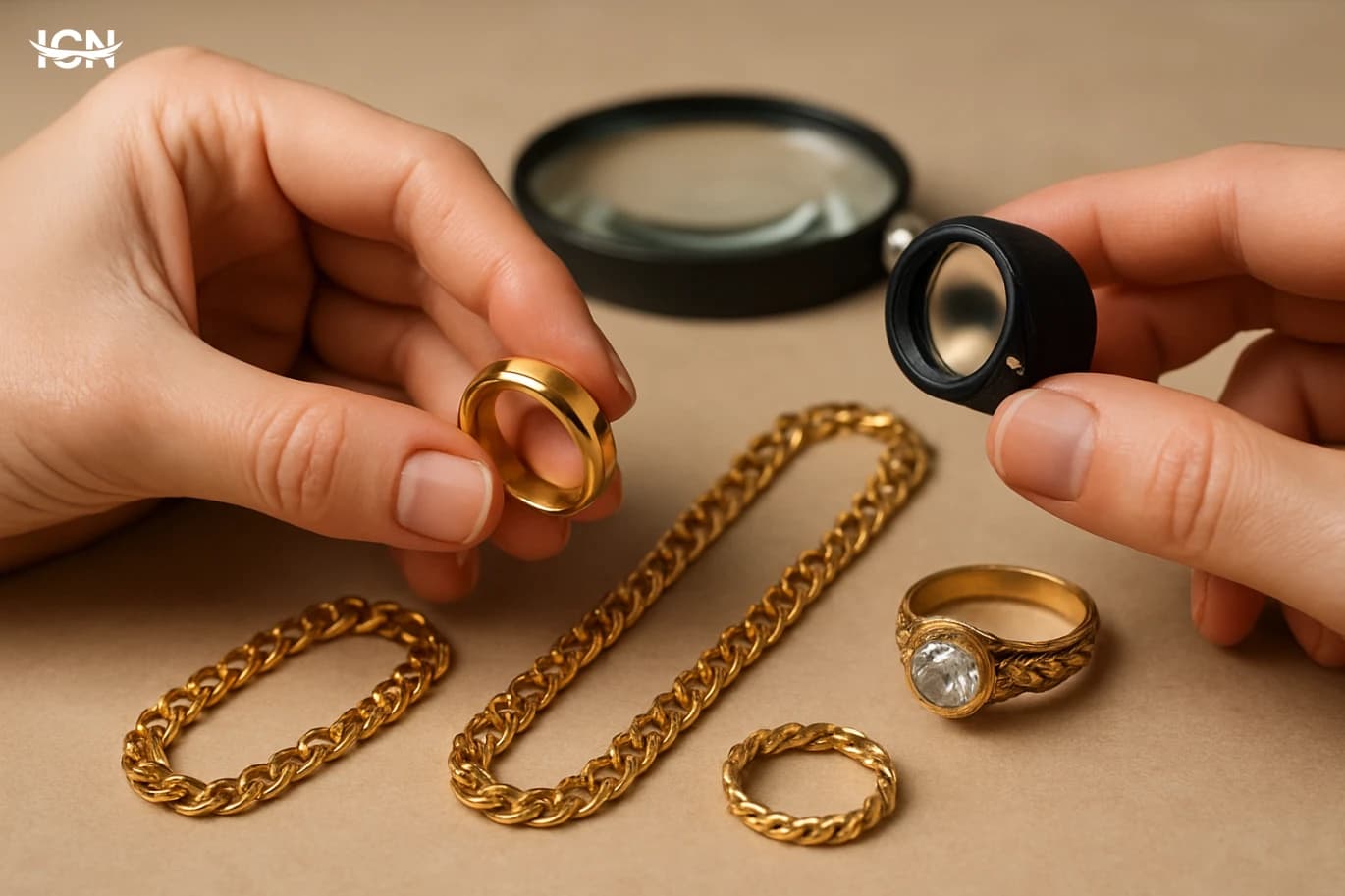
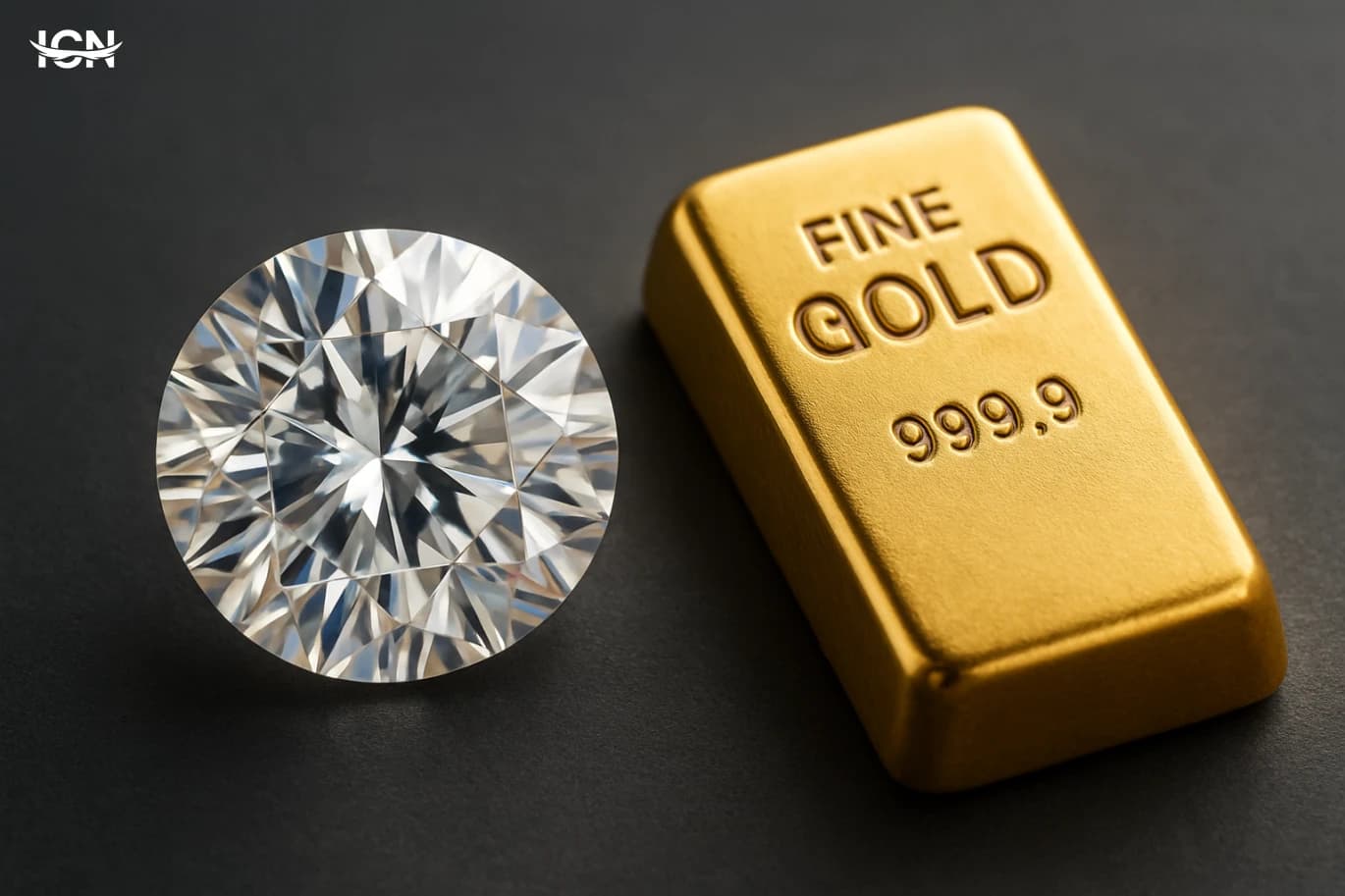
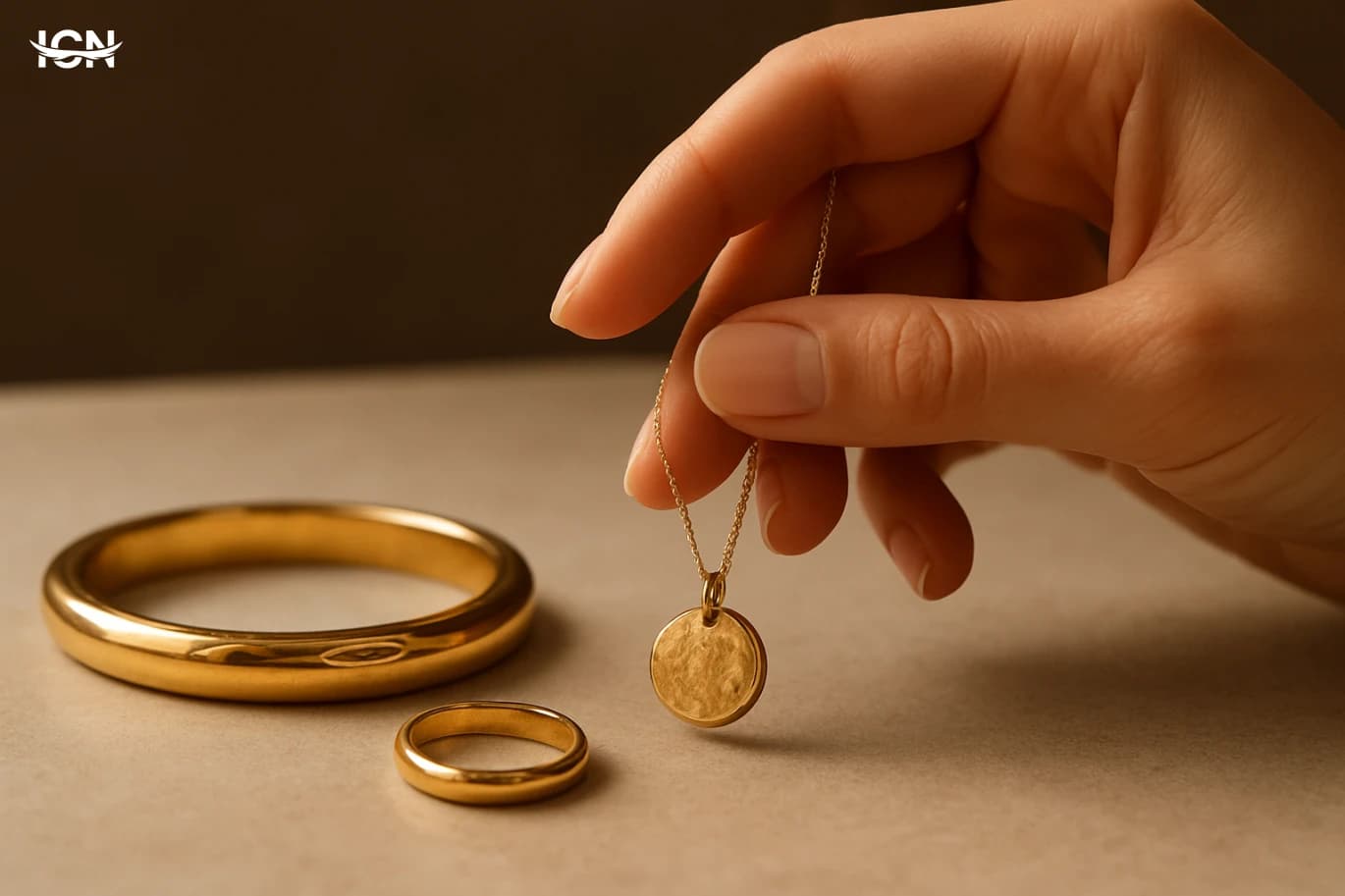
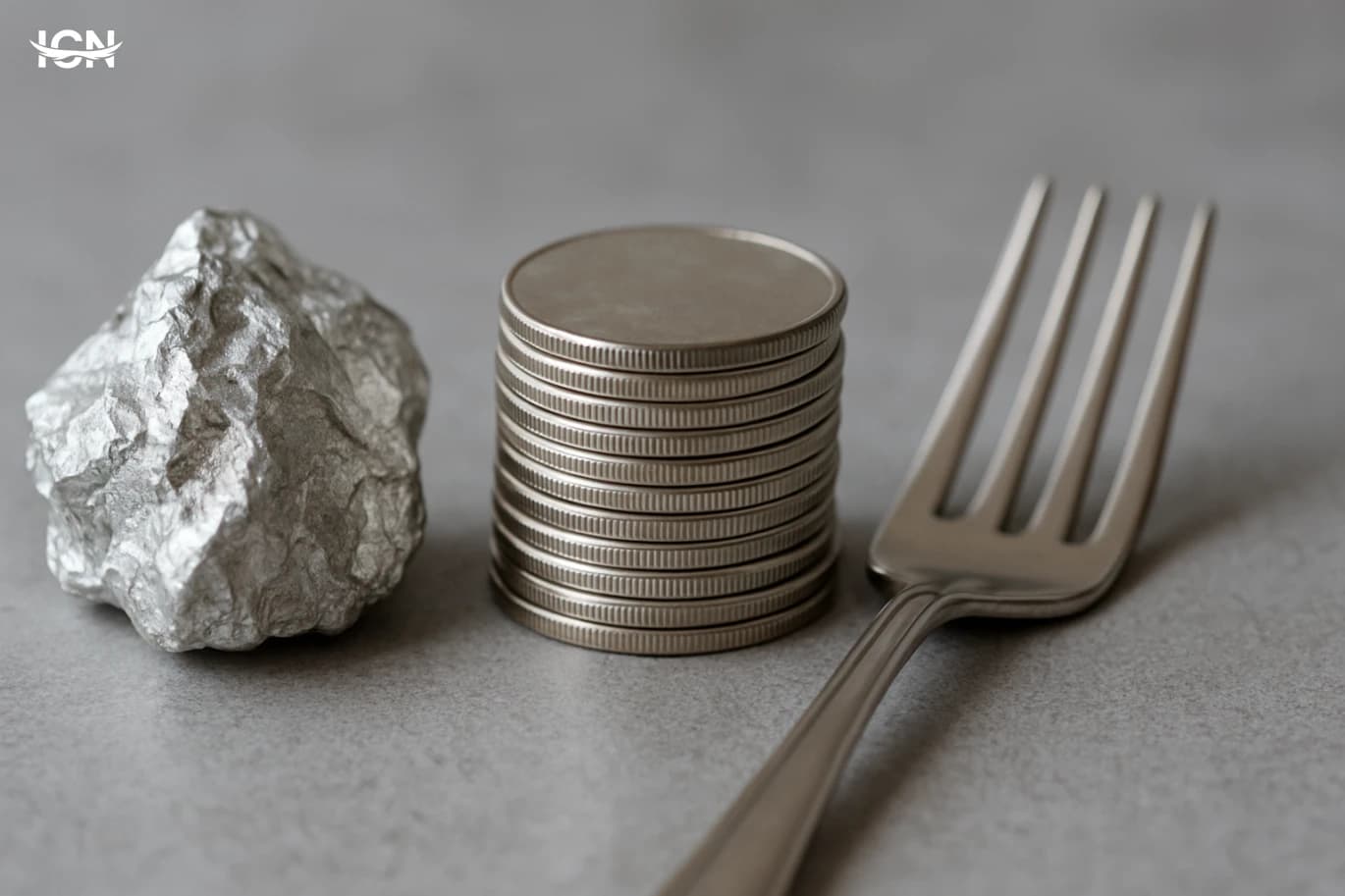
People often describe metal choices with quick labels like “premium,” “heavy,” or “hypoallergenic,” but the real story is in a few measurable traits. Density affects weight and the sense of substance. Hardness influences scratch resistance, yet hardness alone is not toughness; some hard materials can still chip or crack under the wrong kind of impact. Corrosion behavior decides whether a surface stays bright, develops a patina, or stains skin. Consider common jewelry metals. Gold resists corrosion extremely well, which is why it can look stable for decades, but pure gold is soft, so it is usually alloyed. The karat number is a practical clue: higher karat generally means richer color and more corrosion resistance, but also more softness. Sterling silver is bright and versatile, yet it tarnishes because it reacts with sulfur compounds in air; that tarnish can be cleaned, but it will return. Platinum is dense and durable, and it tends to develop a soft, matte patina rather than losing metal quickly, though it can still scratch. For everyday objects beyond jewelry, steel is the workhorse: strong, relatively affordable, and adaptable through different alloys. Stainless steel’s chromium forms a protective layer that slows rust, making it popular for watches, kitchen tools, and medical-grade jewelry. Aluminum is light and corrosion-resistant, excellent for travel gear and electronics housings. Copper conducts electricity and heat well, so it appears in wiring and cookware, but it also oxidizes, turning darker and sometimes green. The “feel” of a metal is also about skin chemistry and finishing. Some people react to nickel, which is why nickel-free or low-nickel options matter for earrings and rings. Polished surfaces show scratches more easily; brushed finishes hide wear but can look dull if not maintained. Even the choice between plated and solid metal is a decision about lifespan: plating can look great initially, but once it wears through, the underlying metal changes the look and may irritate skin. Knowing these trade-offs turns shopping into a more confident, less mysterious process.
Gemstones Beyond Sparkle
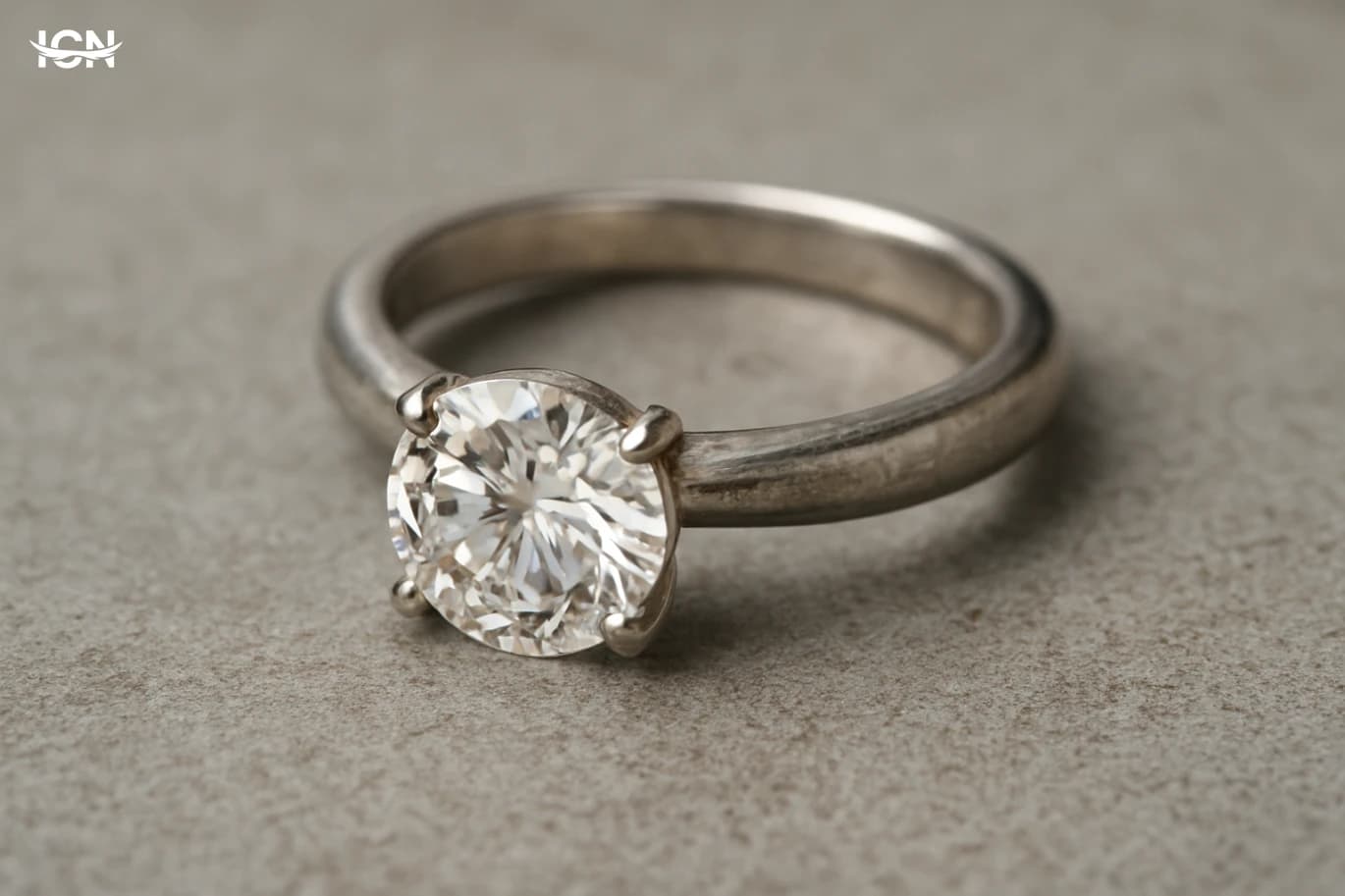
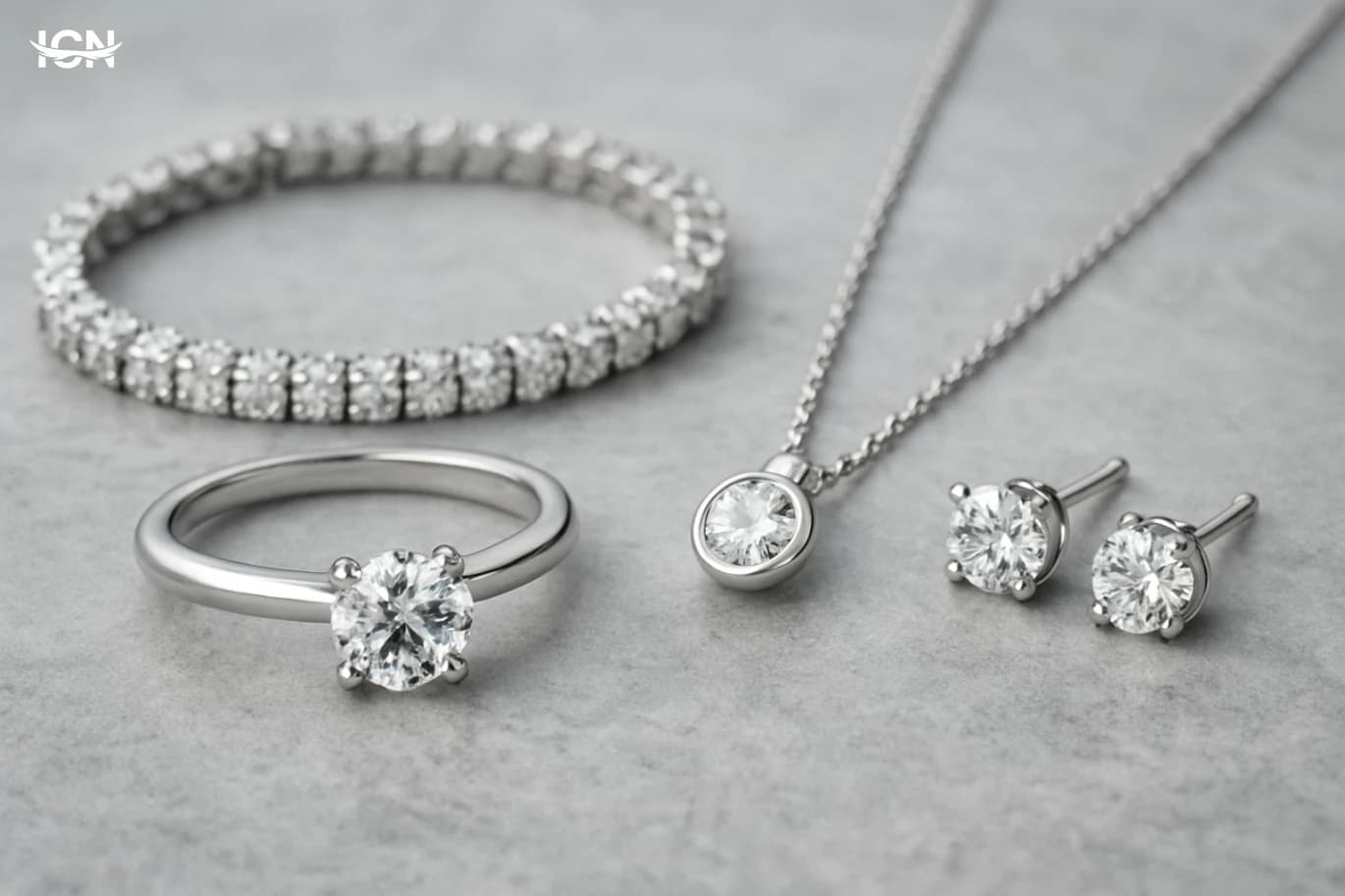
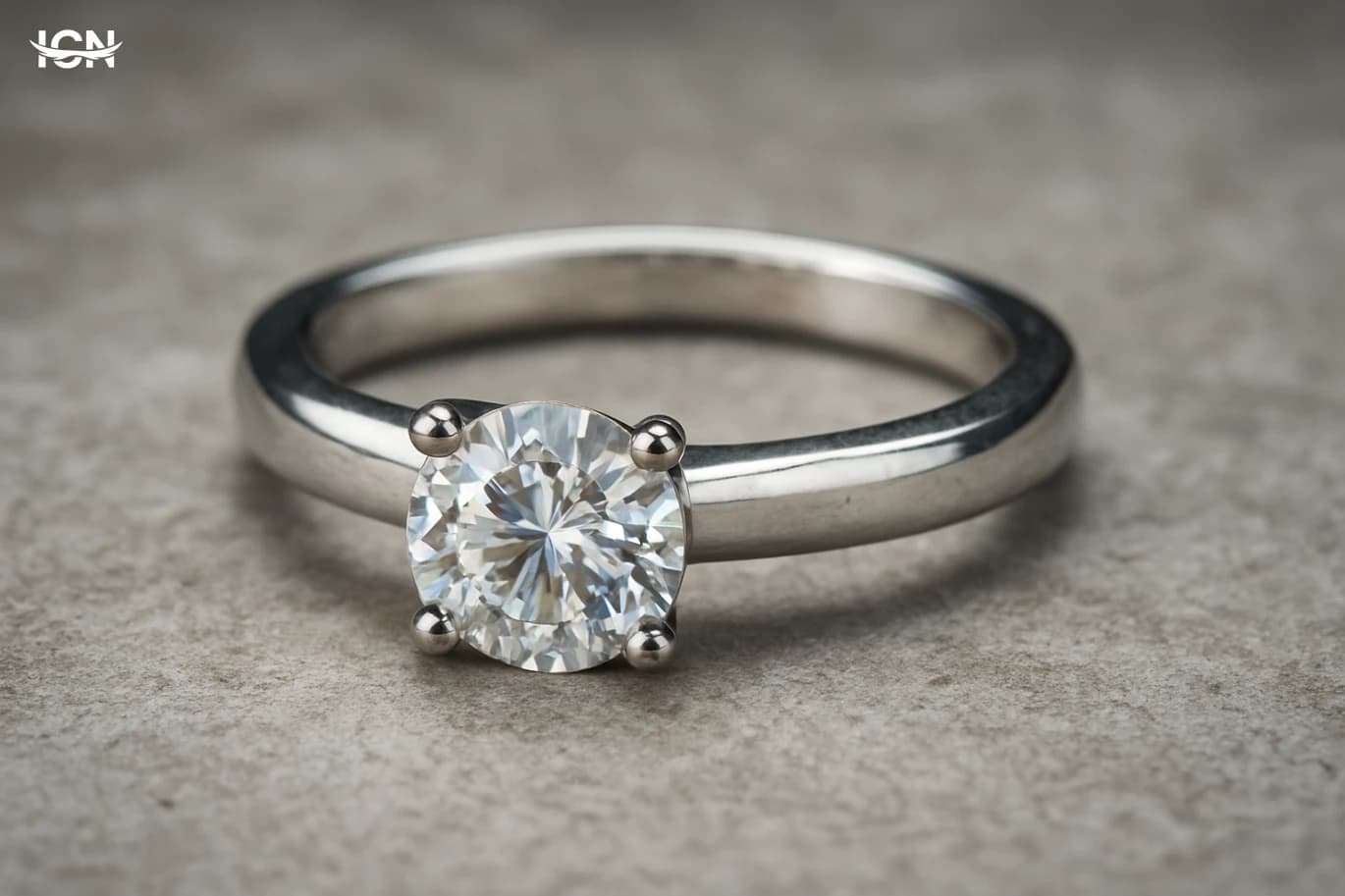
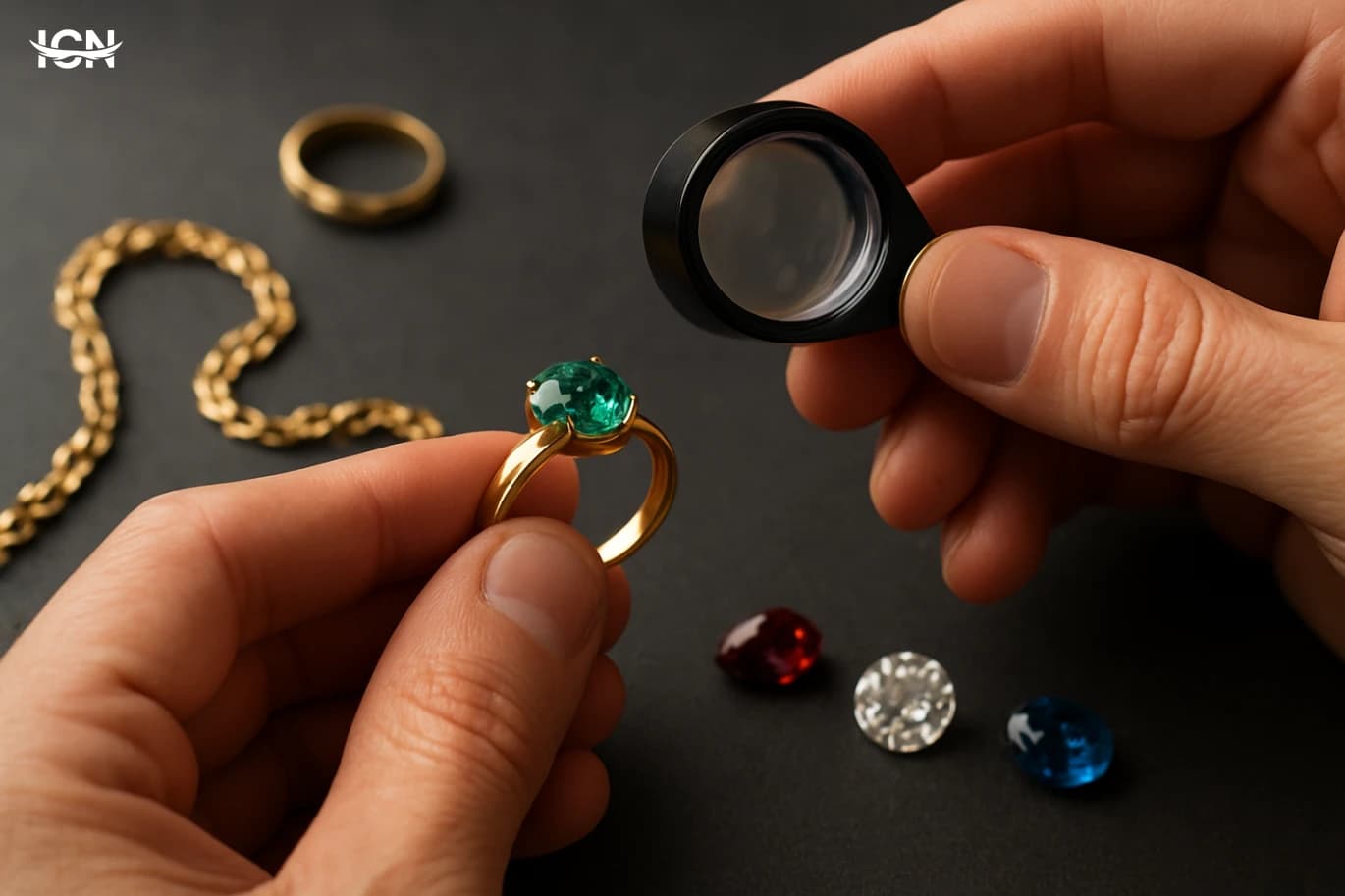
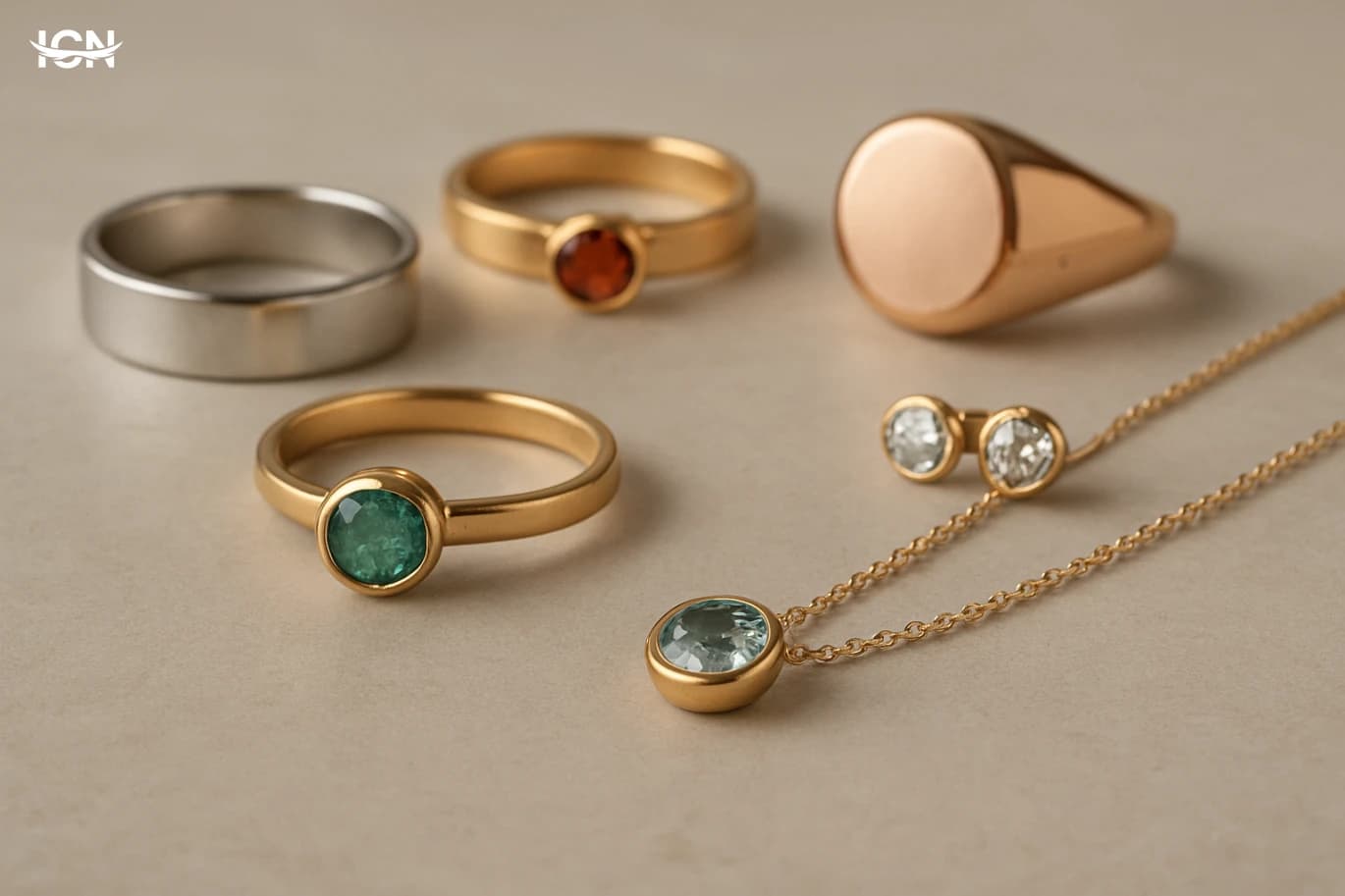
A gemstone’s beauty is the first thing you notice, but its performance is what determines whether it becomes a daily companion or a fragile treasure. Hardness, measured on the Mohs scale, is a starting point: diamond ranks at the top, while stones like opal and turquoise are much softer. Yet wear is also about toughness and cleavage. Some stones resist scratching but can split along internal planes if struck at the wrong angle. Color is another layer of complexity. Many gems owe their hues to trace elements or structural effects. Emerald’s green comes from chromium and sometimes vanadium, while sapphire can appear in many colors depending on impurities. This is why two stones labeled the same can look dramatically different. Cut influences how light returns to your eye; a well-cut stone can appear brighter even if its color is subtle. Clarity matters, but it is not always about “flawless.” Inclusions can be expected in certain stones and can even act like fingerprints that help identify natural origin. Treatments and synthetics deserve calm, practical attention. Heat treatment is common for many stones and can be stable and accepted in the market when disclosed. Other treatments, like fracture filling or dyeing, may require more careful handling. Lab-grown gemstones can be chemically identical to natural ones, offering lower cost and consistent quality, but they carry different resale dynamics and emotional meaning for different buyers. The key is transparency: knowing what you are buying and how it should be cared for. If you want a stone for everyday wear, choose with lifestyle in mind. Rings face knocks, so durable stones and protective settings matter. Earrings and pendants experience less abrasion, making softer stones more feasible. And remember that “rare” does not always mean “practical.” A delicate stone can still be perfect if you accept that it is for occasional wear and you store it thoughtfully.
Care, Cleaning, and Storage That Actually Works
Good care is less about fancy products and more about avoiding predictable damage. For most metal jewelry, mild soap, warm water, and a soft brush handle routine buildup. Drying thoroughly matters because trapped moisture can accelerate tarnish on silver and encourage corrosion in lower-quality alloys. For plated pieces, gentle cleaning is essential; aggressive polishing can remove the thin outer layer. Gemstones need a more tailored approach. Hard stones like diamond, sapphire, and ruby can usually tolerate gentle brushing, but they still benefit from avoiding harsh chemicals that can affect settings or surface residues. Softer or porous stones, including opal, turquoise, and pearls, should stay away from ultrasonic cleaners, steam, and prolonged soaking. Pearls in particular prefer a damp soft cloth and minimal exposure to perfume, hairspray, and acidic sweat. Storage is where many collections quietly suffer. Pieces thrown together in a drawer scratch each other, especially when harder stones rub against softer ones. The practical fix is separation: small pouches, compartment boxes, or even simple fabric wraps. Silver benefits from anti-tarnish strips or airtight storage when possible. Chains tangle less when hung or laid flat in individual sections. There is also a “wearing order” that helps. Put jewelry on after applying lotion, fragrance, and hair products, and remove it before swimming, cleaning, or working out. Chlorine can damage metals and weaken settings; sweat and salt can dull finishes. A quick habit of wiping jewelry after wear removes oils and extends shine. These steps are not about perfection; they are about reducing the slow, cumulative wear that makes a favorite piece look tired before its time.
Buying with Confidence and Ethics in Mind
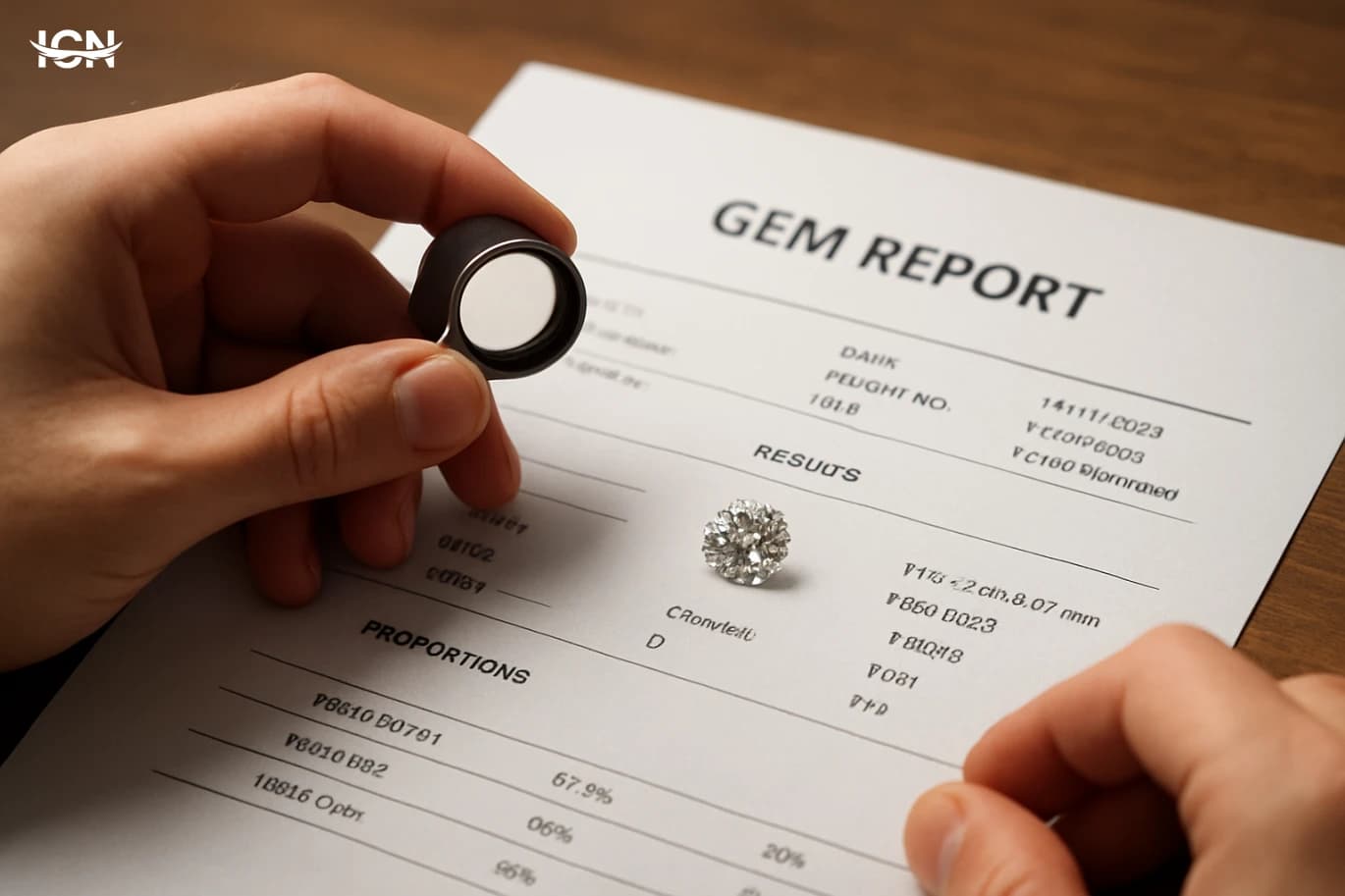
Buying metals and gemstones can feel intimidating because pricing is not always intuitive. A helpful approach is to separate what you can verify from what you simply prefer. Verify the basics: metal purity stamps, reputable seller policies, and any documentation for higher-value stones. Ask direct questions about treatments, origin claims, and whether a stone is natural or lab-grown. Clear answers are a sign of professionalism. For metals, understand the difference between solid, filled, and plated. Solid pieces generally hold value and tolerate refinishing. Filled jewelry has a thicker bonded layer than plating, often lasting longer, but it still has limits. Plated items can be a smart choice for trends or occasional wear, as long as you accept that the surface is temporary. For gemstones, learn the practical trade-offs. A slightly included stone might look beautiful in normal light and cost far less than a “perfect” one. A protective setting can allow you to enjoy a more delicate gem without constant worry. If you care about long-term durability, prioritize stones known for stability and choose designs that shield edges and corners. Ethics and sustainability are not abstract add-ons; they shape supply chains and communities. Recycled metals reduce demand for new mining and can be an excellent option, especially for gold. Responsible sourcing initiatives exist, but labels vary in rigor, so ask what a claim actually means. Lab-grown diamonds and gemstones can reduce certain environmental and social pressures, but they still require energy and industrial inputs. Vintage and secondhand jewelry is another strong path: it often offers craftsmanship and character while extending the life of existing materials. Ultimately, confidence comes from aligning the purchase with your real use. If you want a daily ring, buy for durability and comfort first, then beauty. If you want a symbolic piece for special events, you can prioritize rarity, artistry, or a specific color story. Metals and gemstones are at their best when they serve your life, not when your life has to serve them.