How to Verify Gold and Gemstone Jewelry
- Why verification matters before you buy
- Reading hallmarks and metal stamps correctly
- Simple at-home checks that actually help
- Professional tests for gold and precious metals
- Gemstones, treatments, and lab reports
- A buyer’s checklist for safer purchases
Why verification matters before you buy
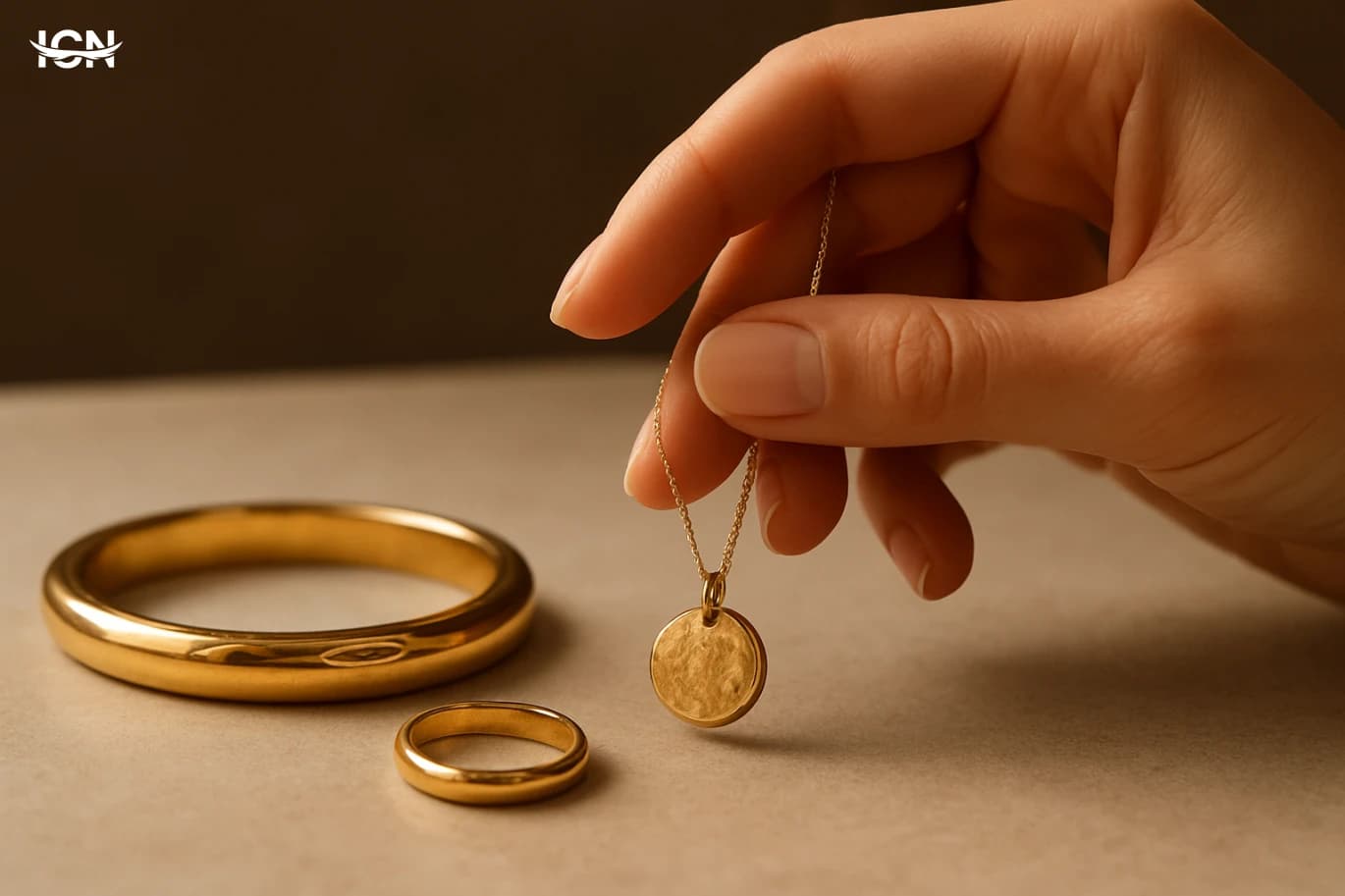
Buying jewelry is often treated as a style decision, but it is also a materials decision with real financial consequences. A small difference in gold purity, plating, or gemstone treatment can change value, durability, and resale potential. Many shoppers rely on a store’s reputation or a quick glance at a stamp, yet common issues include unclear hallmarks, mixed-metal pieces, and gemstones that look natural but are lab-grown or heavily treated. Verification is not about mistrusting every seller; it is about using a consistent checklist so you can compare offers fairly. It also helps you avoid paying solid-gold prices for gold-filled items, or natural-stone prices for composites. A practical approach starts with understanding what can be verified at home, what requires a jeweler’s tools, and what should be confirmed through an independent lab report when the price is high.
Reading hallmarks and metal stamps correctly
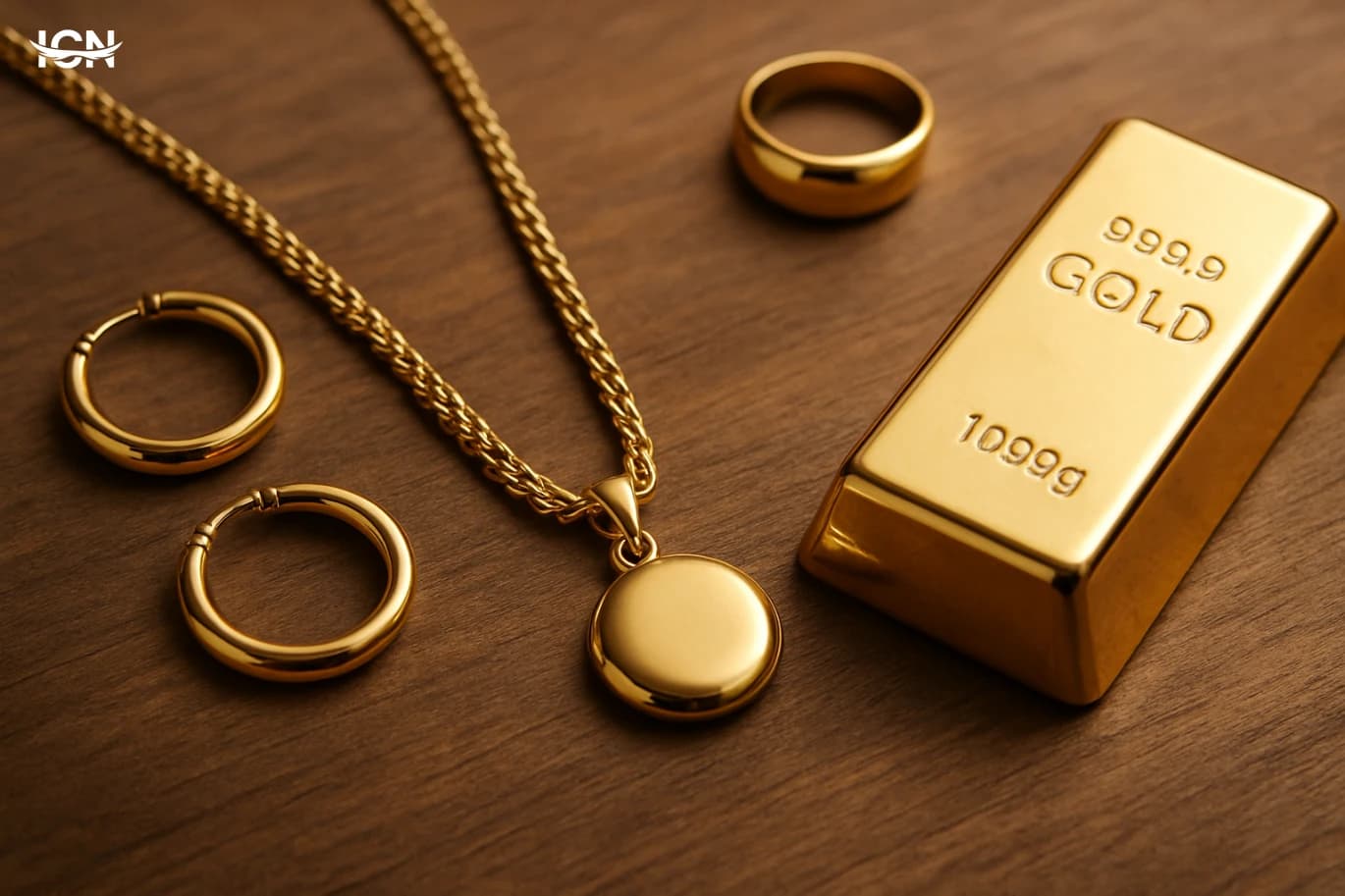
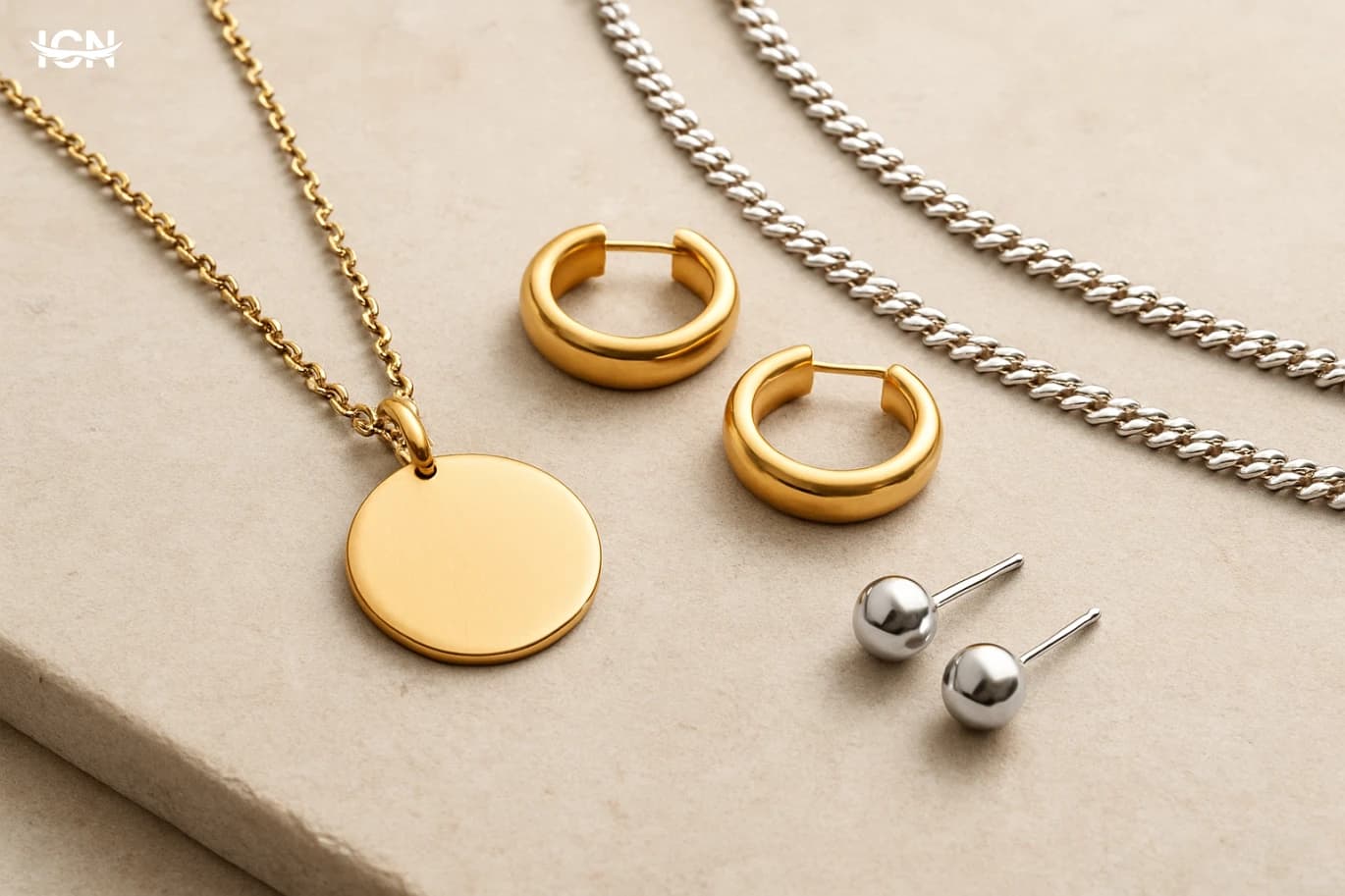
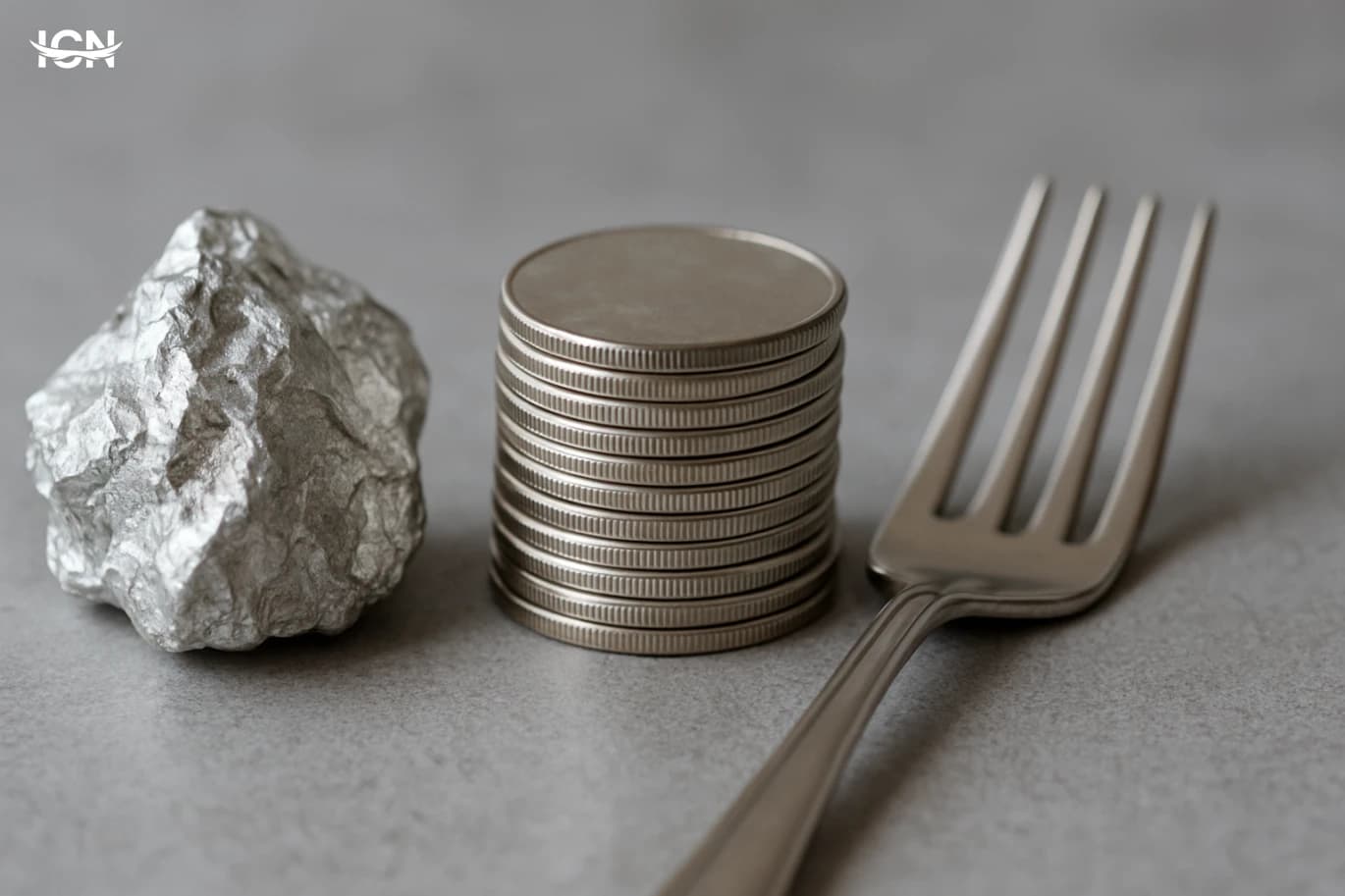
Hallmarks are useful, but only if you know what they mean and where they can mislead. For gold, common stamps include 24K, 22K, 18K, 14K, and 10K, or numeric marks such as 999, 916, 750, 585, and 417. These indicate fineness, not necessarily the entire piece if it contains solder, springs, or mixed components. Terms like GP (gold plated), GEP, HGE, and RGP signal plating, while GF indicates gold-filled, which is thicker than plating but still not solid gold. For silver, look for 925 or “sterling,” and for platinum, 950 is common. A stamp can be counterfeit or applied to a clasp only, so check multiple areas: the inside of rings, the back of pendants, and both sides of clasps. If a piece has no hallmark, it is not automatically fake, but it raises the need for testing and documentation. Ask the seller to write the stated purity on the invoice; that paper trail matters if you later discover a mismatch.
Simple at-home checks that actually help
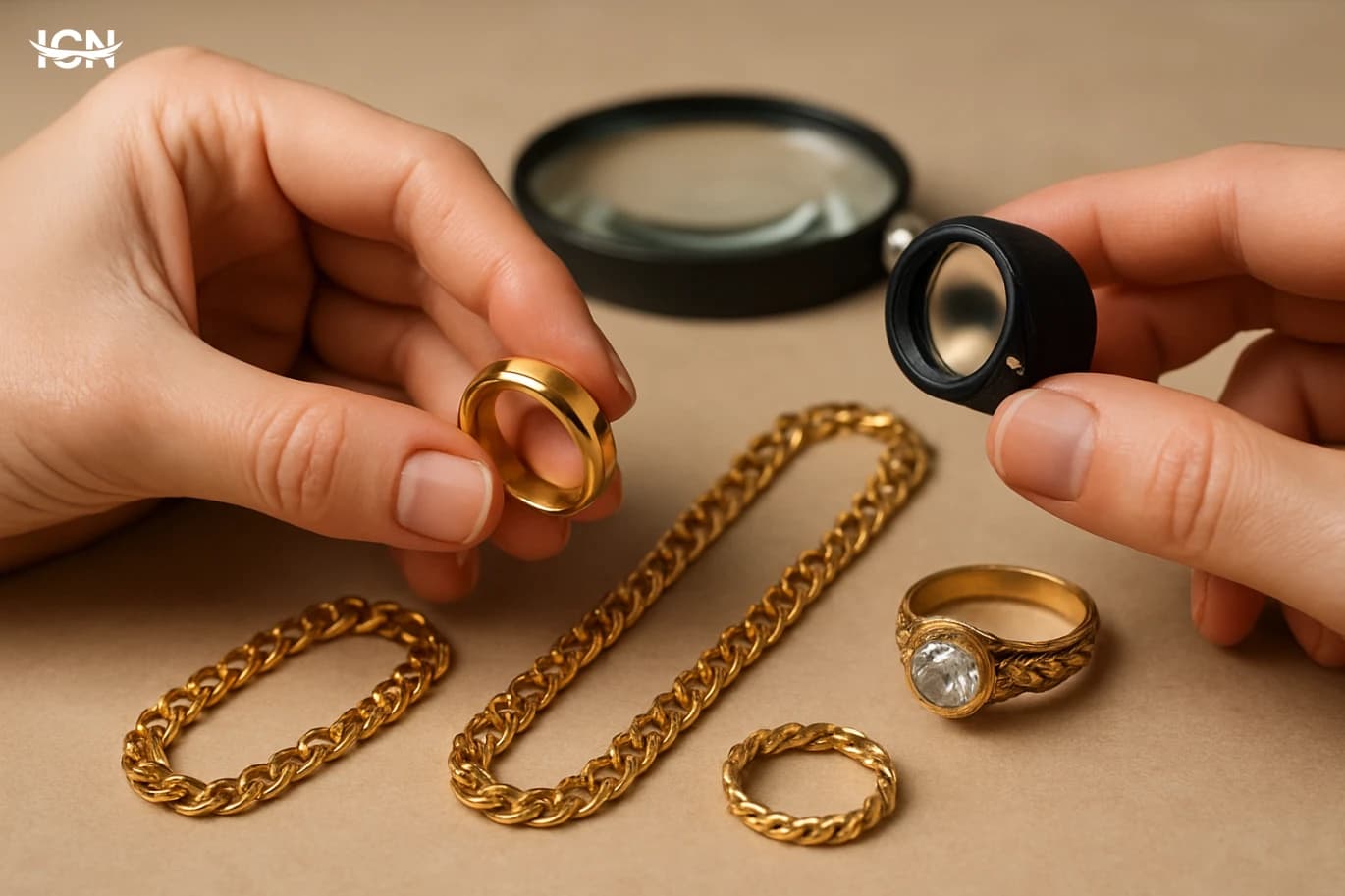
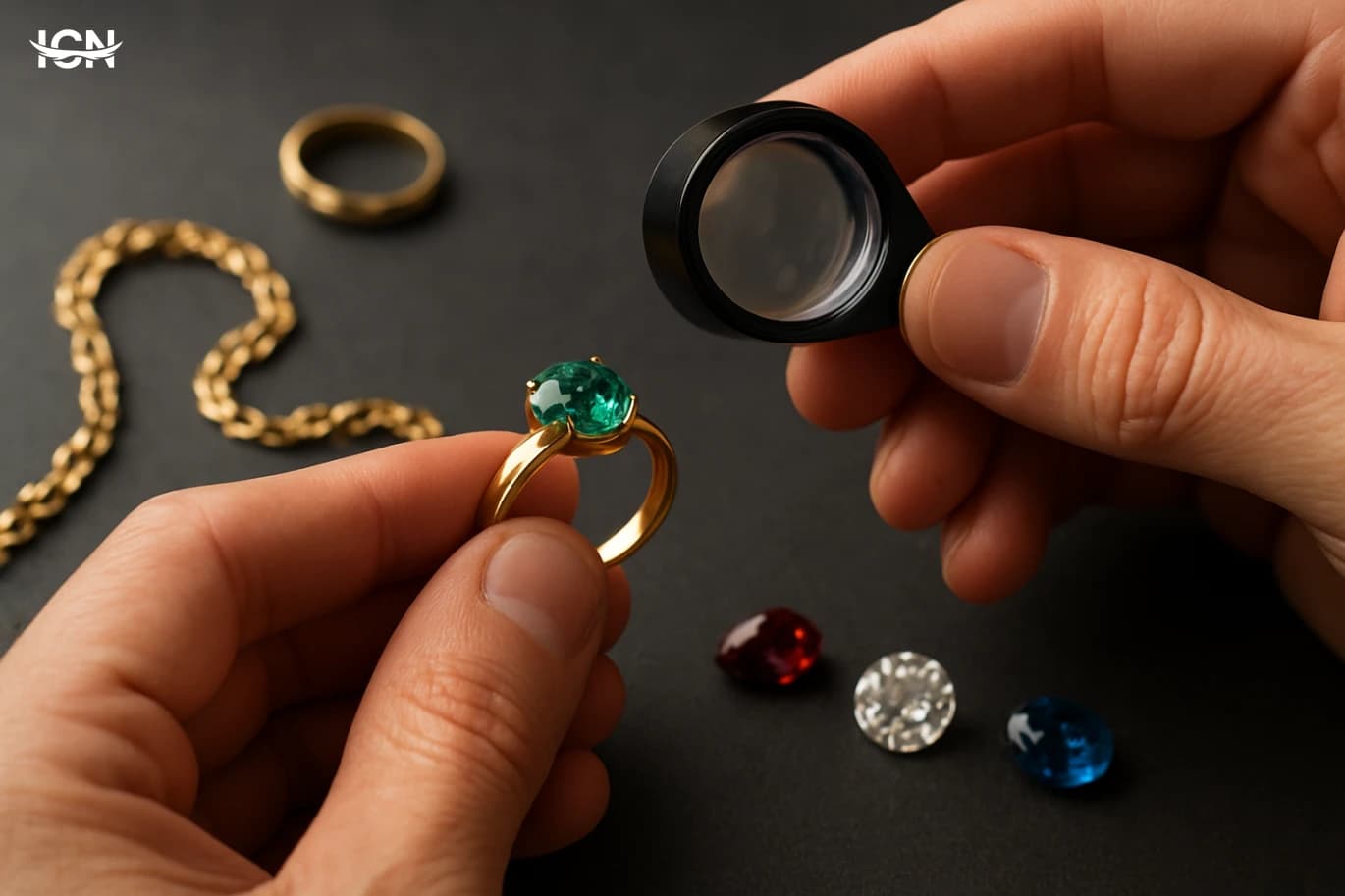
A few low-risk checks can reveal obvious problems before you spend money on professional testing. Start with weight and feel: solid gold and platinum have a dense, heavy feel compared with many base metals. Next, use a strong magnet; gold, silver, and platinum are not magnetic, so a strong attraction suggests steel or another alloy in the piece. However, weak movement can come from clasps or internal springs, so treat this as a warning sign, not a final verdict. Visual inspection under bright light is also valuable. Look for color changes at edges, prongs, and high-contact areas; plating often wears first on corners and ring bottoms. Check for greenish or dark discoloration that can indicate base-metal exposure. For gemstones, use a loupe or macro phone lens to look for bubbles (common in glass), surface scratches, or a “too perfect” look with no inclusions at all. None of these checks prove authenticity, but they can help you decide whether the piece deserves further evaluation or whether the seller’s claims need stronger support.
Professional tests for gold and precious metals
When value is significant, professional testing is the sensible step. Jewelers commonly use acid testing on a small scratch made on a testing stone; it can estimate karat but can be affected by plating and requires experience. More reliable is X-ray fluorescence (XRF), a non-destructive method that reads surface composition and can quickly identify many alloys. For items that may be plated, some shops combine XRF with a deeper scratch or other methods to check below the surface. Another approach is specific gravity testing, which compares weight to water displacement; it can help distinguish gold from similar-looking alloys, though hollow pieces and mixed components complicate results. Ask the jeweler what method they use, whether the test is non-destructive, and whether you will receive a written result. If you are buying bullion-like items or high-value jewelry, consider an independent appraiser rather than relying on the seller’s in-house assessment. Paying a modest fee for a documented test can prevent a much larger loss.
Gemstones, treatments, and lab reports
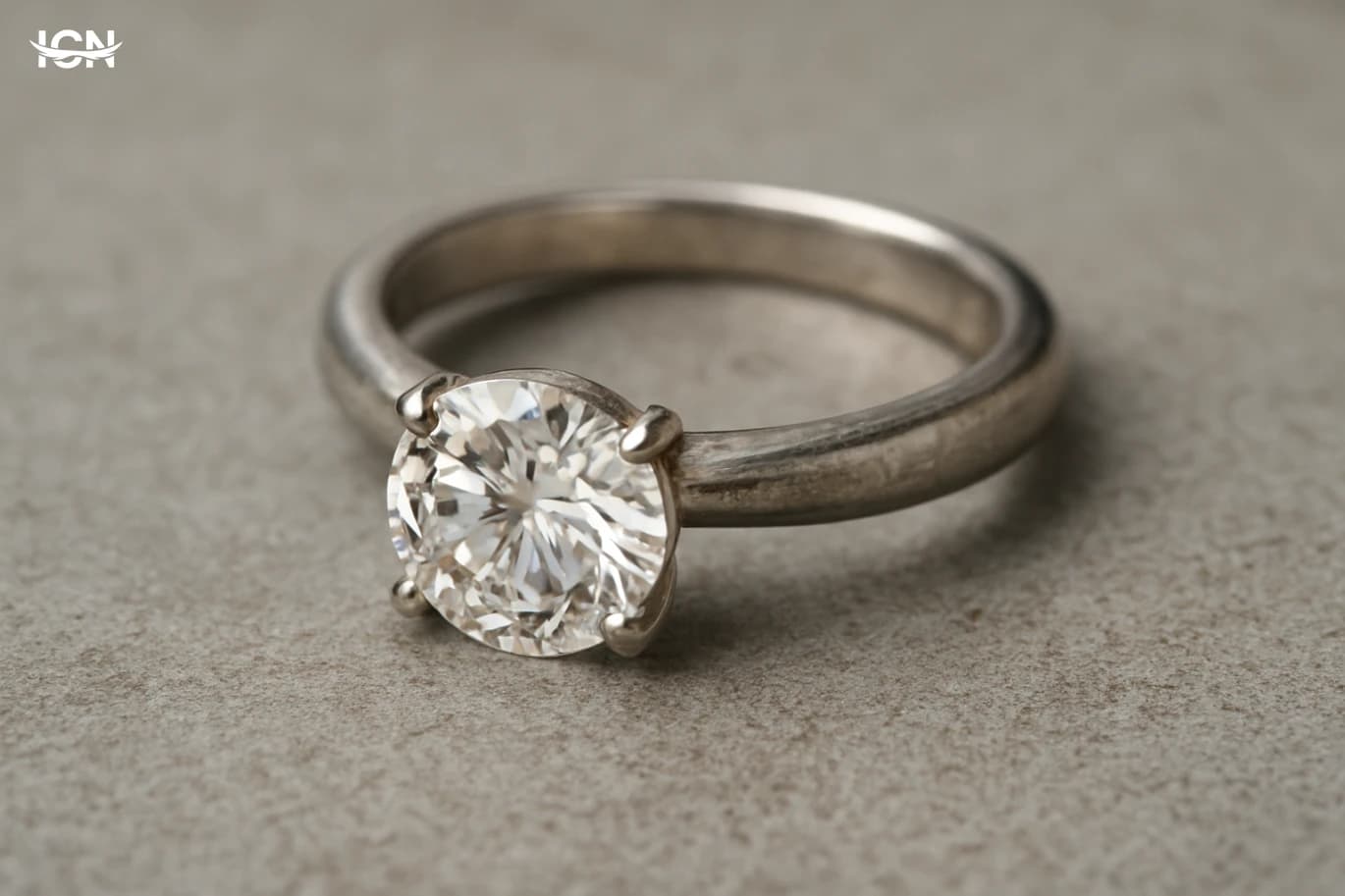
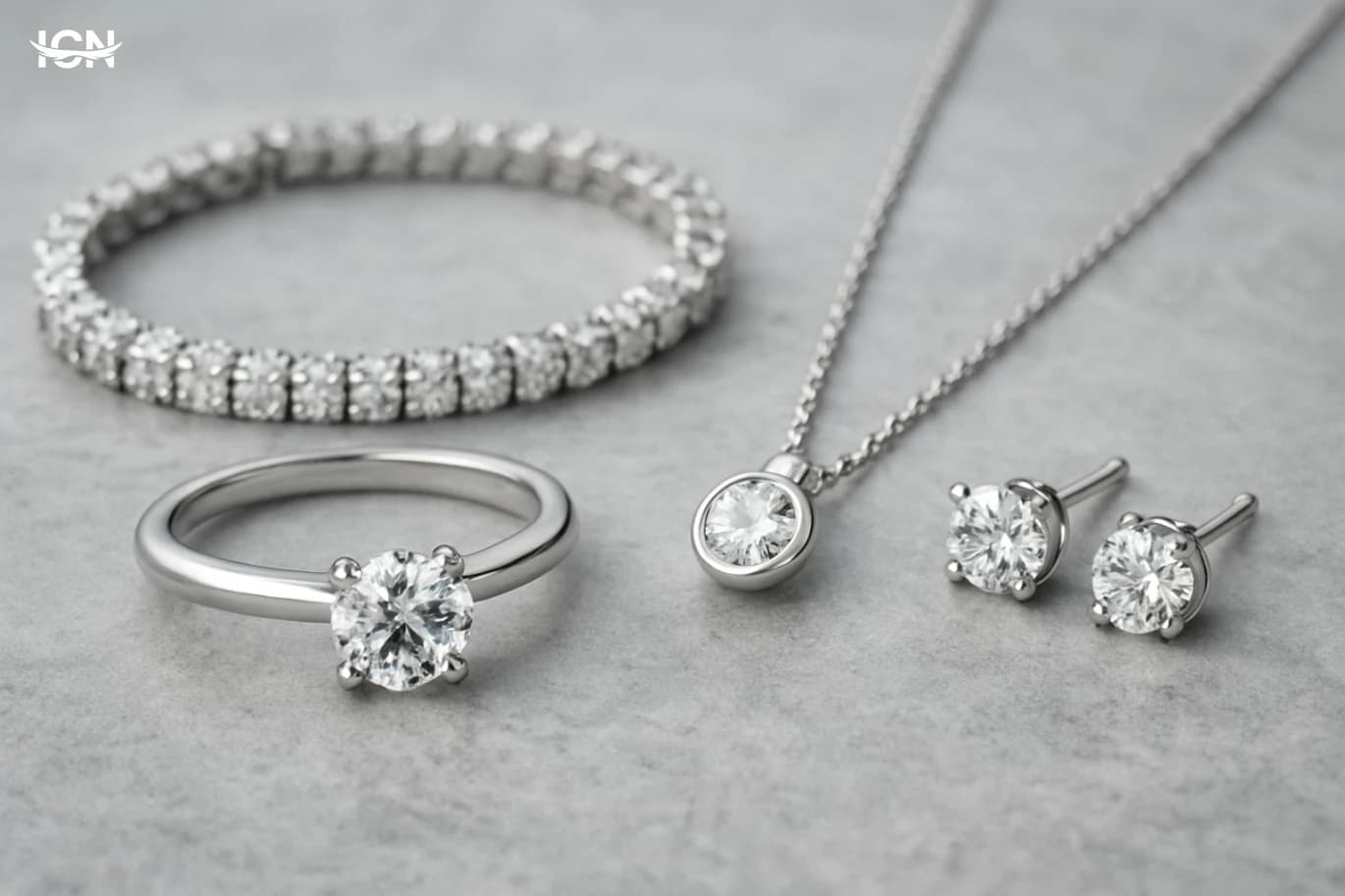
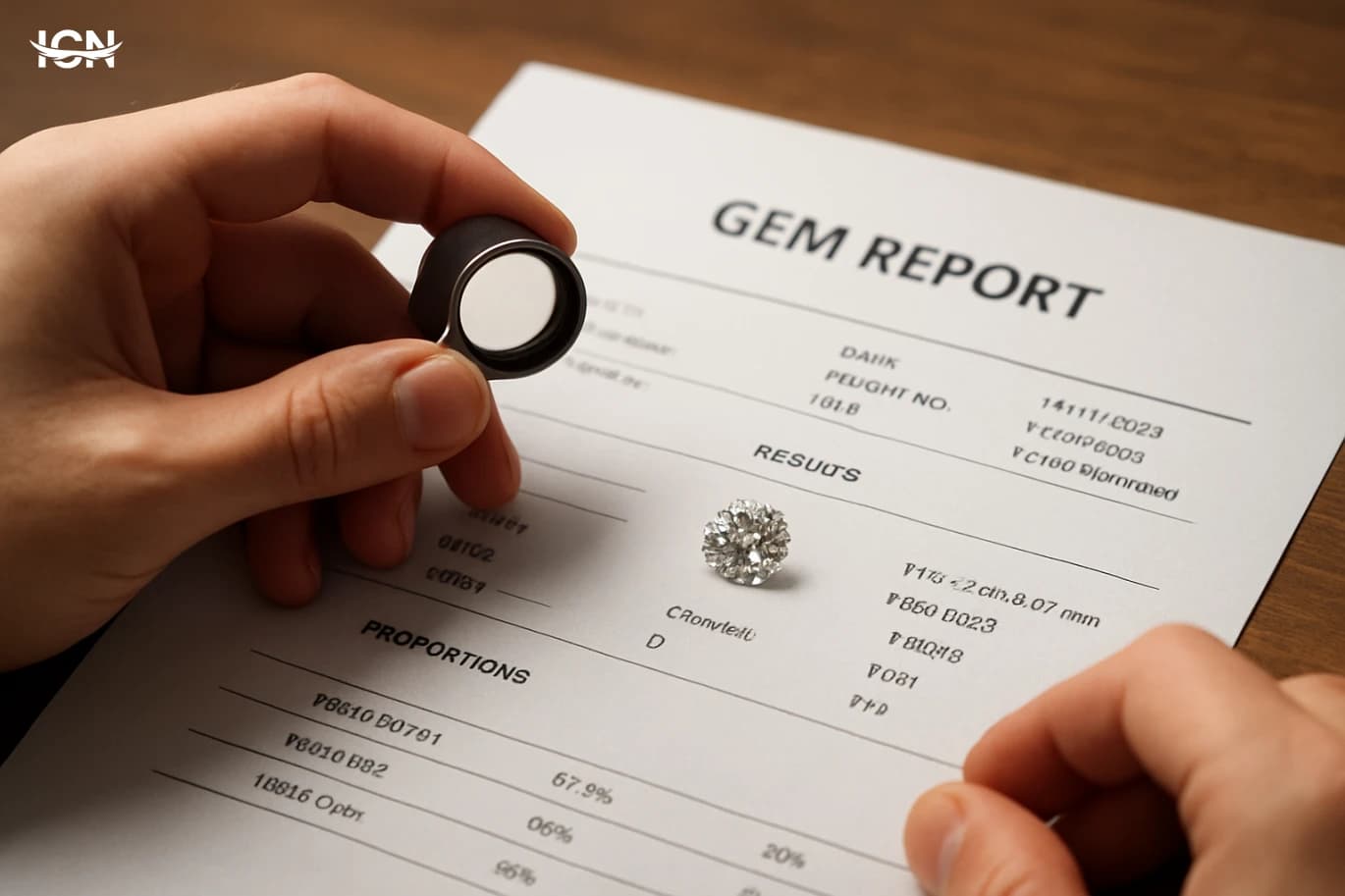
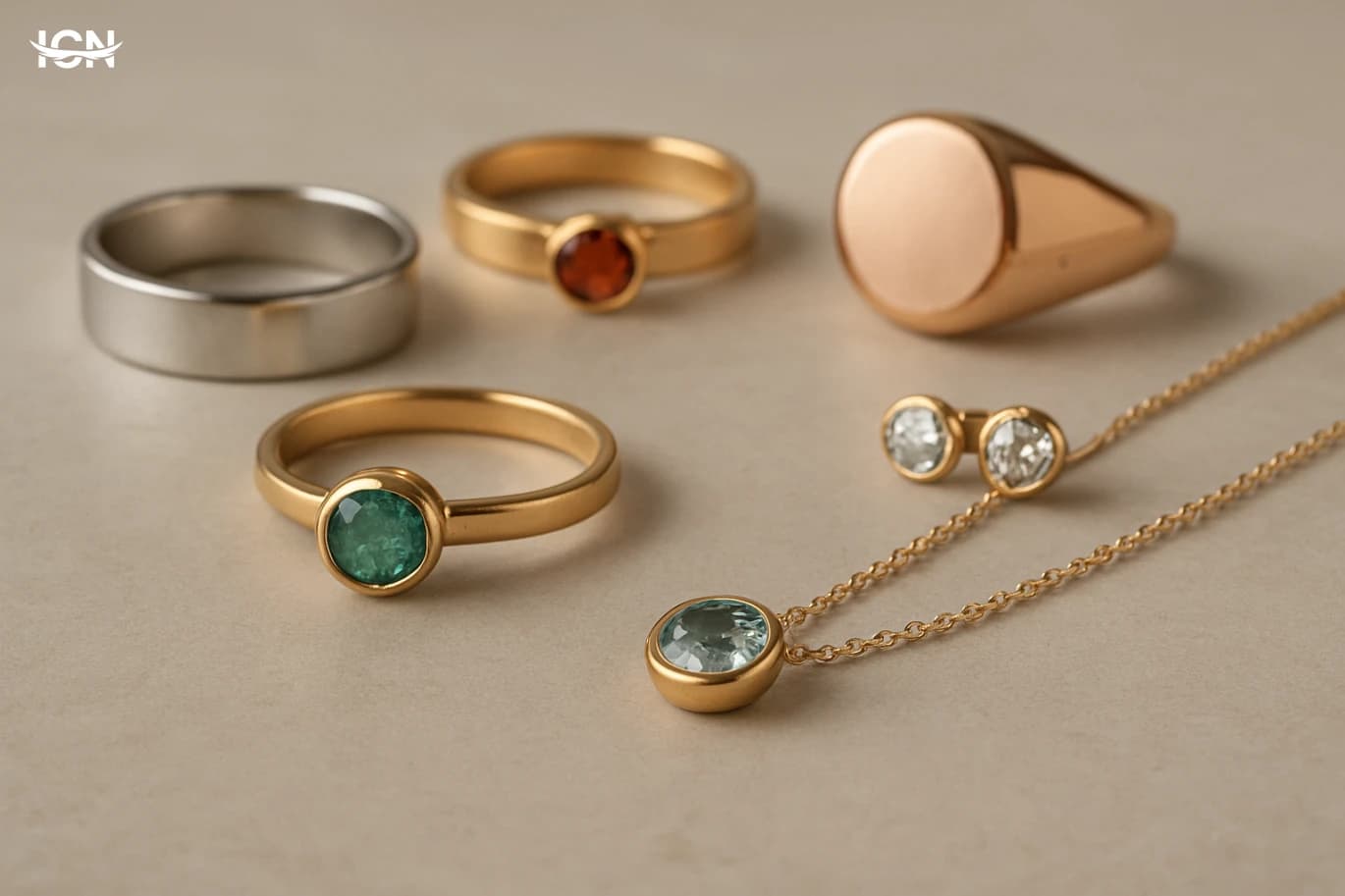
Gemstone verification is less about a single test and more about identifying species, origin claims, and treatments. Many stones are routinely treated to improve color or clarity, and treatment is not automatically bad, but it must be disclosed because it affects price and care. Examples include heat treatment in sapphires and rubies, fracture filling in emeralds, and irradiation in some topaz. Lab-grown diamonds and lab-grown colored stones are also legitimate products, but they should be sold as such, typically at different price points than natural stones. For higher-value purchases, a recognized lab report is the clearest way to confirm what you are buying. Reports typically state whether the stone is natural or laboratory-grown, note treatments when detectable, and provide measurements and grading details. Ask which lab issued the report, verify the report number on the lab’s website when possible, and ensure the report matches the stone’s dimensions and identifying features. If a seller avoids documentation or uses vague language like “genuine” without specifics, treat that as a signal to slow down and request clearer proof.
A buyer’s checklist for safer purchases
A safer purchase is usually the result of process, not luck. Before paying, confirm the metal purity in writing on the receipt, including whether the item is solid, plated, or gold-filled. For gemstones, request disclosure of treatments and whether the stone is natural or lab-grown, and ask for any lab report details upfront. Compare the item’s weight, dimensions, and craftsmanship with the price; unusually low prices often have a material explanation. Inspect return and exchange policies, especially for online purchases, and keep all packaging and documents. If the piece is expensive, budget for an independent appraisal within the return window. Finally, consider long-term care: some treated stones require gentler cleaning, and plated jewelry may need different maintenance than solid metal. Verification is not a one-time action; it is a habit that makes your collection more consistent, your spending more rational, and your resale options clearer if you ever decide to upgrade or sell.