Italian caponata
- The history of the origin of caponata in Italy
- Different types of caponata
- Italian caponata ingredients
- Traditional methods of making caponata
- The influence of caponata on Italian culture
The history of the origin of caponata in Italy
A. Origins and Historical Development Caponata is a traditional dish that originates from the island of Sicily in Italy. Caponata is thought to have grown from the influence of Arabic cuisine during the period of Islamic conquests, where ingredients such as eggplant and tomatoes were added. The recipe has evolved over time to become one of the symbolic dishes of Italian culture. for. The most important historical periods in its spread: During the 19th century, caponata began to spread beyond Sicily to other parts of Italy and the world. It was embodied as a delicious food served on special occasions and celebrations. With the influence of Italian immigrants, caponata also became very popular in other countries, where it was included on the menus of international Italian restaurants.
Different types of caponata
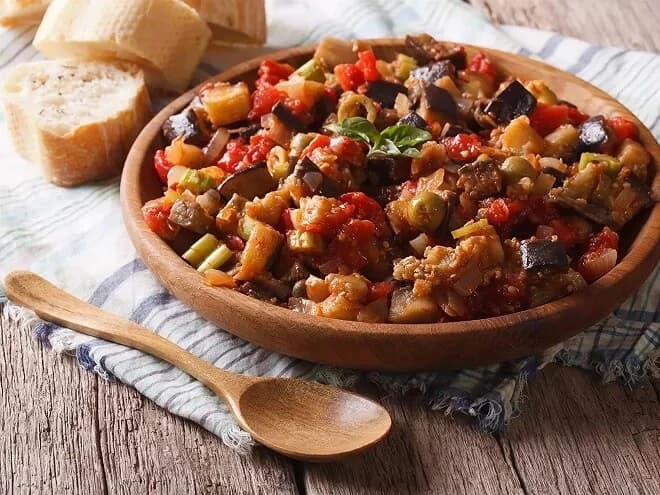
A. Classic Caponata The classic caponata is a combination of eggplant, tomatoes, celery, olives, and nuts. This recipe is prepared in the traditional style, with the ingredients cooked together and served cold or warm, making it perfect as a side dish or appetizer. for. Contemporary Caponata With developments in cooking, new types of caponata have emerged that include meat and fish. Different sauces are added and ingredients are adjusted according to personal taste, which contributes to the variety of flavours. These contemporary varieties reflect innovation in Italian cuisine and continue to attract the interest of food lovers around the world.
Italian caponata ingredients
A. Traditional Ingredients The traditional Italian caponata consists of a few basic ingredients such as eggplant, tomatoes, celery, olives, and vinegar. Nuts like pine nuts are also added to add crunch. These ingredients give the caponata a delicious and refreshing taste. for. Special Preparation Methods Methods for preparing caponata vary from one region to another, as some cooks may add special ingredients such as hot peppers or fresh herbs, giving each recipe a unique touch. The cooking process involves thoroughly browning the ingredients to deliver rich flavours, making caponata a special dish that can be served for any occasion.
Traditional methods of making caponata
A. Traditional preparation steps The traditional preparation steps for caponata begin with washing and cutting the eggplant and tomatoes into cubes, then frying them in olive oil until golden. Next, add the rest of the ingredients, such as celery and olives, and leave the mixture to simmer to ensure the flavors blend together. for. Ancient and modern tools and techniques Tools such as a traditional skillet or clay pots can be used to prepare caponata in an authentic style. While a blender or food processor can be used to prepare sauces and mixtures faster, which contributes to meeting the needs of modern times, while preserving the original flavors.
The influence of caponata on Italian culture
A. As part of traditions and celebrations, caponata is considered one of the dishes that reflect the Italian culinary heritage, and is often served at celebrations and special occasions. It represents a symbol of hospitality and passion for cooking, as family and friends gather around a table containing this distinctive dish. for. Its uses in Italian cuisine Caponata is characterized by its flexibility in use, as it can be eaten as an appetizer or as a side dish with meat and fish. In addition, they are a delicious choice for vegetarians, reflecting the continuous evolution of Italian cuisine to cater to all tastes.