Gallstones

- What are gallstones?
- How serious are gallstones?
- The prevalence of gallstones
- Symptoms and causes
- What is gallstone pain like?
- What triggers gallstone pain?
- What are the possible complications?
- Diagnosis and tests
- Treatment and management
- prevention
- Expectations after treatment
What are gallstones?
Gallstones are hardened, concentrated pieces of bile that form in the gallbladder or bile ducts. They form when bile deposits build up and crystallize. The cause is often an increase in one of the main components of bile, such as cholesterol or bilirubin.
How serious are gallstones?
Gallstones can be harmless if they don't cause blockage. However, if they become stuck in the bile ducts, they can lead to serious complications such as inflammation, swelling, or infection.
The prevalence of gallstones
About 10% of adults in the United States have gallstones, most of whom are women. However, only 20% of those with gallstones experience symptoms or require treatment.
Symptoms and causes
What are the symptoms of gallstones? Stones do not cause symptoms unless they become stuck in the bile ducts and cause a blockage, causing upper abdominal pain and nausea. Other symptoms can include:
What is gallstone pain like?
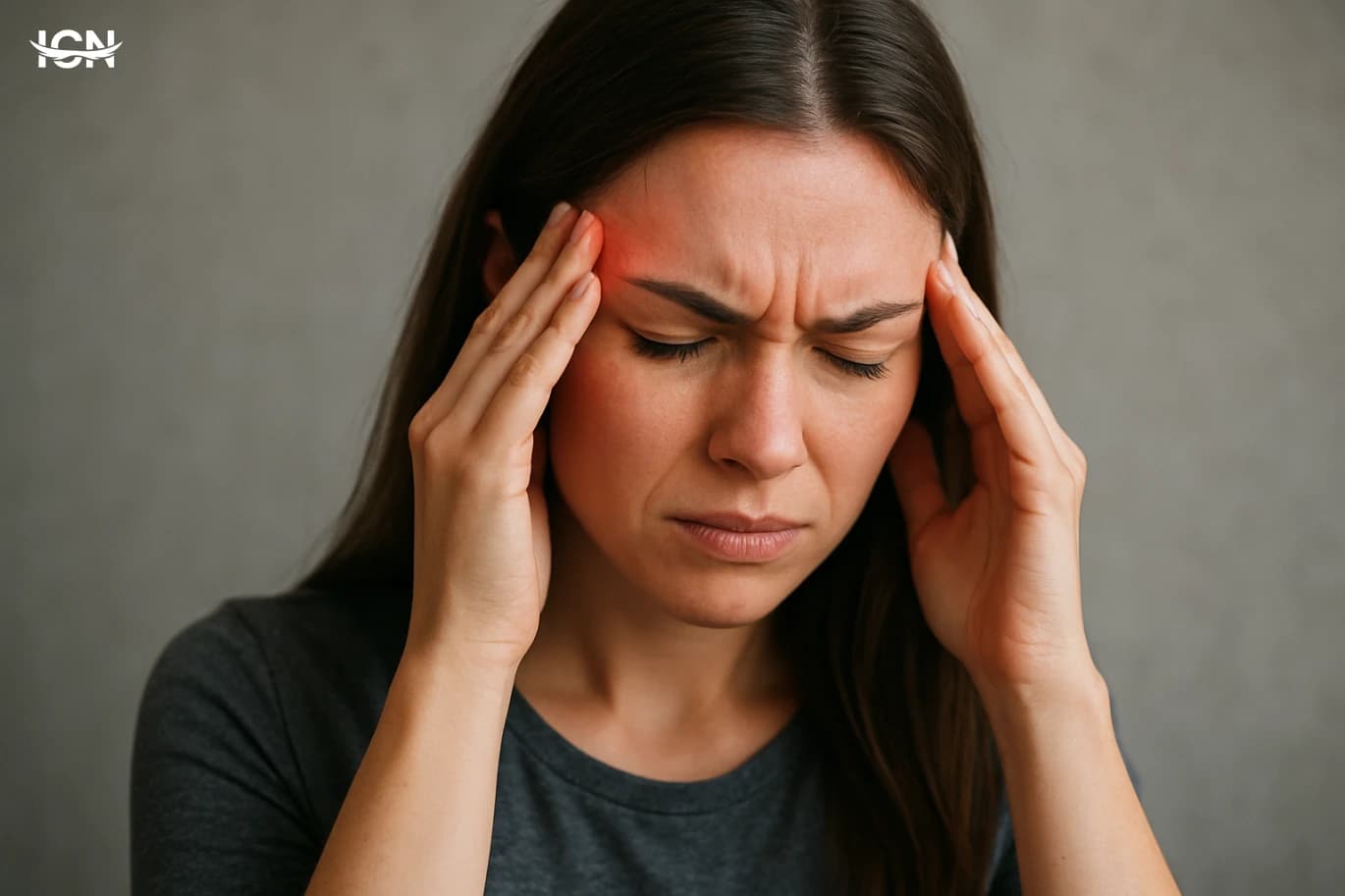
The pain occurs suddenly and severely, especially after eating, when the gallbladder contracts. This is known as a gallbladder attack. The pain can last for a few minutes or hours and is sharp, stabbing, or cramping. Where is gallstone pain located?
What triggers gallstone pain?
The pain often occurs after eating a fatty meal, because the gallbladder contracts to release more bile.
What are the possible complications?
If stones cause long-term blockage, they can lead to serious complications such as: Cholecystitis (acute, painful inflammation) Pancreatitis Bile duct inflammation
Diagnosis and tests
Magnetic resonance imaging Radioisotope scanning Ultrasound
Treatment and management
What is the treatment for gallstones? If the stones don't cause symptoms, they may not require treatment. However, if they cause a blockage, the primary treatment is to remove the stones, usually surgically. Surgery to Remove Gallstones Cholecystectomy: The most common surgery, usually performed laparoscopically. It's possible to live without a gallbladder, as bile flows directly from the liver to the intestine. Cholecystostomy: If the patient is unable to undergo surgery, a catheter is inserted to drain the bile. Non-Surgical Treatments Medications: Some medications, such as ursodiol, can help dissolve cholesterol stones, but they take months or years to work, and the stones often recur.
prevention
How can gallstones be prevented? They cannot be completely prevented, but the risk of developing them can be reduced by: Reducing your intake of foods high in cholesterol Losing weight gradually (avoiding rapid weight loss) Exercising regularly
Expectations after treatment
What are the chances of gallstones recurring after treatment? After surgery, gallstones won't recur. However, some people may experience chronic diarrhea due to the constant flow of bile into the intestine, which can be treated with special medications.