App Logo

Download Our App

Shop your way

logologo
Image

How Players Manage Workload in a Crowded Season
03/05/2026By: ICN Writer
How Players Manage Workload in a Crowded Season

Why workload is the headline this year

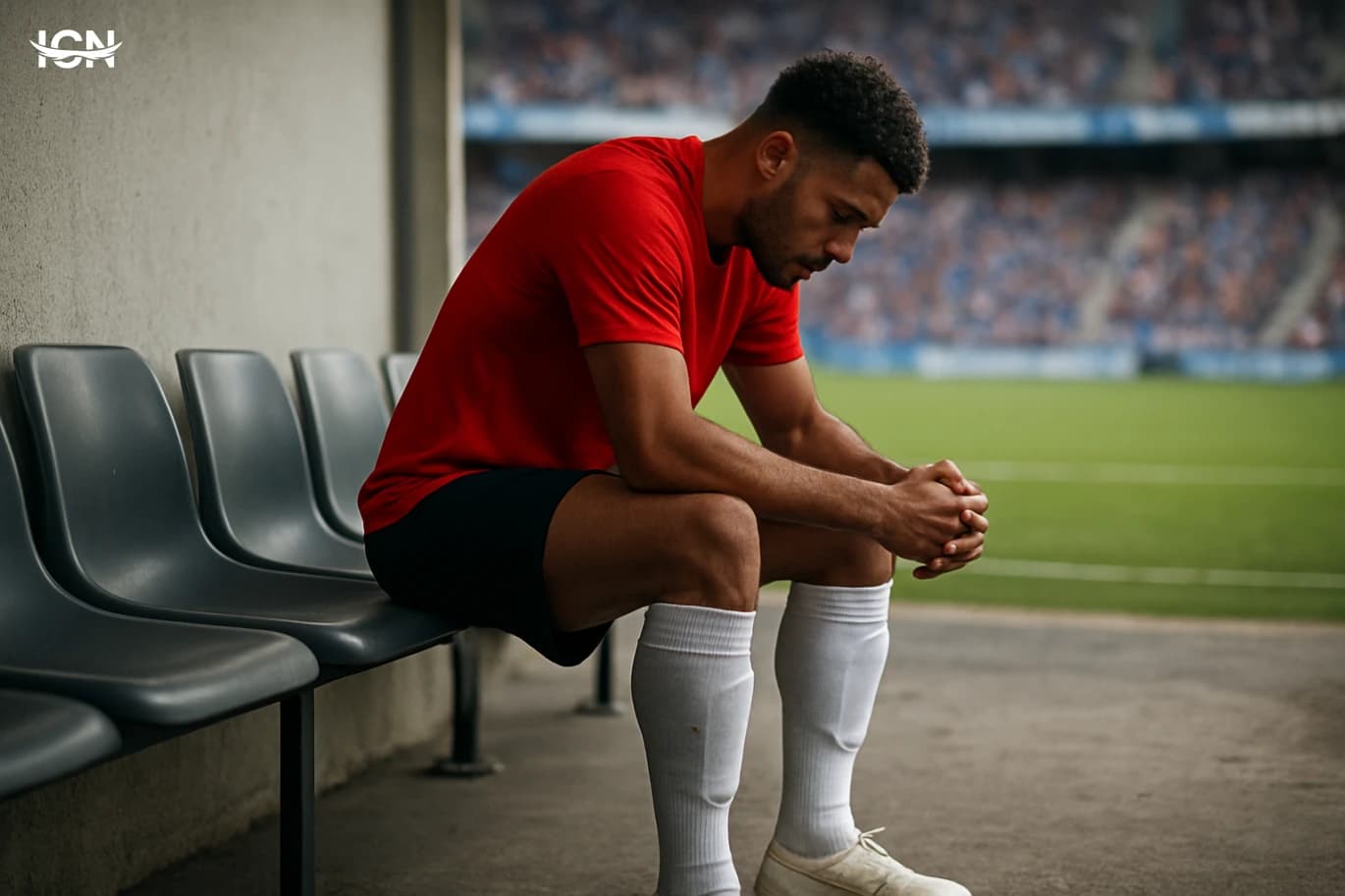
Across major leagues, the biggest player news story is no longer only transfers or contract renewals. It is availability. A crowded calendar forces clubs to make weekly decisions about who starts, who rests, and who travels. The result is a steady stream of updates: “managed minutes,” “tightness,” “fatigue,” and “return-to-play protocols.” These phrases are now part of match previews and post-game briefings because they shape lineups as much as tactics. The change is visible in how coaches speak. Instead of promising a star will play “if fit,” they reference training loads, recovery markers, and the number of high-intensity actions a player logged in the previous match. For fans, this can be frustrating when a marquee name is rotated, but for teams it is a risk-management decision. One missed week can prevent a longer absence later, and the difference between a controlled rest and an unplanned injury often comes down to data and timing. This blog topic focuses on the practical side of workload management as a sports news beat: what clubs track, how players adapt, and why “rotation” is now a central storyline. It also explains how these decisions affect performance, media narratives, and the way players are evaluated over a season.

What clubs actually measure

Workload management is often described as “sports science,” but the day-to-day tools are concrete. Clubs track external load and internal load. External load includes distance covered, sprint distance, number of accelerations and decelerations, and time spent at high speed. These are typically captured through GPS vests in training and optical tracking systems in stadiums. Internal load focuses on how the body responds: heart-rate data, perceived exertion scores reported by players, sleep quality, and sometimes blood markers when a club has the resources. The key is not any single number but trends. A player can handle a high sprint count if it rises gradually, but a sudden spike after travel or a short recovery window can raise risk. That is why clubs compare a player’s current week to their recent baseline. They also separate match load from training load. A player returning from injury might train fully but still have minutes capped because match intensity is less predictable. Another layer is positional context. A fullback who repeatedly overlaps may accumulate more high-speed running than a central midfielder who covers more total distance. Coaches and analysts therefore set position-specific thresholds. This is why two players can play the same minutes and still be treated differently in the next match. The news value is clear: when a club says a player is “being managed,” it often reflects a measurable pattern rather than a vague feeling.

Rotation decisions and the media cycle

Rotation is no longer a quiet coaching choice; it is a weekly news cycle. When a star is left out, the first questions are immediate: Is it an injury? A disciplinary issue? A tactical change? Clubs have learned that vague answers can fuel speculation, so many now provide clearer language: “planned rest,” “load management,” or “minor muscle fatigue.” These phrases are meant to reassure, but they also create a new kind of scrutiny. The scrutiny comes from expectations. Fans want the strongest lineup in every match, broadcasters want recognizable names, and sponsors want visibility. Coaches, meanwhile, have to protect performance over months, not just one night. This tension is especially sharp during stretches with two matches per week. A manager might start a player in a high-profile game, then limit them to a substitute appearance in the next fixture, even if the player feels fine. For journalists, the story is in the details: how many minutes the player has logged recently, how much travel the team has done, and whether the club has a history of soft-tissue injuries. It is also worth tracking patterns. Some clubs rotate by position, resting wide players more often because of sprint demands. Others rotate based on age, giving veterans more recovery time. These choices can influence results, but they also shape reputations. A player labeled “injury-prone” may simply be on a cautious plan after one major setback.

Recovery routines players rely on

Behind every “rested” player is a recovery plan that has become more standardized across elite sport. Sleep is the first pillar. Many clubs monitor sleep duration and consistency, especially after late kickoffs and travel. Nutrition is the second pillar, with a focus on timing: carbohydrates to replenish energy, protein to support muscle repair, and hydration strategies tailored to sweat rates. Active recovery is another routine. Players may do low-intensity cycling, pool sessions, or mobility work the day after a match to reduce stiffness without adding stress. Physiotherapy and soft-tissue treatment are common, but clubs increasingly emphasize strength maintenance during the season. The goal is to keep muscles resilient even when training time is limited. Travel adds complexity. Crossing time zones can disrupt sleep and appetite, so teams plan arrival times, light exposure, and training intensity to reduce fatigue. This is one reason why a player can look sharp in training yet still be rotated on matchday after a long trip. The news angle here is practical: when a club says a player is “not fully recovered,” it often refers to these measurable routines rather than a dramatic injury.

How workload shapes performance and careers

Workload decisions can change how a season is remembered. A player who appears in fewer matches may still be more effective if their minutes are targeted for high-impact moments. Some clubs now prioritize “availability for key fixtures” rather than chasing maximum appearances. This can influence awards discussions, contract negotiations, and even national team selection, where raw totals like games played and goals can overshadow context. There is also a long-term career aspect. Players who learn to manage their bodies often extend their peak years. That includes adjusting training habits, improving movement efficiency, and accepting rotation without viewing it as a demotion. Younger players face a different challenge: breaking into the team while also being protected from overload. A prospect might be limited to certain match types or minutes to avoid spikes in intensity. For fans following player news, understanding workload adds clarity. A “minor issue” that keeps a player out for one match can be a deliberate choice to prevent recurrence. Likewise, a player returning sooner than expected may be on a strict minutes plan that reduces risk even if they are not ready for a full match. The most accurate coverage connects these decisions to the schedule, the player’s recent load, and the club’s depth in that position.

What to watch in upcoming team updates

In the next wave of team updates, the most useful clues will be specific, not dramatic. Watch for phrases that indicate planning: “minutes restriction,” “trained individually,” “returned to partial training,” or “will be assessed after the session.” These usually signal a staged approach rather than a sudden setback. Also note when a coach mentions “reaction” after training; it often means the staff is checking how the player’s body responds the next day. Pay attention to the schedule around the update. If a team has three matches in eight days, rotation is more likely even for fully healthy players. If travel is involved, especially with short turnaround times, expect conservative decisions. Squad depth matters too. A club with a reliable backup in a position can afford to rest a starter, while a thin squad may push players closer to their limits. Finally, look for consistency. If a club repeatedly uses the same language for the same player, it suggests a structured plan. If the language changes week to week, it may indicate uncertainty or a new issue. For readers, this is a practical way to interpret player news without overreacting to every absence. The story is often not “who is injured,” but “how a club is trying to keep its best players available when the season is at its busiest.”
* All articles published on this blog are sourced from various websites and are provided for informational purposes only. They should not be considered as confirmed studies or accurate information. Please verify the information independently before relying on it.

Similar ARTICLES

The Spanish Matador ascends to the world summit after a thrilling final against Argentina
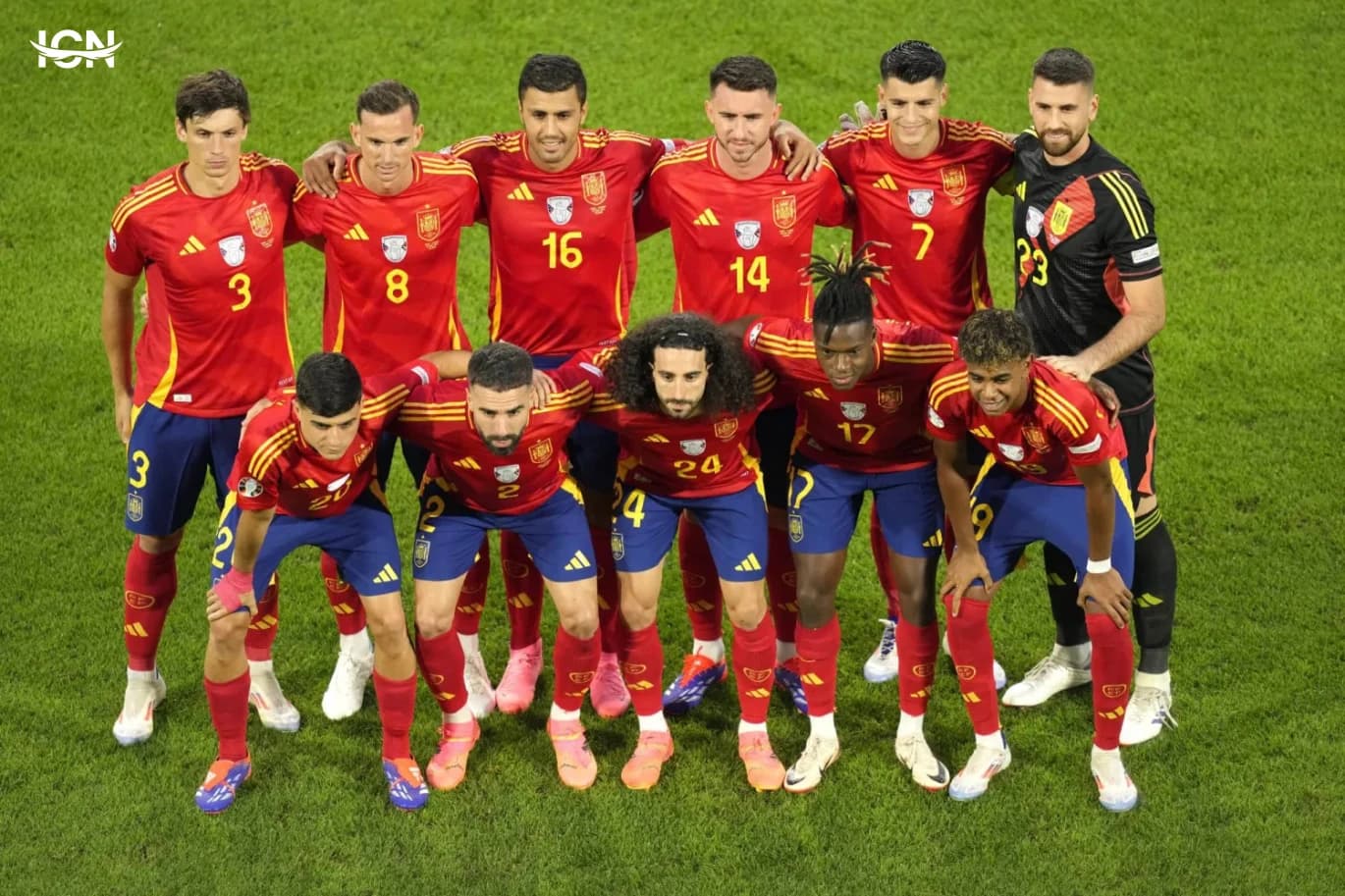
Spain’s World Cup 2026 triumph was defined by a final that felt like a tactical chess match rather than a shootout of chances. Against Argentina, the game’s rhythm was shaped by cautious early phases, compact defensive lines, and a clear battle for control in central areas. Spain’s midfield spacing and patient circulation limited the number of direct transitions, while Argentina tried to accelerate play through quick combinations and early forward passes. The decisive moment arrived through a long-range strike from Torres, a shot that changed the temperature of the match and forced a shift in both teams’ plans. Spain, once ahead, managed the closing stages with disciplined positioning and selective pressing triggers, avoiding unnecessary risks and keeping the ball in safer zones. Argentina, chasing the equalizer, pushed numbers forward and widened their shape, but Spain’s defensive organization and game management reduced the quality of late opportunities. Beyond the headline, the final offered a clear lesson in modern tournament football: titles are often won by the team that can stay stable under pressure, protect the middle of the pitch, and convert a small number of high-value moments. Spain did not need a flood of chances; they needed one clean strike and a structure strong enough to defend it.
Spain’s 2026 World Cup Blueprint
Spain’s 2026 World Cup title was not built on a single spectacular night, but the final still offered the clearest summary of their tournament: control, patience, and ruthless efficiency when the moment arrived. Spain managed the match tempo through long spells of possession, but the decisive edge came from how they used the ball rather than how much they had it. Their best phases were defined by quick switches of play, short combinations around the box, and a willingness to attack the space behind the opposing fullbacks. The coaching staff’s in-game management stood out. Spain adjusted their pressing height depending on the opponent’s build-up patterns, sometimes stepping high to force rushed clearances, other times dropping into a compact mid-block to protect central lanes. The substitutions were not cosmetic; they were role-specific changes designed to preserve structure. Fresh legs arrived in wide areas to keep the intensity of counter-pressing, and a late midfield change helped Spain close the match by reducing transitions. The final also highlighted Spain’s defensive maturity. Instead of chasing the ball, they defended zones, blocked passing angles into the striker, and used coordinated pressure to funnel play toward less dangerous areas. The goalkeeper’s contribution was measured but crucial: clean handling on crosses, quick distribution to restart attacks, and one or two high-value saves that protected the lead. By the final whistle, Spain looked like a team that had rehearsed every scenario, from protecting a narrow advantage to managing stoppage time without losing shape.
England Clinch Third Place in Goal Fest
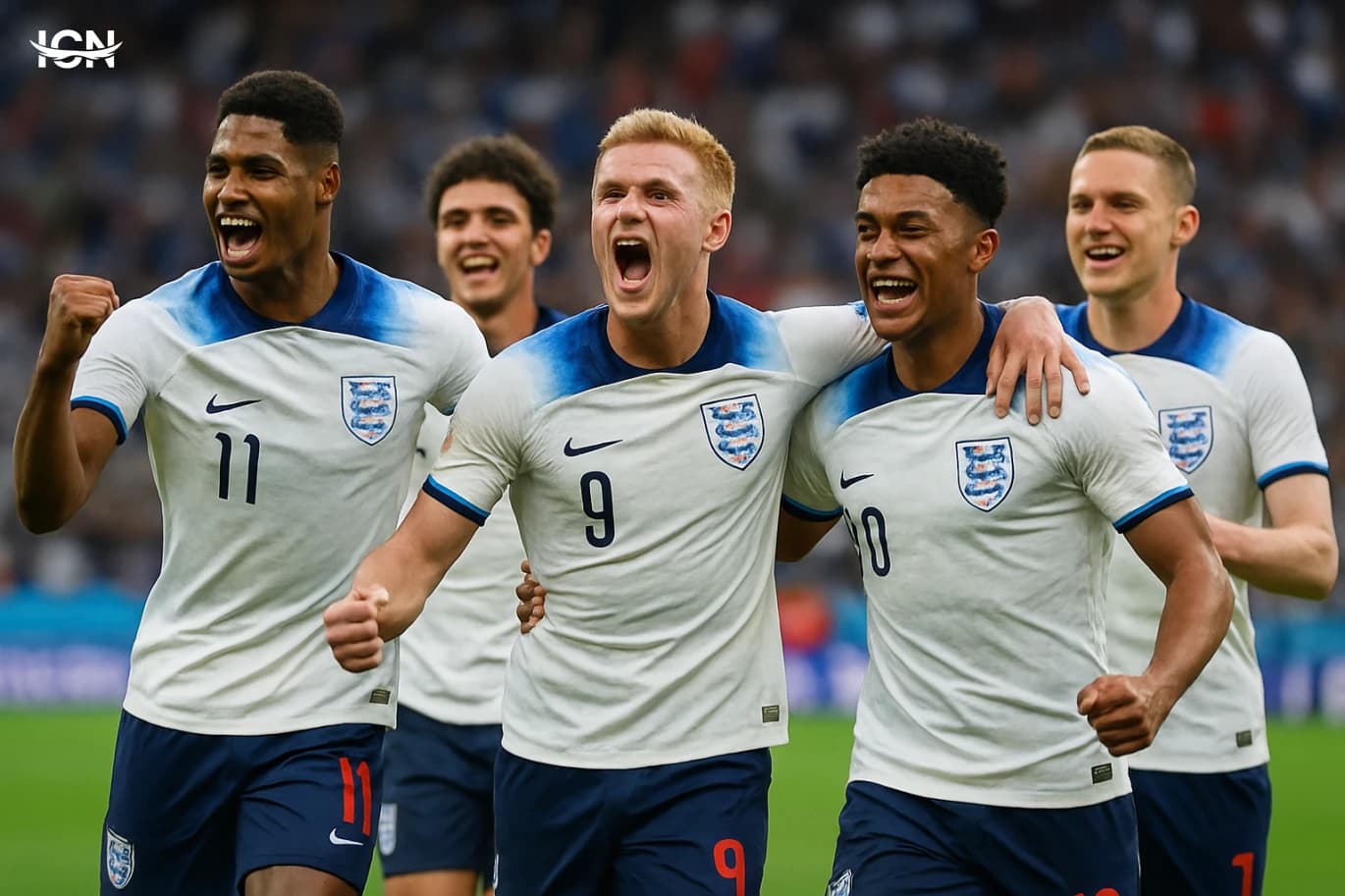
England’s 6–4 win over France to secure third place at the World Cup was more than a high-scoring footnote. It was a match that exposed how quickly momentum can swing when both teams commit numbers forward and accept risk in transition. Ten goals in a placement game is rare at this level, but the pattern made sense: England attacked with width and early deliveries, while France tried to play through the middle and respond with quick combinations around the box. The scoreline also reflected two competing priorities. England treated the match as a chance to finish the tournament with a statement, keeping intensity high and pushing for a clear result rather than managing the game. France, meanwhile, alternated between chasing the game and trying to regain structure, which created open spaces that England exploited repeatedly. The result delivered a podium finish for England and a clear set of lessons for both coaching staffs about game management, defensive spacing, and the cost of losing second balls in a match that never slowed down.
Who writes history? Argentina or Spain?
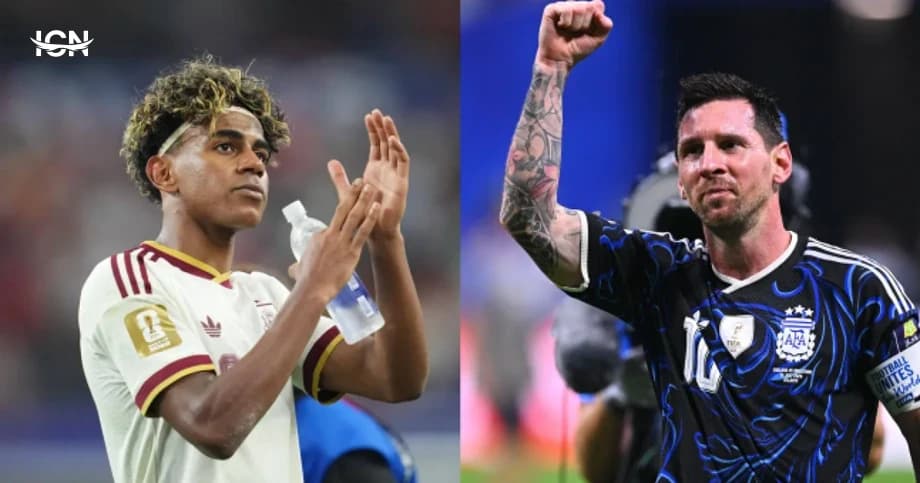
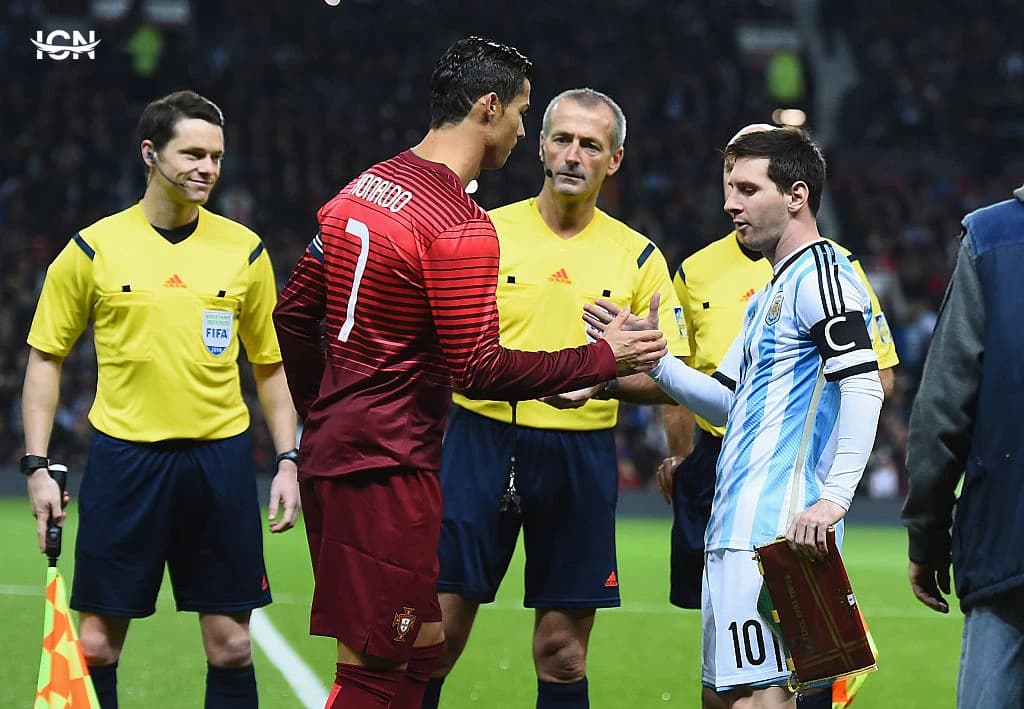
World Cup 2026 is set to be the longest edition in the tournament’s history, not only because it expands to 48 teams, but because the entire event becomes a larger logistical project across three host countries. A bigger field means more matches, more rest-day planning, and a calendar that stretches the competition window and the preparation period around it. For players and coaches, the key change is not just the number of opponents, but the rhythm: recovery cycles, travel days, and training blocks become as decisive as tactics. In this scenario, the idea of Argentina and Spain “closing” the tournament is less about a simple headline and more about what their profiles represent at the end of a long month. Argentina typically arrives with a tournament-tested identity built on compact defending, controlled tempo, and decisive moments from elite attackers. Spain, in contrast, often leans on possession structure, coordinated pressing, and depth in midfield rotations. In a longer World Cup, those identities are tested repeatedly: can a team keep its intensity after multiple travel legs, and can it maintain decision-making quality when the margins tighten late? The expanded format also changes the way fans and media interpret the final week. With more teams involved, the path to the last match can include varied opponent styles and more opportunities for surprises earlier in the tournament. That makes the closing stages feel like a separate competition within the competition, where experience, squad depth, and medical management become headline factors. If Argentina and Spain are the teams standing at the end, it would reflect not only performance, but also the ability to manage the longest World Cup as a sustained campaign.
Argentina’s 36-Year Echo in World Cup Finals
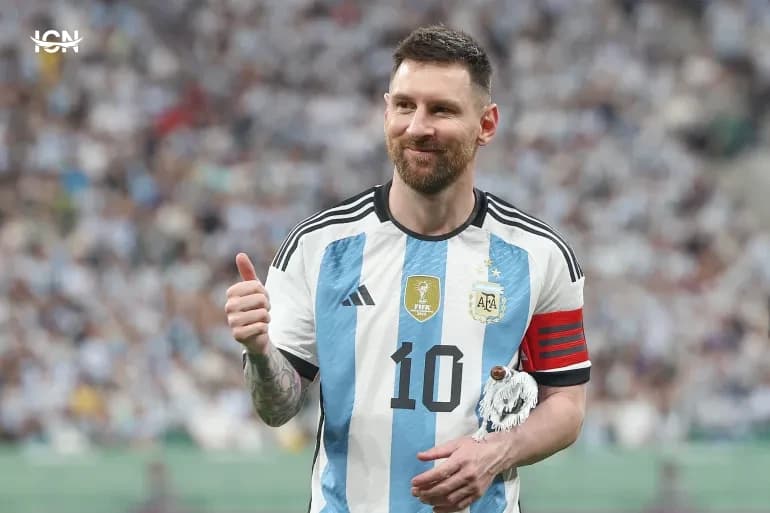
Argentina’s return to the World Cup final carried an immediate historical headline: repeating a feat last achieved 36 years earlier. The comparison is not only about dates; it is about how a national team navigates pressure, expectation, and the narrow margins of knockout football. In both eras, Argentina arrived at the decisive stage with a clear identity, a leader who shaped matches, and a squad built to survive different types of games. The modern run to the final was defined by control in key moments rather than constant dominance. Argentina managed tempo, protected leads, and showed a willingness to adjust its approach depending on the opponent. That flexibility is often what separates semifinalists from finalists. The team’s path also highlighted a recurring World Cup truth: a side does not need to be perfect for 90 minutes in every match, but it must be reliable in the moments that decide outcomes. This milestone also matters because it connects generations of supporters. A 36-year gap is long enough for the memory of the earlier achievement to become a reference point more than a lived experience for many fans. Reaching another final turns that reference into a current reality, giving the country a new chapter to discuss alongside the older one, with fresh details, new heroes, and a different football landscape.
Spain’s Iron Back Line Seals Final Spot
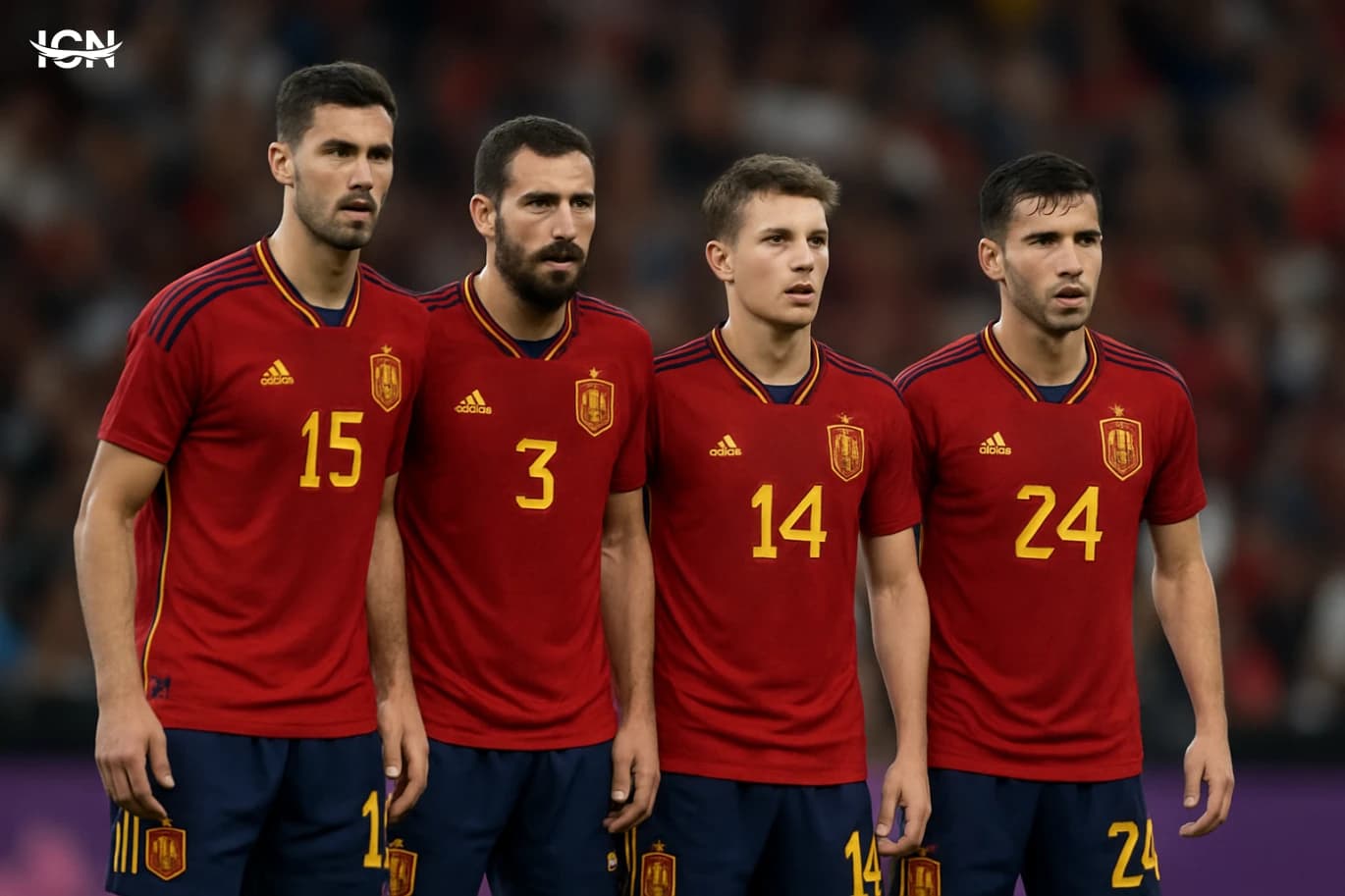
Spain’s route to the World Cup final was built less on a single moment of brilliance and more on a sustained defensive plan that neutralized France’s usual strengths. The match turned into a test of patience: France wanted quick transitions, early runs behind the line, and set-piece pressure; Spain wanted controlled phases, compact spacing, and a rhythm that reduced the game to a series of low-risk decisions. From the opening minutes, Spain’s back line held a disciplined starting position, rarely stepping out without cover. The key was spacing between the center-backs and the full-backs, which stayed tight enough to deny France the diagonal channels that often create one-on-one situations. When France tried to overload one side, Spain responded by sliding as a unit rather than chasing individual duels. That collective movement limited the number of clean entries into the penalty area and forced France into shots from less favorable angles. Spain’s defensive success also depended on their ability to keep the ball long enough to make France defend. Possession was not an aesthetic choice; it was a protective mechanism. Each extended sequence reduced the number of transition moments, which are typically France’s most dangerous phases. The semifinal hinged on whether Spain could maintain that balance: defend with structure, then use the ball to prevent the match from becoming chaotic. They did, and that control is what ultimately carried them into the final.
History takes revenge in the 2026 World Cup semi-final.
The 2026 World Cup semi-finals carry the fitting title "History's Revenge," as the two matches revive historically significant and memorable encounters: France vs. Spain: A clash that offers France a chance to avenge their defeat to Spain in the Euro 2024 semi-final, when the Spaniards went on to win the title. Argentina vs. England: One of the most famous rivalries in World Cup history, its roots stretch back to the 1966 tournament, through Maradona's famous encounter in 1986, and the matches in 1998 and 2002, now renewed after more than two decades in the World Cup. Thus, four former world champions will meet in the semi-finals: Argentina, England, France, and Spain, in a match described as a clash between history and the desire to write a new chapter of glory.
Inside the Esports World Cup
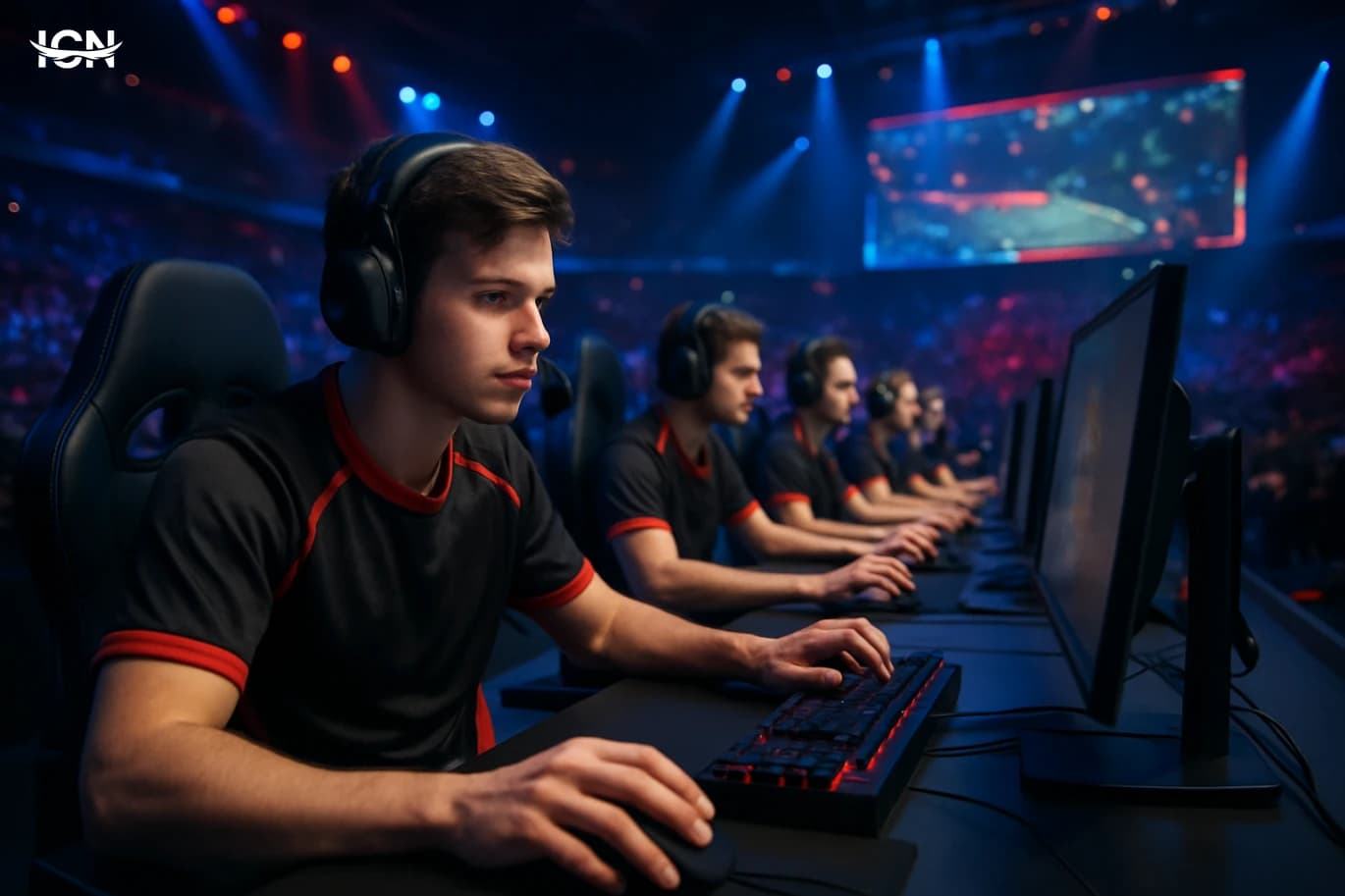
The Esports World Cup is a multi-title international competition that brings top professional players and clubs into one seasonal event. Unlike single-game world championships, it is designed as a festival-style tournament calendar where several esports titles run in parallel, each with its own format, prize pool, and qualification routes. The idea is to create a single destination that fans can follow across different games while giving teams a reason to field rosters in more than one title. A key feature is the club-based layer that sits above individual tournaments. Many esports events crown champions per game, but a world-cup model also rewards organizations that perform consistently across multiple titles. That approach changes how clubs plan their year: they may invest in coaching, analytics, and player development across several divisions rather than focusing on one flagship roster. For viewers, it creates a broader narrative that connects separate competitions into one season-long story.
Rookie Contracts Reshaping the NBA Playoff Race
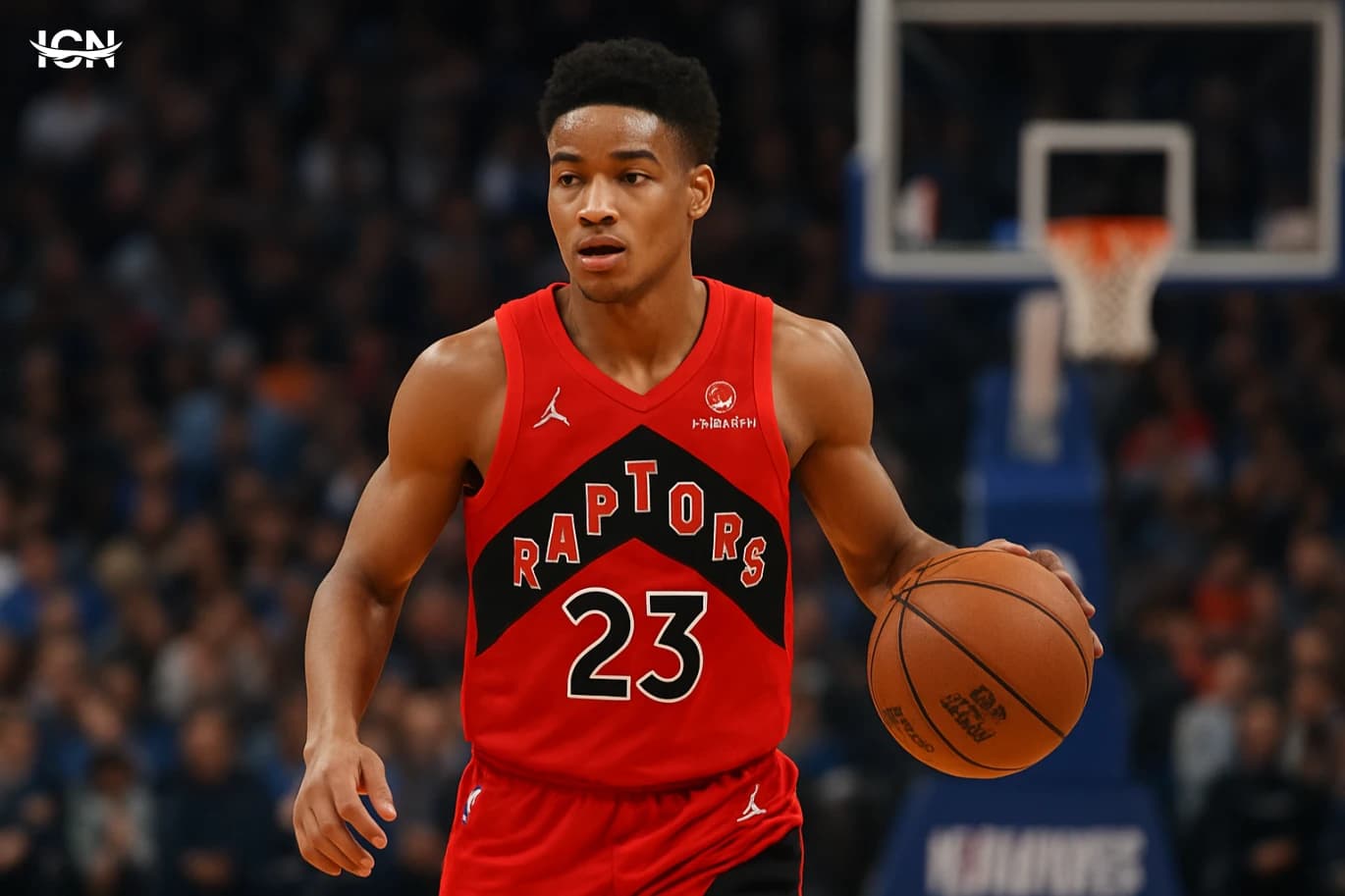
Across the NBA, the most valuable roster spots are increasingly tied to rookie-scale contracts. With the salary cap rising but star salaries rising faster, teams are leaning on first- and second-year players to deliver real minutes, not just development reps. A productive rookie on a controlled deal can function like an extra mid-level free agent without the tax penalty, allowing a front office to keep a veteran core intact. That dynamic is reshaping how contenders build depth and how rebuilding teams accelerate timelines. This shift is also changing the news cycle around players. Instead of focusing only on blockbuster trades, analysts now track which rookies are “rotation-ready” by December, who earns trust in late-game defensive possessions, and which teams can survive injuries because a rookie can handle a defined role. The result is a playoff race where the difference between seeds can be a handful of rookie contributions: a corner three, a second-unit rebounder, or a point-of-attack defender who can stay on the floor.
By clicking the SUBSCRIBE button, you are agreeing to our Privacy & Cookie Policy If you want to unsubsribe the marketing email, please proceed to our privacy center.
© 2005-2026 ICN. All Rights Reserved.