How Live Service Games Keep Players Paying

- Why live service dominates modern gaming
- The retention loop behind seasons and passes
- Cosmetics, scarcity, and the store page
- When monetization affects gameplay balance
- Community pressure, creators, and social spending
- What players can do to stay in control
Why live service dominates modern gaming
Live service games have become the default business model for many major publishers because they turn a one-time purchase into an ongoing revenue stream. Instead of relying on launch-week sales, these games aim to keep players active for months or years through frequent updates, limited-time events, and rotating rewards. Titles across shooters, sports, and role-playing games now treat release day as the start of a long operational cycle that includes new seasons, balance patches, and content drops. This shift is also tied to distribution and platform changes. Digital storefronts make it easier to push weekly updates, while cross-play and cross-progression expand the addressable audience and reduce friction for returning players. For publishers, the appeal is predictable income from cosmetics, battle passes, and optional bundles. For players, the promise is a game that evolves, but the trade-off is constant monetization pressure and a design focus on retention metrics rather than a clean, finite experience.
The retention loop behind seasons and passes
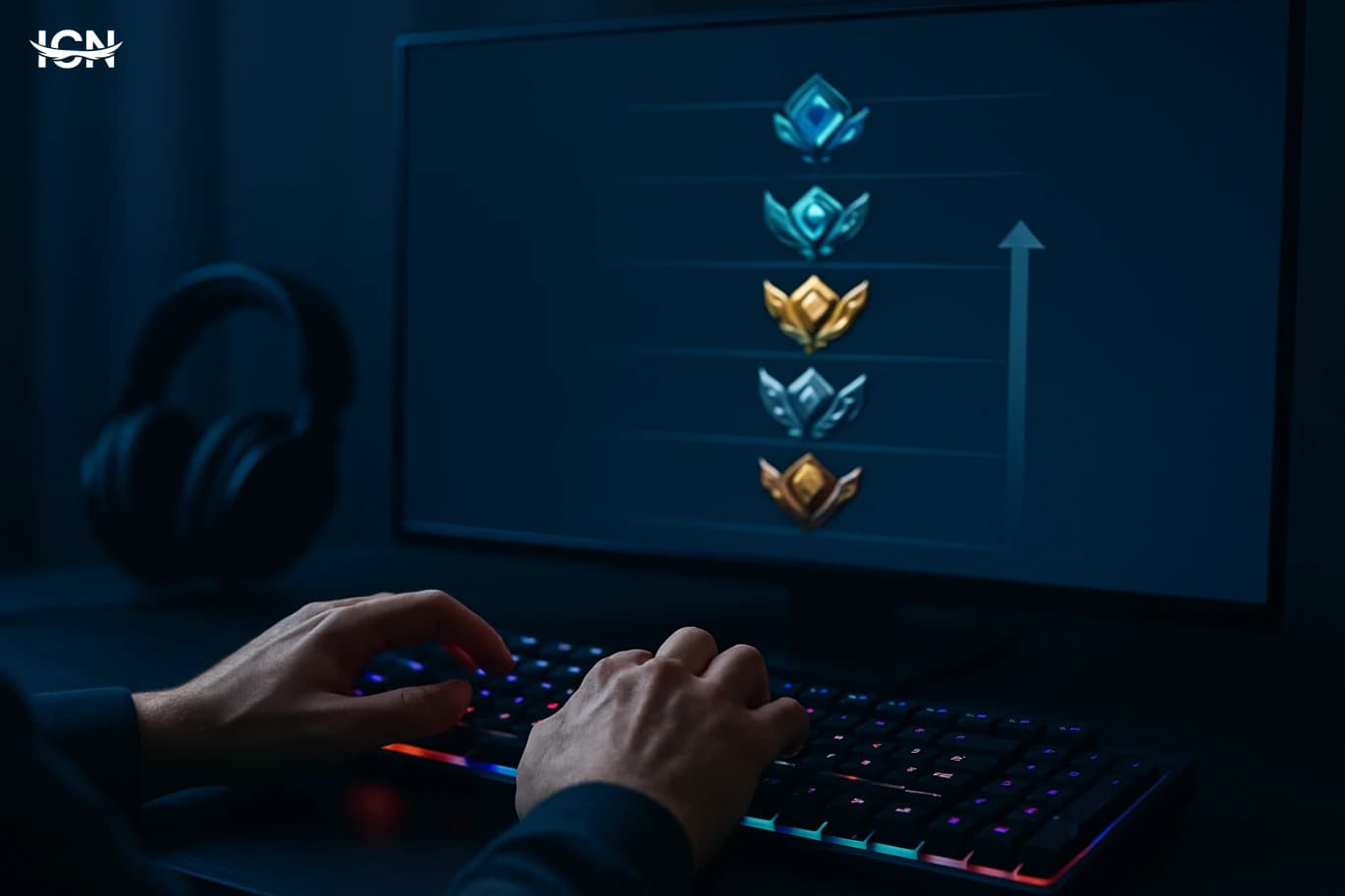
The core of most live service monetization is a retention loop: give players a reason to log in regularly, then present paid options that feel like the fastest or most satisfying way to progress. Seasons are structured calendars that reset goals every few weeks. They typically introduce a new theme, a set of challenges, and a progression track with free and premium tiers. The premium battle pass is priced to feel affordable, but its real power is psychological: it turns time spent into a visible investment, making players less likely to quit mid-season. Daily and weekly challenges are designed to create habits. A player who logs in “just to finish a few tasks” is more likely to browse the store, notice a limited-time bundle, or feel behind friends who already unlocked premium rewards. Many games also use “XP boosts” and skip tokens to convert impatience into spending. The loop works best when the game balances friction carefully: progress must be slow enough to make paid acceleration attractive, but not so slow that players abandon the season entirely.
Cosmetics, scarcity, and the store page
Cosmetic monetization is often framed as harmless because it does not directly change competitive balance. In practice, it is a sophisticated sales system built around identity and scarcity. Skins, emotes, banners, and weapon effects are marketed as ways to stand out in lobbies and social spaces. The most effective cosmetics are not just visually appealing; they are tied to status signals such as rarity labels, event exclusivity, or association with popular characters. Rotating storefronts amplify urgency. When items appear for 24 or 48 hours, players are pushed to decide quickly, even if they would prefer to wait. Bundles are structured to make individual items feel overpriced, nudging buyers toward a higher total spend for “better value.” Some games also use premium currency packs that rarely match exact item prices, leaving leftover currency that encourages another purchase later. None of these tactics are unique to gaming, but live service design integrates them into the daily play routine, making the store feel like part of the game rather than a separate checkout page.
When monetization affects gameplay balance
The line between optional spending and competitive advantage is a constant controversy. Some live service games sell power indirectly through time-saving items, upgraded characters, or access to stronger gear earlier than non-paying players. Even when developers avoid explicit “pay-to-win,” monetization can still shape balance by influencing how quickly players can reach optimal builds, unlock meta characters, or stockpile resources. Design choices often reveal the pressure to monetize. If progression is tuned around long grinds, the store can sell relief. If new characters are released frequently, the game can encourage spending to keep up with the meta. In team-based games, this can affect matchmaking quality, because players at similar skill levels may have very different toolsets depending on spending. Regulators and platform holders have increased scrutiny around loot boxes and gambling-like mechanics, but many systems remain legal because they are framed as optional. For players, the practical question is simple: does spending change outcomes, or only appearance and convenience? The answer varies by title, and it can change over time as the economy is adjusted.
Community pressure, creators, and social spending
Live service economies are not driven only by design; they are also driven by social dynamics. Streamers and content creators showcase new skins, limited-time events, and premium rewards on day one, setting expectations for what is “current.” In games with strong social hubs, cosmetics become part of group identity, and players may feel pressure to match friends, join themed squads, or avoid looking like a newcomer. Publishers actively cultivate these dynamics through influencer campaigns, early access previews, and timed collaborations with major brands. Crossovers with films, sports leagues, or music artists can turn cosmetics into cultural merchandise, not just in-game decoration. The result is a spending environment where purchases are partly about participation. Players are not only buying an item; they are buying into a moment, a trend, or a shared reference point. This is effective marketing, but it also raises concerns about younger audiences who may be more sensitive to peer pressure and limited-time messaging.
What players can do to stay in control
Players are not powerless in live service economies, but staying in control requires practical habits. One approach is to set a monthly spending cap and treat premium currency as real money, not “points.” Another is to delay purchases for 24 hours, which reduces impulse buying triggered by rotating stores. Players can also prioritize value by buying only items that will be used regularly, rather than collecting cosmetics that will sit unused after the season ends. It also helps to understand the game’s schedule. If a title runs predictable seasonal cycles, waiting can reveal whether an item returns later or whether a better bundle appears. For parents, platform-level controls such as purchase approvals, spending limits, and disabling stored payment methods can prevent accidental or pressured spending. Finally, players should evaluate whether the game still feels enjoyable without purchases. If progress feels intentionally blocked unless money is spent, that is a signal to step back, switch modes, or consider a different game with a healthier economy.