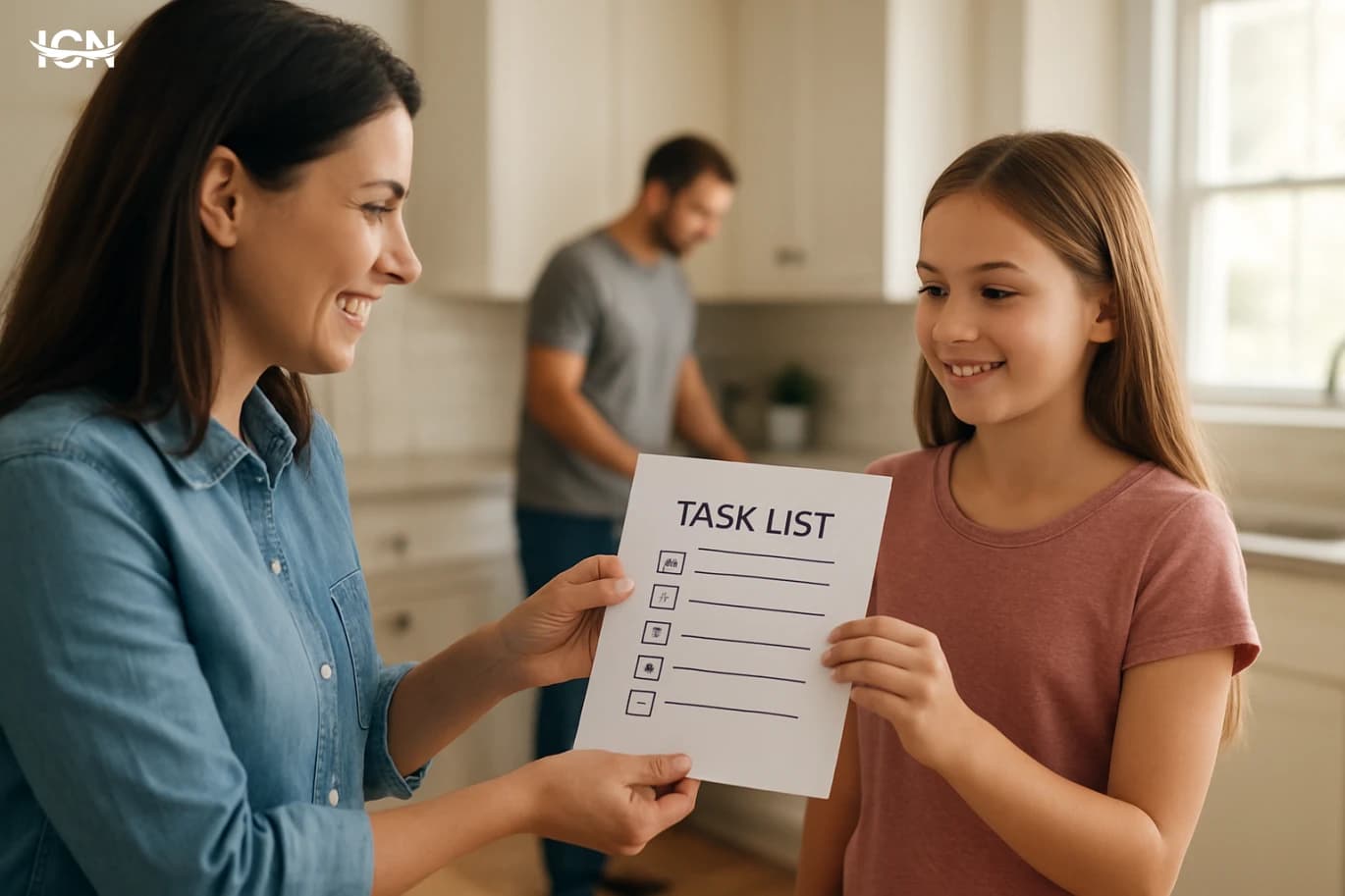
How do you permanently reduce family quarrels?

- Understanding the causes of family quarrels
- Effective strategies to reduce hassles
- The importance of building a healthy family environment
- The role of dialogue and open communication
- Improve anger and emotion management
Understanding the causes of family quarrels
A. Personality Differences and Communication Family quarrels sometimes appear as a result of differences in personalities and ways of communicating. When people express their opinions in a way that could be misconstrued, tensions are more likely to occur. Poor communication skills can lead to misunderstandings and conflicts. for. External pressures and their impact External pressures such as work and money can play a major role in increasing stress among family members. Daily stresses may affect individuals' moods, leading to friction within the family. To understand the reasons behind these conflicts, each individual must analyze his situation and share his feelings clearly, which may contribute to reducing the intensity of conflicts.
Effective strategies to reduce hassles
A. Enhancing Listening and Understanding Skills It is important for family members to learn how to effectively listen to each other. When everyone feels heard, tension decreases and the atmosphere calms down. Communication skills can be enhanced through open dialogue, which increases the degree of empathy and understanding between individuals. for. Finding compromise and tolerance Finding compromise can reduce hostility within the family. Through tolerance and acceptance of different opinions, family members can create a more peaceful environment. Creating clear agreements and reaching simple compromises contributes to building healthier and more stable relationships.
The importance of building a healthy family environment
A. Strengthening family ties Strengthening family ties is one of the essential factors in building a healthy environment. By spending quality time together, individuals can strengthen relationships, leading to better understanding and more effective communication. Shared activities, such as taking family trips or eating meals together, strengthen these bonds. for. Organizing time and spending shared periods Organizing time is necessary to ensure the interaction of all family members. By allocating periods for activities and communication, arguments can be reduced and positivity within the home can be increased. Shared times foster a sense of belonging and support, which positively affects family relationships.
The role of dialogue and open communication
A. Encouraging positive dialogue Encouraging open dialogue within the family can have a significant impact on relationships. Individuals should provide each other with space to freely express their feelings and thoughts, which promotes mutual understanding. for. Resolving Conflicts Constructively When conflicts occur, it is important to deal with them in a constructive manner. Family members should focus on solutions and not blame, which helps reduce stress and increase understanding. Using effective dialogue methods contributes to strengthening family ties and leads to a healthier and happier environment.
Improve anger and emotion management
A. Breathing and relaxation techniques Deep breathing and relaxation techniques can be very effective in managing anger and emotions. When individuals feel stressed, they can take a few moments to focus on breathing, which helps calm the mind and body. for. Dealing with stressful situations It is necessary for individuals to learn how to recognize situations that make them angry and how to deal with them calmly. Practicing responding rather than reacting to a situation can help reduce negative emotions and promote effective communication.