App Logo

Download Our App

Shop your way

logologo
Image

Electronic music

07/22/2025By: ICN
Electronic music

History of electronic music

Electronic music origins belong to the origins of electronic music to the early twentieth century, where experiments began using electrical tools and audio recording. Players during that period used new techniques to produce unconventional sounds, allowing them to explore unprecedented vocal capabilities. Electronic music has evolved over contracts over time, electronic music has witnessed great developments, starting in the thirties with sound recording technology to the eighties and nineties where electronic drums and sambyer devices appeared. In the twenty -first century, electronic music became an integral part of the contemporary music scene, influencing different species such as pop and hip hop.

Electronic music types

Electronic music divisions by music style are multiple electronic music patterns, as they include dance, techno, and trinity, as well as Dermand Pass and Hosus. Each style represents its own flavor and reflects various cultures and periods of time. These patterns represent the height of creativity and innovation in the field of music, and enhance the audience's auditory experience. Electronic music classifications by rhythm, moreover, electronic music can be classified according to the rhythm, as rhythms range from quiet to fast. Various techniques are used in each classification, which provides a wide variety of musical experience. These classifications attract a wider audience, and provide a unique experience for every listener.

The most important artists in the field of electronic music

Electronic music stars in the world are distinguished by the presence of many international artists, such as David Gita and Avic I, who have proven their ability to attract the masses through their musical creations. These artists offer a mixture of different styles, which enhances their position in the global musical scene. The role of Arab artists in developing electronic music, and Arab artists also have an important role in developing this type of music, as they introduced various cultural flavors. Their works contribute to the integration of Arab heritage with electronic music, which creates a unique experience that attracts the Arab and international audience.

Electronic music tools and technology

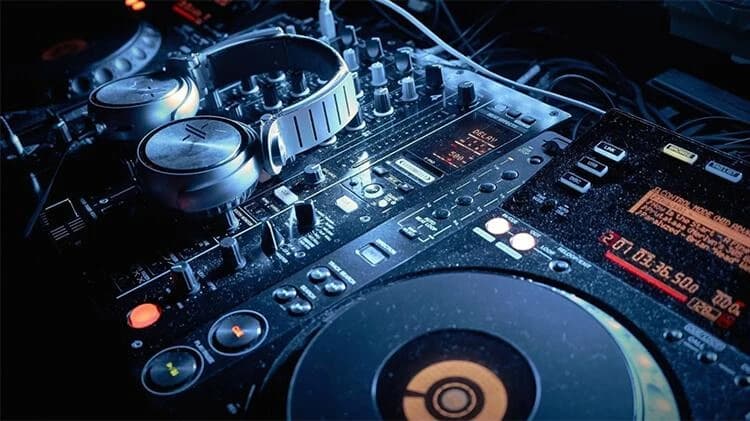
Electronic music production programs. Electronic music production programs are essential tools for artists, such as "Ableton Live" and "FL Studio", as they provide them with easy -to -use interfaces that allow them to be creative without limits. These programs give musicians the ability to integrate sounds, add effects, and adjust the paths professionally. The devices used to play and create electronic music along with software, there are multiple devices that play an important role, such as electronic keyboards, control units, and DG devices. These tools help artists perform their music and provide distinguished experiences for the public. Thanks to these innovations, artists can express their ideas with new and beloved methods.

The impact of electronic music on popular culture

The effect of electronic music on fashion and art is an integral part of the culture of fashion and art, as the extensions and artistic methods were affected by its distinctive rhythms. Many designers integrate electronic music elements in their works, providing an integrated visual and auditory experience for the public. How electronic music on cinema and television affected the effect of EXNEDS to the Realms of Cinema and Television, as it is used as musical wallpapers to create a certain atmosphere. Famous films and series that depend on electronic music literature to enhance the narration of the story and direct feelings, which contributes to the experience of the viewer in general.

* All articles published on this blog are sourced from various websites and are provided for informational purposes only. They should not be considered as confirmed studies or accurate information. Please verify the information independently before relying on it.

Similar ARTICLES

Melody and Rhythm in Everyday Listening
Most listeners describe a song as “catchy” or “driving,” but those reactions usually come from two separate layers working together: melody and rhythm. Melody is the line you can hum back after one listen, formed by the rise and fall of pitch and the way notes connect into phrases. Rhythm is the timing grid that tells those notes when to happen, from the smallest pulse to the larger pattern of bars and sections. In practical listening, you can test the difference by tapping the beat while ignoring the tune, then humming the tune without tapping; each task isolates a different part of the same experience. In many recordings, melody sits in the voice or a lead instrument, while rhythm is carried by drums, bass, and repeated patterns in accompaniment. Yet the boundary is not strict. A melodic phrase can feel rhythmic if it repeats with a clear pattern, and a drum part can feel melodic when it uses tuned percussion or a recognizable contour. Understanding this overlap helps explain why some tracks feel “busy” but still coherent: the melody may be simple while the rhythm is complex, or the rhythm may be steady while the melody takes more turns. Listening for these roles is a practical skill, not a technical exercise, and it changes how you notice structure in any genre.
Designing Immersive Soundwalks for Modern Cities
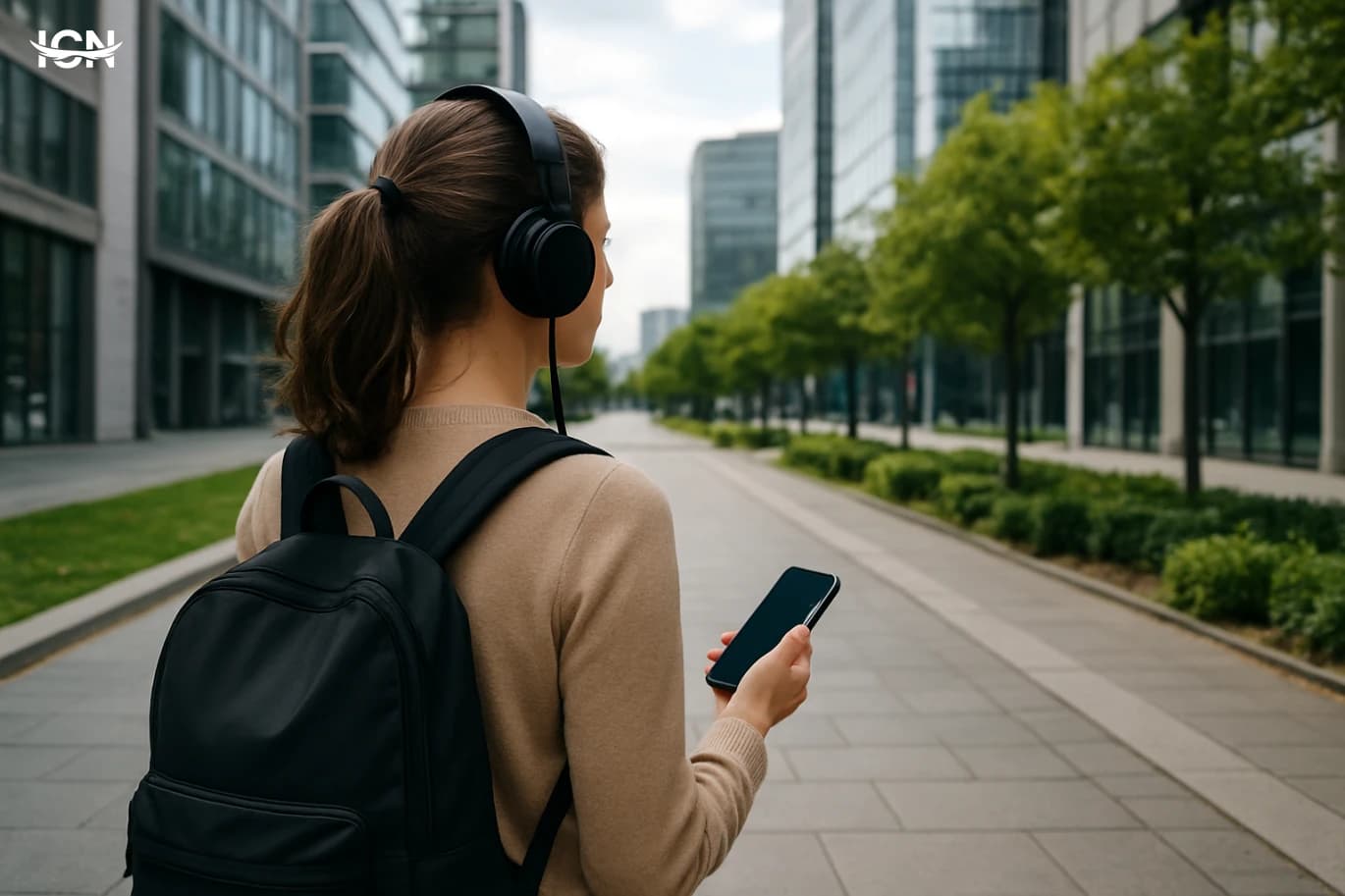
Soundwalks are curated listening experiences that turn everyday streets into a structured audio journey. They matter now because cities are getting louder, more layered, and more standardized, which makes it harder to notice local character. A well-designed soundwalk helps listeners identify the signature elements of a neighborhood: the rhythm of crossings, the tonal color of public transport, the density of human voices, and the contrast between open squares and narrow alleys. For artists and cultural organizations, soundwalks offer a low-barrier format that can be experienced without a stage, a ticketed venue, or specialized equipment beyond a phone and headphones. For planners and community groups, they provide a practical way to document how places actually feel, not just how they look on a map. The most effective soundwalks are not random recordings; they are editorial projects with a clear route, a listening purpose, and a narrative that respects the city’s real acoustic ecology.
Designing Immersive Soundwalks for Modern Cities
Soundwalks have moved from niche art projects to practical tools for understanding how cities feel and function. A soundwalk is a curated listening route where participants focus on the acoustic environment, sometimes guided by an audio track and sometimes guided by prompts. In dense urban areas, sound is often treated as a problem to reduce, but it is also a source of identity: the cadence of public transport, the rhythm of pedestrian crossings, the changing tone of a market street, and the quiet pockets created by parks and courtyards. For music and sound arts, soundwalks offer a way to compose with real life, using timing, attention, and context instead of instruments alone. The renewed interest is tied to everyday technology. Nearly everyone carries a phone, headphones, and location services, which makes it easier to deliver site-specific audio without expensive equipment. At the same time, cities are investing in public realm upgrades, tourism experiences, and cultural programming that can include sound-based projects. A well-designed soundwalk can serve multiple audiences: residents who want a deeper relationship with their neighborhood, visitors who need a structured way to explore, and artists who want to test new forms of composition. The key is to treat the city as an instrument while respecting the people who live and work there.
Field Recording for Urban Sound Stories
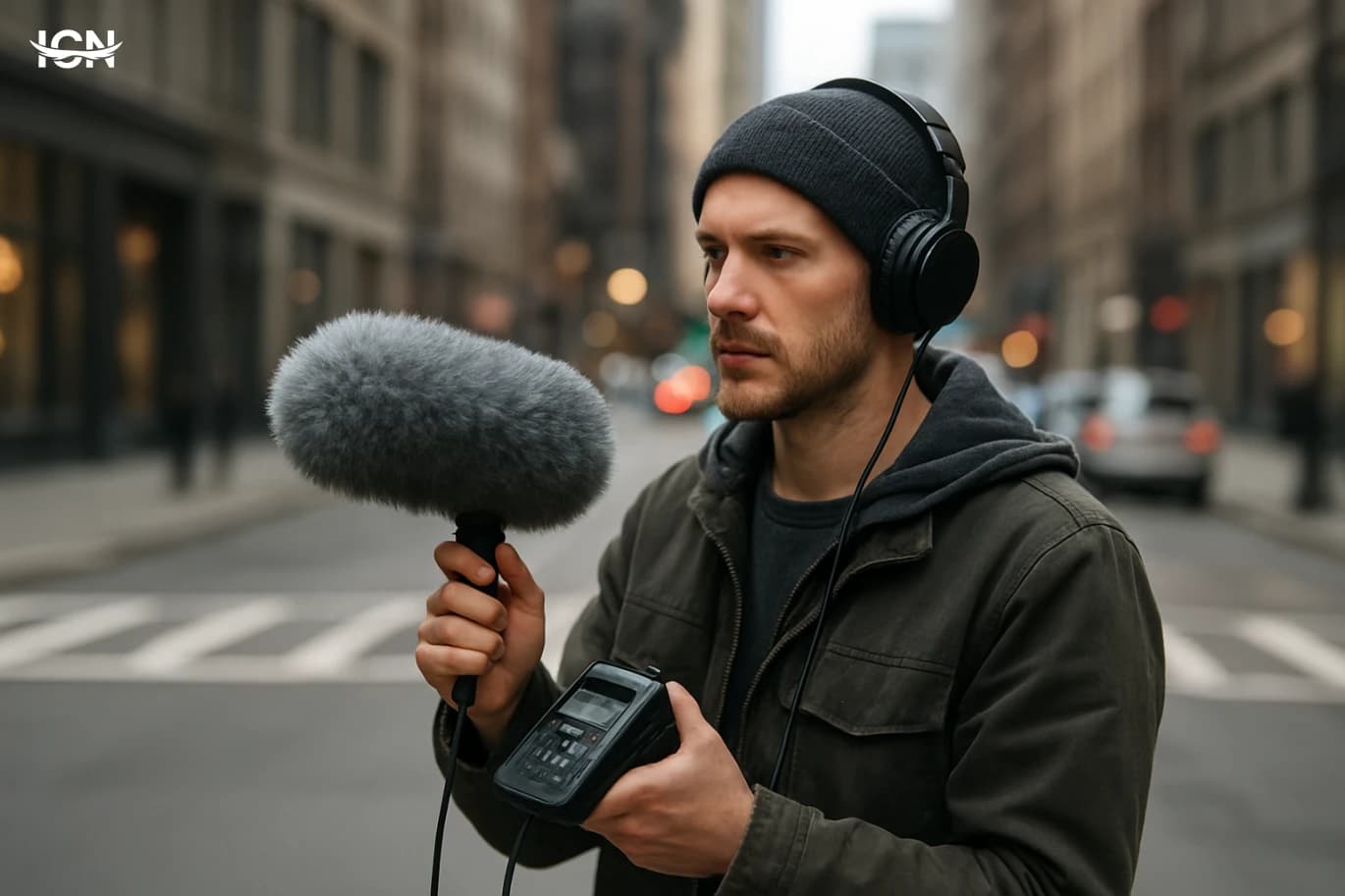
Urban sound is not just background noise; it is a living record of how a place works. The rhythm of pedestrian crossings, the timing of public announcements, the way a market wakes up, and the shift from daytime traffic to late-night delivery trucks all reveal patterns that photographs often miss. For musicians and sound artists, these details can become raw material for compositions, installations, podcasts, or documentary pieces that feel grounded in real life. This topic matters now because many cities are changing quickly. Construction, new transit lines, altered storefronts, and shifting work hours can transform a neighborhood’s sound in a few months. Recording today creates an archive for tomorrow, and it also helps creators build more specific work: a piece that clearly belongs to one street, one station, or one waterfront. The goal is not to romanticize noise, but to capture identifiable sonic signatures and use them responsibly in creative projects.
Field Recording for Modern Music Makers
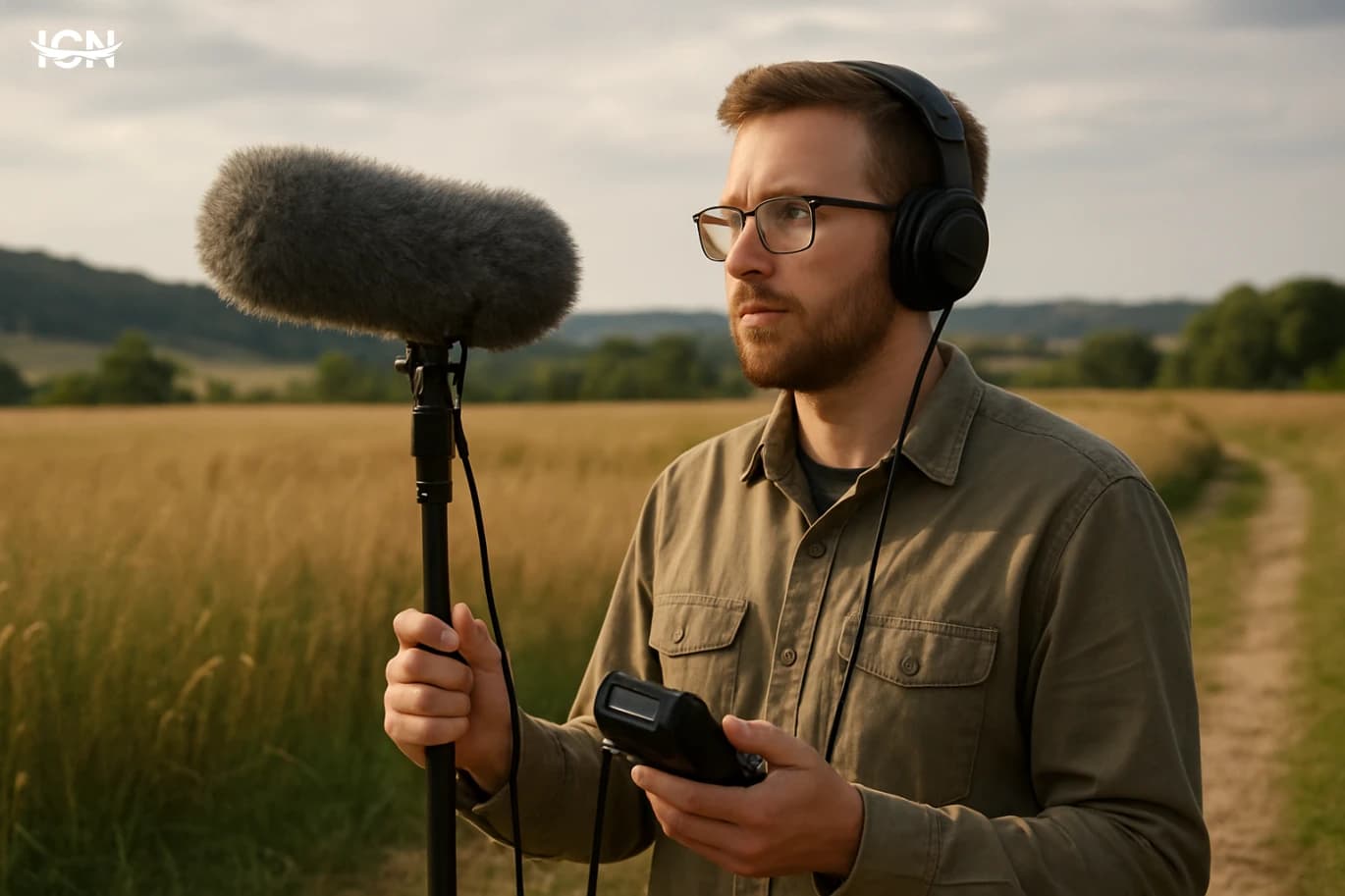
Field recording has moved from a niche practice into a practical toolkit for producers, composers, and sound artists who want distinctive material without relying on the same preset libraries. A short walk can yield textures that instantly set a track apart: the rhythmic pulse of a train crossing, the airy hiss of a café espresso machine, or the layered ambience of a market at dusk. These sounds can function as percussion, pads, transitions, or subtle “glue” that makes a mix feel lived-in. The shift is also driven by workflow. Portable recorders and high-quality phone microphones have lowered the barrier to entry, while modern samplers and DAWs make it easy to slice, tune, and time-stretch recordings into playable instruments. For many creators, field recording is not about documentary realism; it is about collecting raw sonic material that can be shaped into musical elements. The result is a more personal palette, tied to places and moments that are unique to the artist.
How Streaming Changed Music Mastering
Mastering used to be planned around a clear destination: a CD, a vinyl cut, or a broadcast chain with predictable limits. Streaming replaced that certainty with multiple platforms, multiple playback devices, and loudness normalization that can turn yesterday’s “loud master” into a smaller-sounding track. Engineers now master with the assumption that a song will be heard on phones, smart speakers, car systems, and earbuds, often through algorithms that adjust level automatically. That shift has moved the focus from raw loudness to translation, consistency, and controlled dynamics. The biggest practical change is that a master is no longer judged only by peak level. Many services measure integrated loudness and apply gain changes so tracks sit closer together in perceived volume. A master pushed aggressively into limiting may not sound louder after normalization, but it can sound flatter, harsher, or smaller because transient detail and low-end movement are reduced. As a result, mastering decisions increasingly prioritize tonal balance, punch, and clarity at normalized playback rather than chasing the highest meter reading.
How Field Recordings Reshape Modern Music
Field recording has moved from a niche practice into a common production method in Music & Sound Arts. Producers and sound artists increasingly treat street ambience, household noise, and environmental textures as raw material, not background. This shift is tied to changes in listening habits: audiences consume music on headphones, notice detail, and expect immersive mixes. A short recording of a subway door, a market crowd, or wind through a stairwell can provide a rhythmic pulse, a tonal bed, or a sense of place that synthesizers alone may not deliver. The appeal is also practical. A single, well-captured sound can replace multiple programmed layers and immediately make a track feel specific. In contemporary electronic music, film scoring, and experimental pop, field recordings often function like instruments: they are edited, tuned, time-stretched, and arranged. The result is not simply “adding realism,” but building identity. A track that opens with a recognizable city sound or a distinctive natural texture can signal genre, geography, and intent within seconds.
World's music
World's music
The development of music across civilizations is an essential part of the history of mankind, as it has evolved throughout the ages and civilizations. Since ancient times, humans have used music to communicate and express feelings. It started with simple melodies, to the complex forms that we know today. Also, every civilization has made its unique contribution to this art with different tools and its own performance style. The influence of global music with technology progress and means of communication, music has become more affected by global. Musical styles began to overlap, allowing artists the possibility of renewal and innovation. Today, music is witnessing multiple effects that reflect different cultural backgrounds, making the global music scene full of diversity and creativity.
By clicking the SUBSCRIBE button, you are agreeing to our Privacy & Cookie Policy If you want to unsubsribe the marketing email, please proceed to our privacy center.
© 2005-2026 ICN. All Rights Reserved.