How Field Recordings Reshape Modern Music

- Why everyday sound is now a musical tool
- Capturing clean recordings with simple gear
- Editing techniques that turn noise into rhythm
- Ethics and legality when recording in public
- Where field recordings fit in today’s genres
- A practical starter plan for your next track
Why everyday sound is now a musical tool
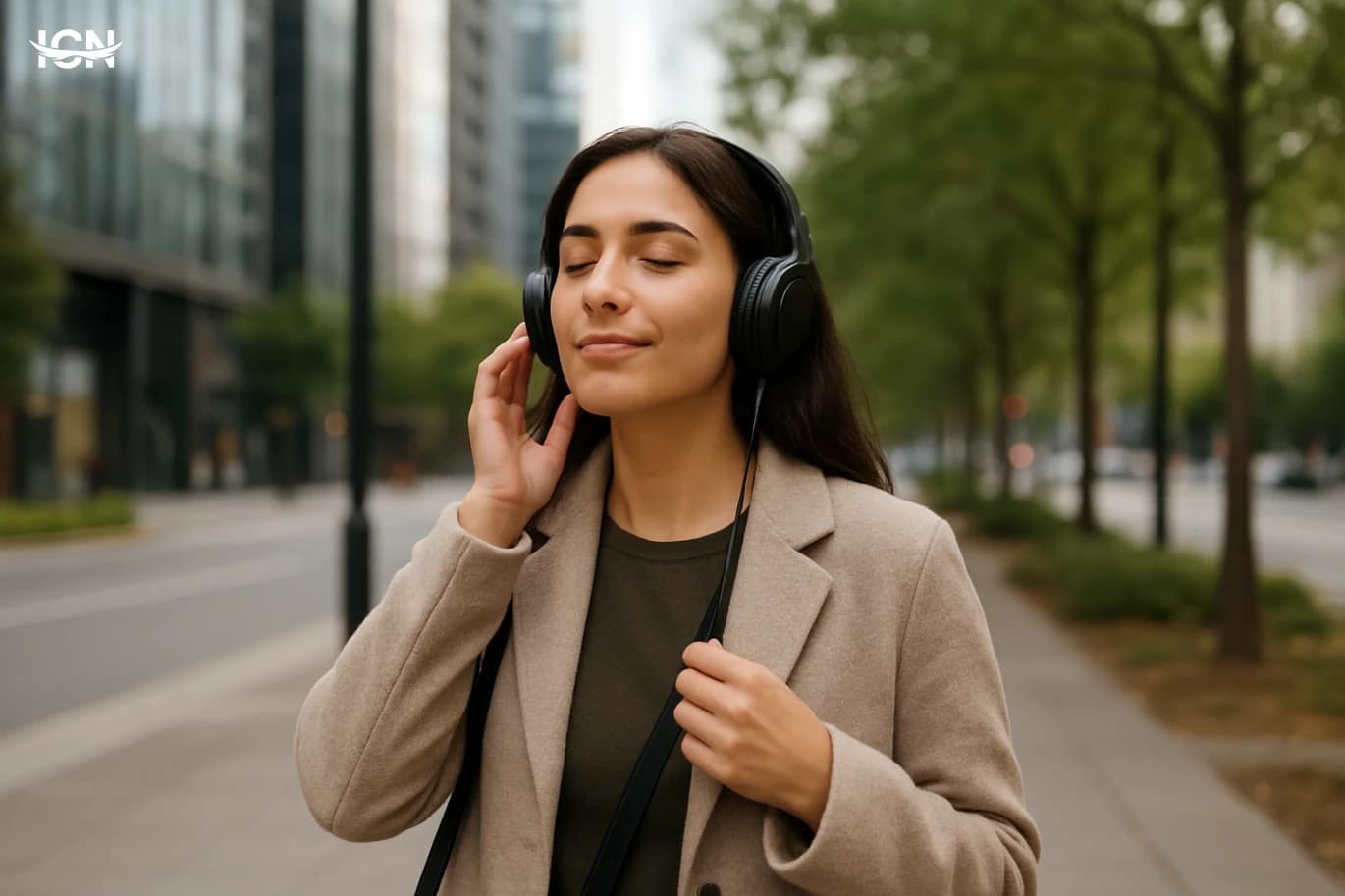
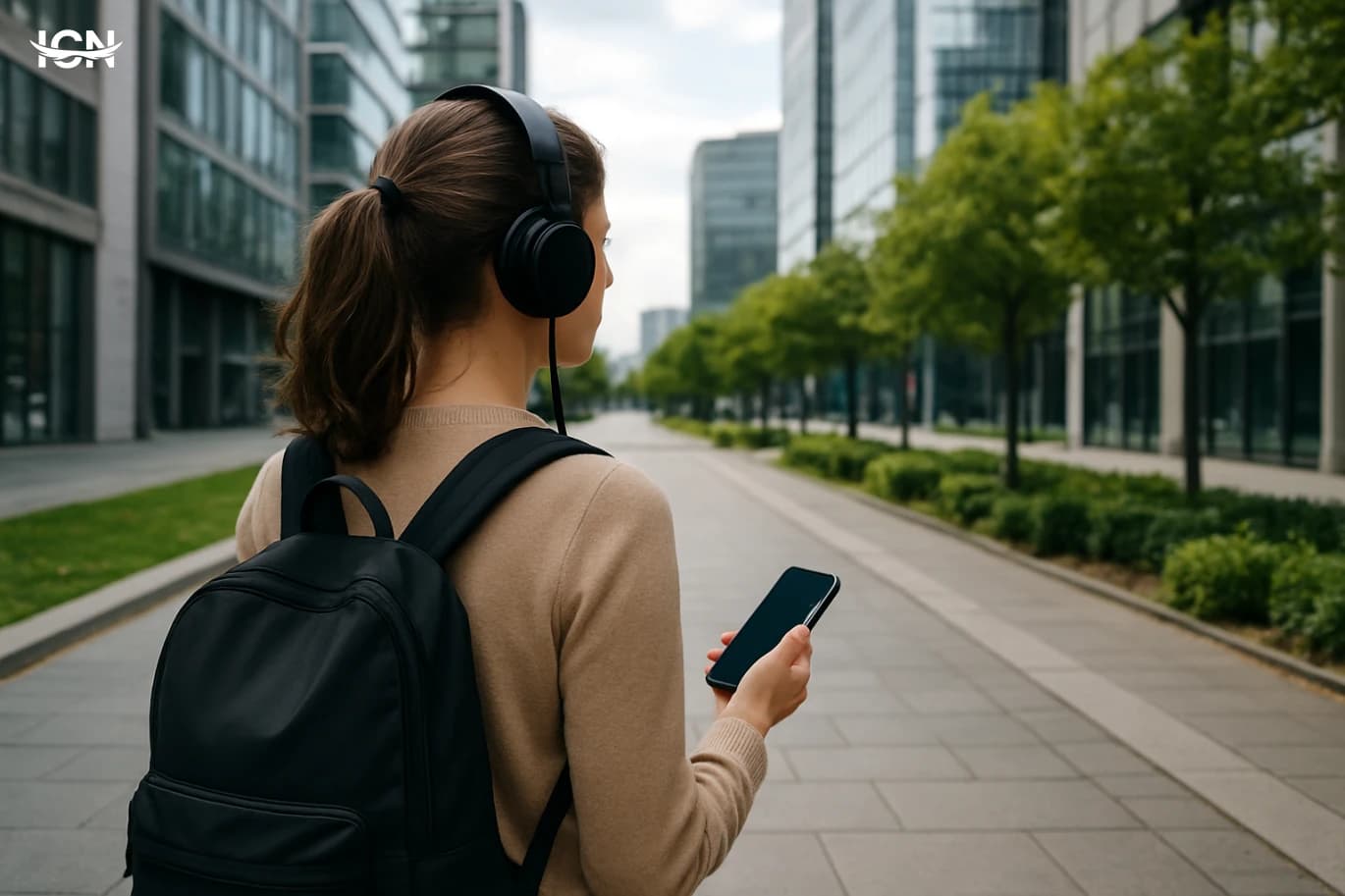
Field recording has moved from a niche practice into a common production method in Music & Sound Arts. Producers and sound artists increasingly treat street ambience, household noise, and environmental textures as raw material, not background. This shift is tied to changes in listening habits: audiences consume music on headphones, notice detail, and expect immersive mixes. A short recording of a subway door, a market crowd, or wind through a stairwell can provide a rhythmic pulse, a tonal bed, or a sense of place that synthesizers alone may not deliver. The appeal is also practical. A single, well-captured sound can replace multiple programmed layers and immediately make a track feel specific. In contemporary electronic music, film scoring, and experimental pop, field recordings often function like instruments: they are edited, tuned, time-stretched, and arranged. The result is not simply “adding realism,” but building identity. A track that opens with a recognizable city sound or a distinctive natural texture can signal genre, geography, and intent within seconds.
Capturing clean recordings with simple gear
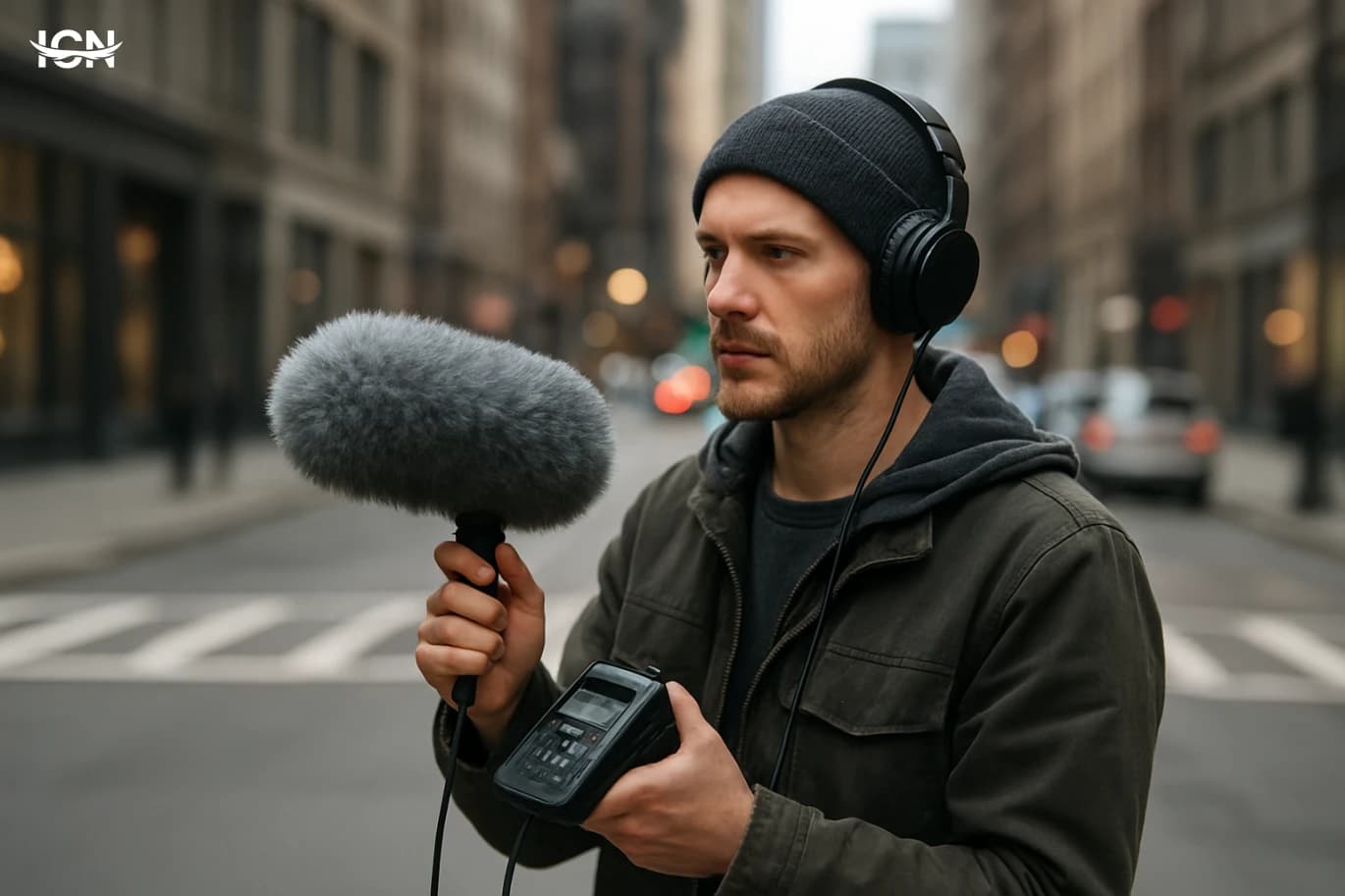
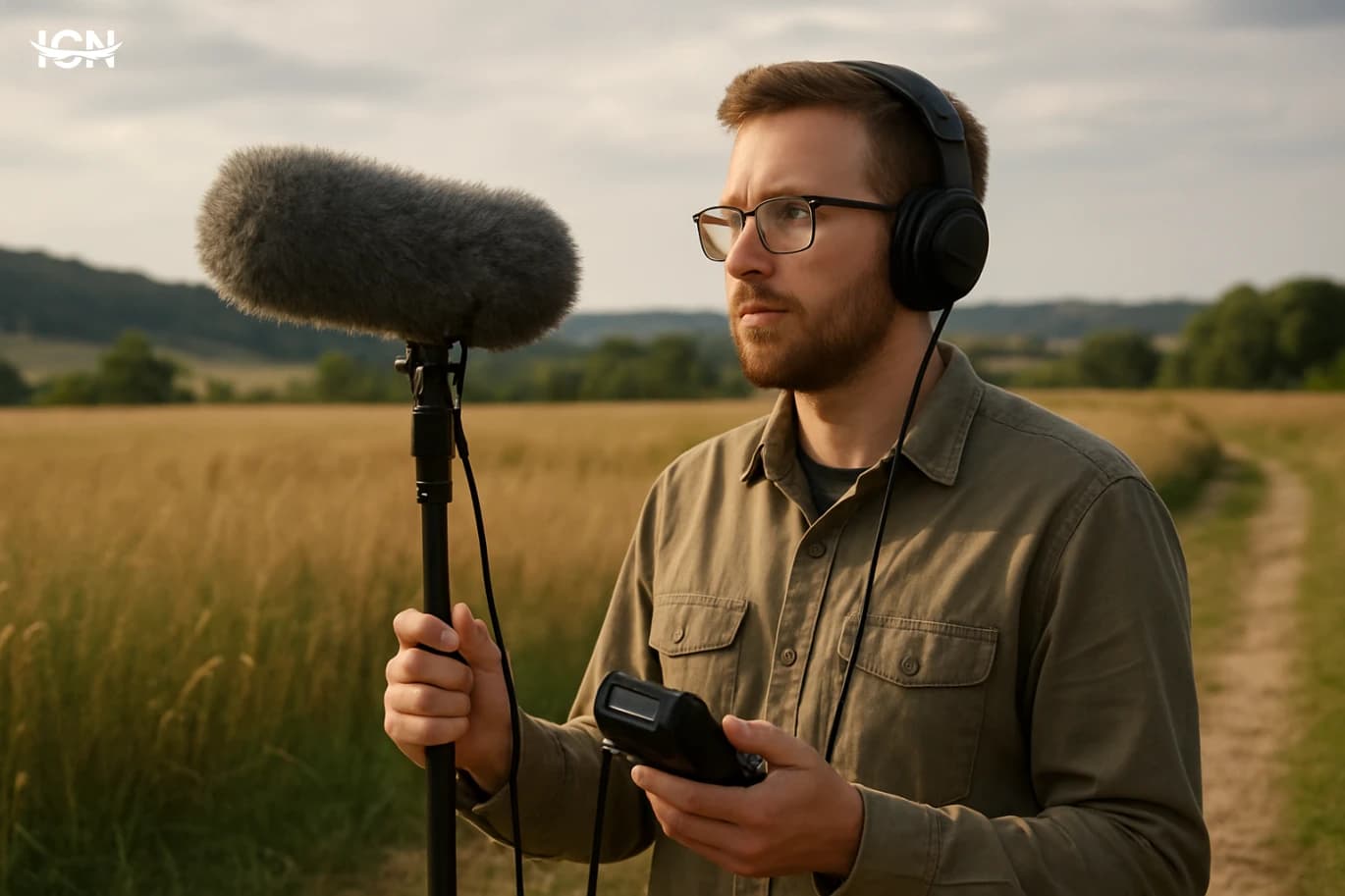
Good field recordings start with planning, not expensive equipment. A modern smartphone can capture usable material, but a small handheld recorder with adjustable gain and low self-noise offers more control. The most common technical failure is distortion from recording too hot. Setting conservative input levels, monitoring with closed-back headphones, and recording in 24-bit when possible protects dynamic range and reduces the risk of clipping when unexpected loud sounds occur. Microphone choice and placement matter more than brand. For ambience, a stereo pair or built-in XY mics can produce width; for focused sources like a mechanical click or a single voice, a directional mic reduces unwanted spill. Wind protection is essential outdoors: a foam cover helps, but a proper furry windshield often makes the difference between a usable take and unusable rumble. It also helps to record longer than you think you need. Capturing 60–120 seconds of steady ambience gives editors room to find clean loops, avoid sudden interruptions, and build transitions later in the arrangement.
Editing techniques that turn noise into rhythm
The creative leap happens in editing. A raw recording often contains uneven levels, random peaks, and unwanted frequencies. Basic cleanup—high-pass filtering to remove rumble, gentle noise reduction, and de-clicking—can make a recording sit in a mix without sounding processed. After that, producers typically look for repeatable events: footsteps, machine cycles, coin drops, keyboard taps, or short bursts of crowd sound. These can be sliced into one-shots and mapped across a sampler to build custom drum kits. Time and pitch tools expand the palette. Time-stretching can reveal hidden textures in a short sound, while pitch-shifting can turn a metallic hit into a tuned percussion note. Transient shaping can add punch to soft recordings; convolution reverb can place a dry sound into a specific acoustic space, such as a stairwell or tunnel. Many artists also use layering: a field-recorded snare-like slap layered under a conventional snare adds character without sacrificing impact. The key is intentionality—decide whether the recording should be recognizable as “real life” or abstracted into a new instrument, and edit accordingly.
Ethics and legality when recording in public
Field recording raises real ethical and legal questions, especially when voices are captured. Laws vary by country and even by region, but common issues include consent, expectation of privacy, and commercial use. Recording general ambience in a public square is often treated differently from recording a clear conversation at close range. Even when something is technically legal, using identifiable speech in a released track can create reputational and practical risks, including takedown requests. A cautious approach is to avoid capturing intelligible private conversations and to focus on non-identifiable textures. If voices are important, consider recording collaborators who can sign a simple release, or process the audio so speech is no longer recognizable. Location owners also matter: malls, stations, and venues may be private property with their own rules. For professional projects, keeping notes about where and when recordings were made, and storing original files, helps if questions arise later. Ethical practice is not only about avoiding problems; it also builds trust with communities and keeps the work aligned with responsible sound art.
Where field recordings fit in today’s genres
Field recordings appear across genres, but they serve different roles depending on context. In ambient and soundscape composition, they can be the main subject, with minimal added instrumentation. In techno and experimental club music, short percussive snippets from industrial environments often become the backbone of grooves. In hip-hop and pop, subtle layers—like room tone, vinyl crackle, or city air—can add depth without drawing attention, supporting vocals and drums rather than competing with them. Film, television, and games use field recordings to anchor scenes and build believable worlds. A designer might record specific doors, elevators, or local wildlife to match a location on screen. Increasingly, independent musicians borrow these techniques to create narrative in albums: a recurring sound from a neighborhood, a train line, or a shoreline can function like a motif between tracks. The trend reflects a broader audience interest in authenticity and specificity, but the strongest works use recordings with purpose—choosing sounds that reinforce structure, pacing, and the emotional temperature of a piece without relying on novelty.
A practical starter plan for your next track
A simple plan can turn field recording from an idea into a finished piece. First, define a theme: for example, “morning commute,” “coastal evening,” or “workshop machinery.” Second, list five target sounds that match the theme, including at least two rhythmic sources and one long ambience bed. Third, schedule a short recording session and scout locations in advance to avoid surprises like construction noise or restricted access. Back in the studio, organize files immediately: rename takes, note microphone settings, and mark the best moments. Build a small palette: one ambience loop, three to six one-shots, and one featured texture that can act as a hook. Then arrange with restraint. Introduce the ambience early, use one-shots to create a beat or accent pattern, and reserve the featured texture for transitions or choruses. Finally, check translation across playback systems. A sound that feels detailed on headphones may vanish on small speakers, so test and adjust with EQ and dynamics. With this workflow, field recordings stop being random souvenirs and become a repeatable method for producing distinctive, place-based music.