E. coli bacteria
- مصادر الإصابة ببكتيريا إي كولاي
- Symptoms of E. coli infection
- Ways to prevent E. coli bacteria
- Treating E. coli infection
مصادر الإصابة ببكتيريا إي كولاي
A. Food sources: Food is the main source of infection with E. coli bacteria. These bacteria are found in raw meat, especially beef and chicken, and can also be spread in vegetables and fruits that come into contact with contaminated soil. Therefore, it is necessary to cook meat well and wash vegetables and fruits well before eating them. for. Non-food sources But it is not only food that causes diseases. E. coli bacteria can be transmitted through contaminated water or through direct contact with infected animals. Therefore, individuals should follow good personal hygiene practices and avoid exposure to contaminated sources to reduce the risk of infection.
Symptoms of E. coli infection
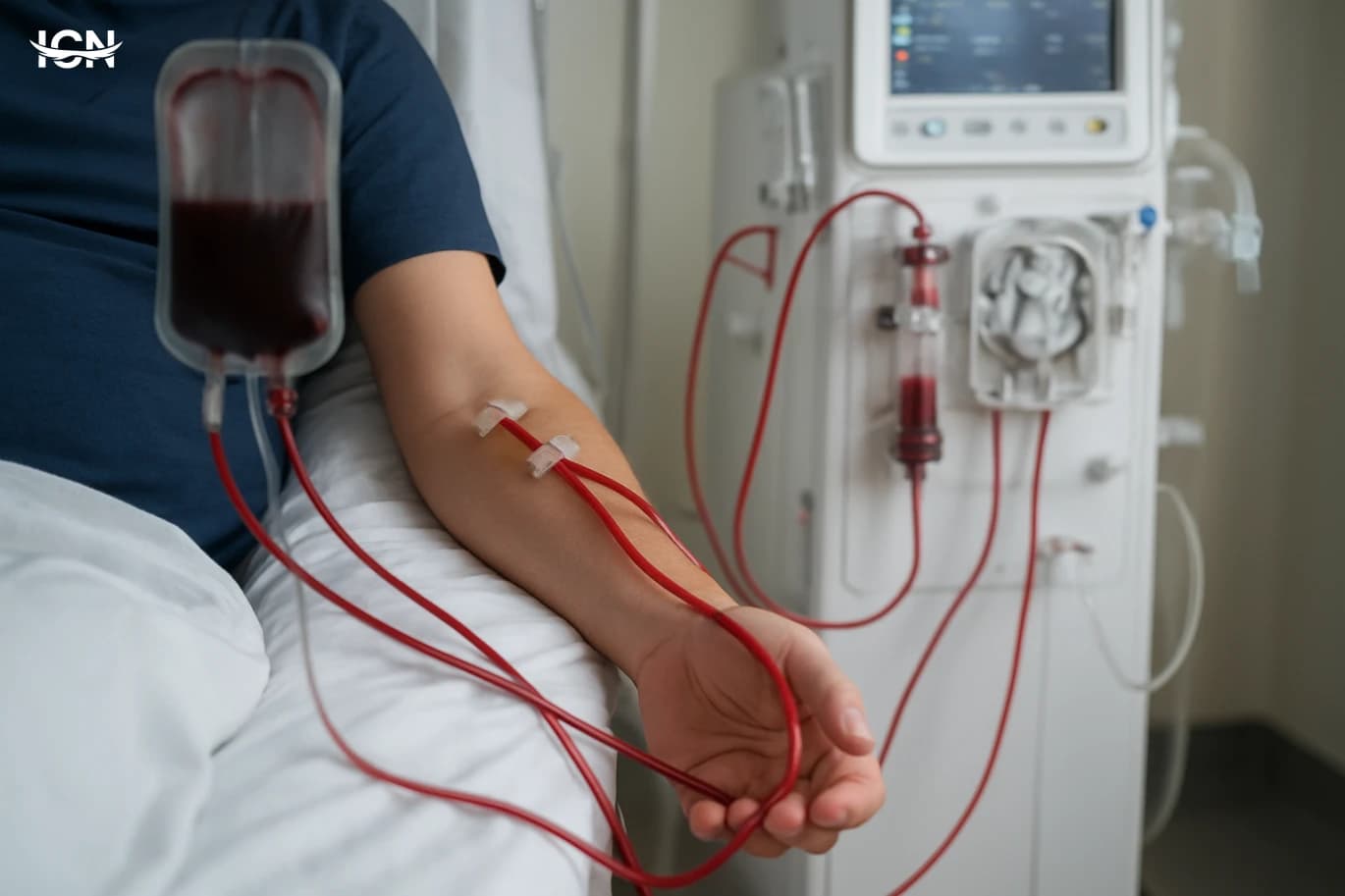
A. General Symptoms Symptoms of E. coli infection usually appear shortly after exposure. The main symptoms include diarrhea, which may be bloody in some cases, as well as abdominal pain and cramps. Patients also experience nausea, vomiting, and loss of appetite, which makes the condition more difficult. In certain cases, these symptoms can last for three to seven days. for. Possible complications While most cases are mild, some sufferers may experience serious complications. Among these complications is hemolytic uremic syndrome (HUS), which may lead to kidney failure. Individuals with severe or long-term symptoms should seek medical attention without delay.
Ways to prevent E. coli bacteria
A. Sanitary measures To reduce the risk of infection with E. coli bacteria, it is important to follow effective sanitary measures. Individuals should wash their hands well with soap and water, especially after using the toilet and when handling food. It is also preferable to avoid touching the face with unclean hands to maintain personal hygiene. for. Nutritional measures Dietary measures are among the basic steps for prevention. Meat, especially ground meat, should be well cooked, as it can contain E. coli bacteria. It is also necessary to wash vegetables and fruits well before eating them. Individuals should avoid consuming contaminated food or unclean water to maintain their health.
Treating E. coli infection
A. Drug treatments Treatment of E. coli infection depends on the severity of symptoms. In mild cases, the patient may not need medication, as it usually recovers on its own. However, there are antibacterial medications that can be effective in more severe cases, but they should be used with caution to avoid antibiotic resistance. for. Preventive measures after treatment After treatment, it is necessary to follow some preventive measures to protect the individual and others. Symptoms should be monitored periodically and medical visits should be made to ensure complete recovery. Individuals should also adhere to good personal hygiene and avoid eating contaminated foods to ensure that bacteria do not re-spread.