Diverticulosis
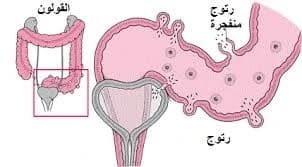
- Causes and features of diverticulosis
- Symptoms of diverticulosis
- Diagnosis and necessary tests
- Methods of treatment and management of the disease
- Prevention of diverticulosis
Causes and features of diverticulosis
A. Contributing factors Diverticulosis is a common condition that affects the intestines, and several factors may contribute to its development. The most prominent of these are nutritional factors such as a lack of fiber in the diet, which may lead to increased pressure in the intestine and the formation of diverticula. Aging is also an important factor in increasing the risk of developing the disease, as the intestinal walls weaken over time. for. Risk factors Risk factors associated with diverticulosis include a family history of diverticulosis, obesity, and lack of physical activity. People who eat a diet poor in fiber are more likely to develop this condition. Awareness of these factors should be a key component of prevention and treatment strategies.
Symptoms of diverticulosis
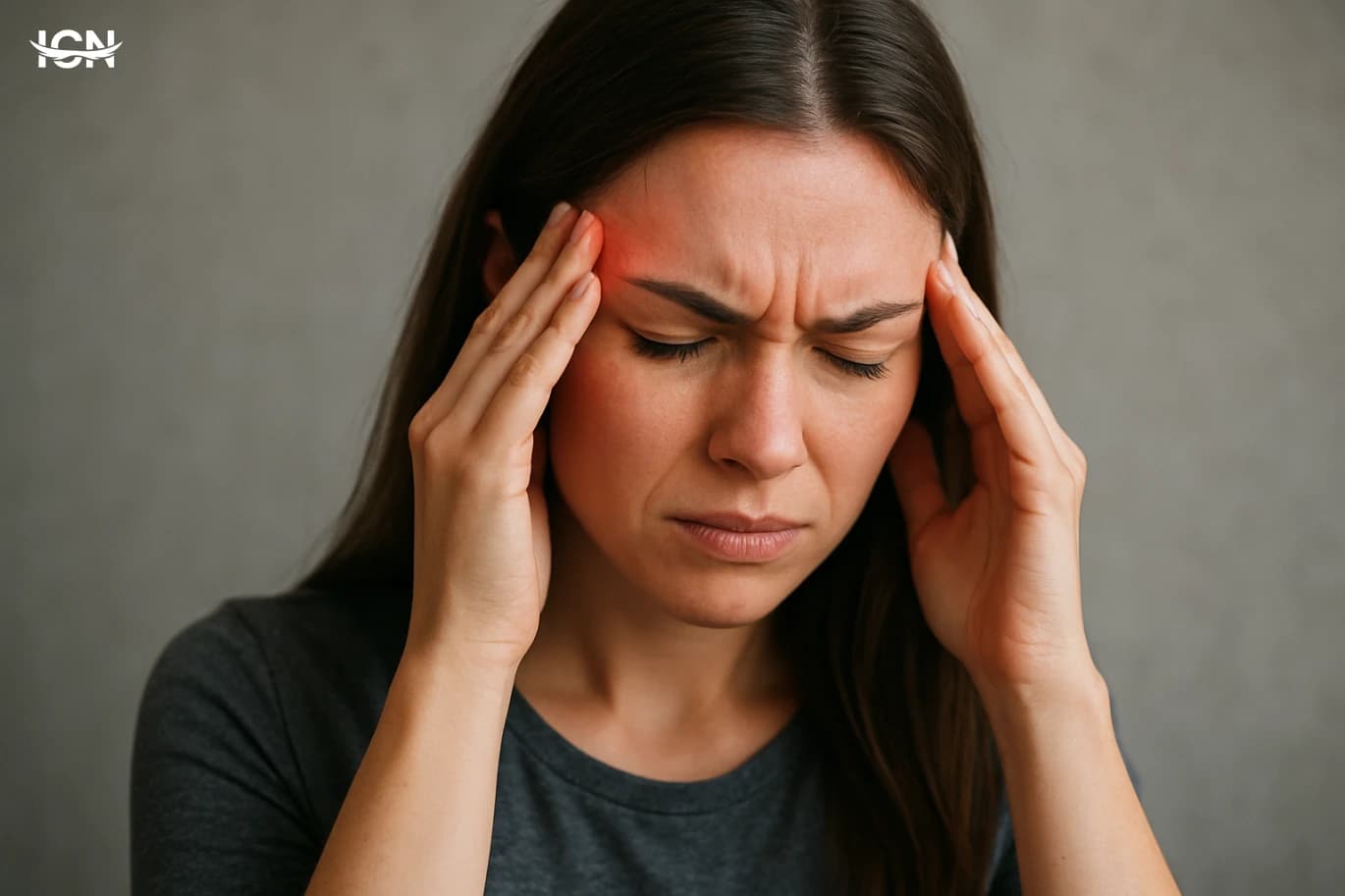
A. Common Symptoms Symptoms of diverticulosis can appear unnoticeable at first, including pain in the lower abdomen, abdominal bloating, and changes in bowel habits such as diarrhea or constipation. Patients may also experience a general feeling of discomfort. for. Symptoms that require medical attention: If more severe symptoms appear, such as fever, increasing severe pain, or bleeding from the rectum, it is necessary to consult a specialist doctor. These symptoms may indicate serious complications such as diverticulitis or intestinal obstruction, which require immediate medical intervention.
Diagnosis and necessary tests
A. Medical examinations Medical examinations include evaluating the patient's medical history and symptoms. The doctor will perform a physical examination to look for the characteristic clinical signs of diverticulosis. for. Imaging methods A combination of imaging methods such as X-ray, CT scan or ultrasound may be used to confirm the diagnosis. These tests help determine the extent of the disease and look for any possible complications. This accurate diagnosis enhances the effectiveness of treatment and ensures that the condition does not worsen.
Methods of treatment and management of the disease
A. Drug therapy Drug therapy consists of the use of antibacterial drugs to reduce inflammation and treat possible infections. These medications help control symptoms and relieve pain, enhancing the patient's quality of life. for. Surgical treatments In some cases, surgical intervention may be required to remove diverticula or treat resulting complications. It depends on the severity of the condition and how much it affects the patient's health. Surgery is an effective option for patients with severe complications, as it helps reduce the risk of recurrence and promotes rapid recovery.
Prevention of diverticulosis
A. Correct lifestyle A healthy lifestyle is one of the most important factors in preventing diverticulosis. Individuals should engage in regular physical activity and avoid smoking, as this helps promote colon health and reduces the risk of developing the disease. for. Proper nutrition Proper nutrition contributes to the effective prevention of diverticulosis. You should eat adequate amounts of fiber found in fruits, vegetables, and whole grains, which helps improve bowel movement and reduce pressure on the colon. Adherence to a balanced diet plays a crucial role in maintaining overall health and preventing digestive diseases.