App Logo

Download Our App

Shop your way

logologo
Image

Digital media design

07/23/2025By: ICN
Digital media design

the introduction

The concept of digital media design digital media: is the process of creating and developing digital content that attracts and affects the audience. This includes the use of elements such as pictures, video, and sound to build overwhelming experiences. The importance of digital media design The digital media design plays a vital role in the success of modern works. It enhances effective communication and helps in communicating messages clearly. In addition, the excellent user experience contributes to building customer loyalty and increasing interaction. By exploiting modern technologies and effective participation through digital platforms, companies can achieve better results and increase the appearance of the market.

التاريخ والتطور

The development of digital media through the ages has seen digital media a great development since the appearance of the Internet. Initially, the content was based only on text, but with technology progress, images and video became an essential part of the digital experience. Increased use of smartphones and tablets contributed to changing how to access the content, giving new opportunities for designers. The most important stations in the history of digital media design among the important stations, launching the interactive user interfaces design, which changed the way users interact with the content. The emergence of social media platforms has increased the importance of visual design, and has become an essential necessity for effective communication with the public.

The foundations of digital media design

The principles of user interface design requires user interface design to pay attention to the two relationships between the user and the interface, which require the simplicity of use and easy access to information. The interface designs should be intuitive to enhance the rapid understanding and teach users to do so. Colors and lines should also be used to attract user attention. The importance of user experience in digital media design is a decisive factor in digital media, as it plays a central role in attracting and retaining users. Promoting the user experience can contribute to increasing the reaction and it is preferable to re -visit the platforms. Speed, response, and ease of movement are essential elements to ensure a distinct user experience.

Types of digital media

Web site design is one of the most important types of digital media, as it depends on meeting the needs of users through easy -to -use facades and attractive content. The sites should be responsive, so that they adapt to various screens and sizes of devices. Designers should always seek to improve the user experience with a clear and visual design. Smart phone applications and tablets are smartphones and tablets applications are an effective way to access users anytime and anywhere. Its design process requires a deep understanding of user expectations and needs. It is important that the applications are innovative and fast to provide a smooth experience, which enhances user interaction and increases the chances of frequent use.

Digital media design tools

Famous design programs provide famous design programs such as Adobe Photoshop and Illustrator strong tools for designers to achieve their creative visions. These programs allow them to integrate different elements and design complex graphs. In addition, it provides ease of use, which enhances access to them by various users, whether professionals or beginners. Innovative and future design tools witness the design tools continuously, with artificial intelligence techniques and augmented reality, allowing designers a more dynamic experience. These tools pave the way for new innovations and help improve the quality of designs, which makes them preferred for creators who seek to be at the forefront of the digital media industry.
* All articles published on this blog are sourced from various websites and are provided for informational purposes only. They should not be considered as confirmed studies or accurate information. Please verify the information independently before relying on it.

Similar ARTICLES

Weekend Micro Museum at Home
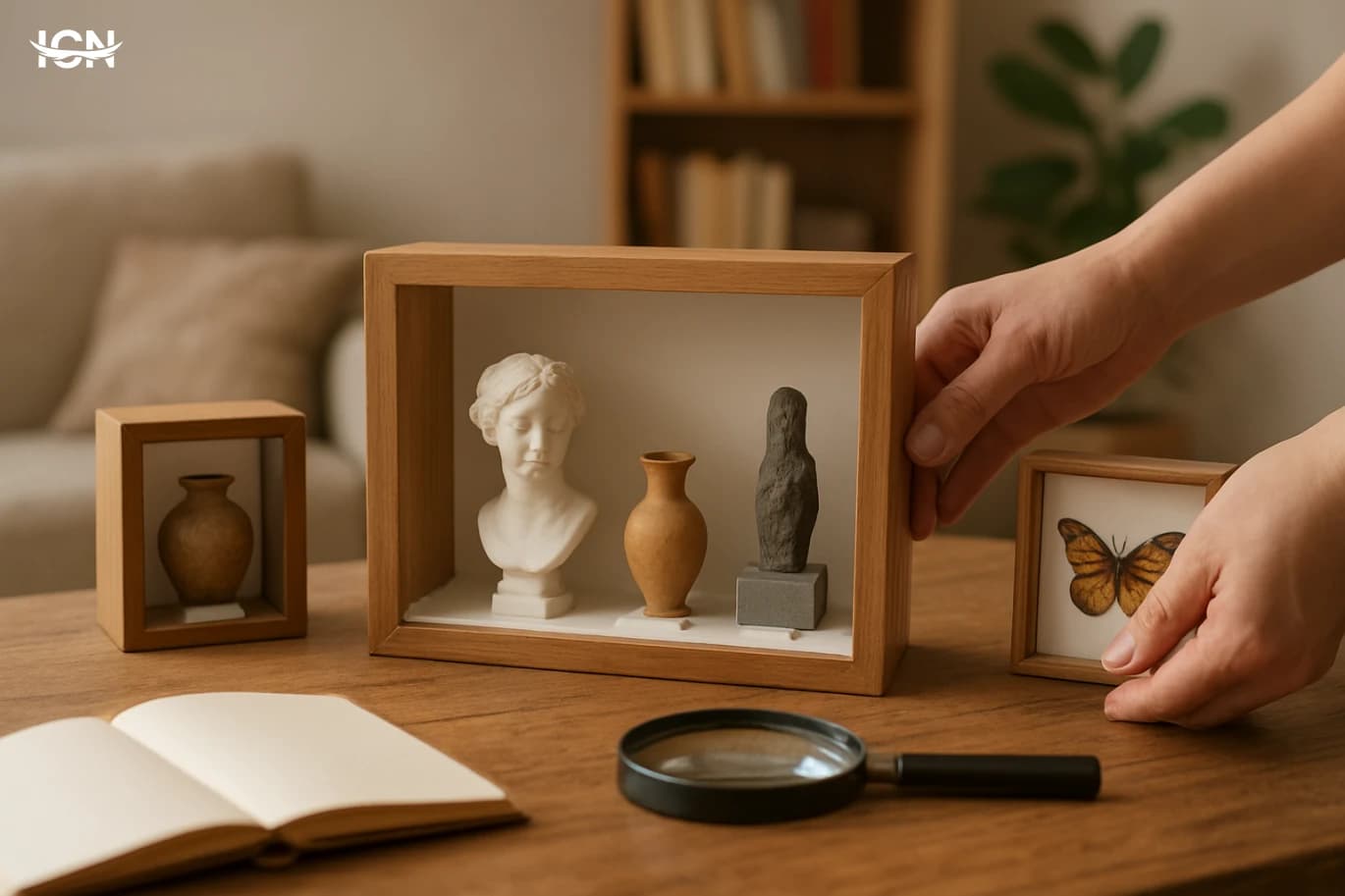
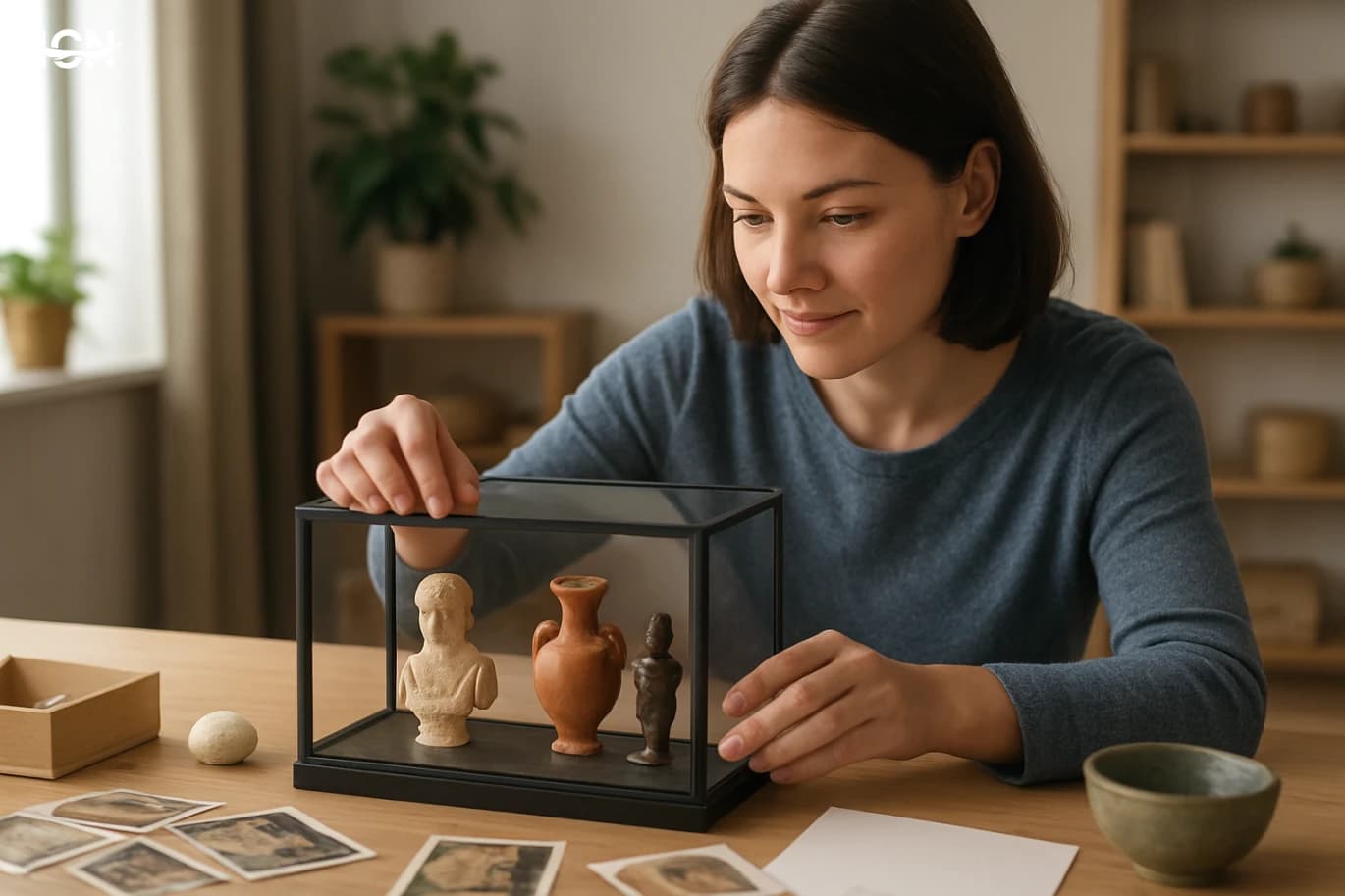
A micro museum is a compact, curated display you build at home to tell a clear story with everyday objects. It is not a storage shelf and not a random collection; it is a small exhibition with a theme, labels, and a simple visitor path. The goal is to turn familiar items into a structured experience that feels intentional and easy to explore in five to ten minutes. This project works well for apartments and shared spaces because it can fit on a tray, a bookshelf bay, or a single wall ledge. The theme is what makes it engaging. Instead of “things I own,” choose a topic with boundaries: “tools that shaped my work,” “objects from one neighborhood,” “packaging design from one decade,” or “materials that changed over time.” A good theme has a time frame, a place, or a function. You can build it solo, with roommates, or as a family activity where each person contributes one object and one short story. The result is a creative project that produces a finished artifact: a mini exhibition you can update monthly or rebuild for guests.
Build a Neighborhood Seed Library
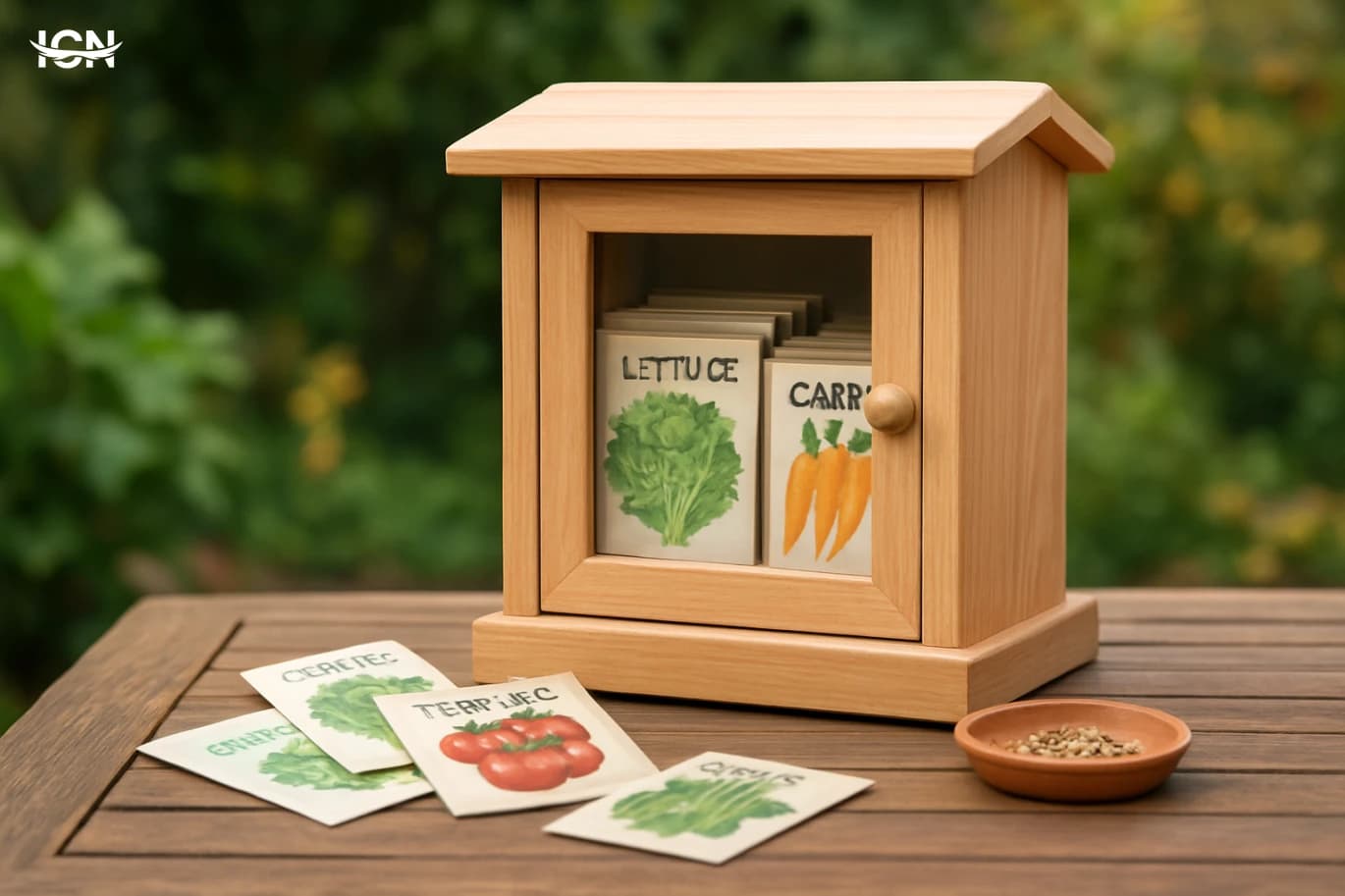
A neighborhood seed library is a simple, low-cost project that helps people grow food and flowers while sharing knowledge. The concept is straightforward: residents “borrow” small packets of seeds, grow them, then return saved seeds at the end of the season so the collection stays alive. It fits community centers, apartment lobbies, schools, cafés, and even a sheltered box near a building entrance. This project is engaging because it combines a tangible object (seeds) with a clear cycle of participation. It also supports practical goals: reducing waste from unused seed packets, encouraging balcony and backyard gardening, and improving local plant diversity when managed carefully. For a creative community project, it offers visible progress within weeks, and it naturally generates stories, photos, and tips that keep people involved.
Build a Community Story Map Wall
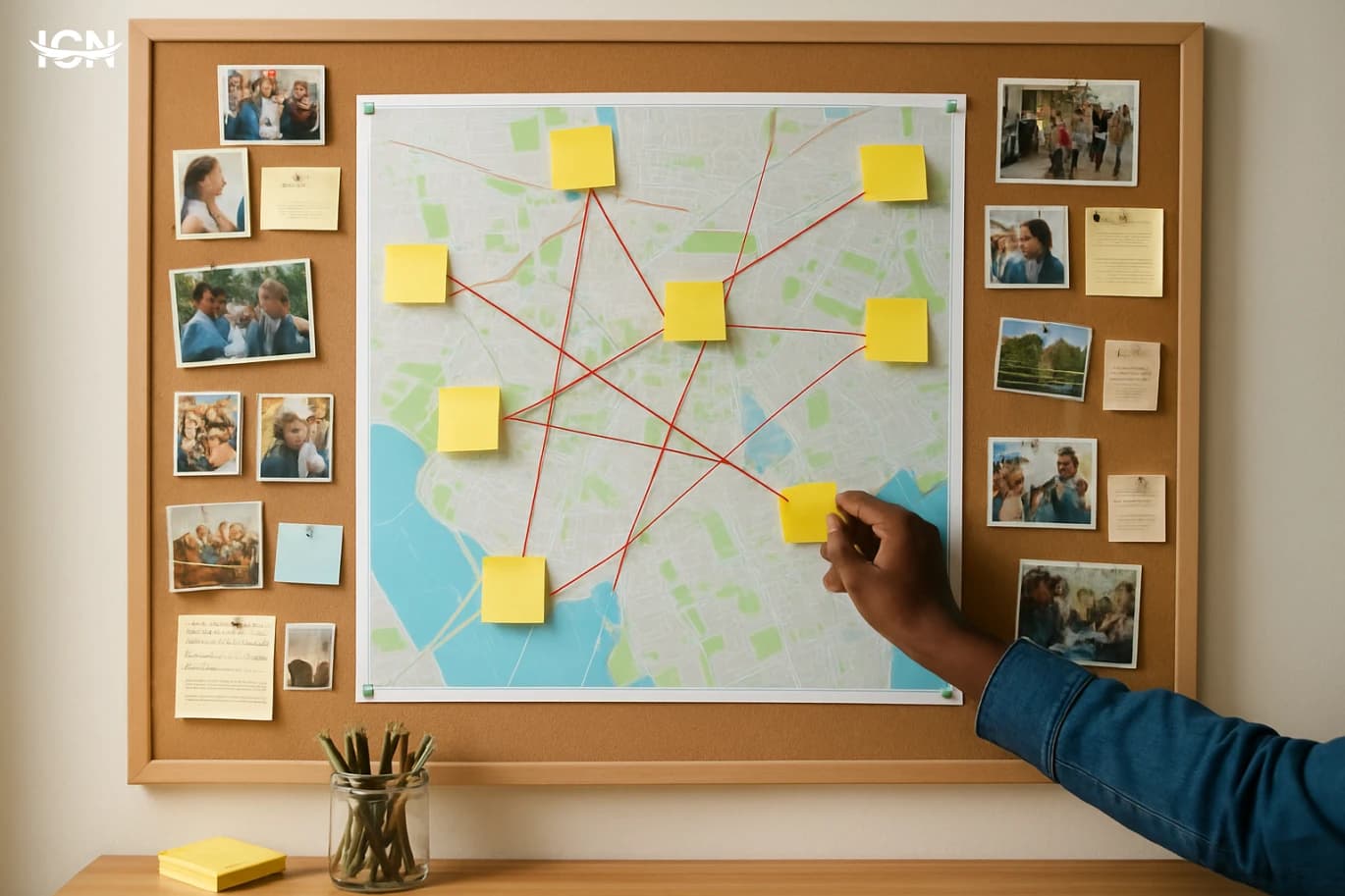
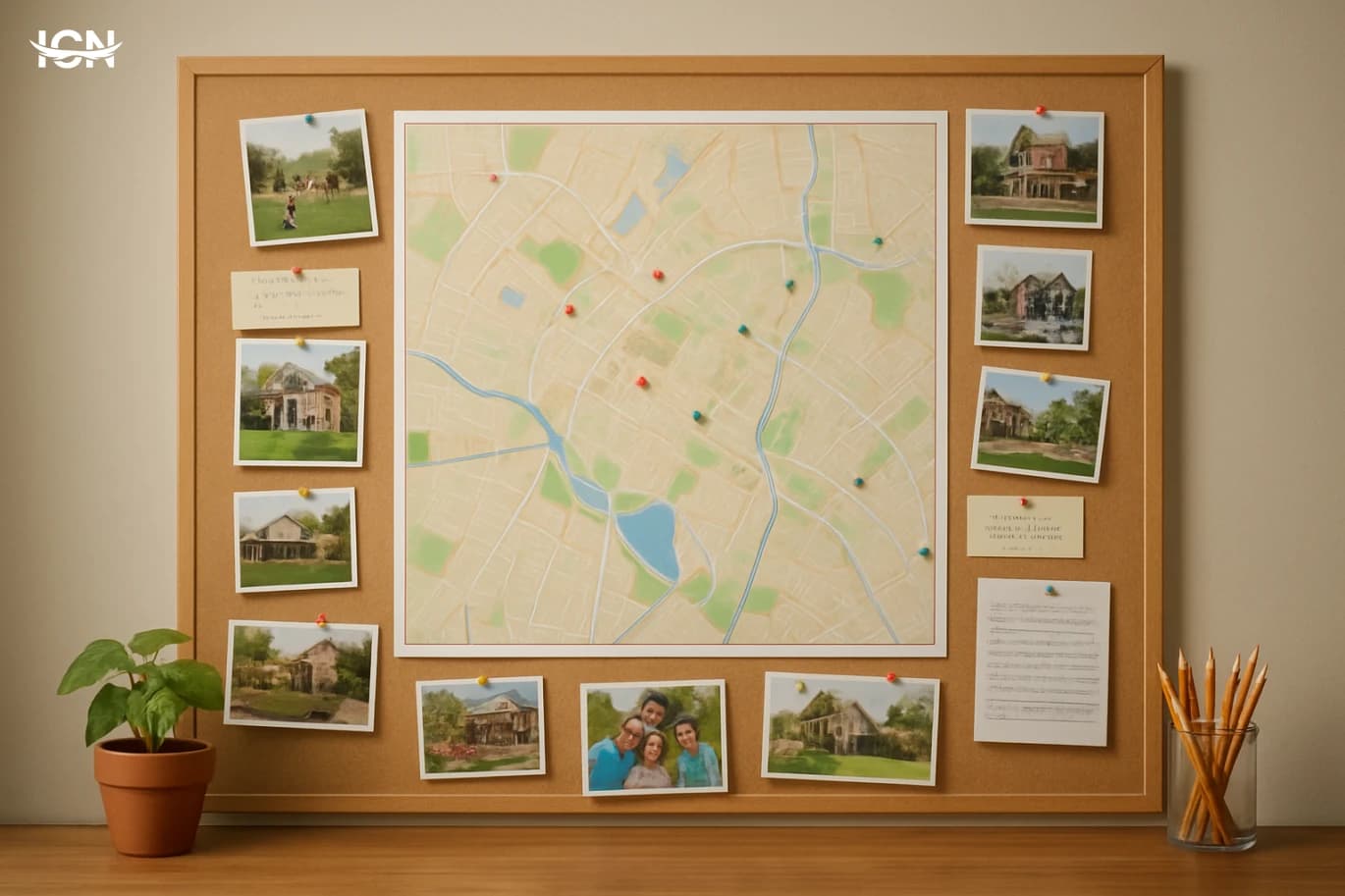
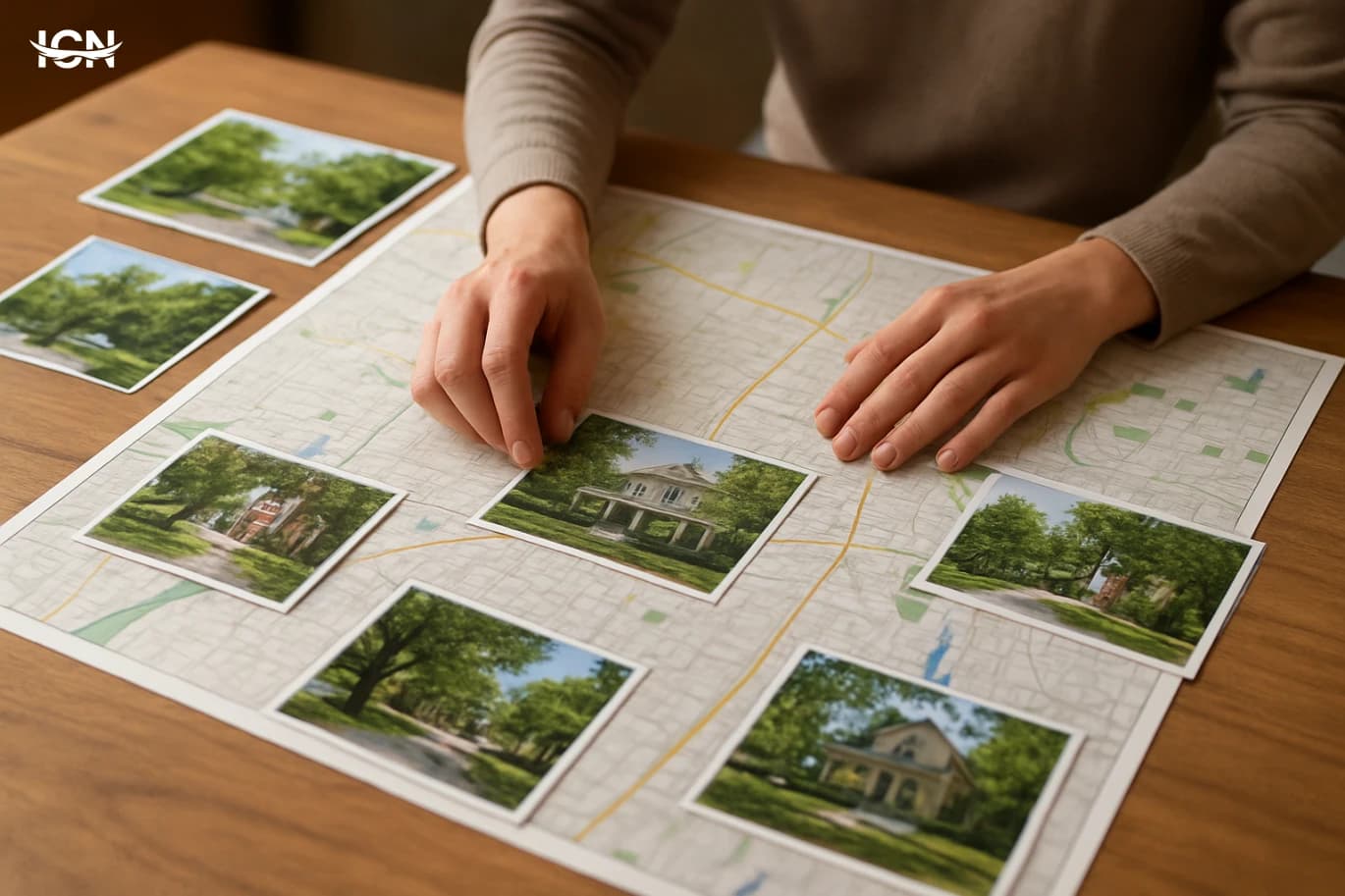
A Community Story Map Wall is a hands-on creative project that turns a blank wall, corkboard, or large foam board into a living map of your neighborhood’s memories and everyday life. The concept is simple: place a printed map at the center, then invite people to add short stories, photos, sketches, and small artifacts that connect to specific locations. Each contribution is pinned or taped with a line or sticker pointing to the exact spot on the map. Over time, the wall becomes a visual archive that mixes geography with personal experience, making local history feel immediate and practical. This topic works well for schools, libraries, coworking spaces, community centers, and even apartment lobbies because it is low-cost, highly participatory, and easy to maintain. It also creates a reason for people to talk to each other in a structured way: they are not debating big issues, they are sharing concrete details like “the bakery that used to be here,” “the tree we planted,” or “the shortcut to the bus stop.” The end result is a creative display that can be updated weekly and used as a centerpiece for other small projects like photo walks, oral-history afternoons, or local business spotlights.
Community Photo Walk Zine Project
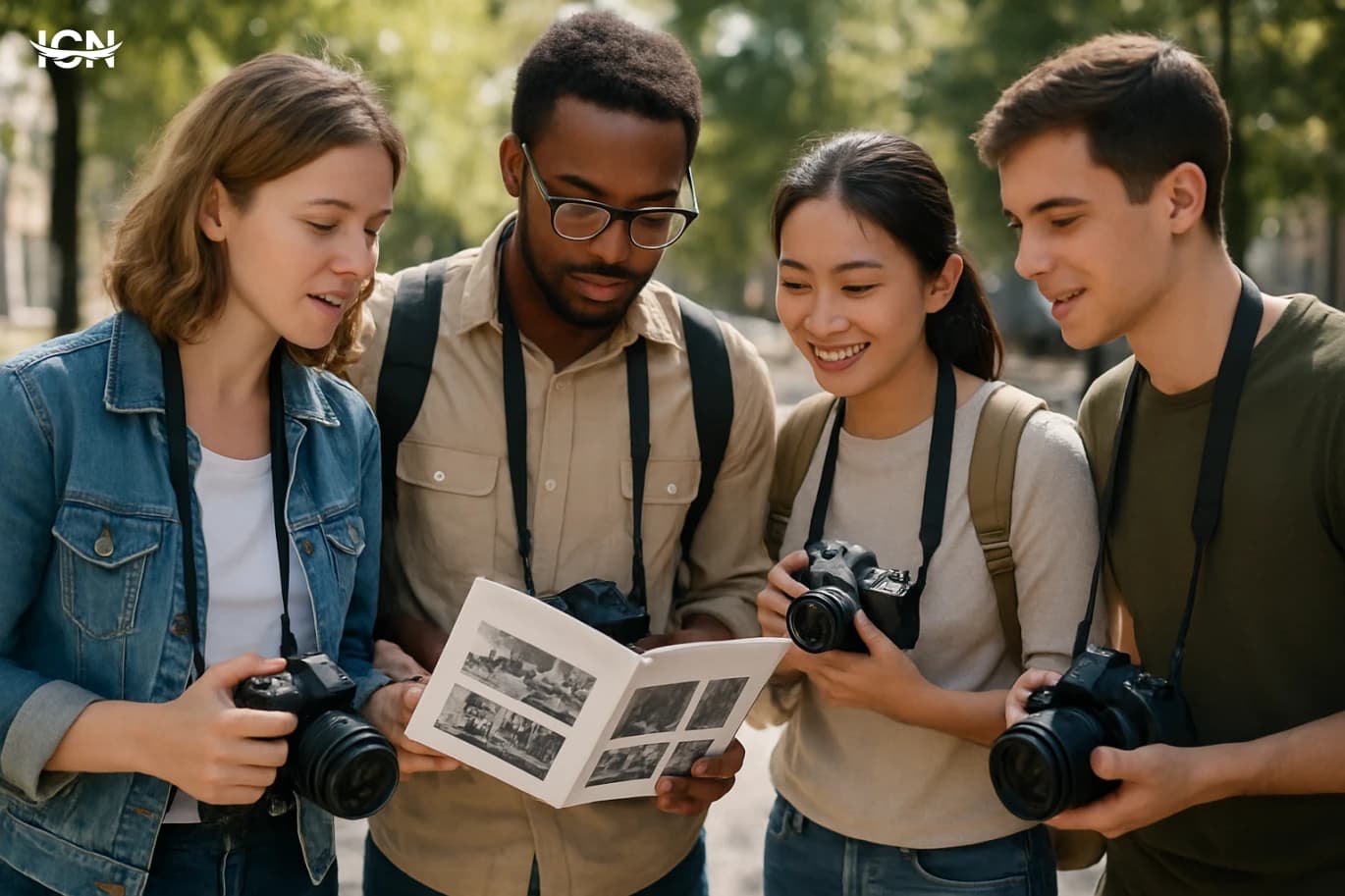
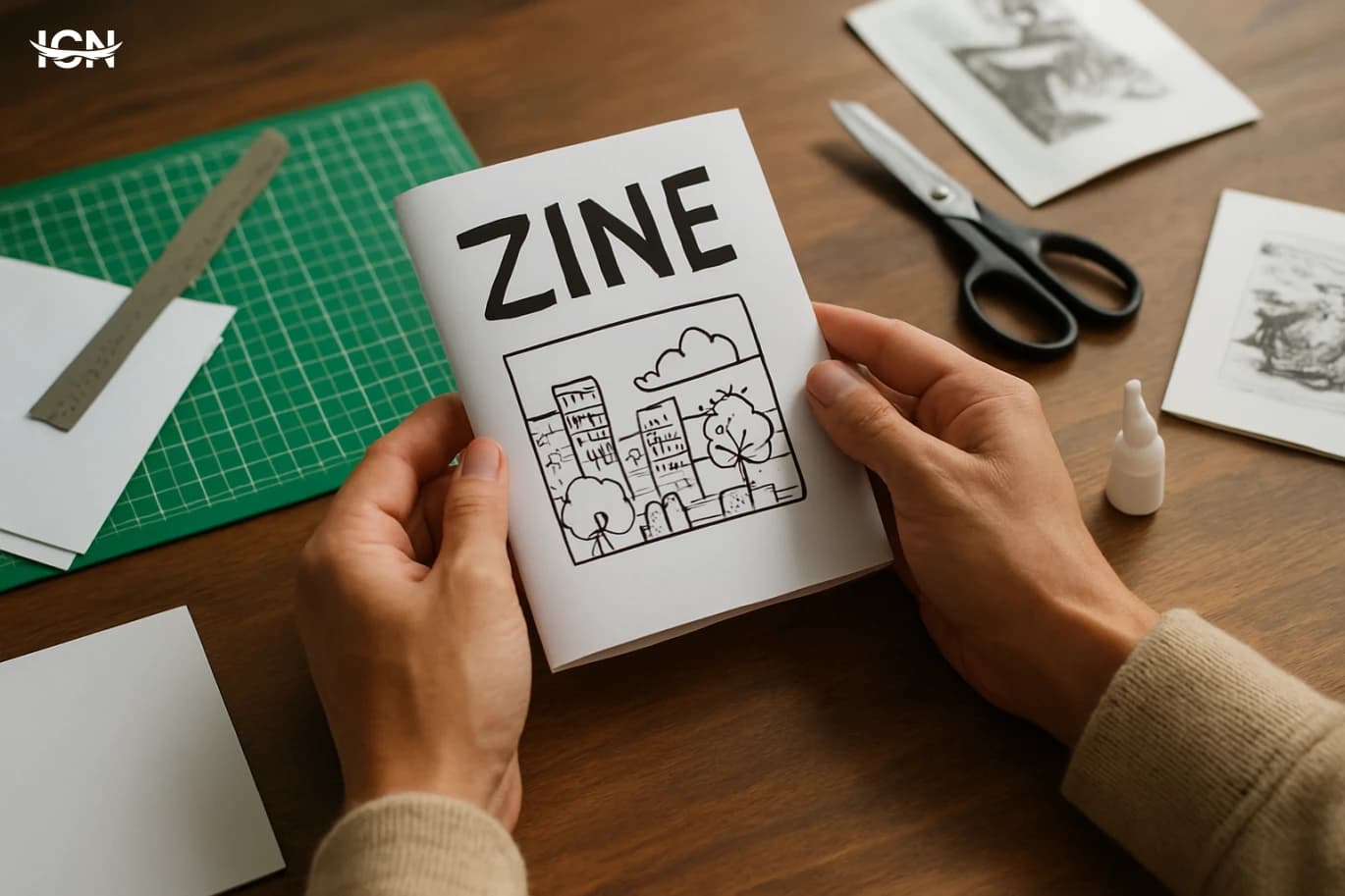
This project turns a simple weekend photo walk into a small printed zine that documents your neighborhood through many eyes. The goal is not professional photography; it is a practical creative exercise that helps people notice details, share perspectives, and produce a finished object in one to two weeks. The format is intentionally lightweight: a 12–24 page booklet, printed at home or at a local print shop, then shared in a small distribution run. The creative value comes from constraints. Participants shoot within a defined area and time window, follow a short prompt list, and submit a limited set of images. The editorial team then curates, sequences, and adds short captions. The result is a tangible artifact that feels more meaningful than a social media album because it has an editorial point of view, a beginning and end, and a clear record of place and time. You can run it with friends, coworkers, students, or neighbors. It works for 6–20 contributors, but it can scale if you add a clear submission process. The zine can be sold at cost, given away, or exchanged for another zine, making it a repeatable creative project rather than a one-off event.
Weekend Micro Studio for Product Photos
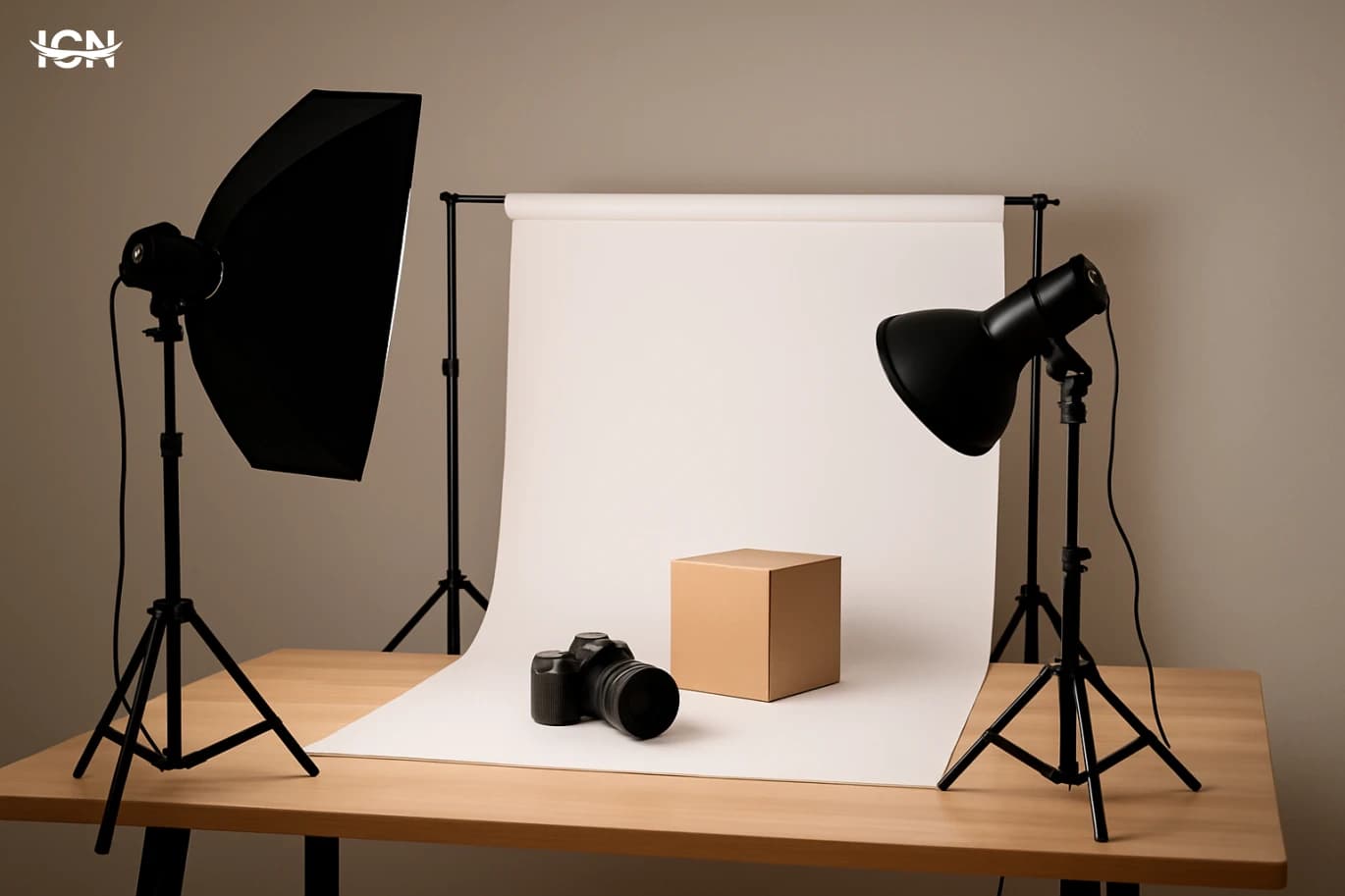
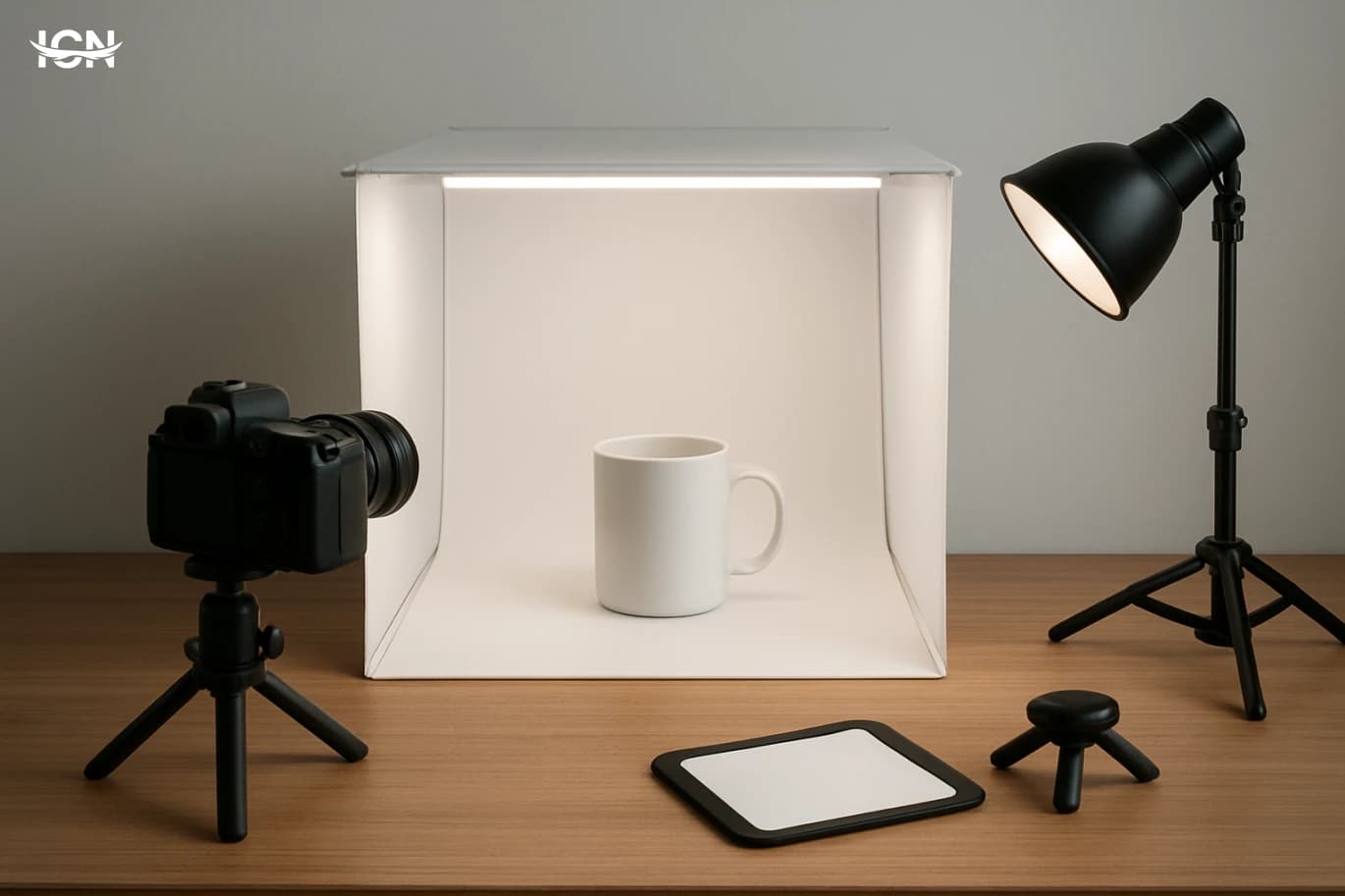
This project is about building a compact, repeatable “micro studio” at home for clean product photos you can use for a small shop, a portfolio, or social posts. The goal is not expensive gear; it is consistency: the same lighting, the same background, and the same camera position so your images look like a set. In one weekend you can create a setup that folds away into a closet, then rebuilds in minutes. The creative angle is designing a modular scene system. Instead of one fixed backdrop, you will prepare three interchangeable looks: a neutral white, a warm lifestyle surface, and a bold color block. With these options you can photograph handmade items, stationery, cosmetics containers, kitchen tools, or tech accessories without changing the entire setup. The result is a practical creative project that improves visual quality while teaching you basic lighting control and styling discipline.
Neighborhood Sound Postcards Project
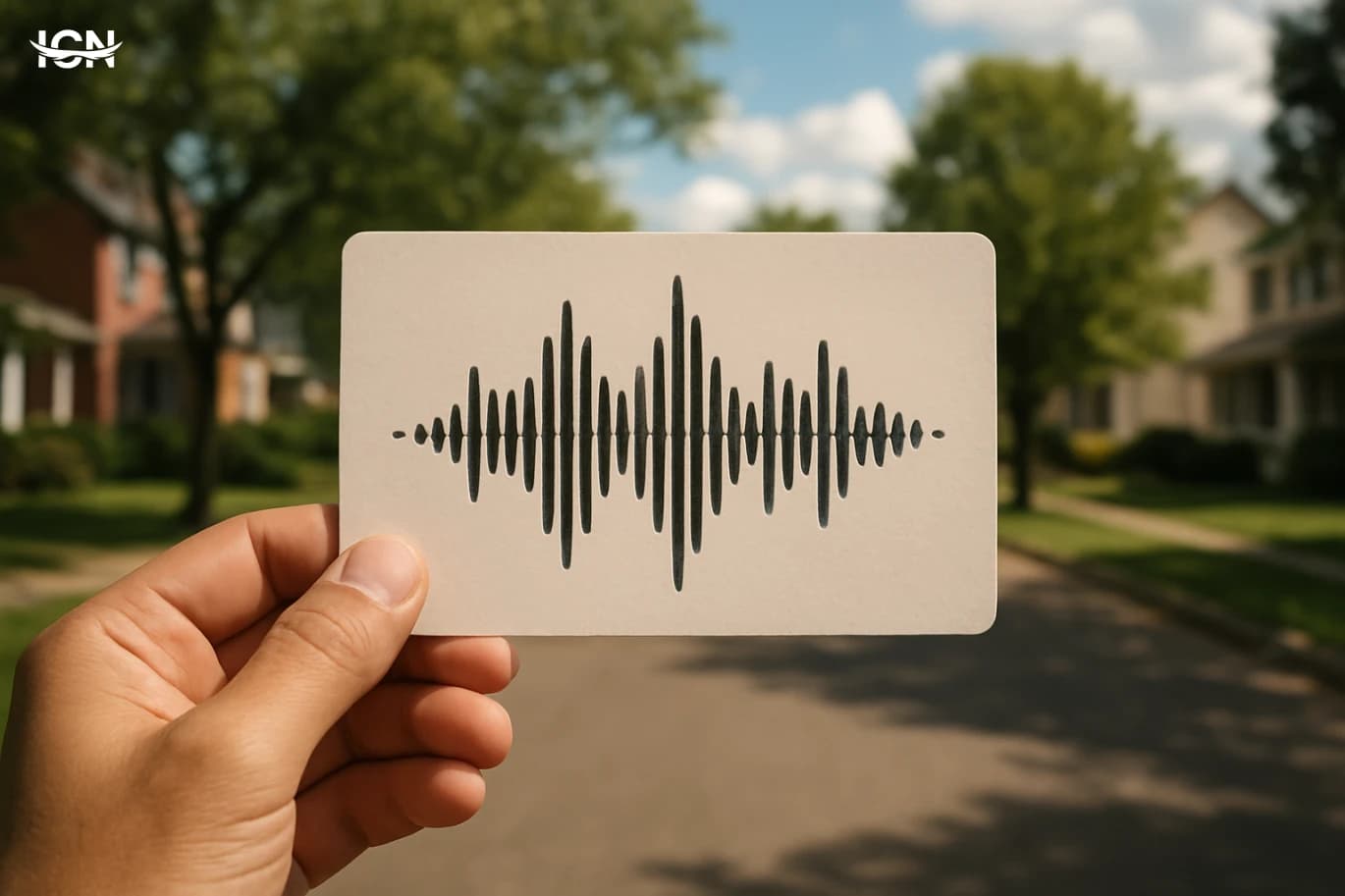
This project turns everyday sounds from your neighborhood into a set of “sound postcards” you can share as a small digital collection. Each postcard pairs a short audio clip (15–45 seconds) with a simple photo and a few lines of context: where it was recorded, what time of day, and why it matters. The result is a creative, low-cost project that feels personal without being private, and it works for individuals, families, classrooms, or community groups. The goal is not to chase perfect audio quality. It is to capture recognizable moments that define a place: a bakery door chime, a bus stop announcement, a park fountain, a weekly market setup, or the quiet hum of a library. Over time, the collection becomes a practical portrait of local life that can be revisited, updated seasonally, or used as inspiration for writing, design, and storytelling exercises.
A Weekend Zine Project for Your Neighborhood
A neighborhood zine is a small, self-published magazine that captures local stories, practical tips, and everyday creativity. It works because it is specific: one area, a handful of pages, and a clear purpose. Unlike a social feed that disappears quickly, a printed or downloadable zine can be shared at cafés, libraries, community centers, and local shops, giving it a longer life and a more focused audience. This project is also realistic for a weekend because it relies on short formats: mini-interviews, photo captions, short lists, and simple illustrations. You do not need professional equipment. A phone camera, a free layout tool, and a basic printer are enough. The result is a tangible creative product that strengthens local connections while giving you a repeatable template for future issues.
Weekend Micro Museum at Home
A micro museum is a compact, curated display that tells a clear story using everyday objects you already own. Unlike a random shelf of souvenirs, it has a theme, a selection rule, and short labels that explain why each item matters. The goal is not to show expensive collectibles, but to practice curation: choosing, organizing, and presenting objects so they communicate an idea. In one weekend, you can build a micro museum that fits on a tray, a bookcase shelf, or a small wall area. This project works well for apartments and shared homes because it is modular and reversible. You can keep it temporary for a month, rotate it seasonally, or rebuild it around a new theme. It also creates a practical reason to sort drawers and storage boxes: you are not “decluttering,” you are selecting exhibits. The result is a small, engaging display that sparks conversation and makes your space feel intentionally designed.
Soft Skills in a Hard Skills World
For years, hiring decisions leaned heavily on professional mastery: degrees, certifications, portfolios, and measurable technical output. Yet many organizations now report that project delays, customer churn, and internal friction often stem from communication gaps, unclear ownership, and weak collaboration rather than lack of expertise. Remote and hybrid work amplified this shift. When teams are distributed, success depends on how clearly people write, how reliably they coordinate, and how quickly they resolve misunderstandings without escalating them. The question is not whether soft skills replaced professional competence, but whether they have become the differentiator once baseline competence is assumed. In many roles, technical skills get you shortlisted, while soft skills decide whether you can operate effectively across functions, handle ambiguity, and sustain performance under changing priorities. This is especially visible in fast-moving environments where requirements evolve weekly and stakeholders expect updates in plain language, not specialist jargon.
Weekend Micro Studio for Product Photos
A simple micro studio can turn inconsistent phone snapshots into a repeatable process that looks professional and saves time. The goal is not expensive gear; it is control. When you control light direction, background, and camera position, you can photograph handmade items, resale listings, or small business inventory with the same clean style every time. That consistency matters for online shops and social feeds because it reduces visual noise and helps people focus on the product details. This project is designed for a weekend because it relies on household materials and a few low-cost additions. You will build a compact setup that fits on a table, stores in a closet, and can be reassembled in minutes. You will also create a basic workflow: a shot list, a naming system for files, and a quick editing routine. By the end, you should be able to produce a set of images that match in brightness, color, and framing, even if you shoot on different days.
Build a Neighborhood Story Map Wall
A Neighborhood Story Map Wall is a community-made display that combines a simple map with short, personal stories tied to specific places. The goal is to turn everyday streets into a shared archive: a corner store that helped someone during a busy week, a tree where kids used to meet after school, a bench where a neighbor learned a new language from a friend. This is not a historical museum piece and it does not require professional design. It is a practical, low-cost creative project that can be built in a hallway, a library lobby, a café, a community center, or even a building entrance with permission. The wall works because it gives people a clear prompt and a clear format. Each contribution is a small “story card” connected to a spot on the map with a string, sticker, or line. Over time, the display becomes a living portrait of the neighborhood, showing how different residents use the same spaces. It also creates an easy way for newcomers to learn local landmarks and for long-time residents to see familiar places through other perspectives.
Neighborhood Story Map From Everyday Photos
This project turns ordinary photos into a neighborhood story map you can share as a simple web page or a printable booklet. Instead of chasing perfect shots, you collect small, consistent moments: a storefront sign that changes, a tree that blooms, a new bench, a seasonal menu board, a mural in progress, or the same street corner at different times of day. Each photo becomes a “pin” with a short caption that explains what changed and why it matters to daily life. The goal is a creative archive that is specific to one area and one time period, making it more meaningful than a generic travel album. You do not need advanced tools. A phone camera, a notes app, and a free mapping platform are enough. The end result can be a private link for family and friends, a classroom project, or a community showcase at a local library or café. Because the focus is on observation and documentation, it works for any age group and any neighborhood, including small towns and apartment complexes.
Build a Neighborhood Seed Library Box
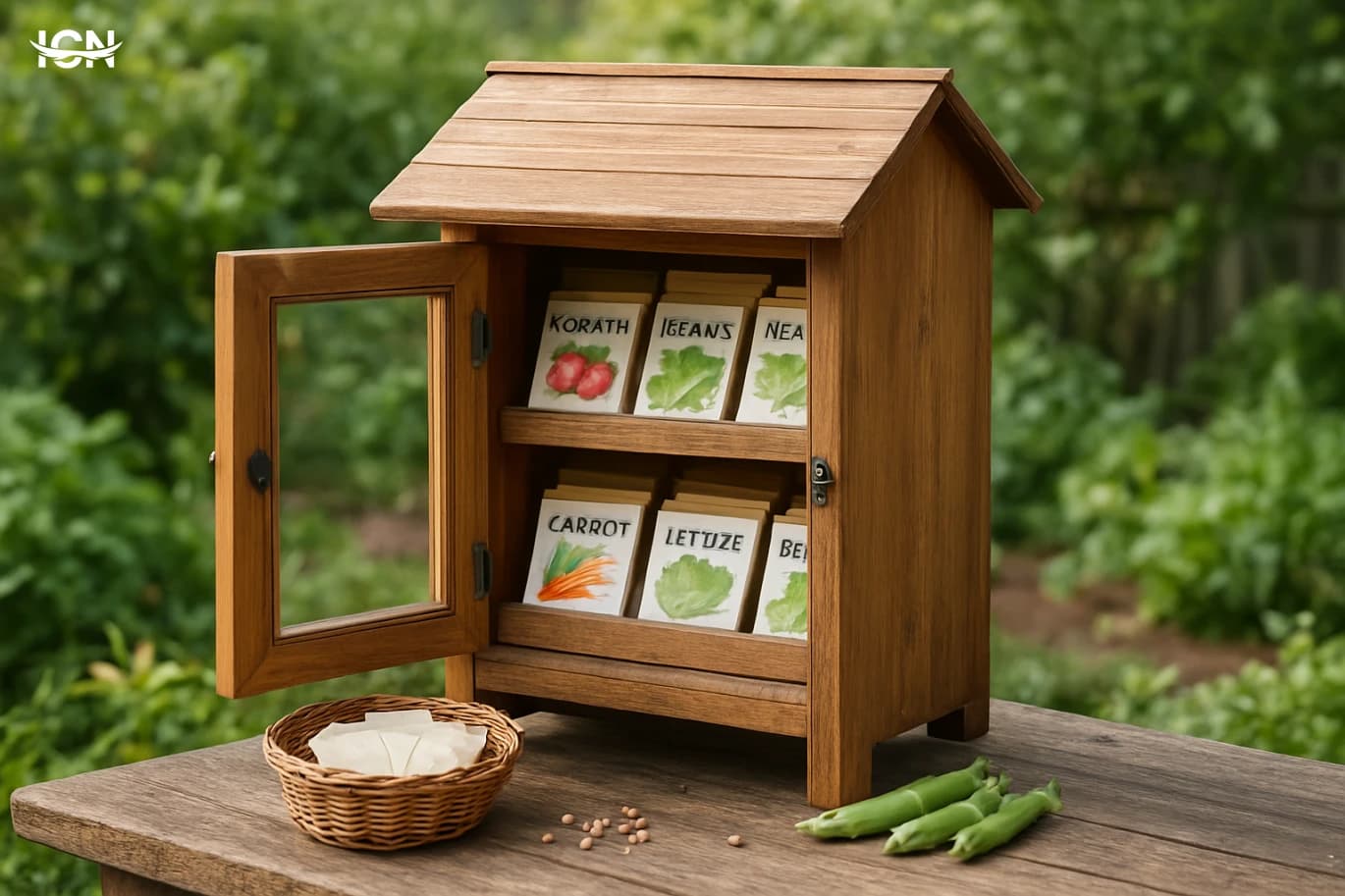
A neighborhood seed library box is a small, weather-resistant box placed in a shared spot where people can take a few seed packets and leave a few in return. It works like a mini lending library, but for seeds, and it can be run with simple rules that fit your area. The goal is practical: help neighbors start small gardens, share locally successful varieties, and reduce waste from half-used packets. Unlike a one-time giveaway, a seed library box creates an ongoing exchange that can be tracked and improved over time. This project is especially engaging because it combines design, community coordination, and hands-on organization. You can keep it low-cost and still make it look professional with clear labels, a simple logbook, and a tidy interior layout. It also scales well: one box can serve a single building, a street, or a small park entrance. The most successful boxes focus on reliability—consistent restocking, clear instructions, and seeds that match the local season—so the exchange stays active instead of turning into a cluttered donation bin.
By clicking the SUBSCRIBE button, you are agreeing to our Privacy & Cookie Policy If you want to unsubsribe the marketing email, please proceed to our privacy center.
© 2005-2026 ICN. All Rights Reserved.