Neighborhood Sound Postcards Project
- What You’re Building
- Tools and Setup
- How to Capture Great Neighborhood Audio
- Designing Each Sound Postcard
- A 10-Postcard Challenge Plan
- Sharing, Credits, and Practical Boundaries
What You’re Building
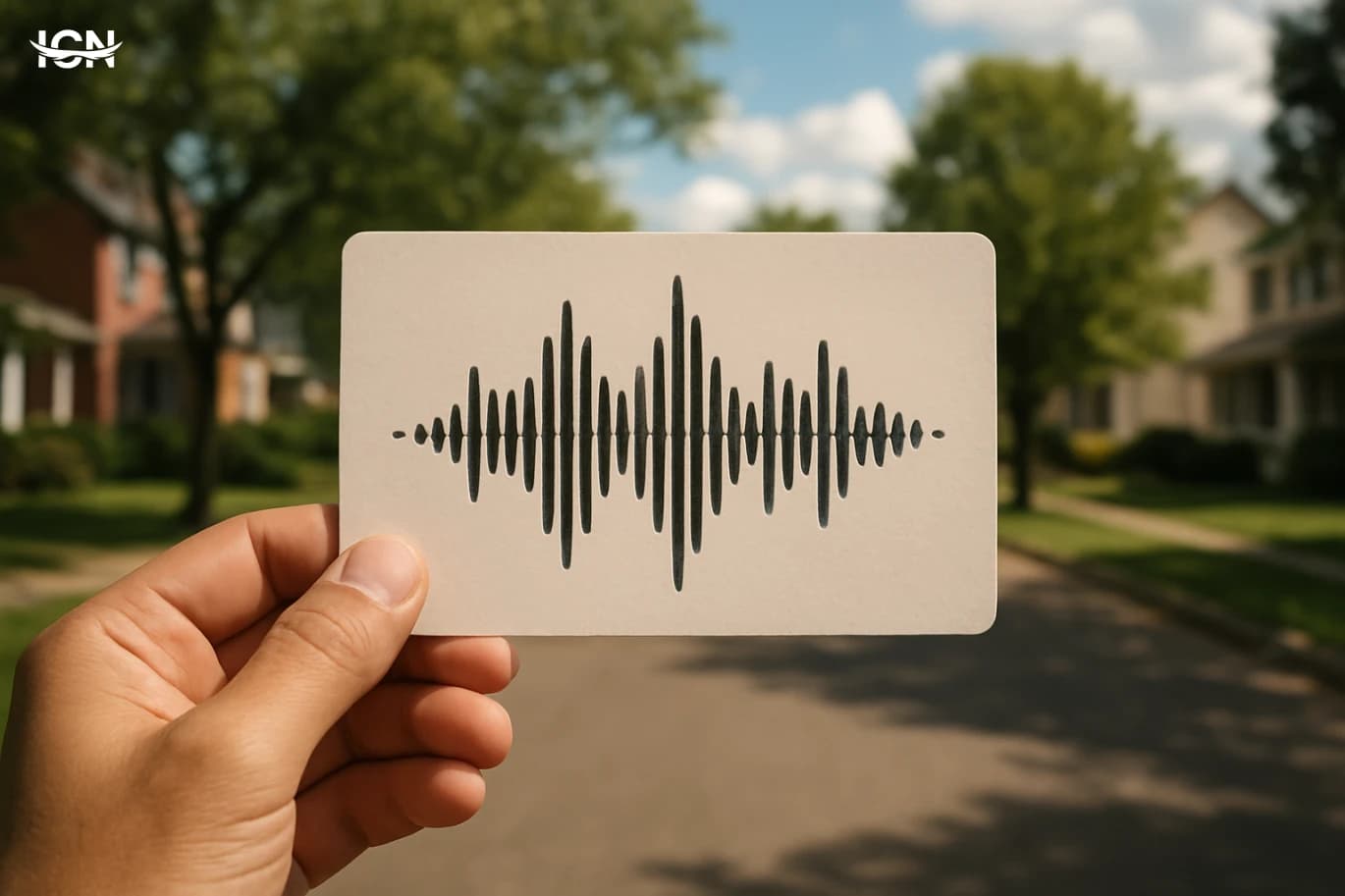
This project turns everyday sounds from your neighborhood into a set of “sound postcards” you can share as a small digital collection. Each postcard pairs a short audio clip (15–45 seconds) with a simple photo and a few lines of context: where it was recorded, what time of day, and why it matters. The result is a creative, low-cost project that feels personal without being private, and it works for individuals, families, classrooms, or community groups. The goal is not to chase perfect audio quality. It is to capture recognizable moments that define a place: a bakery door chime, a bus stop announcement, a park fountain, a weekly market setup, or the quiet hum of a library. Over time, the collection becomes a practical portrait of local life that can be revisited, updated seasonally, or used as inspiration for writing, design, and storytelling exercises.
Tools and Setup
You can do everything with a smartphone and free apps. Use the built-in voice recorder or any audio app that lets you trim clips and export as MP3 or M4A. For photos, the phone camera is enough; avoid faces and identifying details to keep the project focused on places, not people. For organizing, create a folder structure by date or location, and keep a simple spreadsheet with columns for file name, location, time, weather, and a one-sentence note. Set a consistent format before you start: audio length target (for example 30 seconds), naming convention (2026-05-28_bus-stop_morning), and a visual style for images (wide shot, no close-ups). If you plan to publish, choose a platform that supports audio embeds or links, such as a simple blog, a shared drive with a landing page, or a slideshow tool where each slide contains an image and an audio link. The key is repeatability: the easier it is to produce one postcard, the more likely you’ll finish a full set.
How to Capture Great Neighborhood Audio
Start by scouting locations at different times. Many places sound completely different at 7 a.m. versus late afternoon. Record two test clips to learn the noise profile: one close to the sound source and one a few steps back. Keep the phone steady, and avoid rubbing the microphone area with your fingers. If wind is an issue, stand near a wall or use your body as a shield. Aim for a “clean moment” inside the clip: a clear door chime, a full train arrival announcement, a complete crosswalk signal cycle, or a distinct café espresso burst. Record 10–15 seconds longer than you need, then trim. Immediately after recording, speak a short private note into the recorder (or type it) with the location and time so you don’t forget. Finally, listen with headphones before leaving the spot; if the clip is unusable, you can re-record while you are still there.
Designing Each Sound Postcard
Each postcard should be consistent and easy to scan. Use one photo that shows the setting without focusing on individuals: a storefront sign from a distance, a street corner, a park path, or a close-up of an object like a fountain spout. Add a short title that names the sound in plain language, such as “Morning bakery bell” or “Evening park fountain.” Write 60–120 words of context per postcard. Include the location in a general way (for example “near the central library” rather than an exact address), the time of day, and one concrete detail that helps the listener notice something: “Listen for the second chime after the door closes,” or “The announcement echoes under the canopy.” Keep the tone factual and descriptive. If you want a creative twist, add a single line about what the sound signals in daily routines, like “This is the cue that the market is opening.”
A 10-Postcard Challenge Plan
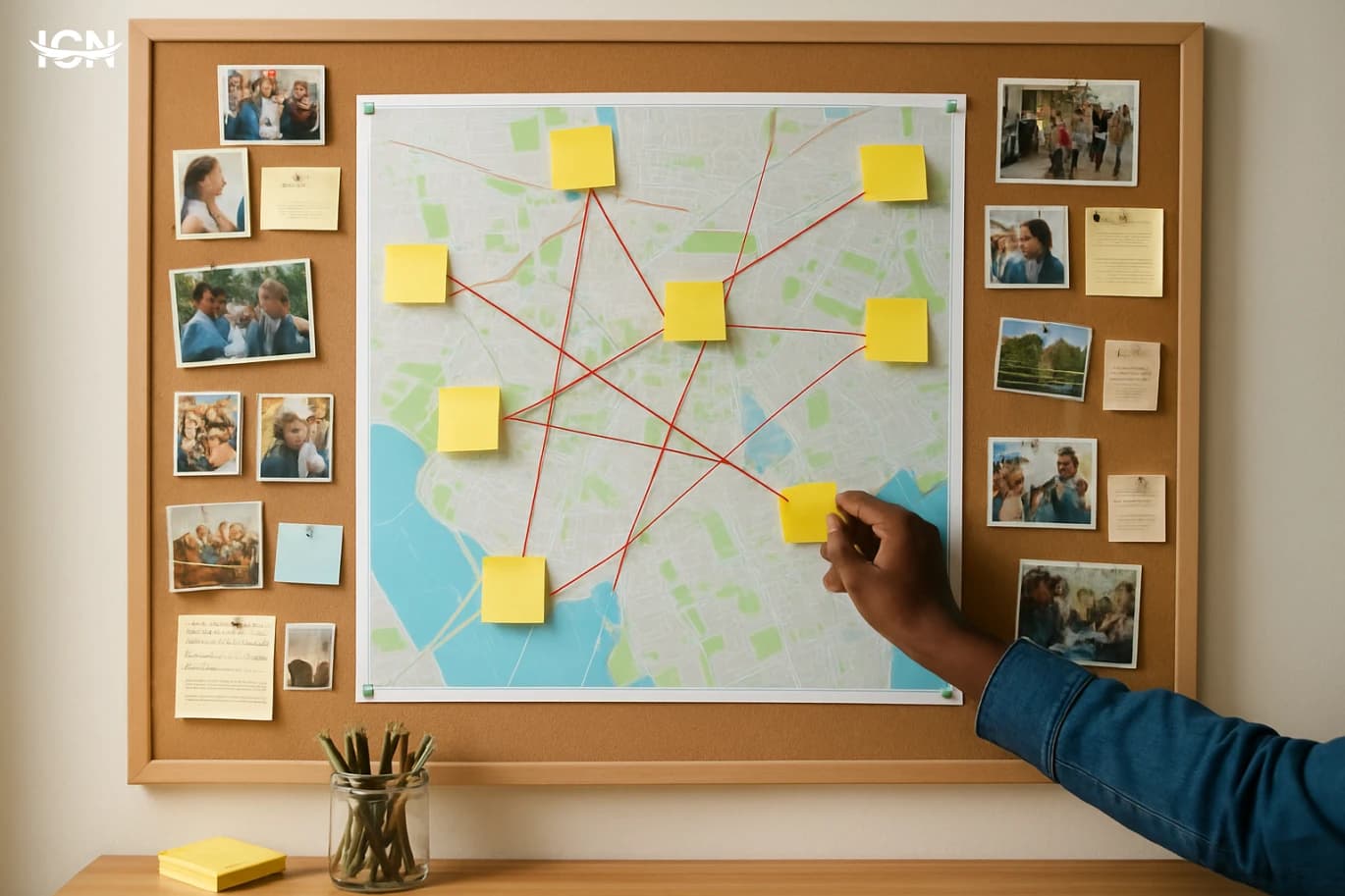
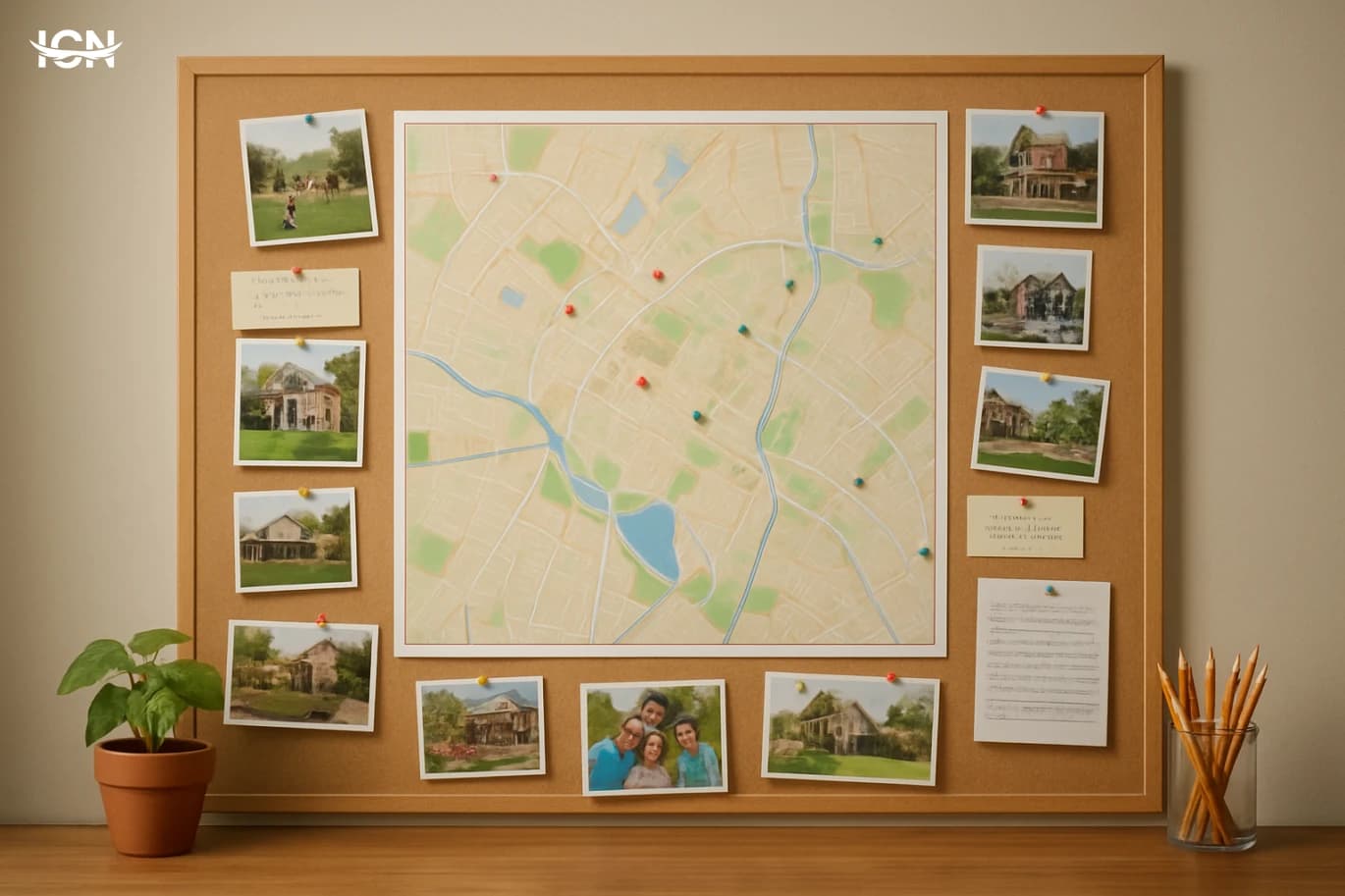
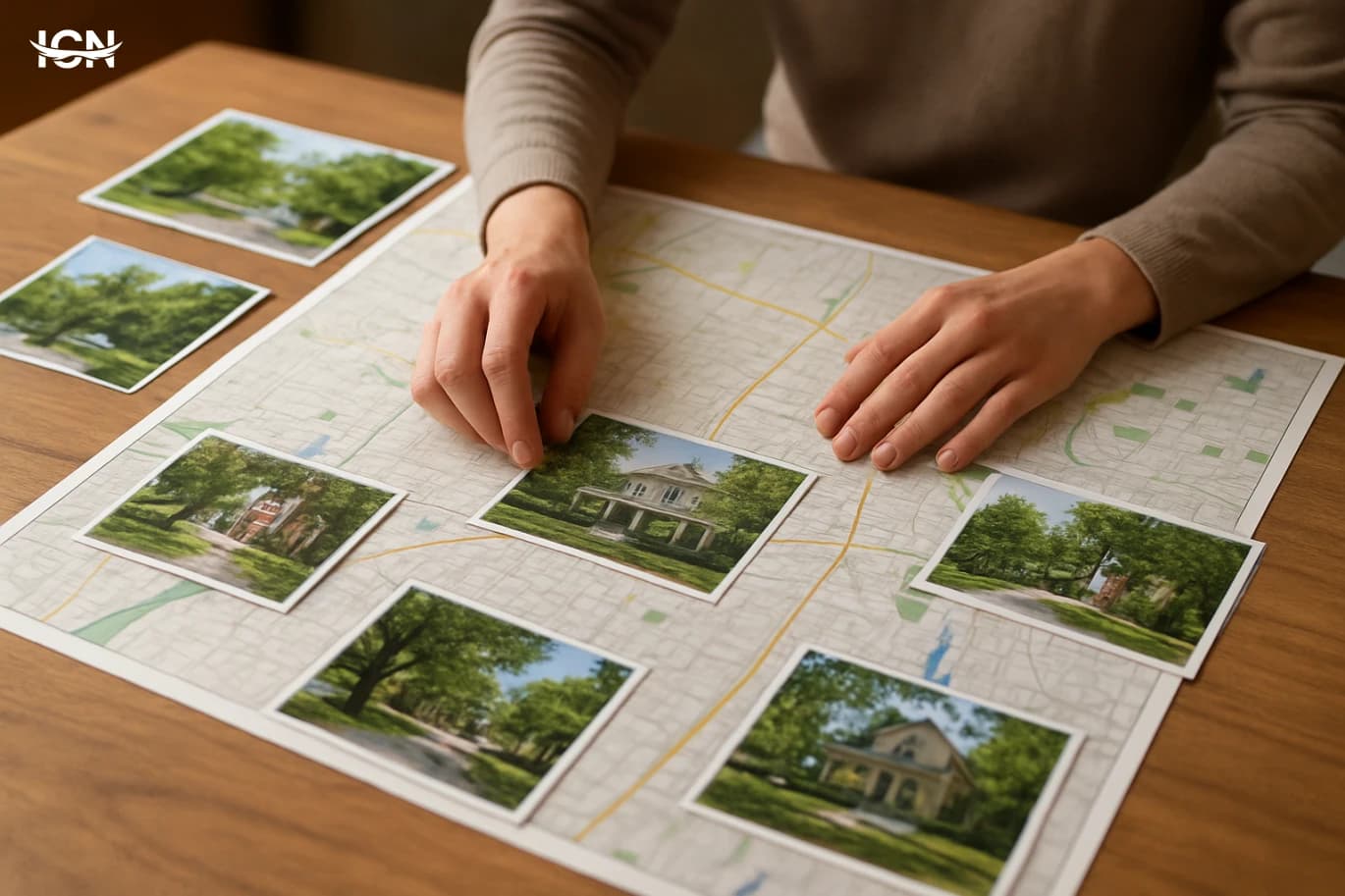
To keep the project focused, run it as a 10-postcard challenge over two weeks. Pick five categories in advance and record two postcards per category. Example categories: transportation cues (bus doors, station beeps), commerce (shop shutters, checkout scanners), nature in the city (birds, fountain, wind through trees), public services (library return slot, pedestrian signals), and home-edge sounds (building lobby door, elevator chime). Schedule short sessions: 20 minutes for recording and 20 minutes for editing and writing. On day one, create your template and naming rules. On days two to ten, capture one sound per day. On days eleven to fourteen, finalize edits, choose photos, and publish the set as a single page with a clear index. Add a simple map image with approximate pins if it helps navigation, but keep it general. By the end, you will have a complete collection that can be repeated seasonally or expanded into a larger archive.
Sharing, Credits, and Practical Boundaries
When sharing, keep the project respectful and location-focused. Avoid recording conversations or anything that could identify individuals. If a place is privately owned, record from public areas and keep clips short and contextual. Credit the project as your own compilation and note the date range of recordings. If you collaborate with others, agree on a shared file structure and a single editing standard so the set feels cohesive. For accessibility, add a short text caption for each audio clip describing what is heard. This also makes the collection searchable. Consider releasing the set as a “seasonal edition” (spring, summer) and invite readers to submit suggestions for sounds rather than sending recordings, so you maintain consistent quality and documentation. Over time, the sound postcards can support other creative projects: a photo essay, a local history timeline, a design mood board, or a classroom activity about observation and documentation.