Diamond

introduction
Diamond history is the history of diamonds extending for thousands of years, as it was used in ancient times as a symbol of strength and wealth. Diamonds were first discovered in India, and trade began at early times of history. In the Middle Ages, diamonds became very desirable in Europe, as it was considered a sign of high position. Diamond composition consists of carbon, and is formed under pressure and high temperature in the depths of the Earth. This process takes millions of years, making diamonds one of the most expensive gemstones. This unique diamond composition earns its distinctive characteristics, such as extreme shine and hardness, which makes it ideal for use in jewelry.
Diamond properties
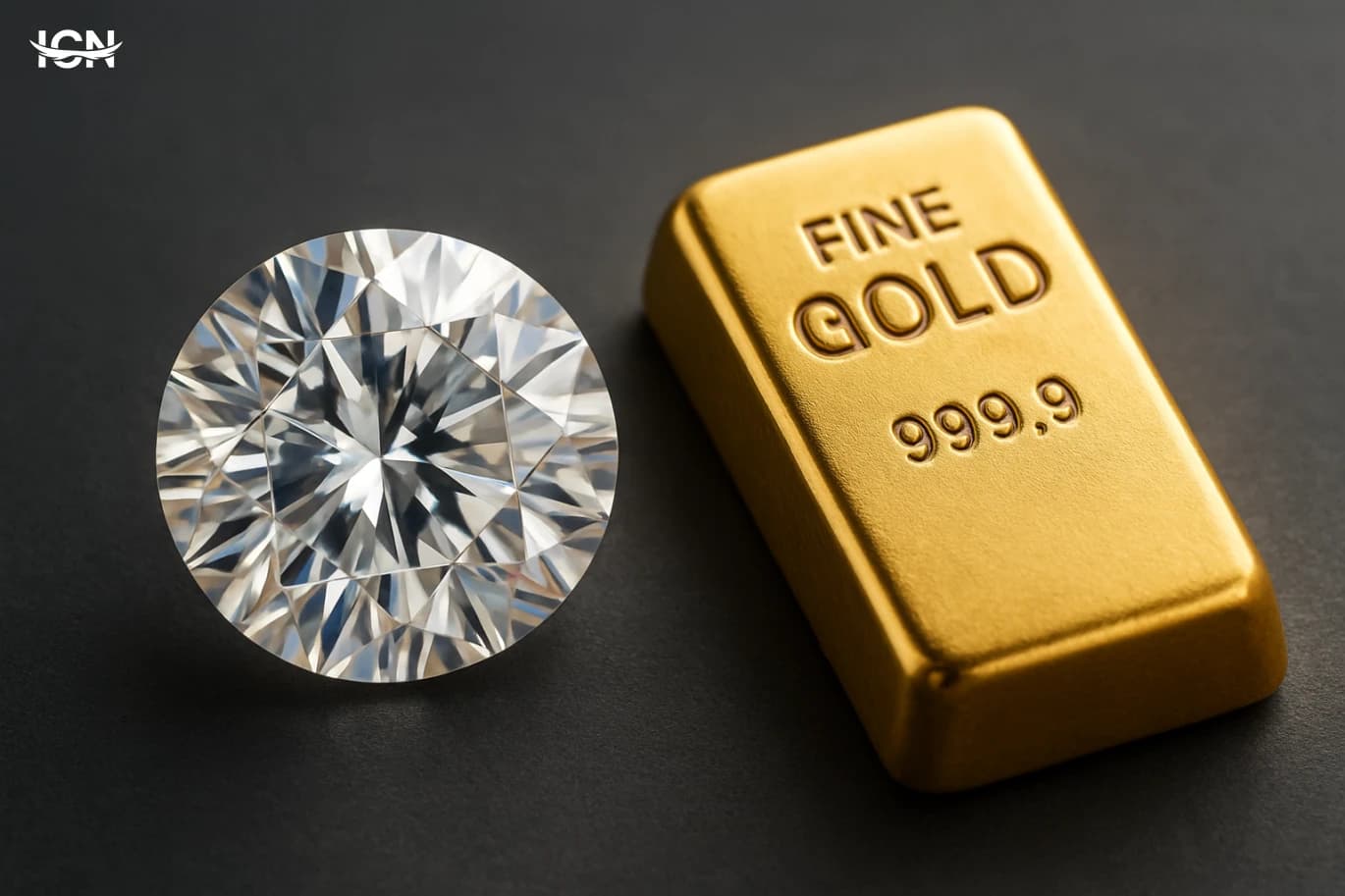
Diamond stiffness is the most powerful natural material known on the face of the earth, as it achieves a degree of 10 on the scale of a whispered scale. This makes it resistant to scratches, which maintains its shiny look for a long time. Therefore, diamonds are used not only in jewelry, but also in industries that require strong cutting tools. Diamond sparkle is characterized by its exceptional luster, which stems from the way it interacts with light. This sparkle is known as "brilliance", which causes diamonds to shine in the jewelry. This effect is achieved through the exact cut of diamonds, which increases the refraction of light during it, and produces joyful and impressive colors.
Diamond uses
In the jewelry industry, diamonds are greatly used in the jewelry industry because of its unique beauty and attractiveness. Diamond rings, earrings, and necklaces are among the common options among buyers, as they reflect luxury and elegance. The traditional uses of diamonds include wedding gifts and special events that enhance their emotional value. In modern technology in addition to jewelry, diamonds are used in modern industries. Diamond pieces are used in cutting and polishing tools due to their high hardness. It is also used to manufacture advanced technical devices such as optical devices and heat sensors, as its unique properties improve performance and efficiency.
Diamond extraction
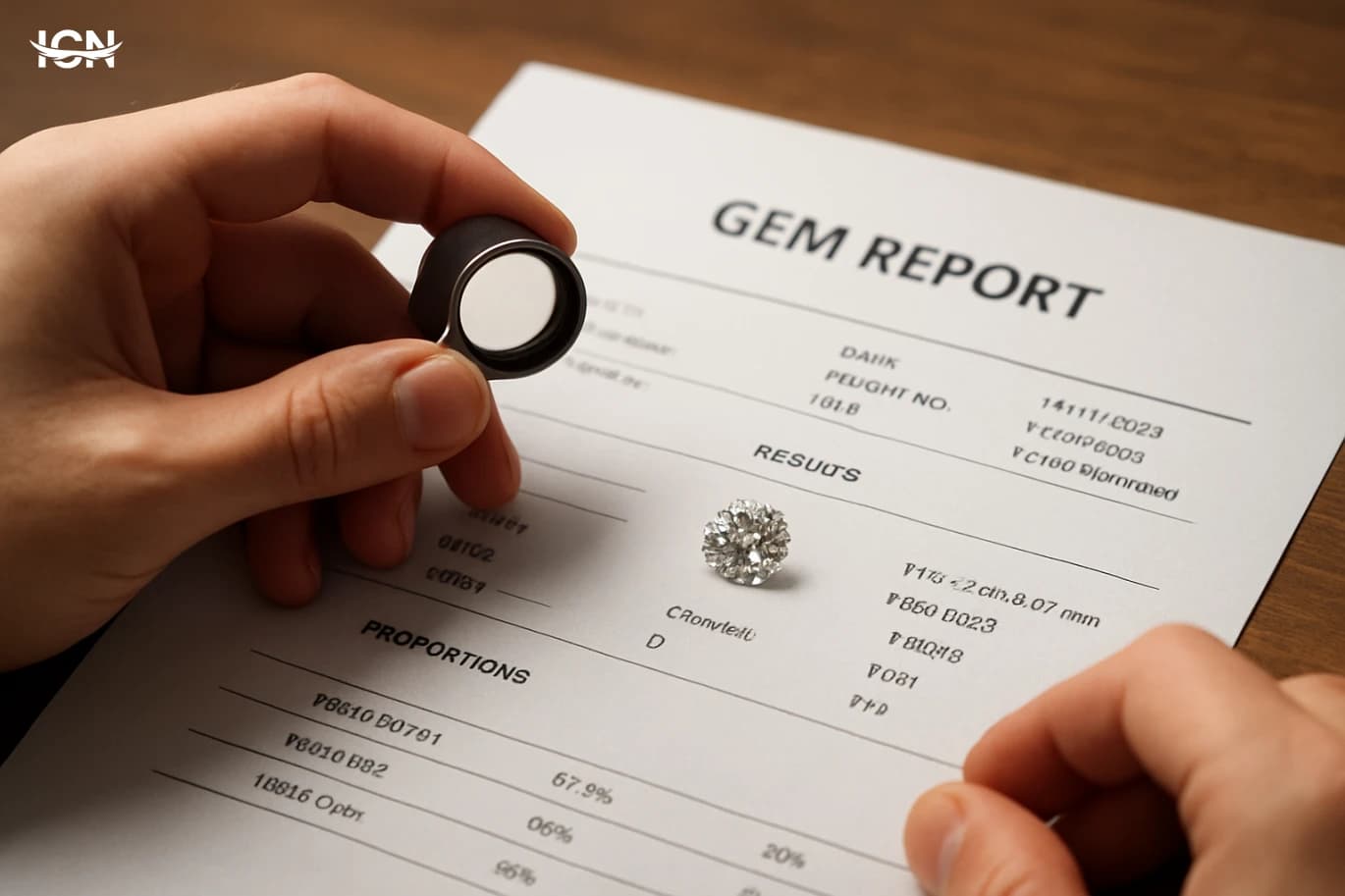
Diamond excavations are diamond excavations one of the basic stages to obtain this precious metal. Various techniques such as drilling and surface and internal mining are used, where there are research in areas where diamonds are believed, often at a depth of up to several hundred meters below the surface of the earth. Diamond areas in Africa and Russia are among the most famous. Diamond classification according to purity is classified as the degree of its purity, which is an important factor in determining its value. Pure diamond is characterized by the absence of any impurities, while diamonds that contain less valuable impurities are. There are different measures to determine quality, including shape, color and weight. Operations take place accurately to ensure that diamonds are evaluated in a fair and appropriate manner.
Diamonds in culture and history
The symbolism of diamonds in various cultures for diamonds is a great symbolic place in many cultures around the world, as it is a symbol of strength and beauty. In Eastern Cultures, diamonds are considered to be very happy, while it is used in Western cultures as a symbol of permanent love and connections, as it appears in engagement jewelry in a prominent way. Diamonds in literature and arts in literature and arts, diamonds are used as a symbol of significance and pursuit of perfection. Many poets and writers took diamonds in their works, stressing their emotional and material value. Diamonds also appear in visual arts, as it is used to embody luxury and brilliance.