Dental contamination
- the introduction
- Effects of dental pollution
- How to avoid tooth decay
- Foods and drinks that are harmful to teeth
- Preventive measures to maintain dental hygiene
the introduction
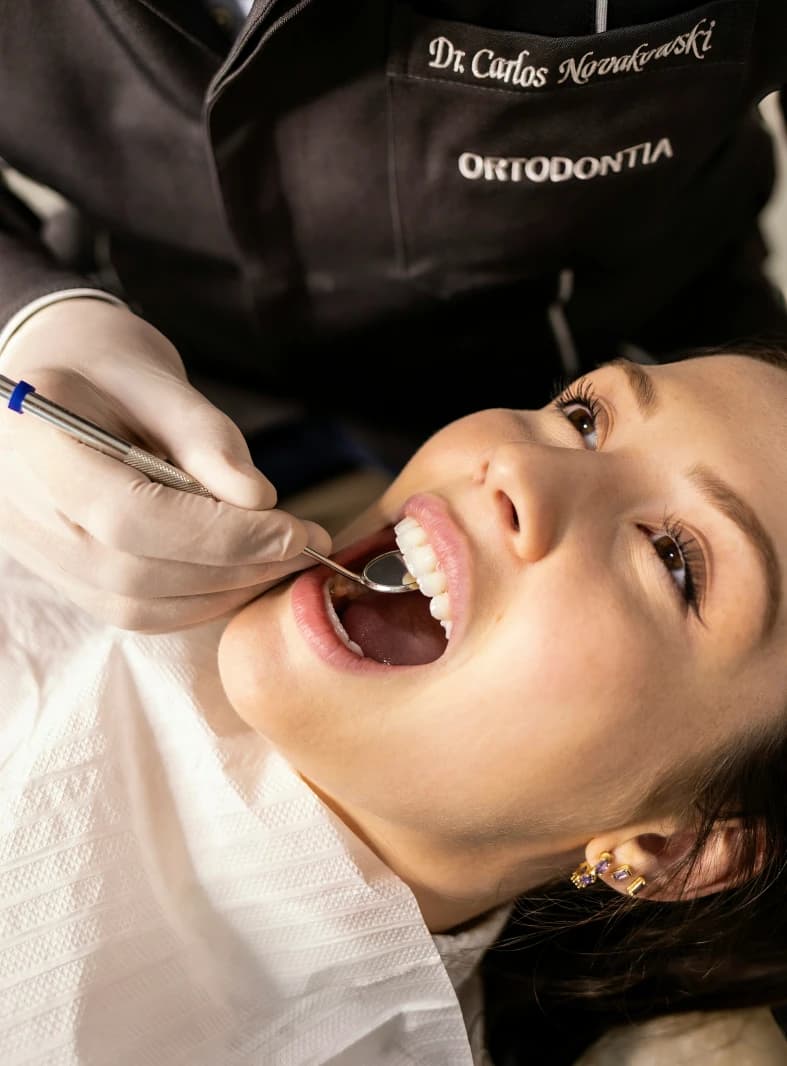
What is dental plaque? Dental plaque is the buildup of microorganisms and bacteria on the surface of your teeth, leading to plaque buildup and poor oral health. This plaque can cause serious health problems such as gingivitis and tooth decay. Causes of Dental Plaque Common causes of dental plaque include poor oral hygiene, such as not brushing or flossing regularly. Avoiding regular dental checkups can also make the problem worse. Additionally, consuming sugary foods and soft drinks can promote bacterial growth and increase your risk of plaque.
Effects of dental pollution
Health effects Dental contamination can lead to multiple health problems. It increases the risk of gum disease, which can lead to tooth loss if left untreated. The presence of bacteria in the mouth can also negatively affect overall health, as it can cause infections in other areas of the body. Social effects Socially, dental contamination can affect self-confidence. People with dental problems may feel embarrassed when speaking or smiling, which affects social interactions and personal relationships. Therefore, it is important to take care of the mouth and teeth to maintain oral health and a healthy social life.
How to avoid tooth decay
Daily Oral Hygiene It is essential for individuals to maintain good daily oral hygiene. They should brush their teeth twice daily with a toothbrush and fluoride toothpaste, and floss to remove plaque between the teeth. It is also advisable to avoid sugary drinks and foods rich in sugars that contribute to tooth decay. Regular visits to the dentist Regular visits to the dentist are essential, as they help in early detection of any problems that may lead to tooth decay. It is preferable for people to visit the dentist at least twice a year for check-ups and cleaning, which helps maintain oral health and prevent dental diseases.
Foods and drinks that are harmful to teeth
Sweets and sugary drinks Sweets and sugary drinks are among the most influential factors in tooth decay. When sugars are present in the mouth, bacteria begin to break them down and produce acids that harm tooth enamel. Therefore, individuals should limit their consumption of these foods. Soft drinks Soft drinks contain high amounts of sugar and acids that harm teeth. Frequent consumption of these drinks may contribute to enamel erosion and increase the chances of tooth decay. Therefore, it is recommended to reduce their consumption and drink water instead.
Preventive measures to maintain dental hygiene
Proper brushing Individuals should choose a suitable toothbrush, one that is soft and helps remove plaque effectively. It is recommended to change the brush every three months to maintain its effectiveness. Teeth should also be brushed at least twice a day, in the correct way to ensure clean and healthy teeth. Using dental floss Using dental floss is an essential part of the oral care routine. Flossing removes plaque and food debris that are present between the teeth, which helps reduce the risk of cavities and gum disease. People should use floss daily to achieve the best results and maintain oral health.