App Logo

Download Our App

Shop your way

logologo
Image

Decorating the Ramadan trip

03/04/2025By: ICN
Decorating the Ramadan trip

the introduction

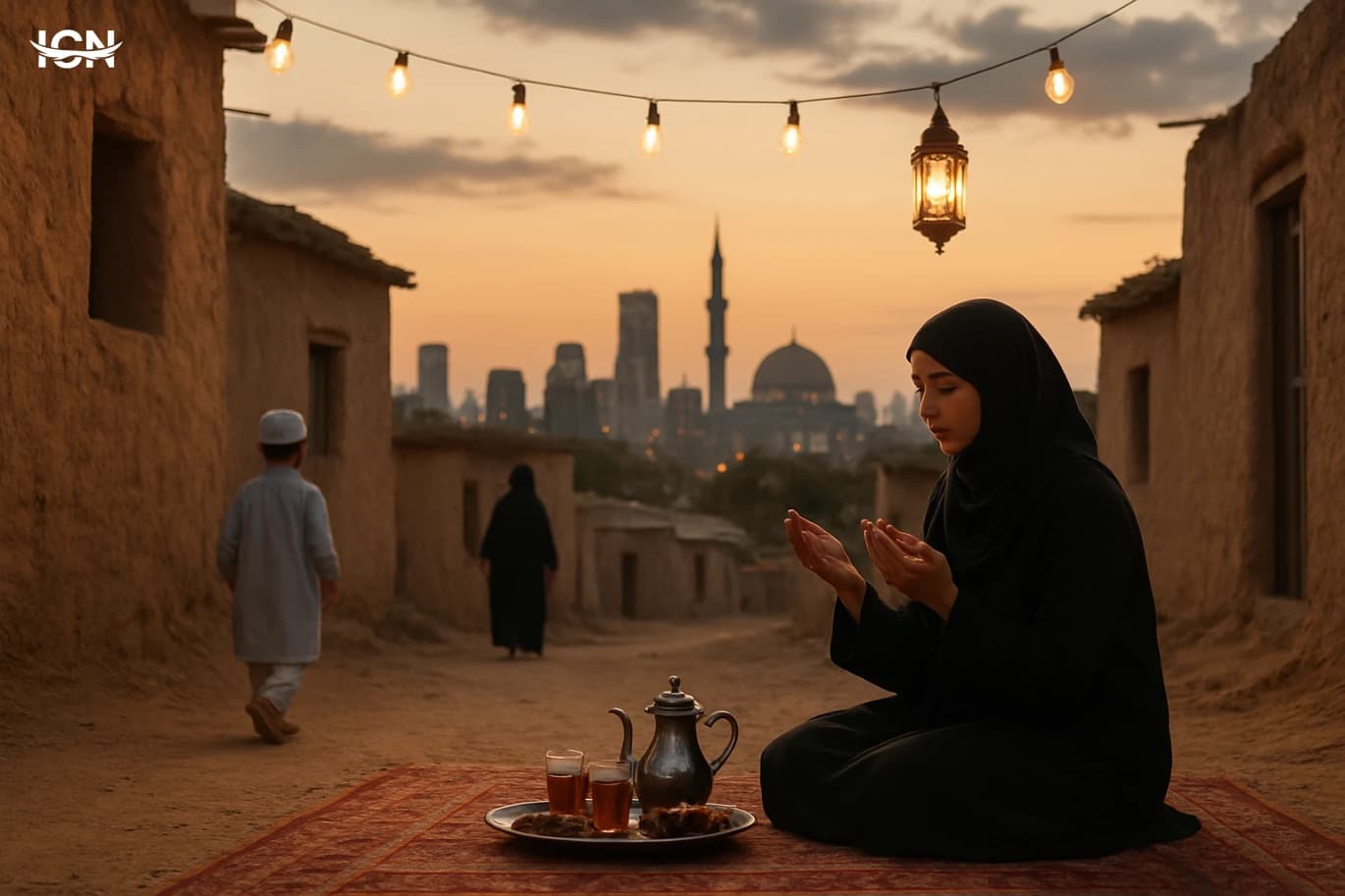
The importance of decorating the Ramadan trip is one of the most important Ramadan customs that bring together family and friends, so decorating this trip is an essential part of the preparation for the blessed month of Ramadan. Beautiful decorations help to create a festive atmosphere and enhance interconnection between individuals. Also, decorating the trip reflects the values ​​of hospitality and welcome. Suggestions for decorating the trip There are many ideas to decorate the Ramadan trip, such as using bright and distinctive colors, and coordinating dishes in an attractive way. Candles and lanterns can be used to light the place, as well as Islamic patterns. Also, fresh flowers can be used to add a touch of beauty and freshness.

The most important steps to decorate the trip

Choosing the right colors is preferred to choose the colors that reflect the spirit of Ramadan, such as green, yellow and gold. These colors help create a pleasant atmosphere that fits the atmosphere of the holy month. The use of Ramadan decorations can be used as lanterns and Ramadan cylinders as essential ingredients for the dining decoration. In addition, the candles and Ramadan all can be considered a distinctive touches. The use of these elements contributes to enhancing the Ramadan atmosphere, which makes decorating more distinctive. The effort to decorate the trip reflects the enthusiasm and interest in the holy month of Ramadan.

Coordination of utensils and dishes

The use of glass tools coordinating glass utensils gives a touch of elegance to the Ramadan trip. Woits and bottles with distinctive designs can be chosen and distributed in a balanced manner on the table. The use of glass tools enhances the aesthetic of serving and reflects luxury. Coordination of dishes and cups is the way to coordinate dishes and cups is a basic factory for decorating the trip in a harmonious way. It is preferable to use plates in integrated colors with the colors used in the decoration, with the cups of the dishes comfortably for the easy use. This coordination makes the trip appear arranged and attractive, reflecting the spirit of cooperation and celebration in the holy month.

The perfect lighting for the trip

Using candles can add candles a warm and romantic touch to the Ramadan trip. It is advisable to choose candles of various sizes and colors, adding an atmosphere of comfort and calm. Distributing candles in a balanced manner on the table contributes to creating a charming atmosphere during breakfast. The installation of soft lights, soft lights adds an aesthetic and festive touch to the trip. Feal lights should be used to enhance Ramadan atmosphere, such as using colorful LED lights or hanging lights. This indirect lighting enhances the dining experience and gives guests a feeling of comfort and privacy, which makes Ramadan moments more distinctive.

Choose the right artifacts and decoration

The use of lanterns and accessories. Using traditional lanterns is one of the most beautiful ways to add an aesthetic touch to the Ramadan trip. A variety of colors and sizes can be chosen to decorate the table. In addition, some accessories such as decorative dishes and fabrics with Arabic motifs can be used to enhance the festive atmosphere. Flood coordination and roses coordinate fresh or industrial flowers in the center of the table is a great choice for the dining. It is preferable to choose flowers in bright colors such as white and yellow to reflect the spring atmosphere. This coordination not only gives beauty, but also enhances the feeling of joy and comfort during breakfast.
* All articles published on this blog are sourced from various websites and are provided for informational purposes only. They should not be considered as confirmed studies or accurate information. Please verify the information independently before relying on it.

Similar ARTICLES

The Living Craft of Japanese Washi Paper
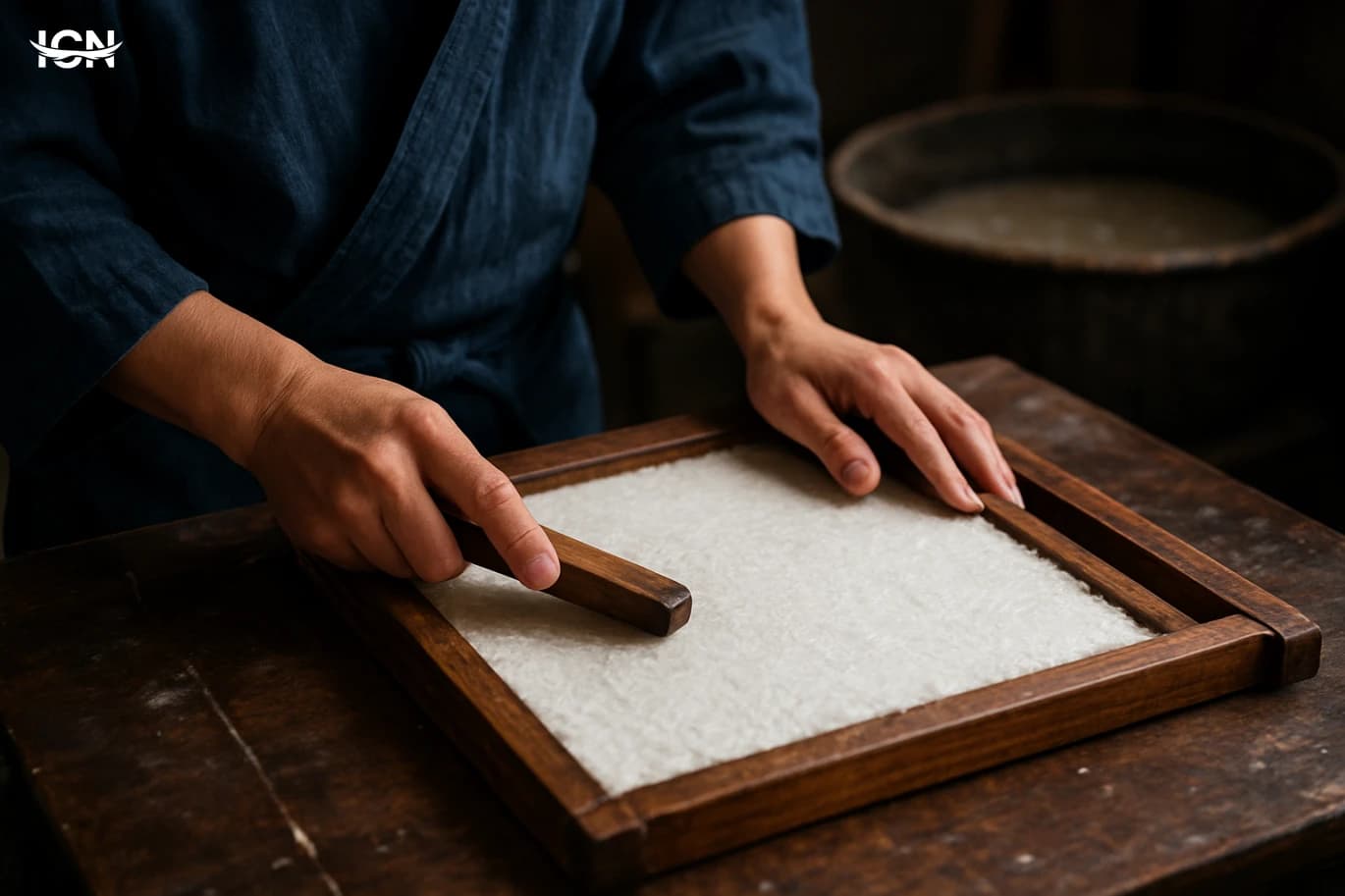
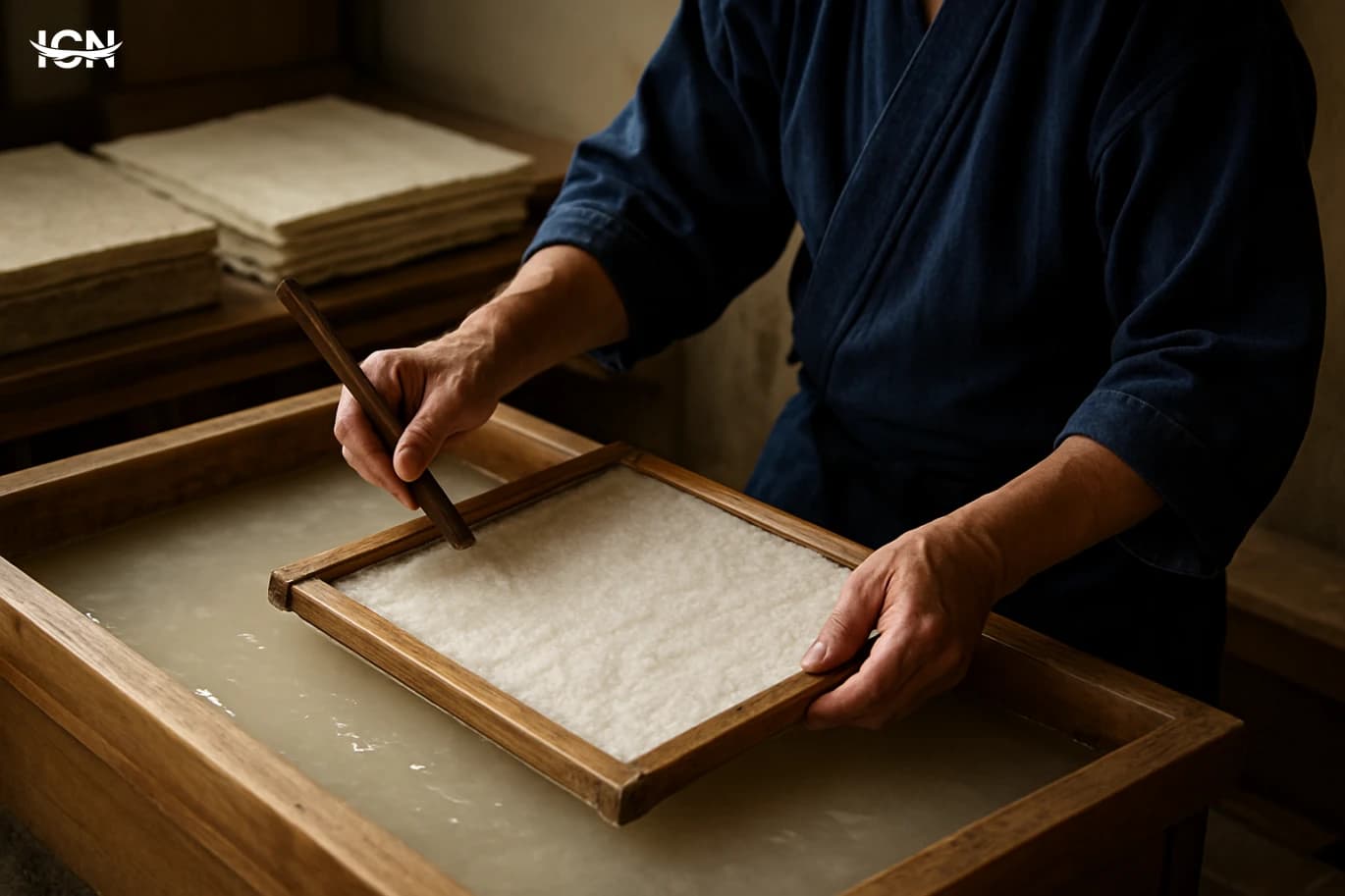
Washi is traditional Japanese paper made from long plant fibers, most commonly kōzo (paper mulberry), mitsumata, or gampi. Unlike industrial wood-pulp paper, washi is known for its strength, lightness, and a surface that can be both smooth and textured. It is not simply a craft product; it is tied to everyday life, seasonal customs, and the way Japanese homes have historically managed light, privacy, and decoration. Sliding doors and screens (shōji) rely on paper that can diffuse daylight while remaining durable enough for daily use. Today, washi sits at an intersection of heritage and modern demand. It appears in stationery, packaging, interior design, and contemporary art, but it also remains connected to local identity in rural areas where papermaking has been practiced for centuries. Understanding washi as a living tradition means looking at how it is produced, how it is used, and how communities keep it relevant without turning it into a museum object.
Tea Houses and Everyday Etiquette
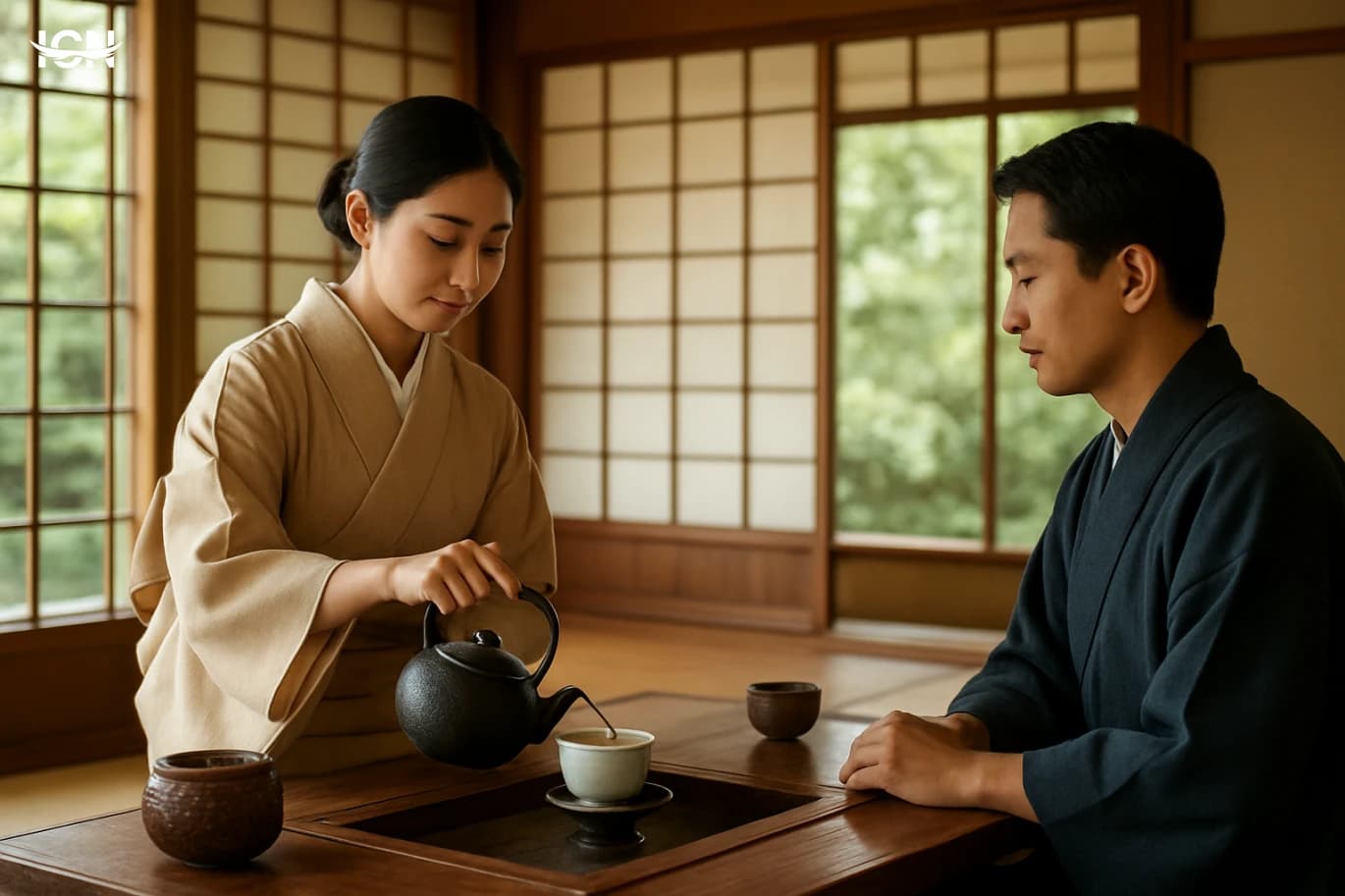
Tea houses are more than places to drink a hot beverage; they are small social institutions that shape how people greet, wait, speak, and share space. In many cities and towns, a tea house functions as a neutral meeting point where age, occupation, and neighborhood ties mix in predictable ways. The layout—shared tables, a counter, a visible kettle, and a steady rhythm of refills—encourages short conversations and repeated visits, which quietly builds trust among regulars. This topic looks at tea houses as a living tradition that continues to evolve without losing its core purpose: offering a public setting with clear, informal rules. Those rules are rarely written down, yet they are widely understood by locals. Observing who pours, who pays, where newcomers sit, and how long people stay reveals a practical code of etiquette that keeps the space comfortable for everyone, even during busy hours.
The Living Craft of Japanese Washi Paper
Washi is traditional Japanese paper made primarily from long plant fibers such as kozo (paper mulberry), mitsumata, and gampi. Unlike mass-produced wood-pulp paper, washi is known for its strength, flexibility, and a surface that can be both delicate and durable. It appears in everyday objects and cultural practices: sliding doors (shoji), lanterns, calligraphy, bookbinding, packaging, and conservation work. In many regions, the craft is not treated as a museum artifact but as a working trade with workshops, apprentices, and local supply chains. What makes washi culturally significant is the way it connects material, place, and community. The quality of the fibers depends on local climate and water, and the production calendar follows seasonal rhythms. Villages that specialize in paper often build their identity around it, with small factories, family-run studios, and cooperatives that share equipment. In recent decades, washi has also become a reference point for sustainable materials, because it can be produced with fewer chemicals and with renewable plant sources when managed responsibly. This mix of heritage, utility, and modern relevance is why washi remains a living tradition rather than a nostalgic symbol.
The Global Life of Tea Rituals
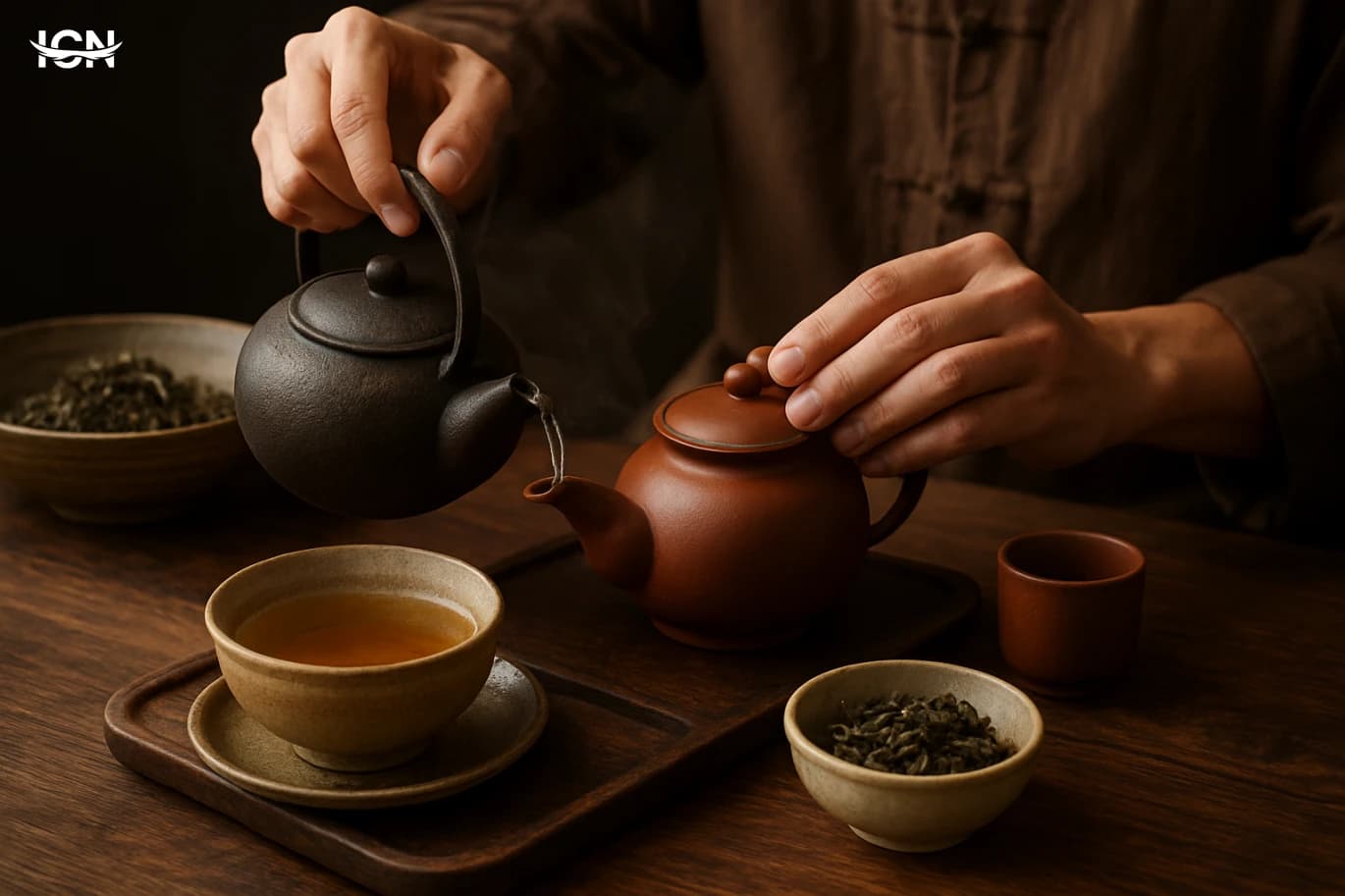
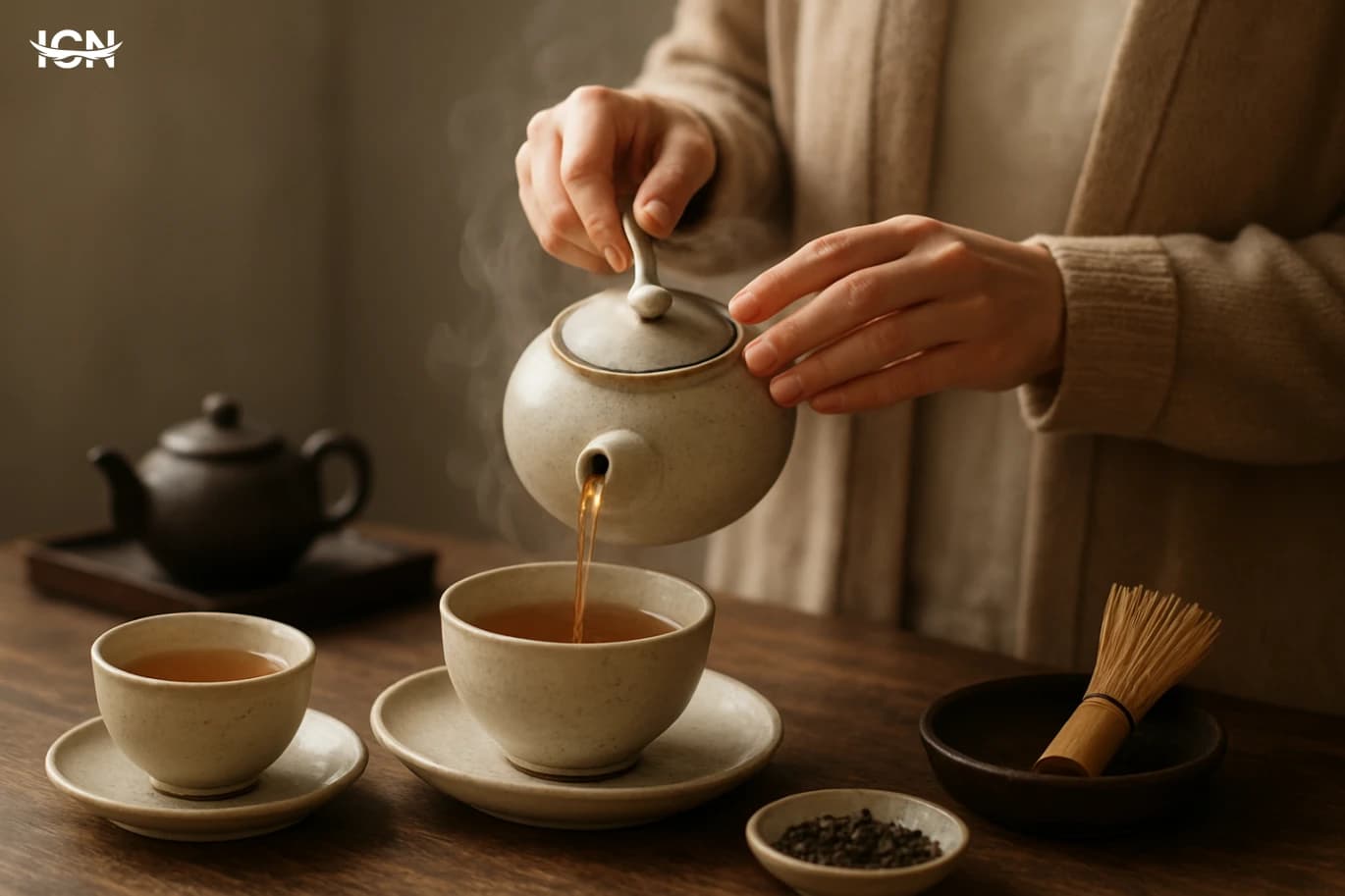
Tea is more than a beverage in many societies because it solves practical and social needs at the same time. It is easy to prepare for groups, it can be served hot in cold climates or as a cooling drink when diluted or poured over ice, and it pairs well with local staples from bread to sweets. Over centuries, households and public venues turned tea into a predictable moment of hospitality: a guest arrives, a kettle is set on, and conversation gains a shared rhythm. Trade routes and colonial-era shipping also helped tea become a common reference point across continents, but each place built its own rules around it. In some cultures, the ritual emphasizes careful preparation and quiet attention; in others, it is about generosity and repeated refills. The tools matter too: clay pots that hold heat, metal kettles built for open flames, or glass cups that display color and strength. These details turn an everyday drink into a recognizable tradition that signals welcome, respect, and belonging.
Tea Houses and Everyday Etiquette in Morocco
In Morocco, mint tea is not a simple drink; it is a daily social system with clear expectations about hospitality, timing, and respect. In homes, small neighborhood cafés, and roadside stops, tea organizes visits and turns casual encounters into structured moments. People use it to welcome guests, open conversations, and mark transitions in the day, especially late morning and late afternoon. The ritual also carries practical meaning: it creates a reason to sit, slow down, and share information in communities where face-to-face contact remains central. Tea’s importance is visible in how it is offered. Refusing a first offer can be interpreted as distance unless there is a clear reason, while accepting signals openness. The host’s role is active: preparing, serving, and checking that glasses are refilled. Guests, in turn, follow a polite rhythm of thanks and small compliments. These habits vary by region and family, but the underlying message is consistent: tea is a public expression of care and social competence, not a private preference.
How Tea Rituals Shape Daily Life
Tea is more than a drink in many societies; it is a structured way to organize time, welcome guests, and signal respect. In the United Kingdom, the idea of “tea time” developed into a predictable pause in the day, with specific foods and a shared expectation of conversation. In Morocco, mint tea is commonly prepared in front of visitors, turning hospitality into a visible process where the host’s attention is part of the offering. In Japan, the tea ceremony formalized everyday gestures into a disciplined practice that highlights calm, order, and care for the guest. These examples show a common pattern: tea rituals create a shared script that reduces uncertainty in social encounters. They also provide a low-cost, widely accessible reason to gather, especially in communities where formal entertaining may be expensive or impractical. Over time, repeated tea moments become markers of belonging, teaching newcomers how to behave and giving regulars a familiar rhythm that feels stable even when other parts of life change.
Coffeehouses That Shaped City Life
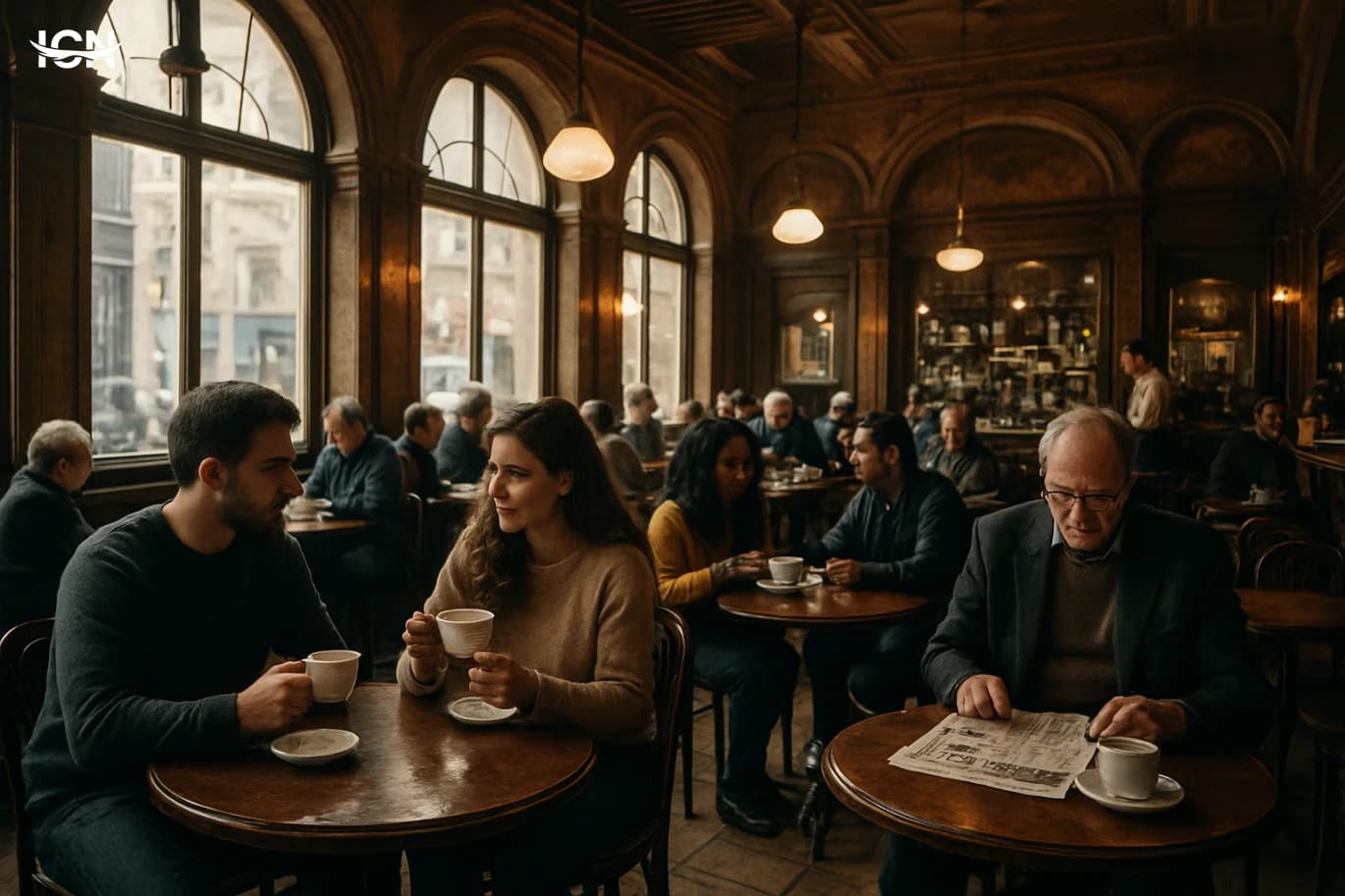
Across many cities, the coffeehouse evolved from a simple place to drink a hot beverage into a recognizable cultural institution. Its importance came from being accessible, relatively affordable, and open for long hours, which made it a practical meeting point for people who did not share a workplace or a family network. In port towns and trading centers, coffeehouses often sat near markets and transport routes, so they naturally became places where news, prices, and local decisions circulated. Over time, regular customers formed routines that turned certain cafés into neighborhood reference points, known as much for their conversations and clientele as for their menu. Coffeehouses also became landmarks because they offered a semi-public environment with informal rules. People could arrive alone, read, listen, or talk, and still feel part of a shared space. In many places, the café served as an extension of the street: a place to observe daily life, exchange greetings, and follow local events. This mix of privacy and visibility helped cafés shape urban culture, influencing how residents used time outside the home and how communities built social ties across occupations and generations.
Ramadan Habits in Cities and Villages
Across the Arab world, Ramadan carries a common framework—fasting hours, the call to prayer, and the nightly gathering around iftar—but daily life can feel very different in a city compared with a village. In large cities, schedules are shaped by commuting, office hours, and dense traffic, so many people plan the day around fixed time blocks: a quick suhoor, a long work shift, and a carefully timed return home before sunset. In villages, the rhythm is often tied to local routines and familiar faces; errands happen on foot, neighbors exchange updates in short stops, and the day can be more flexible when work is seasonal or community-based. These differences do not mean one experience is “more authentic” than the other. They reflect how people adapt the same religious and social obligations to their surroundings. The city offers variety and services that can make Ramadan convenient—delivery, late-night shopping, and organized events—while the village offers proximity and continuity, where shared habits are reinforced by daily contact. Understanding these patterns helps explain why the same month can feel fast-paced in one place and deeply unhurried in another.
Groundhog Day Explained
Groundhog Day is a North American tradition observed every year on February 2. The basic idea is simple: a groundhog is brought out of its burrow, and people watch whether it sees its shadow. In popular versions of the story, a shadow means more winter, while no shadow suggests an earlier spring. The event is not a scientific forecast, but a public ritual that mixes seasonal curiosity with local pride, media attention, and community gatherings. Although it is most closely associated with the United States and Canada, the day reflects a broader human habit of marking the midpoint of winter and looking for signs of change. It also shows how a small, repeatable ceremony can become a cultural fixture. In many towns, the “prediction” is delivered in a formal announcement, often with humor and a scripted message, and then followed by parades, music, food, and tourism activities.
By clicking the SUBSCRIBE button, you are agreeing to our Privacy & Cookie Policy If you want to unsubsribe the marketing email, please proceed to our privacy center.
© 2005-2026 ICN. All Rights Reserved.