Exploring the Rich Tapestry of Global Traditions
- Introduction to Traditions
- Festivals and Celebrations
- Rituals and Customs
- Traditional Attire
- Culinary Traditions
Introduction to Traditions
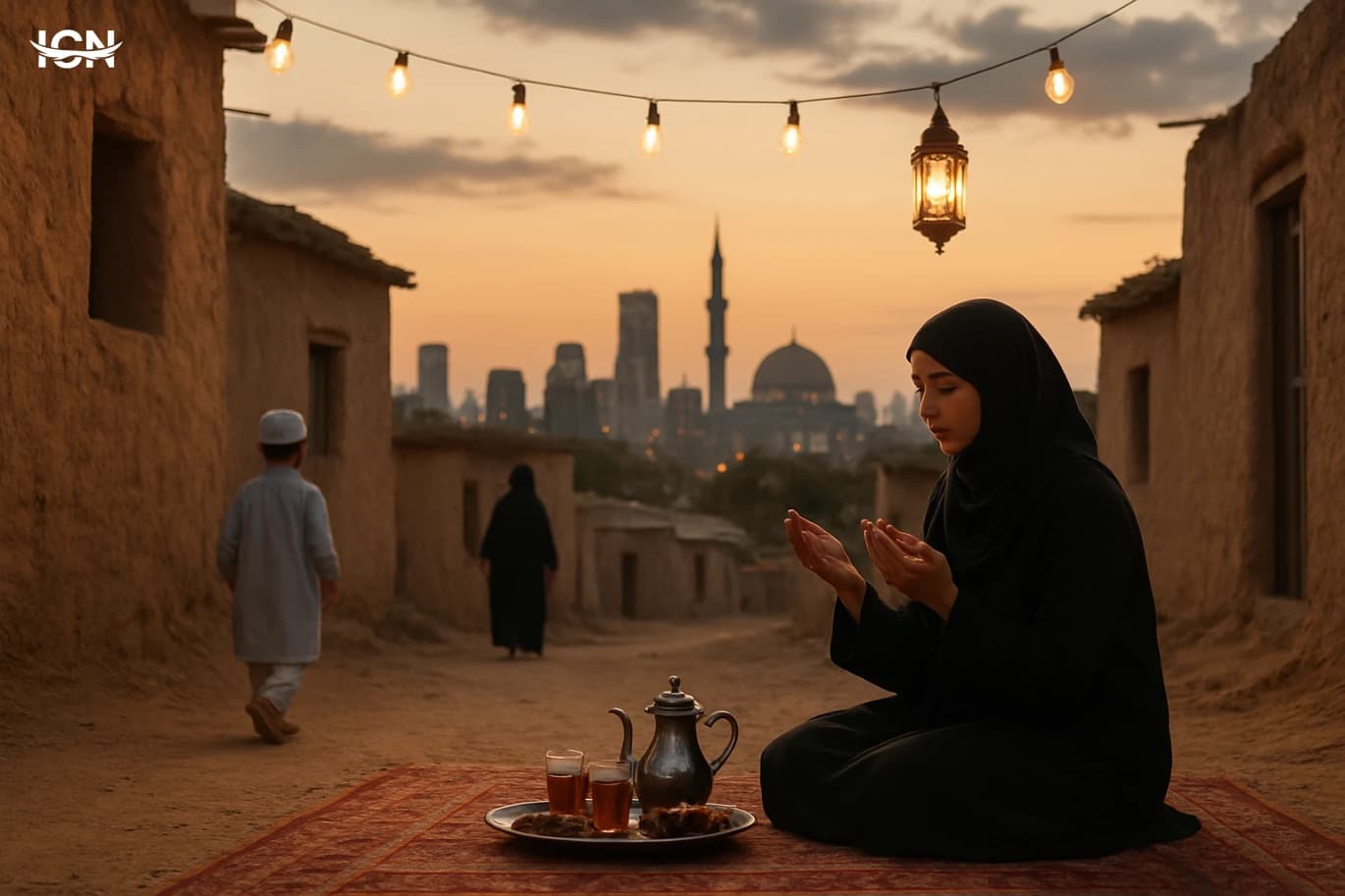
Traditions are the threads that weave the fabric of cultures around the world. They are the practices, beliefs, and customs passed down through generations, shaping the identity of communities and nations. From the vibrant festivals of India to the solemn rituals of Japan, traditions offer a glimpse into the values and history of a people. In this blog, we will explore various traditions from different cultures, understanding their significance and the role they play in modern society.
Festivals and Celebrations
Festivals are a vibrant expression of cultural traditions, often marked by music, dance, and communal gatherings. In India, Diwali, the festival of lights, symbolizes the victory of light over darkness and is celebrated with fireworks, sweets, and the lighting of lamps. In Brazil, Carnival is a time of exuberant parades and samba music, reflecting the country's diverse cultural heritage. These celebrations not only bring joy but also reinforce community bonds and cultural identity.
Rituals and Customs
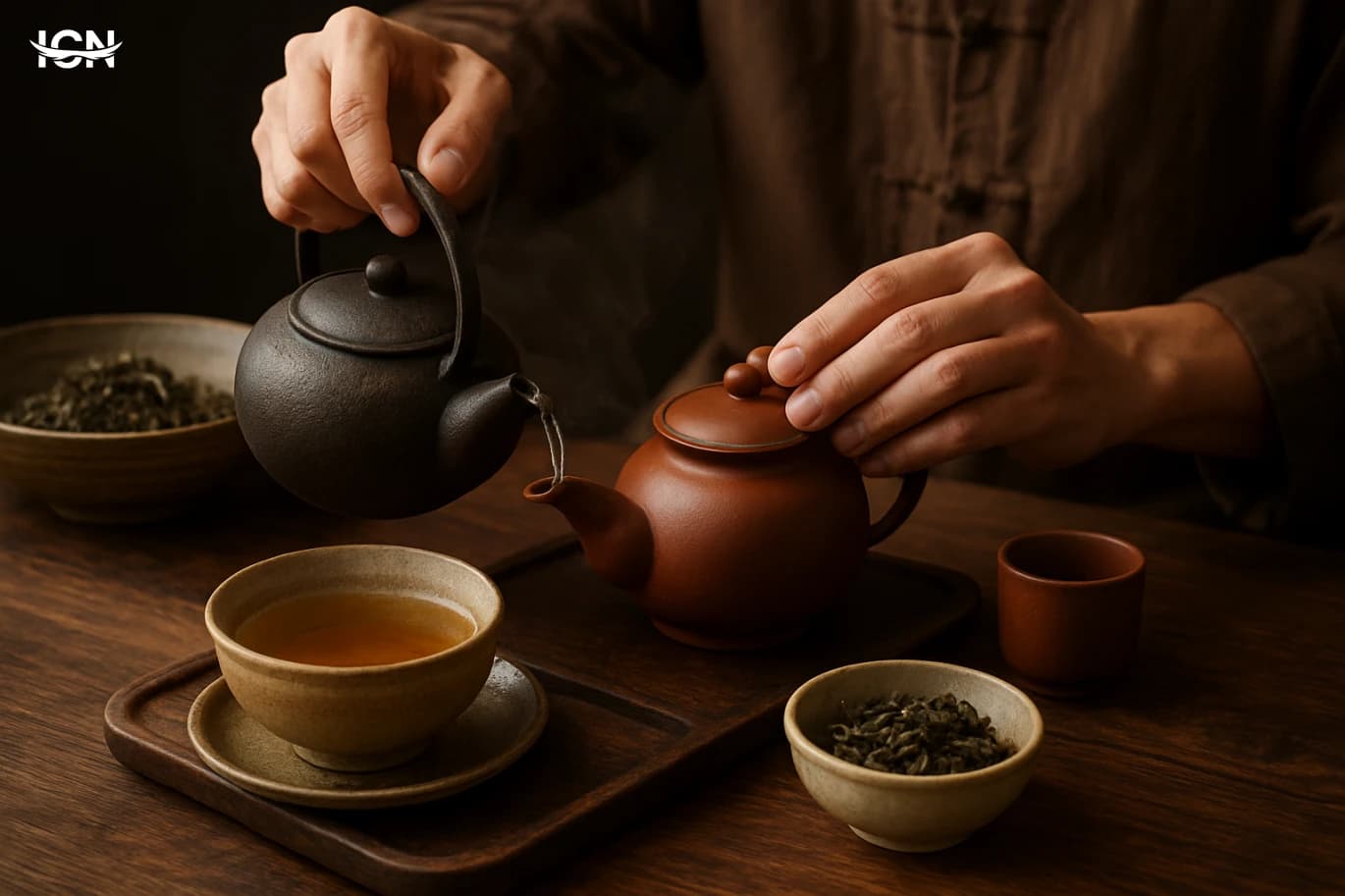
Rituals and customs are integral to the traditions of many cultures, often serving as a means of preserving history and imparting values. In Japan, the tea ceremony is a ritualistic practice that emphasizes harmony, respect, and tranquility. In Mexico, the Day of the Dead is a time to honor deceased loved ones with altars, offerings, and celebrations. These customs provide a sense of continuity and connection to the past, while also adapting to contemporary contexts.
Traditional Attire
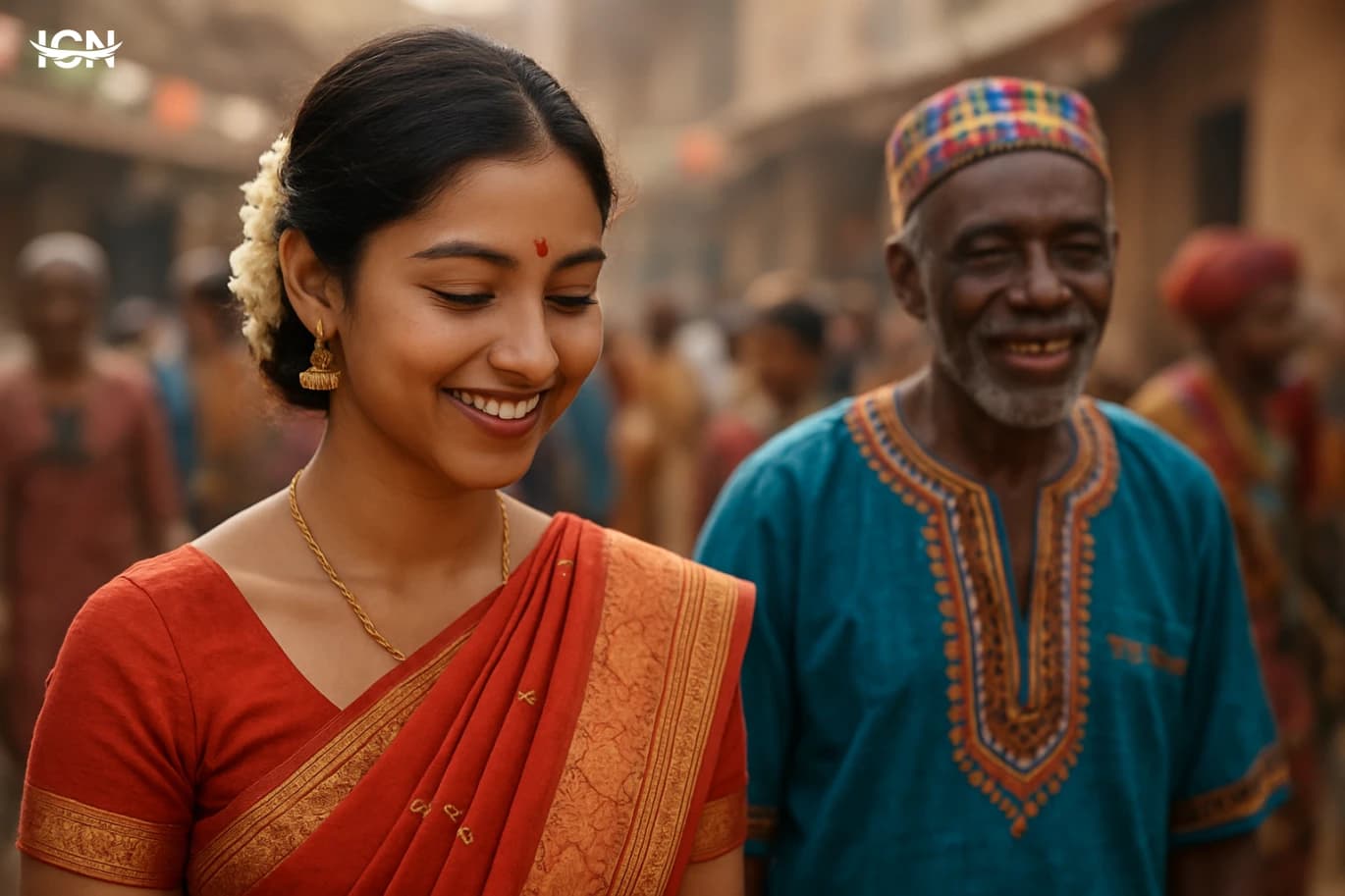
Traditional attire is a visible representation of cultural identity, often worn during special occasions and ceremonies. In Scotland, the kilt is a symbol of Scottish heritage, worn with pride during events like weddings and Highland games. In Nigeria, the colorful Ankara fabric is used to create vibrant garments that reflect the country's rich cultural diversity. These attires are not only fashion statements but also carry deep cultural significance and history.
Culinary Traditions
Culinary traditions are a delicious aspect of cultural heritage, offering a taste of history and community. In Italy, pasta and pizza are not just foods but symbols of Italian culture, enjoyed in family gatherings and celebrations. In Japan, sushi and ramen are culinary arts that reflect the country's emphasis on freshness and presentation. These dishes tell stories of migration, trade, and cultural exchange, enriching the global culinary landscape.