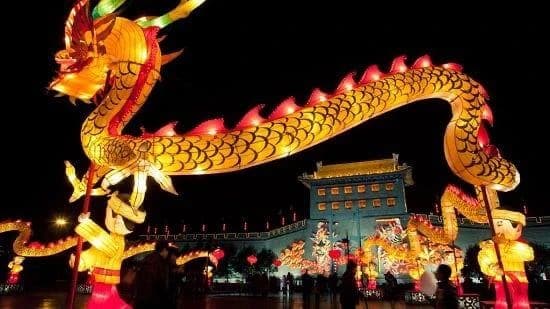
The Chinese Lantern Festival

- Introduction to the Festival
- Historical Significance
- Symbolism of Lanterns
- Modern Celebrations
- Culinary Traditions
- Global Influence
Introduction to the Festival
The Chinese Lantern Festival marks the end of the Chinese New Year celebrations. It is celebrated on the 15th day of the first month in the lunar calendar. Known for its dazzling displays of colorful lanterns, this festival holds historical and cultural significance, uniting communities in a vibrant celebration of light and tradition.
Historical Significance
The origin of the Lantern Festival dates back over 2,000 years. It is believed to have originated during the Han Dynasty as a way to please the gods and bring peace and prosperity. Throughout centuries, it evolved with various cultural influences, yet it maintains its core essence of fostering joy and togetherness.
Symbolism of Lanterns
Lanterns are intricately designed in various shapes and sizes, each carrying symbolic meanings. These include driving away darkness, symbolizing hope, and lighting the path to a brighter future. The festival encourages artistic expression, as people craft and exhibit handmade lanterns, highlighting personal and cultural stories.
Modern Celebrations
In contemporary times, the Lantern Festival includes various activities such as lantern riddles, folk dances, and dragon parades. Technological advancements have also introduced illuminated displays and interactive installations, attracting both locals and tourists. The blend of tradition and innovation makes the festival a spectacular event worldwide.
Culinary Traditions
Traditional foods play a significant role in the Lantern Festival. Yuanxiao or tangyuan, glutinous rice balls filled with sweet or savory fillings, are a customary delicacy. They symbolize family unity and completeness. Sharing these dishes during the festival fosters community bonding and cultural exchange.
Global Influence
The Chinese Lantern Festival has gained international recognition, being celebrated by communities worldwide. Its themes of harmony and joy resonate beyond cultural boundaries. Many countries host similar events, incorporating local traditions while honoring the spirit of the Chinese festival, demonstrating its widespread appeal.