Crying Horse Doll
- The Unexpected Origin: The Manufacturing Error That Shook the Chinese Market
- The shift into an unexpected viral phenomenon
- The Frowning Face vs. the Smile: A Comparison Between the Crying Horse Doll and the Original
- Yiwu City: The Heart of the Chinese Market and the Phenomenon of the Crying Horse Doll
- The wave of 'Cute Ugly Games'
- Global Media Coverage of the Weeping Horse Doll
- How to ensure purchasing the original Crying Horse doll?
- The Weeping Horse Doll: Symbolizing Attractive Ugliness and the Pressures of the Chinese Generation
- Frequently Asked Questions (FAQ)
The Unexpected Origin: The Manufacturing Error That Shook the Chinese Market
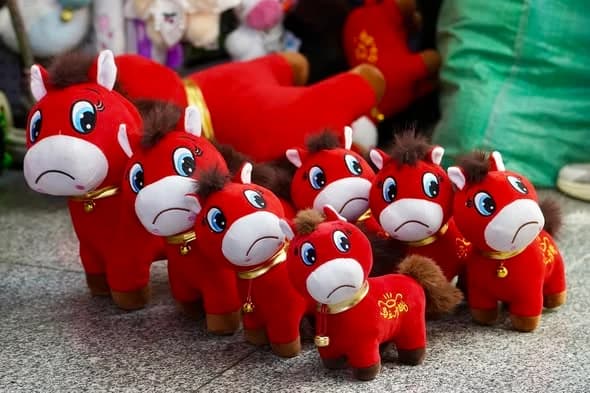
From a smiling horse to a frowning face, the original design of the red velvet horse doll was meant to be a festive decoration suitable for the atmosphere of the Spring Festival. This horse was supposed to have a smiling face symbolizing good luck and optimism for the new year. However, fate intervened at the 'Happy Sister' store. A worker made a crucial mistake in the manufacturing process. The doll's mouth was sewn upside down, turning the cheerful smile into a sad and drooping frown. This flaw, which was supposed to lead to the product being discarded, became the secret behind the widespread fame of the crying horse doll, turning a simple mistake into a phenomenon on Chinese social media.
The shift into an unexpected viral phenomenon
Internet users quickly named this toy the 'Crying Horse Toy', gaining wide popularity in the Chinese market. Crying Horse Toy: A Reflection of Work Pressure. The immense popularity of the Crying Horse Toy was not entirely coincidental. Its frowning face resonated with a wide audience, especially young employees. In China, many saw this sad face as a direct reflection of the work stress and long hours they face daily. Thus, the horse transformed from merely a festive Spring Festival and Lunar New Year ornament to a cultural symbol embodying daily exhaustion. Ms. Zhang Hu Qing, owner of the 'Happy Sister' store in Yiwu, commented on the phenomenon: 'People joked that the crying horse represents your look at work, while the smiling horse reflects your look after work.' In response to the growing demand for this trending item, Zhang decided to continue producing the sad-faced version. The Crying Horse Toy, which started as a production flaw, surpassed the popularity of the original version (the smiling horse).
The Frowning Face vs. the Smile: A Comparison Between the Crying Horse Doll and the Original
Yiwu City: The Heart of the Chinese Market and the Phenomenon of the Crying Horse Doll
Yiwu International Trade City, located in Zhejiang Province, is the largest and most vital hub for the Chinese and international markets alike. Here, billions of small and festive goods, especially those related to the Lunar New Year (Spring Festival), are produced and distributed. The dynamic environment of Yiwu’s wholesale market is what allowed the Weeping Horse Doll to transform so remarkably fast. Once images of the manufacturing defect spread on Chinese social media, the doll shifted from a flawed product to a widely popular commodity. The Happy Sister Store promptly responded to the increased demand, showcasing Yiwu’s market flexibility and its ability to quickly adapt to unforeseen viral trends. The contrast of form and message: the allure of the sullen face. The Weeping Horse Doll is red, a Chinese tradition symbolizing good luck during celebrations. The contrast adds appeal: the doll with a sad face has a golden bell hanging around its neck, with an embroidered traditional phrase meaning 'money comes quickly.' This unusual mix of a sorrowful appearance and a traditional message of wealth particularly attracted young employees. Young people saw in this contrast a reflection of work pressure and bleak realism, blended with festive hopes for the arrival of the new Year of the Horse. It’s a vivid example of the cute-ugly toy trend.
The wave of 'Cute Ugly Games'
The widespread fame of the Crying Horse, which appeared with a manufacturing defect, can be placed in the context of previous successes in the toy field. The famous character Labubu, for example, is a prominent example of this trend. Pop Mart is the leader in this field, specializing in offering characters with unique features that differ from traditional cheerful toys. This demand reflects a shift in consumer preferences in China, as they seek products that express the complexities of life rather than absolute happiness. Ultimately, the manufacturing defect in the Crying Horse doll became a key attraction point, turning it into a symbol of an entire generation facing work pressures and professional challenges.
Global Media Coverage of the Weeping Horse Doll
This coverage highlighted how a simple manufacturing error turned into an unexpected viral phenomenon that swept through the Chinese market. The crying horse doll has become a cultural symbol reflecting the state of young Chinese, particularly those facing work pressures in cities like Hangzhou and Yiwu. Dimensions of commercial success and the Chinese market thanks to widespread fame, the soaring demand for the crying horse doll increased crazily, transforming it into a hot commodity. This astounding commercial success was evident in the wholesale market in Yiwu, the global wholesale trade center in Zhejiang Province. The massive demand, especially with the approach of the Lunar New Year (Chinese New Year), led to a huge increase in production. This doll, falling under the wave of 'cute ugly toys,' proved that authenticity resulting from a manufacturing defect can outshine planned perfection in the digital speed era. This phenomenon also enhanced the dynamics of Yiwu's international trade city as a driving force for the Chinese market.
How to ensure purchasing the original Crying Horse doll?
Owning this doll now is like owning a piece of modern Chinese phenomenon history, which reflected the work pressures among Chinese youth.
The Weeping Horse Doll: Symbolizing Attractive Ugliness and the Pressures of the Chinese Generation
Thanks to its wide fame on Chinese social media, this doll has become an unexpected social phenomenon in the Chinese market. It embodies a unique confluence between traditional Spring Festival celebrations and the harsh reality of work pressures and long hours faced by Chinese youth. The frowning face, originally a manufacturing error, has become an icon expressing the feelings of a whole generation seeking self-fulfillment. This wave specifically started from the Happy Sister store in Yiwu International Trade City in Zhejiang Province, turning the crying horse doll into a popular commodity. This success proves that the 'flaw' reflecting a tangible reality, known as 'attractive ugliness toys', can achieve immense commercial success that surpasses the planned perfection in the Chinese market.
Frequently Asked Questions (FAQ)
Why has the Crying Horse Doll become so popular? The Crying Horse Doll gained widespread fame and went viral on Chinese social media. Young employees and students see a direct reflection of the work stress and long hours they face in its sad expression. This emotional connection with the 'frowning face' turned the doll from just an error into a trendy item and a fundamental market demand in China. What is the connection between the Crying Horse and the 'Cute Ugly Toys' trend? The Crying Horse Doll falls within the 'Cute Ugly Toys' trend that is gaining enormous popularity in the Chinese market. This trend challenges the conventional joyful festive toys. Consumers are drawn to unconventional toys with odd or sad expressions. Another notable example of this trend is the 'Labubu' characters produced by POP MART. Has the production of the Smiling Horse stopped? No, the Happy Sister store in Yiwu continues to produce the original version, the 'Smiling Horse' doll, as a traditional ornament for the Spring Festival (Lunar New Year). However, due to the increasing demand for the Crying Horse Doll and its frowning face, the store decided to continue producing the sad-faced version to meet the growing needs of the Chinese market.