Building a Freezer Stash Without Oversupply
- Why a modest stash matters
- Set a target based on your routine
- A low-risk pumping schedule
- Storage, labeling, and rotation
- Thawing, warming, and safe use
- Troubleshooting and when to adjust
Why a modest stash matters
Many parents feel pressure to fill a freezer with breast milk, but a large stash is not required for most families. A modest reserve can cover common situations such as a short separation, an unexpected appointment, a brief illness, or a caregiver learning bottle-feeding. For many babies, fresh milk from the last 24–48 hours is used first, and frozen milk is simply a backup. A realistic goal for many households is enough for one to three days of feeds, depending on how often the baby eats and whether formula is used. Keeping the stash modest also reduces the risk of oversupply. Producing significantly more milk than the baby needs can lead to frequent engorgement, clogged ducts, and a cycle where pumping to relieve fullness signals the body to make even more. It can also create stress around storage space, labeling, and the fear of wasting milk. A smaller, well-managed stash focuses on reliability: milk that is dated, rotated, and likely to be used before quality declines.
Set a target based on your routine
Start by mapping your typical week. If you plan to return to work, estimate how many feeds will happen away from you and how many ounces or milliliters your baby usually takes per feed. Many breastfed babies take roughly 60–120 ml (2–4 oz) per bottle in early months, but intake varies widely. A practical approach is to build enough for the first day of childcare plus a small cushion, then let ongoing pumping replace what is used. If you are not returning to work, your target may be smaller: enough for one or two bottles so a partner can handle a bedtime routine, or so you can attend an appointment. Write down a clear number, such as “six 90-ml bags” or “ten 60-ml bags,” rather than “fill the freezer.” This keeps pumping decisions grounded in a real need. Revisit the target monthly, because feeding patterns change as babies grow and as solids are introduced later on.
A low-risk pumping schedule
To build a stash without pushing supply too high, use small, consistent sessions rather than long, frequent pumping. One common method is to add a single short pump once per day, ideally at a predictable time. Many parents find mornings work well because milk volume can be higher after overnight rest. Pump for about 10–15 minutes, or stop a few minutes after milk flow slows, rather than trying to “empty” the breast completely. Another approach is to pump one side while the baby feeds on the other, but this can increase output quickly for some people. If you try it, do it only a few times per week and watch for signs of oversupply such as persistent fullness, leaking, or the baby coughing during letdown. If you already pump at work, avoid adding extra sessions at home unless you have a specific short-term goal. The safest strategy is to match pumping to actual separation from the baby, and use stash-building as a gradual process over two to four weeks.
Storage, labeling, and rotation
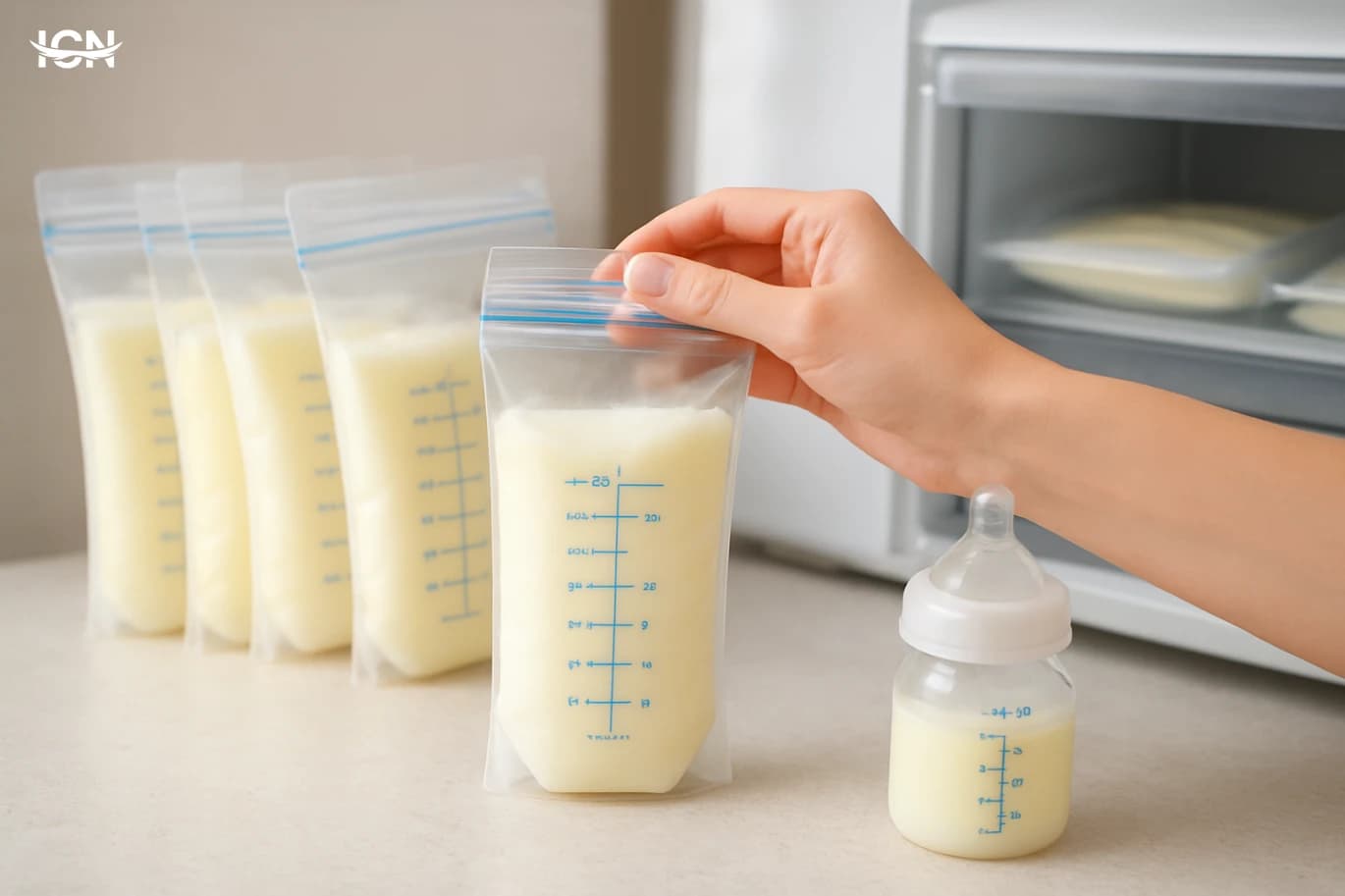
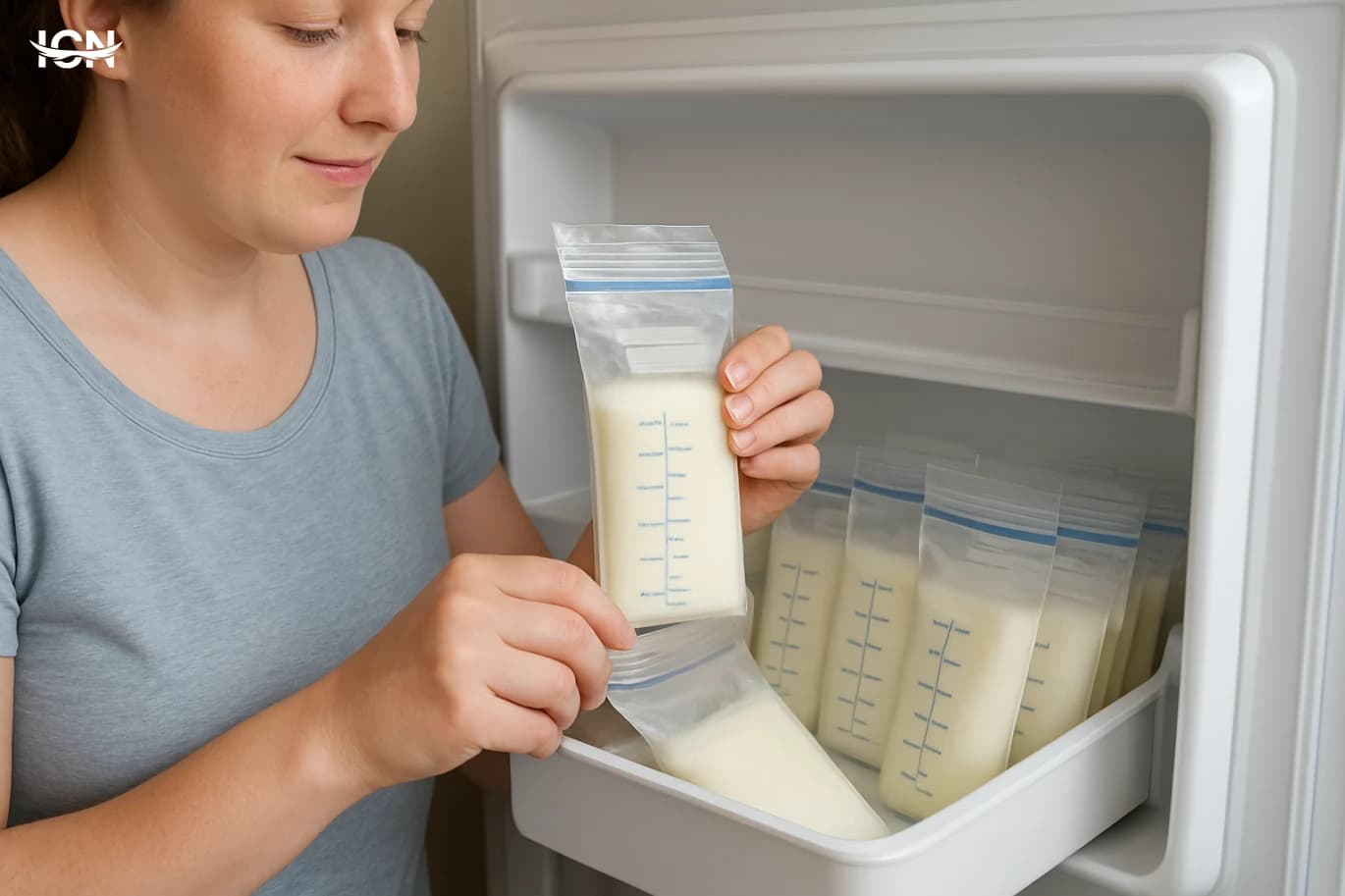
Good storage habits protect milk quality and prevent waste. Freeze milk in small portions, such as 60–120 ml (2–4 oz), so you can thaw only what the baby will likely finish. Use breast milk storage bags or clean, freezer-safe containers, and remove as much air as possible from bags to reduce freezer burn. Lay bags flat to freeze; this saves space and speeds thawing. Label every portion with the date and volume, and if you pump at different times of day, consider adding “AM” or “PM” to help you notice patterns in baby acceptance. Store milk toward the back of the freezer where temperature is most stable, not in the door. Use a simple rotation system: place new milk behind older milk and pull from the oldest first. Many families keep a small bin labeled “use next” so caregivers can grab the right bag quickly. If you ever notice a soapy or metallic smell after thawing, it may be related to lipase activity; some babies still drink it, while others refuse, and you may need to test a small amount before freezing large batches.
Thawing, warming, and safe use
Plan thawing to reduce waste. The gentlest method is to move a bag from the freezer to the refrigerator the night before; it will thaw gradually and stay cold. For faster thawing, place the sealed bag in a bowl of cool-to-warm water and change the water as it cools. Avoid microwaving breast milk, which can create hot spots and may damage some components. Once thawed, swirl gently to mix separated fat rather than shaking vigorously. Use thawed milk within the time window recommended by your pediatric or lactation professional and local health guidance; many families follow a conservative approach and prioritize using it promptly. Do not refreeze thawed milk. If the baby does not finish a bottle, discuss with your healthcare provider what is appropriate for your situation; many caregivers choose to offer the remainder within a short period and then discard what is left to reduce contamination risk. Keeping portions small is the easiest way to avoid throwing away milk.
Troubleshooting and when to adjust
If you notice signs of oversupply—ongoing breast fullness, frequent leaking, recurrent clogs, or a baby who sputters at letdown—scale back stash-building first. Reduce pumping time by a few minutes, pump every other day instead of daily, or pause extra sessions for a week and reassess comfort. If discomfort is significant or you have repeated blocked ducts, seek help from a lactation consultant to avoid complications and to tailor a plan. If your stash is not growing, check the basics: flange size, pump settings, and whether you are pumping at a time when milk is available. A short relaxation routine, hands-on breast massage during pumping, and ensuring you are eating and drinking adequately can help output. Also consider whether the goal is realistic; some parents produce exactly what their baby needs with little extra, and that can still work well with a “just enough” approach. The most sustainable stash is one that fits your body, your schedule, and your baby’s feeding style, not an arbitrary freezer target.