App Logo

Download Our App

Shop your way

logologo
Image

At what month does a baby start eating?

11/19/2025By: ICN
At what month does a baby start eating?

Introduction to child nutrition and its importance

A. Development of the digestive system in infants: The infant's stomach is very small at first, so he needs breast milk or artificial milk. Over time, the digestive system begins to develop, allowing the introduction of a variety of foods. It is important to watch for signs that the infant is ready to eat new food. for. The ideal age to start introducing solid foods The ideal age to start introducing solid foods is usually around 6 months. Doctors recommend starting with simple foods such as ground grains and mashed vegetables. This timing is important to ensure that the baby gets the necessary nutrients to support his growth and development.

The month the baby starts eating

A. Signs that the child is ready When the child begins to show interest in the foods on the dining table, and expresses his curiosity about eating, this is considered a sign that he is ready to move to solid foods. He should be able to sit up a little straighter and control his head movement, making it easier for him to eat safely. for. Common time periods to start introducing solid foods range from 4 to 6 months. Some babies may be ready before that, but it is preferable to wait until the sixth month to ensure that their digestive system is developed enough to tolerate new foods.

Foods that are recommended at the beginning of eating

A. Mashed and soft foods It is important to include mashed foods such as mashed rice, potatoes, or boiled carrots. These foods are easy to digest and give the child an opportunity to get used to the new taste. Portions should be small at first, which helps the child explore food without feeling full. for. Avoid foods that may cause allergies. It is necessary to avoid some foods that are likely to cause allergies, such as milk, eggs, or nuts, in the first months. These foods should be introduced later after consulting the pediatrician, to ensure the child's safety and that they do not negatively affect his health.

Tips for a successful first eating experience

A. Choose the appropriate and calm time. It is important to choose an appropriate time for the first eating experience, as the child should be in a good mood and not tired. Creating a calm and comfortable environment can help make the experience smoother, enhancing the child's responsiveness and making him feel reassured. for. Monitor the child's reactions and feel his responses after serving food. Parents must carefully monitor the child's reactions. The child may show signs of acceptance or rejection, and based on this, food choices can be modified. It is important to be patient and accept that every child is unique and may take some time to adapt to new foods.

Differences between starting natural eating and starting complementary feeding

A. Natural development of the eating process The natural eating process begins with the gradual introduction of solid foods after about 6 months of the child’s age. This development is an essential part of building healthy eating habits, as different flavors and textures of foods are recognized. The foods offered should be simple and natural to promote the child's adaptation to proper nutrition. for. When is it recommended to increase the types of foods? When a child shows a positive interaction with new foods, it is recommended to increase the variety of foods. It is preferable to focus on introducing various proteins, vegetables, and fruits, which helps create a balanced diet. Gradually introducing new foods enhances the child's desire to explore and improves his general health.


* All articles published on this blog are sourced from various websites and are provided for informational purposes only. They should not be considered as confirmed studies or accurate information. Please verify the information independently before relying on it.

Similar ARTICLES

Keeping Baby Awake While Nursing
During World Breastfeeding Week, many parents ask the same practical question: why does a baby fall asleep mid-feed, and is it a problem? For many newborns, nursing is both nutrition and comfort. Warmth, skin-to-skin contact, and rhythmic sucking can trigger drowsiness, especially in the first weeks when sleep cycles are short and frequent. Babies also tend to slow down when milk flow is steady and they feel relaxed. Sleepiness can be normal, but it matters when it reduces milk intake. If a baby repeatedly falls asleep after only a few minutes, feeds are very short, diapers are fewer than expected, or weight gain is slower than recommended, staying awake becomes a feeding goal rather than a preference. Premature babies, babies with jaundice, and babies recovering from illness may be especially sleepy and may need more active support. A useful distinction is between “comfort suckling” and “effective feeding.” Effective feeding usually includes a wide latch, deep jaw movement, and audible swallowing in bursts. Comfort suckling is lighter, with smaller movements and fewer swallows. The aim is not to keep a baby awake for long periods, but to help them stay alert long enough to complete a full, efficient feed. Before trying techniques, check the basics: Is the baby latching well? Are you offering the breast early, when the baby shows hunger cues like stirring, rooting, or hand-to-mouth movements? Waiting until crying can make babies tire quickly and fall asleep sooner. Timing and latch often solve half the issue.
Smart Timing for Kids’ Supplements
In child nutrition, “supplements” usually means concentrated sources of nutrients given in drops, syrups, chewables, powders, or gummies. They include single nutrients such as vitamin D, iron, iodine, zinc, or omega-3, and also multivitamins that combine several vitamins and minerals. Some products marketed for children are not essential nutrients at all, such as herbal blends, probiotics, or “appetite boosters,” yet they are often sold in the same aisle and can be used without medical guidance. The key difference between food and supplements is dose control. A spoon of yogurt or a serving of lentils contains nutrients along with protein, fiber, and calories, and the body absorbs them within a natural range. A supplement can deliver a full day’s requirement—or more—in one small dose. That concentration is why supplements can be helpful when a child has a clear need, and why they can become risky when used “just in case.” A practical rule for parents is to treat supplements like medicines: they should have a reason, a dose, a duration, and a follow-up plan.
Building a Breast Milk Freezer Stash Safely
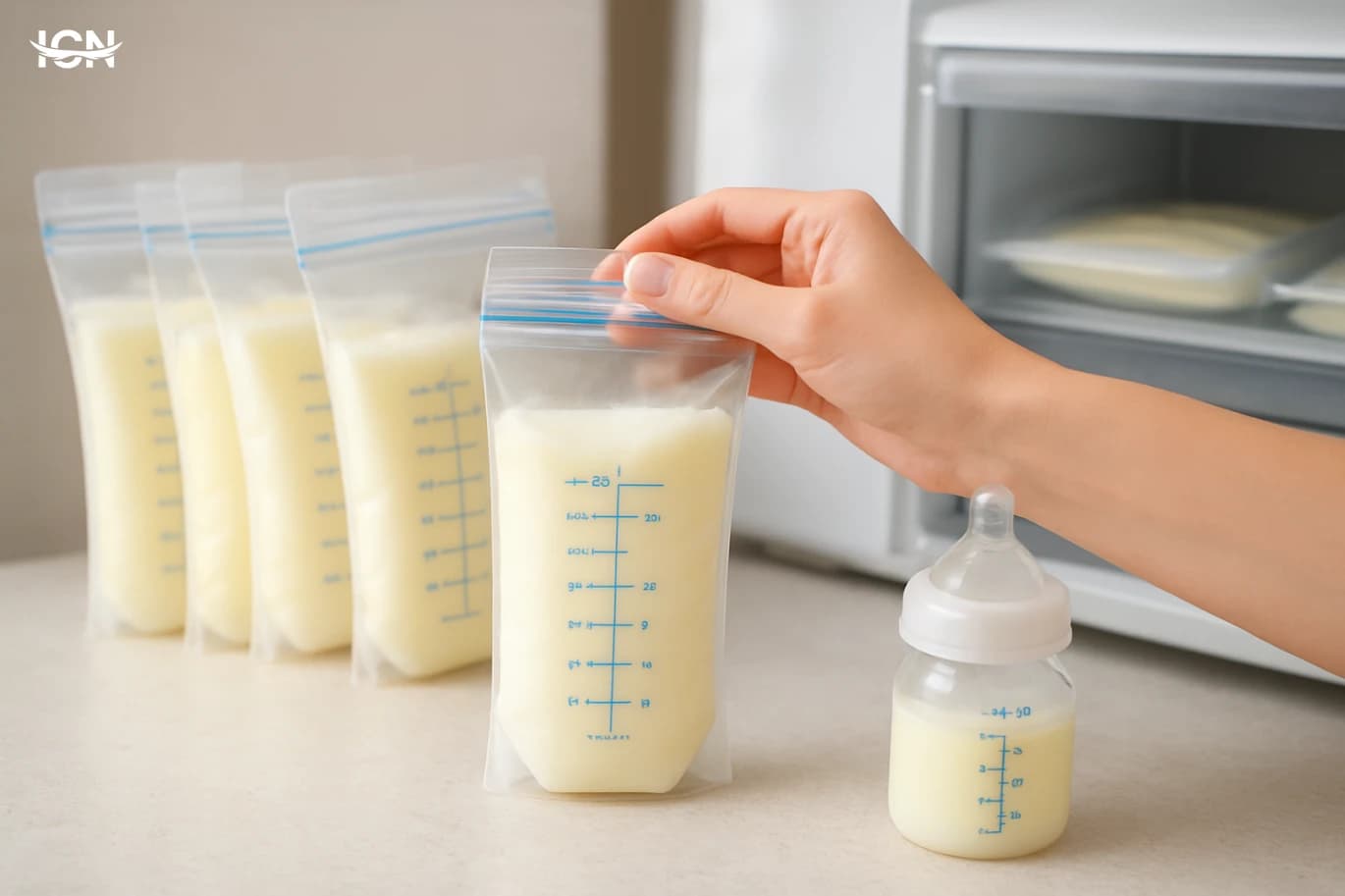
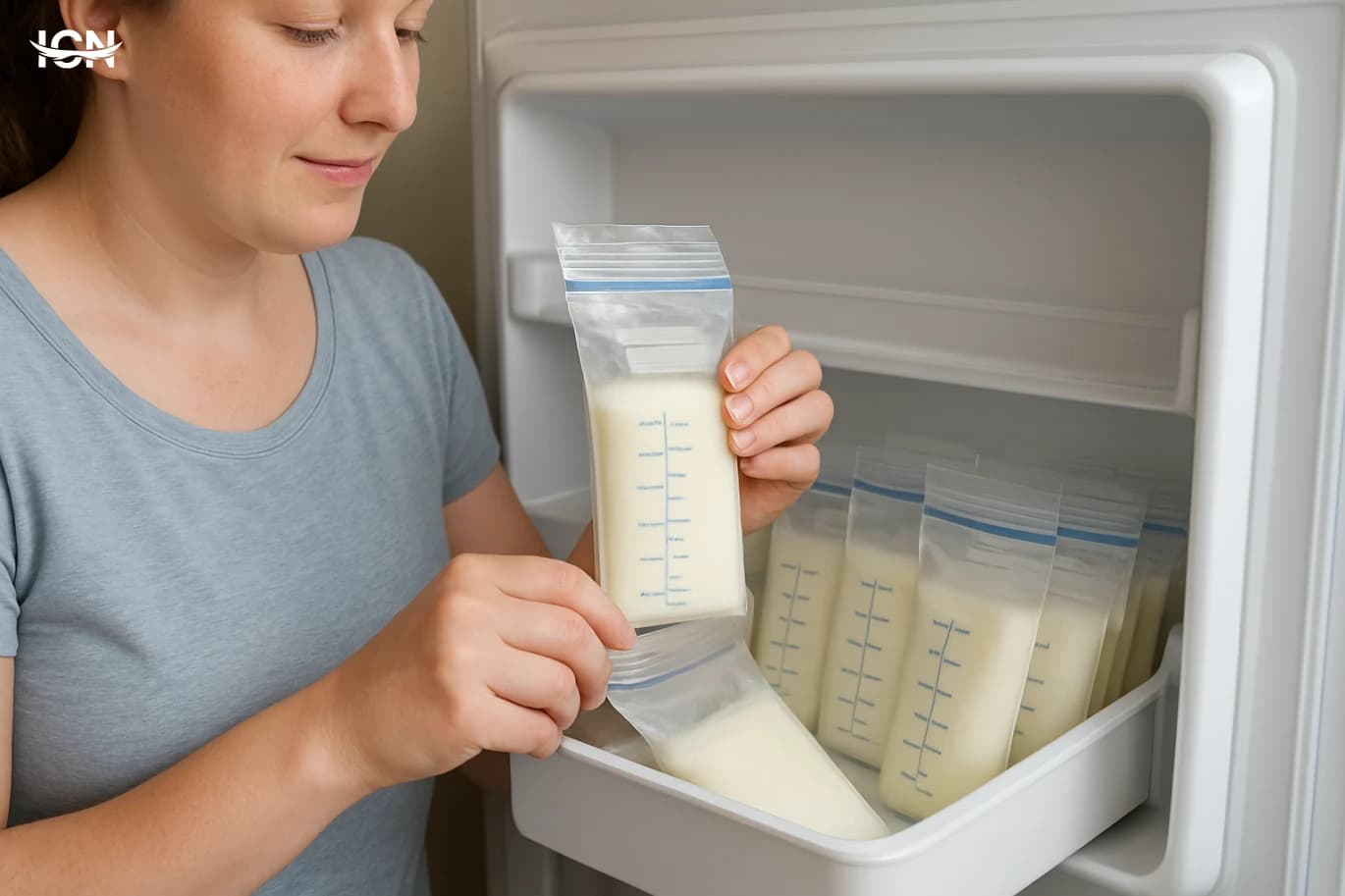
A small freezer stash can make breastfeeding more flexible without turning pumping into a full-time job. It helps when you have a medical appointment, a short work shift, a family event, or simply need uninterrupted sleep while a partner or caregiver gives a bottle. It can also reduce stress during common disruptions such as a baby’s growth spurt, a parent’s temporary drop in supply from illness or dehydration, or a sudden change in childcare. A useful stash is not necessarily large. Many families do well with enough milk for one to three days of feeds, depending on how often the baby takes a bottle. The goal is reliability and safety, not filling the freezer. Planning around your routine matters: if you mostly nurse directly, you may only need a small buffer; if you return to work soon, you may want a slightly larger supply to cover the first week while you learn a pumping schedule. Before you start, confirm that your baby will take a bottle and that the chosen bottle flow is appropriate. A stash is only helpful if the baby can drink it comfortably and caregivers can follow paced bottle-feeding. If you are dealing with oversupply, frequent clogged ducts, or pain, it is better to address those issues first rather than pumping extra and worsening symptoms.
Milk Supply Myths and What Actually Works
Concerns about milk supply are among the most frequent reasons families add formula early or stop breastfeeding sooner than planned. The worry often starts with normal newborn behavior: frequent feeding, cluster feeding in the evening, and short naps that make parents assume the baby is still hungry. Another trigger is the lack of visible “measurement.” Unlike a bottle, breastfeeding doesn’t show ounces, so families rely on cues that can be misleading, such as a baby who cries after a feed or wants to nurse again within an hour. It also doesn’t help that milk production changes over time. In the first days, colostrum comes in small amounts but is highly concentrated; later, milk volume increases and then stabilizes based on demand. Around 6–12 weeks, breasts may feel softer and leaks may stop, which many interpret as supply dropping even when intake is adequate. Understanding what is normal reduces unnecessary interventions and helps parents focus on the few indicators that actually reflect milk transfer and growth.
Building a Freezer Stash Without Oversupply
Many parents feel pressure to fill a freezer with breast milk, but a large stash is not required for most families. A modest reserve can cover common situations such as a short separation, an unexpected appointment, a brief illness, or a caregiver learning bottle-feeding. For many babies, fresh milk from the last 24–48 hours is used first, and frozen milk is simply a backup. A realistic goal for many households is enough for one to three days of feeds, depending on how often the baby eats and whether formula is used. Keeping the stash modest also reduces the risk of oversupply. Producing significantly more milk than the baby needs can lead to frequent engorgement, clogged ducts, and a cycle where pumping to relieve fullness signals the body to make even more. It can also create stress around storage space, labeling, and the fear of wasting milk. A smaller, well-managed stash focuses on reliability: milk that is dated, rotated, and likely to be used before quality declines.
By clicking the SUBSCRIBE button, you are agreeing to our Privacy & Cookie Policy If you want to unsubsribe the marketing email, please proceed to our privacy center.
© 2005-2026 ICN. All Rights Reserved.