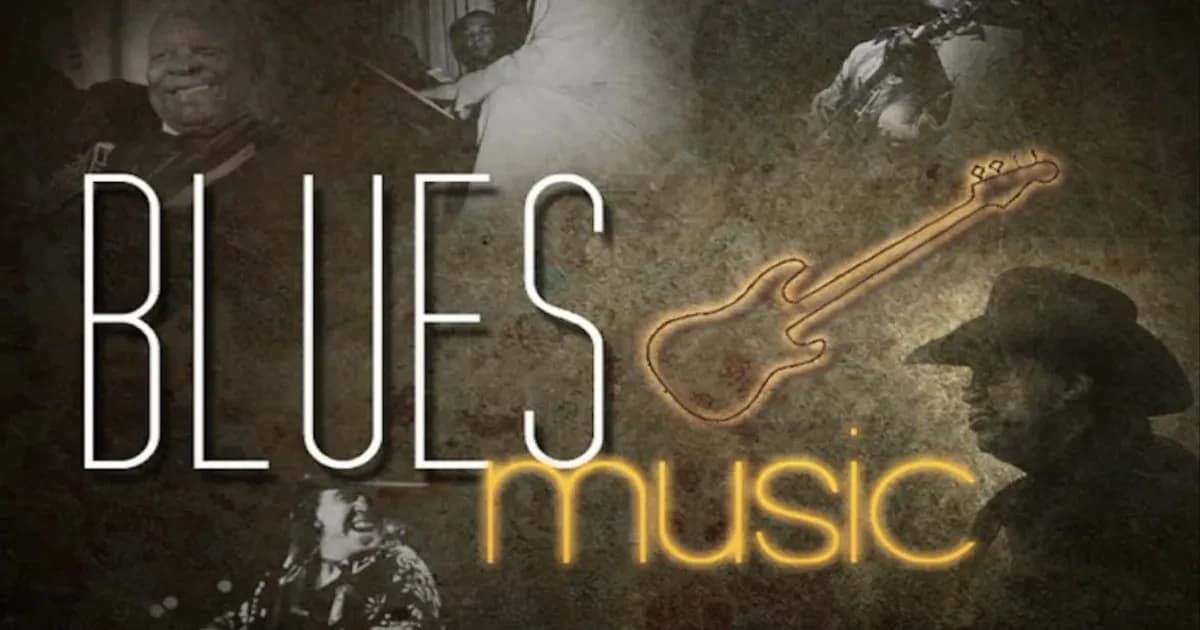
Blues
- the introduction
- Blues cultural origins
- The development of the blues over time
- Blues tools
- The most prominent Blues artists
the introduction
The history of the Blues dates back to the beginnings of the twentieth century, as it arose from various musical effects that include the African -American and jazz roots. This music developed in the United States, as it was expressing life and suffering. The strong performance skills that distinguished music contributed to its widely spread all over the world. The importance of Blues in Arab culture has become part of contemporary Arab culture, as Arab artists were affected by its roots and inspired by new methods. Blues help to express deep human feelings and embody the suffering of people, making it an unforgettable musical experience. This reflects the importance of arts in strengthening cultural and social ties between peoples.
Blues cultural origins
The influence of Western culture on the Blues was affected by the Blues music with Western culture, especially rock and jazz, which contributed to its diversity and continued development. The Blues found its fans all over the world because of its ability to integrate different elements, which made it a musical language that attracts many artists from various cultural backgrounds. Traditional elements in Blue Music The Blues is characterized by traditional elements such as the sad melody and the distinctive rhythm, which reflects feelings of sadness and loss. These elements also include the use of musical instruments such as guitar and piano, as well as the diversity of sounds and performance, which makes them a unique sensory experience in harmony with the audience's feeling and open the doors of inspiration for them.
The development of the blues over time
Classic Blues Classic Blues grew up in the early twentieth century and was associated with African -American culture, where artists expressed their suffering and hopes through words and music. This stage was characterized by the effects of folklore and fast rhythmic patterns, which contributed to the formation of the basic features of the blues. Contemporary blues over time, the blues evolved to merge with other musical patterns, such as rock and jazz, which led to the emergence of new artists who renew this art in a different way. Today, contemporary Blues reflects the issues of modern life and communicate with the public through issues related to love, justice, and daily conflicts, which makes them continuing to attract new generations of fans.
Blues tools
The guitar in Blue Music is the guitar is the main tool in the blues, as artists use various playing techniques to produce tones that reflect their feelings. Songs often depend on the guitar's response to the human voice, which makes them highlight the feeling and rhythm. Harmonica and its role in the Blues. Harmonica is also considered an important tool in the blues, adding a unique dimension to the melodies. Harmonica is used to enhance emotional expression in music, which makes it an essential element in live performance, and it requires them to breathe and accurate control skills.
The most prominent Blues artists
BP King considers BP King one of the greatest Blues legends, where he is famous for his unique style of playing and singing. He inspired many artists thanks to his talent and his distinguished voice. His songs such as "The Thrill is Gone" achieved wide fame and still inspire new generations. Eric Clapetone Eric Klipton is another prominent artist in the world of blues, mixing the blues elements with rock. Its effect on music makes it one of the greatest musicians in history. He has a unique style and his name is associated with a wide range of songs that reflect the deep Blues feeling.