Ocular hypertension

the introduction
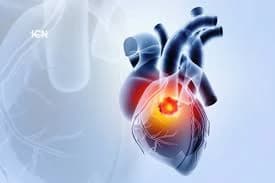
The concept of high eye pressure: is a pathological condition that occurs when there is excessive pressure inside the eye, which may lead to serious health problems such as glaucoma. Individuals should know how to identify the symptoms of this condition and the importance of regular examination of the eye. The common causes of high eye pressure include common causes of high eye pressure, genetic factors, the use of some medications, and may be associated with some diseases such as diabetes or heart disease. Awareness of these reasons can help manage the situation early and reduce the risk of complications.
Diagnosis
Examinations used to determine high eye pressure diagnosis of high intraocular pressure: Specialized tests, such as measuring eye pressure, using a device called "tonometer". The eye bottom exam can also be used to assess the state of the optic nerve and search for any changes that may indicate glaucoma. Risk factors and comprehensive evaluation are risk factors associated with high eye pressure very important in comprehensive evaluation. Doctors should take into account age, family history, and any health problems present. Through this information, medical care can be enhanced and possible complications.
Treatment
Drug therapy options include drug therapy options to use eye drops that aim to reduce eye pressure, such as prostaglandins or adrenaline inhibitors. Doctors determine the doses based on the patient's response and health condition. Surgical procedures for dealing with high eye pressure in addition to drug therapy, doctors may resort to surgical procedures in certain cases, such as the process of "converting liquid drainage", where a channel for excess fluid drainage is created from the eye. These procedures aim to maintain eye pressure within the normal level and avoid the risk of visual loss.
Prevention
Preventive measures to maintain eye health to maintain eye health and reduce the risk of high eye pressure, it is recommended to conduct periodic examinations at the ophthalmologist, especially for those who have a family history of eye problems. Care must also be taken to follow a healthy and varied diet, focusing on fruits and vegetables rich in antioxidants. Natural methods for reducing eye pressure include natural methods to reduce eye pressure, exercise regularly, control weight, and reduce stress through relaxation techniques such as meditation. Sufficient sleep is also important, as fatigue and lack of sleep can negatively affect eye health.
Psychological effect
The effect of high eye pressure on daily life can significantly affect the lives of individuals, as it causes them anxiety and tension, which affects the quality of their daily lives. Many feel psychological discomfort due to the fear of loss of sight or poor vision, which may lead to their isolation and a change in their usual activities. How to deal with the psychological pressure associated with the condition to relieve the psychological pressure caused by this condition, it is recommended to take appropriate psychological care, such as consulting and support from friends and family. Deep meditation and breathing techniques can also be practiced to calm mind and reduce general tension.