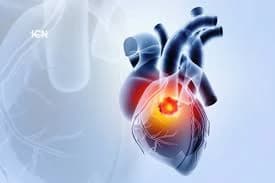
Endocarditis

- The concept of internal heart inflammation
- Types of internal heart inflammation
- Symptoms associated with internal heart inflammation
- Risk factors for infection with internal heart inflammation
- Diagnosis of internal heart inflammation
The concept of internal heart inflammation
The definition of internal heart inflammation, internal heart inflammation, also known as endocarditis, is a medical condition that occurs when the endometrium of the inner heart, coated with valves and blood vessels. This condition can lead to serious complications if it is not appropriately treated, as it facilitates the entry of bacteria or fungi into the bloodstream, which leads to injury. Causes of internal heart inflammation include the main causes of internal heart inflammation exposure to bacteria during medical procedures, such as dental extraction or surgery, especially in people with existing medical conditions. Some genetic factors or current heart disease can also cause an increased risk of infection. Educating people about the importance of health care and fine details of medical procedures can contribute to prevention.
Types of internal heart inflammation
Acute internal heart inflammation The internal heart inflammation is considered an urgent medical condition, as it develops rapidly and needs immediate treatment. In this case, symptoms appear suddenly, such as fever, joint pain, and a feeling of general fatigue. This type of inflammation requires urgent medical intervention to avoid serious complications. Chronic internal heart inflammation on the other side, chronic internal heart inflammation develops slowly, with symptoms that may be unclear at first. This includes weight loss, night sweating, and shortness of breath. These patients face a greater risk of healthy deterioration, which requires continuous care and close monitoring of the condition.
Symptoms associated with internal heart inflammation
Fever and high temperature is one of the common symptoms facing patients with internal heart inflammation, as the temperature may exceed 38 degrees Celsius, which requires medical attention. Joint and muscle pain many patients suffer from joint and muscles pain, which may cause discomfort and inability to practice daily activities. It is necessary to follow these symptoms with the doctor to avoid exacerbation of the condition and to direct the appropriate treatment to ensure the health of the heart.
Risk factors for infection with internal heart inflammation
Smoking and alcohol consumption is considered one of the main factors that increase the risk of infection with internal heart infection. Smoking negatively affects the health of the blood vessels and increases the risk of infection. Excessive consumption of alcohol can lead to a weak immune system, which makes the body less able to resist infections. Research and cardiovascular diseases indicate that individuals with immune diseases, such as rheumatoid or lupus are more likely to develop internal heart infection. In addition, previous heart disease can contribute to increasing risk, as it affects the heart's ability to resist infection, which requires caution.
Diagnosis of internal heart inflammation
Specialized medical examinations can perform specialized medical examinations, such as blood analysis, to determine the presence of any infection or inflammation in the body. These tests show the presence of antibodies or other ingredients that indicate heart inflammation. Radiography and radiology uses imaging techniques, such as X -rays or MRI, to help assess the state of the heart. Photography can show any abnormal changes in the structure of the heart or the surrounding tissues, which helps in determining the infection of internal heart inflammation and providing appropriate treatment.